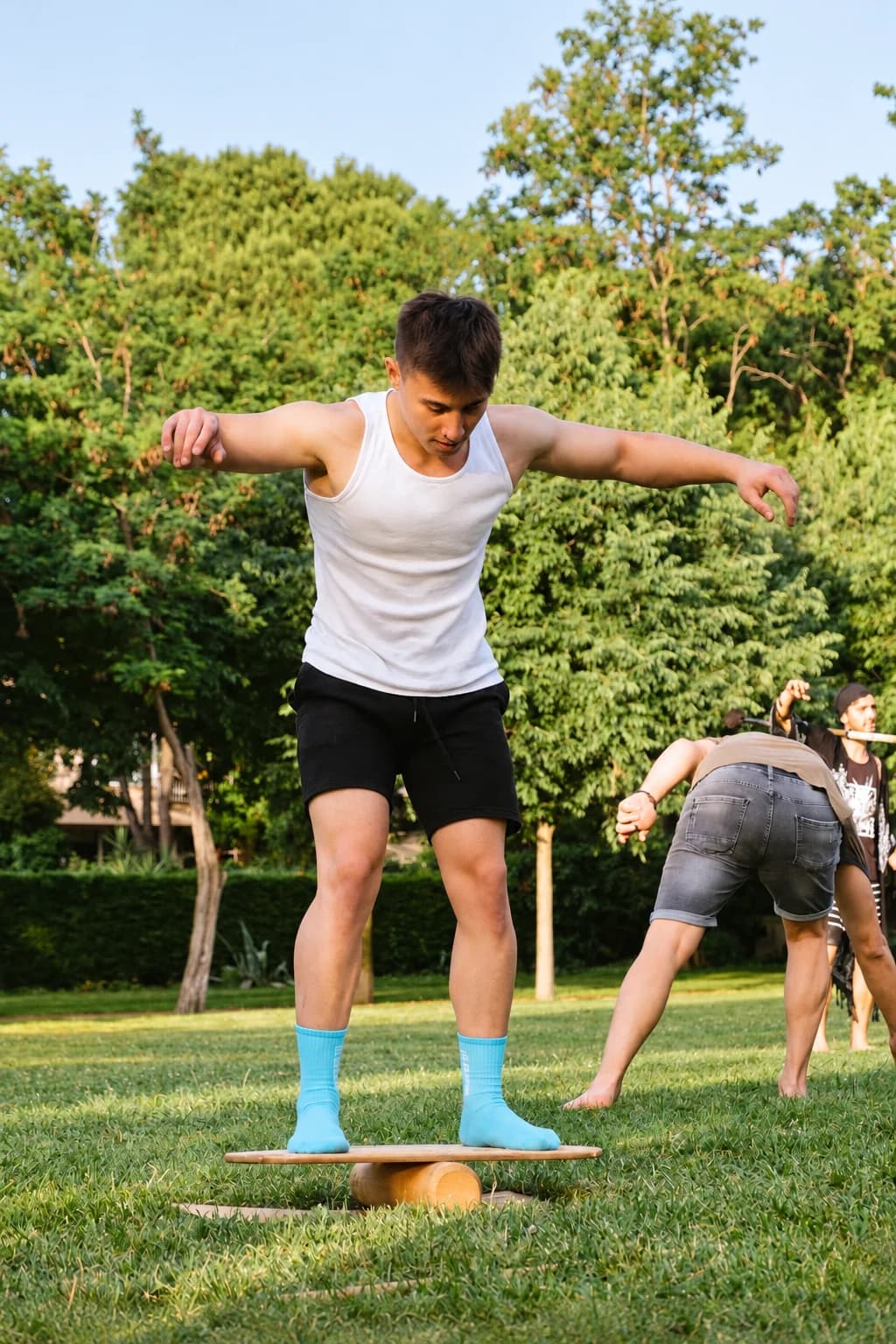
Balance Boards vs Stable-Floor Practice: When Instability Adds a Task
Decide whether to practise balance on stable ground, retain consistent support for strength work or learn a moving board. Compare tasks before buying equipment.
Read the storyMake room for movement.
Equipment guides, useful skills and everyday training.
Stories are ordered by first publication. Each guide shows its publication and revision dates.
145–156 of 188 stories
All topics / Newest firstDecide whether to practise balance on stable ground, retain consistent support for strength work or learn a moving board. Compare tasks before buying equipment.
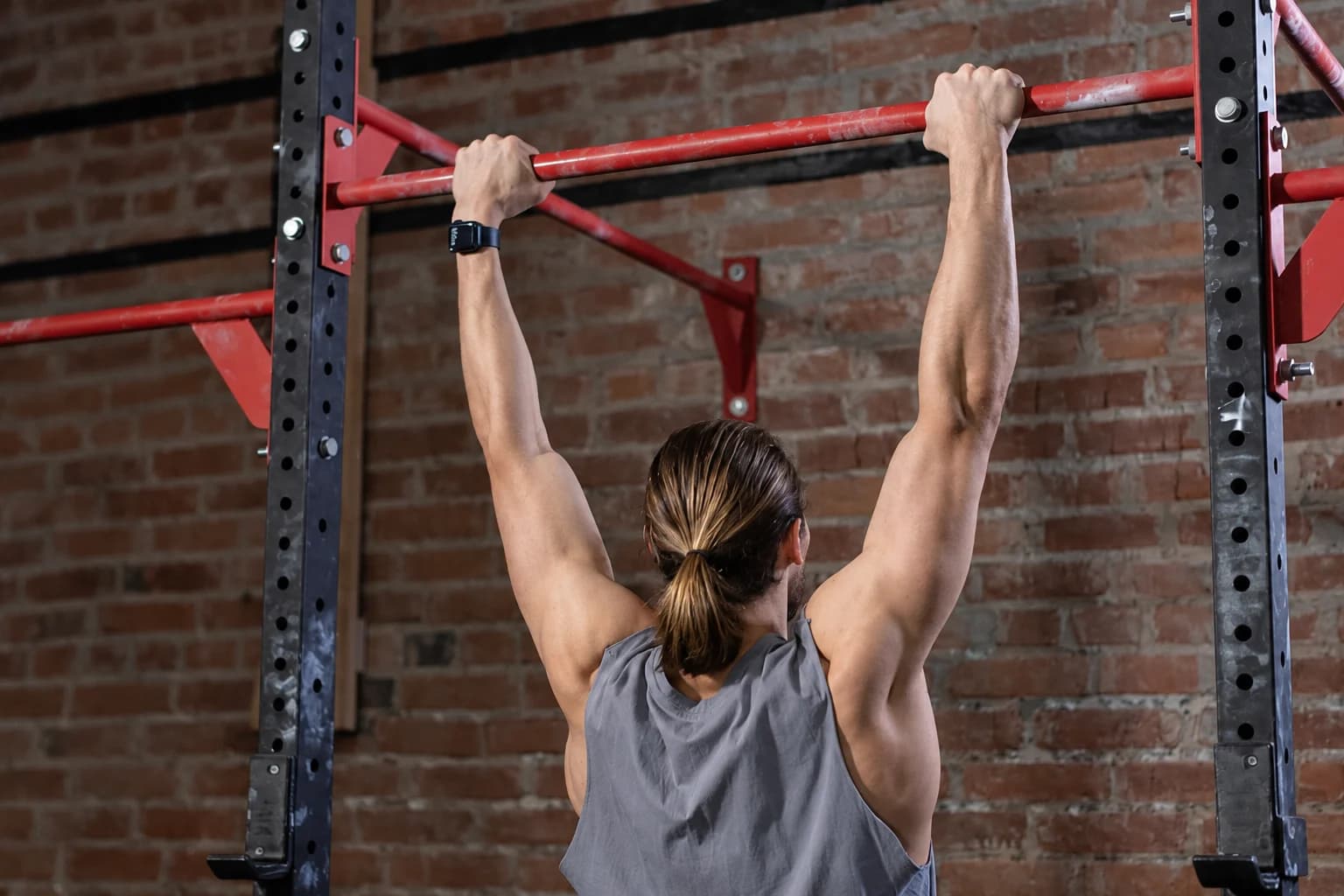
Read the storyCompare assistance for pull-ups and parallel-bar dips. Check equipment, plan a controlled entry and exit, understand changing band help and track repeatable progress.
Read the storyCompare muscular strength with resistance to fatigue. Set a task-specific goal, interpret repetitions and recovery, and choose equipment around the movement you know.
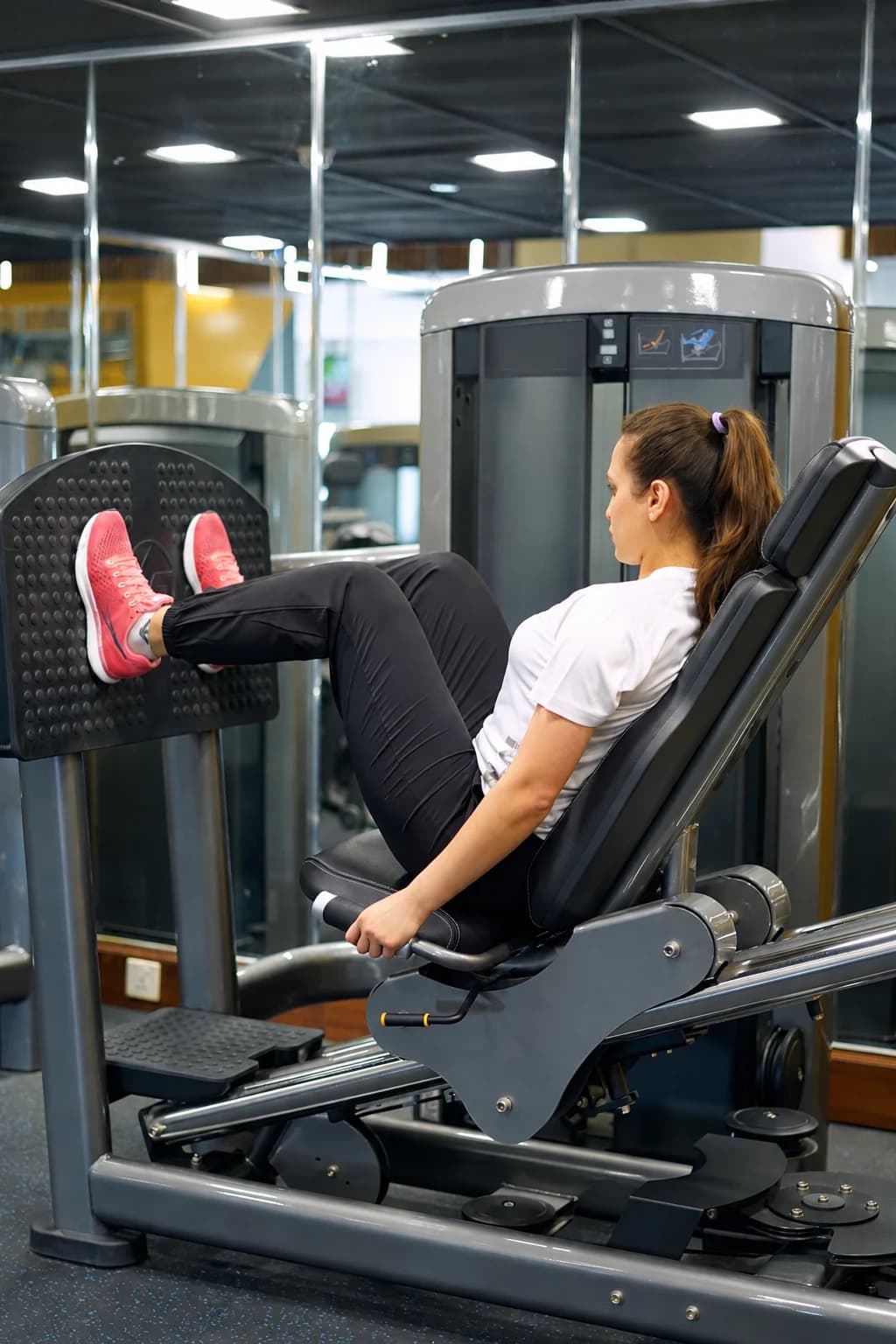
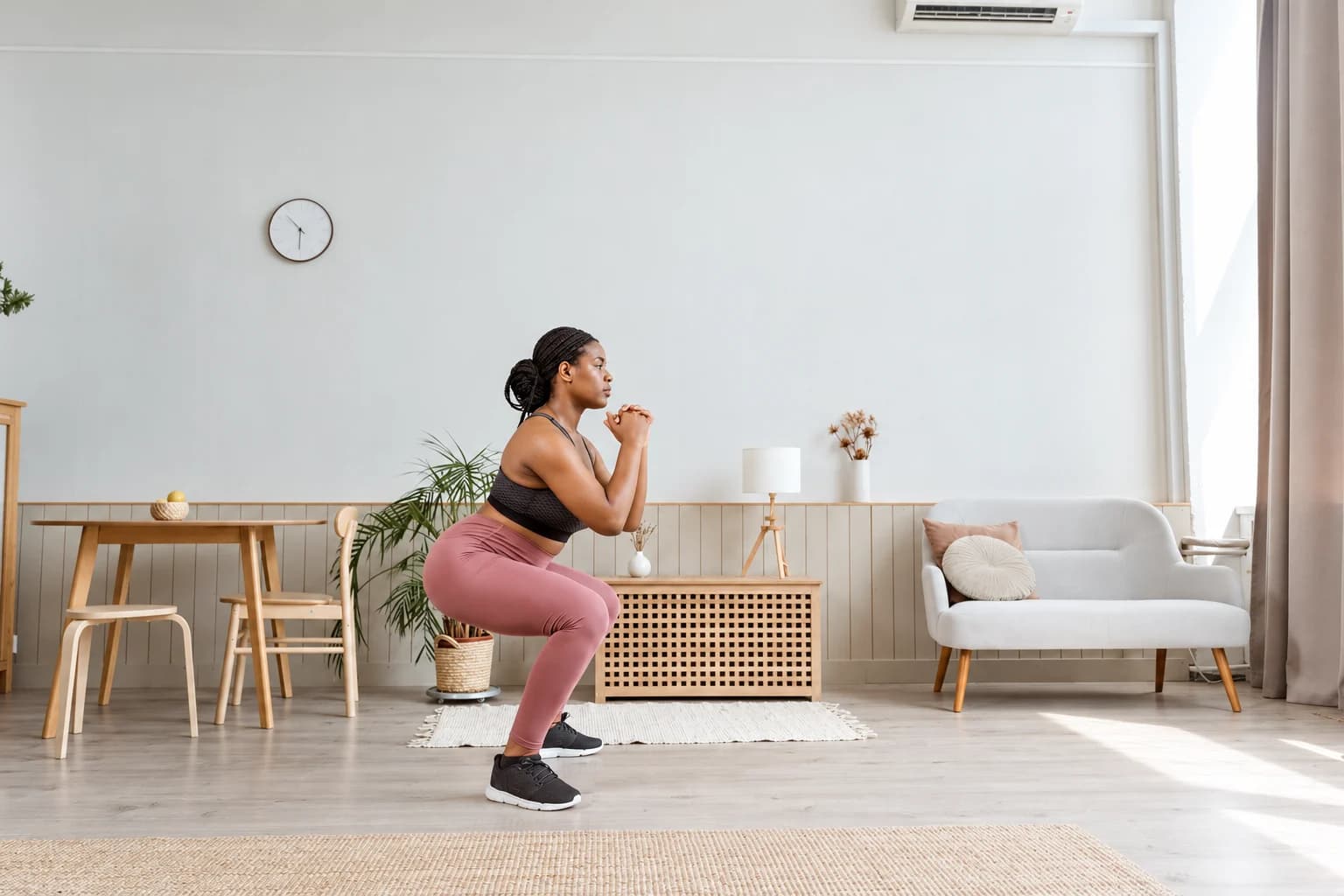
Read the storyChoose distinct leg and glute movements with bands or bodyweight. Compare squats, hinges, bridges, hip control and ankle exercises, with a printable cue and record sheet.
Read the storyLearn a slow sideways step-slide with clear foot spacing and a settled finish. Choose manageable distances, organise endpoints and adjust practice through observed control.
Read the storyLearn a slow approach, shorter steps and a settled finish before adding direction changes. Plan the space and use coaching feedback to guide the next attempt.
Read the storyDistinguish linear running speed, planned direction changes and later-cue responses. Learn how to read a drill's task, observation and claims about quickness.
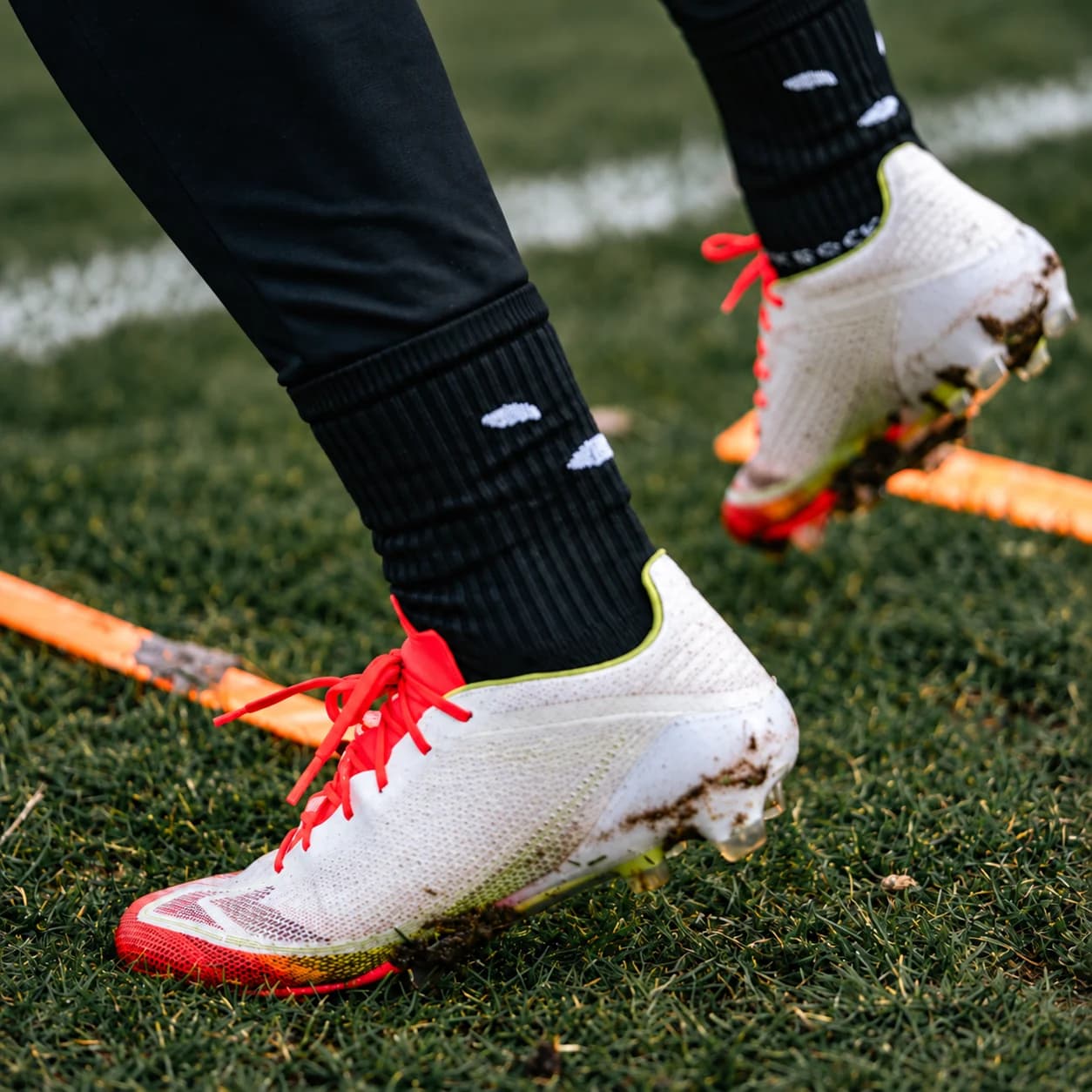
Read the storyCompare ladders and cones by foot placement, planned direction changes and cue response. Choose a clear practice task, understand simpler options and match the equipment.
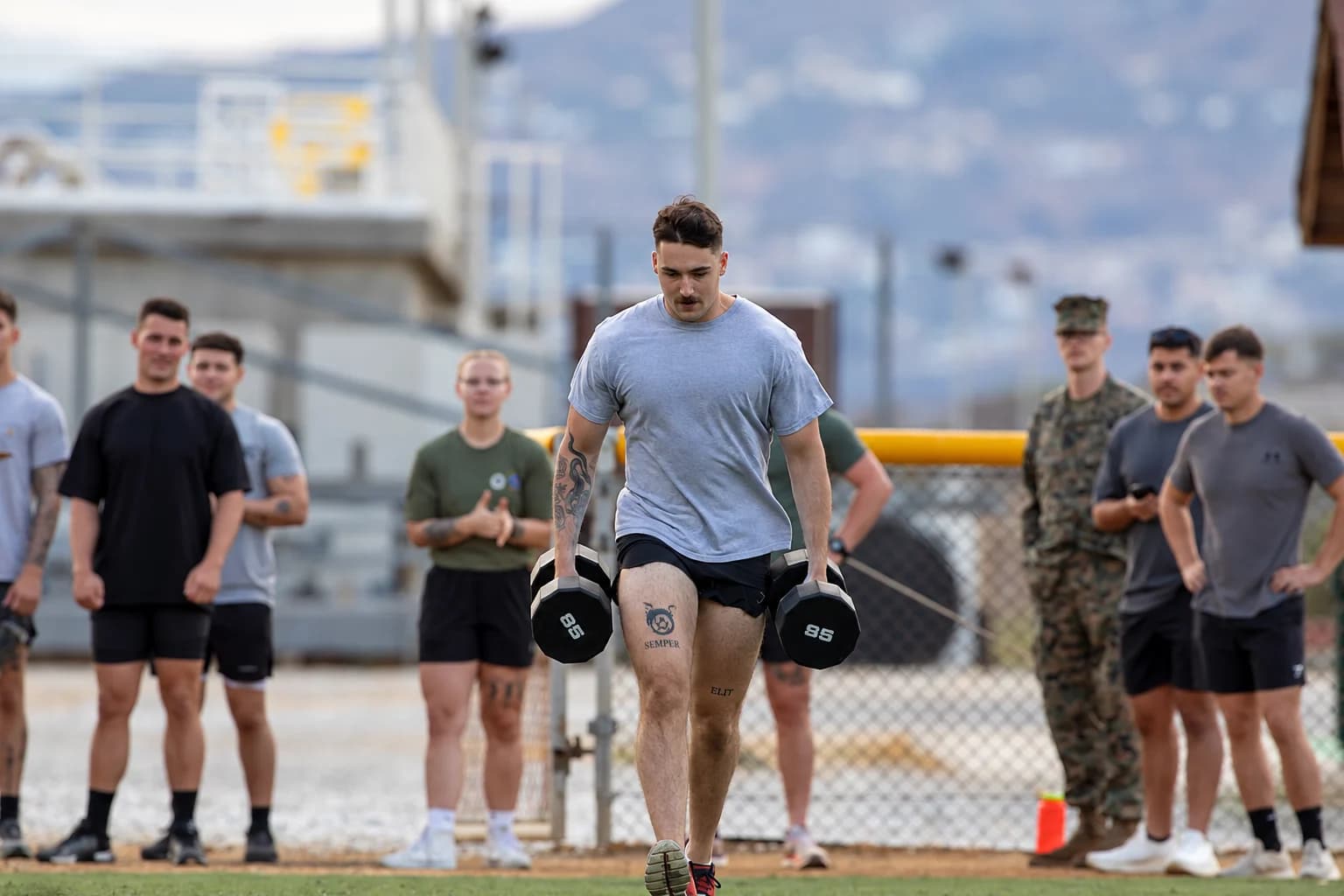
Read the storyChoose a short carry route, distinguish one-hand and two-hand formats, and finish under control before resetting. Includes practical options when walking space is limited.
Read the storyChoose core training by the task: resist a turn, move limbs with a steady trunk or control rotation. Compare band and bodyweight versions with a printable cue sheet.
Read the storyChoose one familiar strength task, fix its conditions and compare a later non-exhaustive check. Understand what changes mean without maximal lifts or invented scores.
Read the storyDistinguish planned stops, technique changes and task failure. Use repetitions in reserve as an estimate and choose a clear endpoint before beginning a set.
Read the storyFind what moves you.
Explore the collection