Muscular Endurance vs Strength: Choose the Outcome You Need
Compare muscular strength with resistance to fatigue. Set a task-specific goal, interpret repetitions and recovery, and choose equipment around the movement you know.
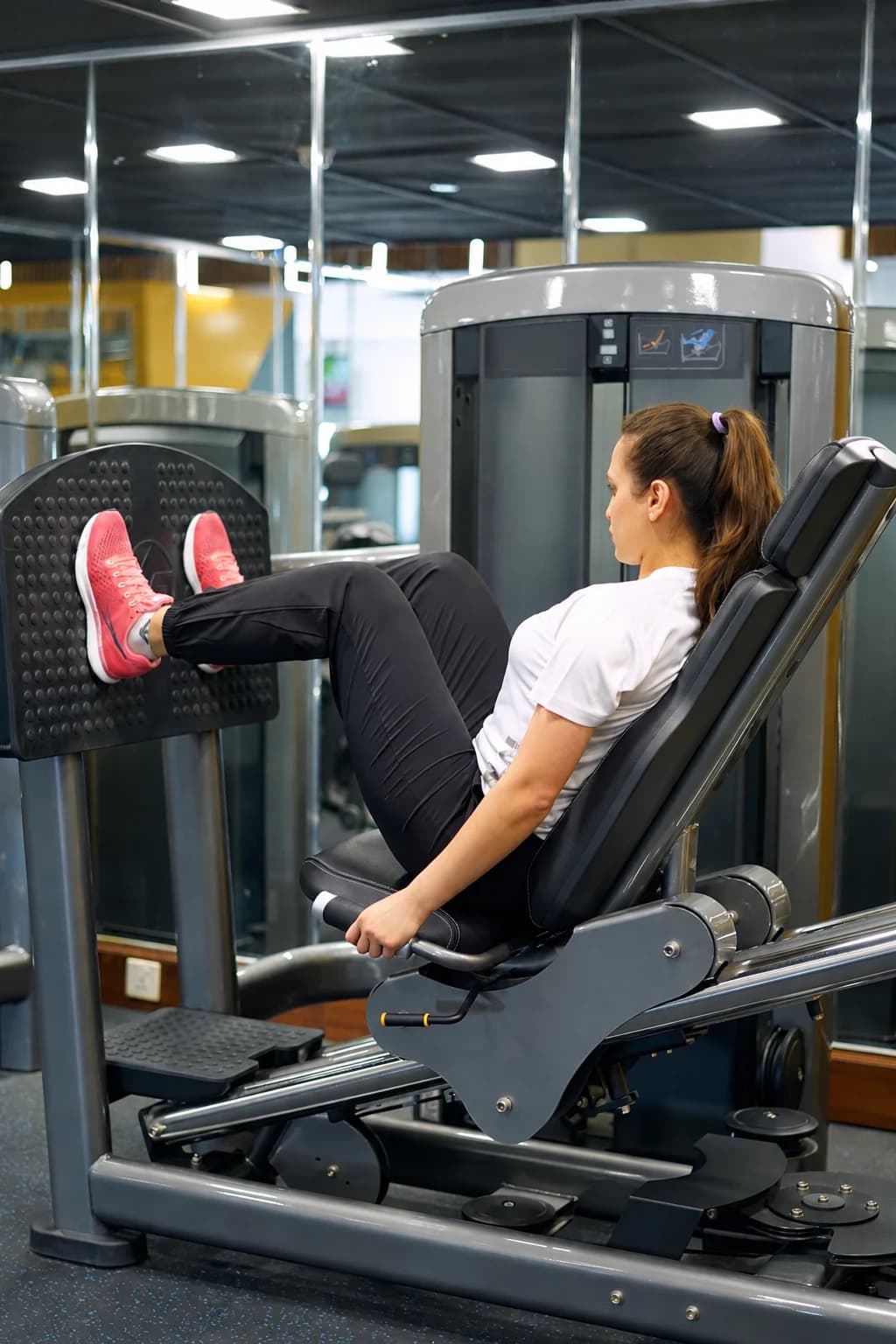
Choose the outcome before choosing a repetition count. Muscular strength concerns the force you can produce in a particular task. Muscular endurance concerns how well you resist fatigue during repeated or sustained muscular work. Both can matter in the same week, but a useful session gives you a clear emphasis.
For example, moving a greater resistance in a familiar exercise and continuing a familiar repeated task are different aims. Write down which one matters to you now, then choose a manageable movement, resistance and amount of work around that aim.
Read two row logs without turning them into a rule
| Fictional record, same familiar row | Resistance and range | Completed work / rest | Interpretation limit |
|---|---|---|---|
| A | Same identified band and working length; same taught range | 8 controlled repetitions; 90 seconds before the next set | A description of this task, not a strength-only rep boundary |
| B | Same identified band and working length; same taught range | 10 controlled repetitions; 90 seconds before the next set | More recorded work under stated conditions; this pair alone does not prove an endurance adaptation |
| Your comparison | Exercise / band or weight / range: ____ | Repetitions / rest / first change in control: ____ | Other changed or unrecorded conditions: ____ |
The numbers teach log reading, not a recommended load, repetition target or rest period. A lighter band, shorter range or different recovery would change the comparison; keep those conditions visible.
Muscular endurance vs strength: compare the task
| Question | Strength emphasis | Muscular-endurance emphasis |
|---|---|---|
| What capacity matters? | Producing greater force in a specified movement. | Resisting fatigue during the selected repeated or sustained task. |
| What belongs in the goal? | The movement, resistance and movement standard. | The movement, resistance, amount of work and movement standard. |
| What makes a comparison useful? | Keep the task consistent when judging a change in resistance. | Keep the task and resistance clear when judging continued work. |
| What does a rep count leave out? | How demanding that resistance is for you. | The resistance, movement quality and recovery between efforts. |
ACE's muscular-fitness assessment guidance distinguishes strength from resistance to fatigue while considering load and repetitions together. Its trainer assessments include testing methods; you do not need to attempt a maximum lift or complete an exhaustive test to decide which capacity you want to develop.
There can be overlap in the adaptations from resistance training. The comparison helps you select an emphasis and judge a relevant task; it does not divide every exercise into a permanent strength-only or endurance-only category.
Make strength training goals specific
A useful strength goal names a learned task: for example, handling more resistance in the same controlled row, rather than simply finishing more total repetitions. Keep the intended range and body position clear so that a larger resistance does not quietly become a shorter or more momentum-driven movement.
The 2026 ACSM guidance for healthy adults places a strength emphasis on heavier relative loads and recommends individualising training to the person's goals. Relative matters: the same external weight can be demanding for one person and easy for another. That guidance is not a requirement for a new exerciser to begin with a heavy or unfamiliar implement.
If learning the movement is still the main challenge, practise a manageable version first. There is no need to find a maximum to establish a starting point. Later choices about resistance should preserve the movement you intended to learn.
Endurance-focused resistance training: repeat the chosen task
An endurance goal might be maintaining controlled repetitions of a familiar exercise at a chosen resistance. Name that resistance or bodyweight version along with the work you want to sustain. Completing more repetitions with much less resistance answers a different question from doing more work under the original conditions.
Muscular endurance is also task-specific in a practical sense: you need to identify which muscular action is continuing. Becoming comfortable with a long walk does not, by itself, tell you how long you can maintain a particular upper-body resistance exercise.
Select an amount of repeated work that remains manageable. As fatigue develops, notice whether the intended range, position and return are maintained. The goal is useful repeated work, rather than collecting extra repetitions after the task has changed.
Equipment gives you options; the task sets the emphasis
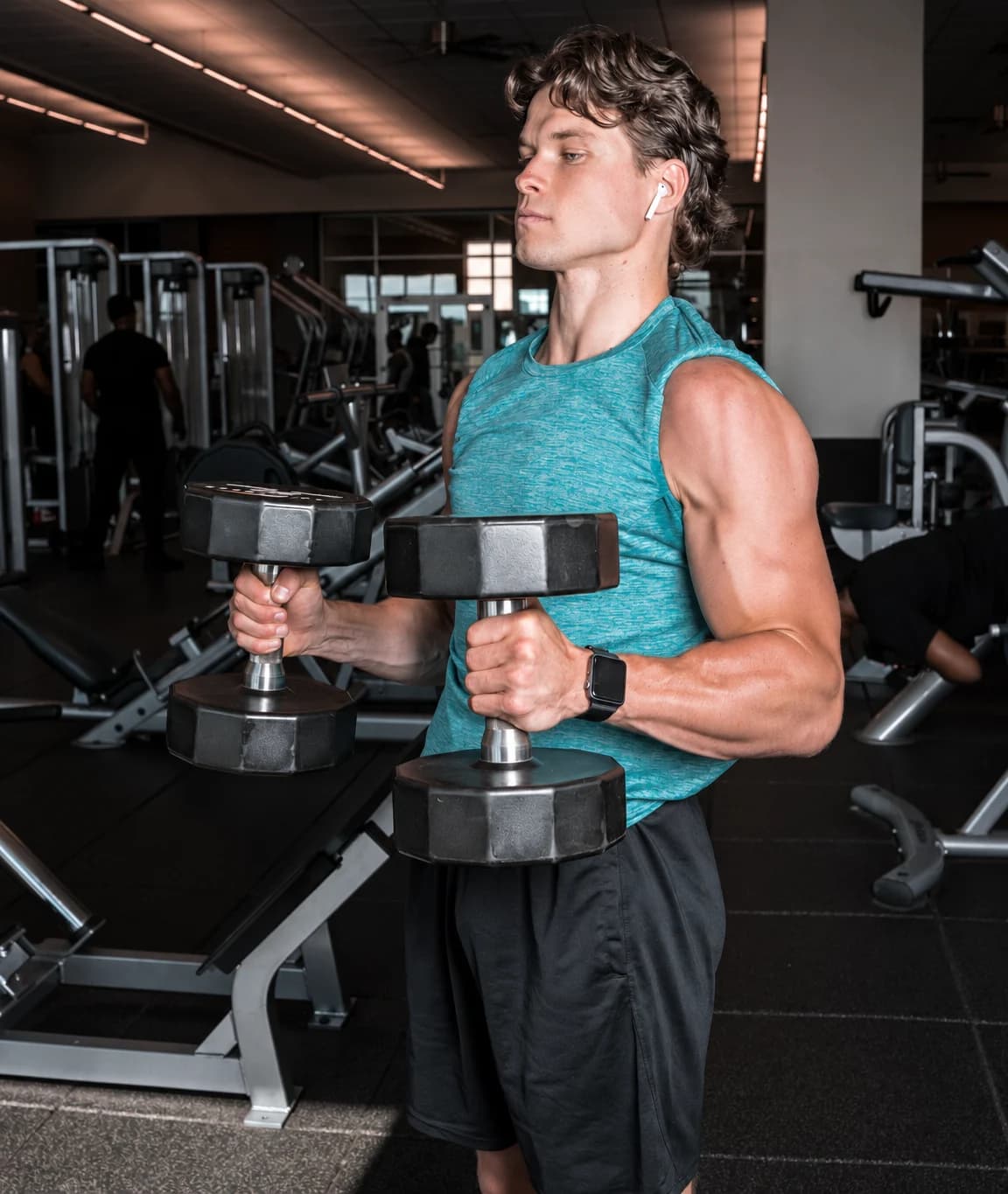
ACSM includes elastic resistance and bodyweight or home-based formats among useful options. Pick equipment for a movement you can perform and repeat consistently. Its name, colour or shape does not decide whether the session emphasises force or fatigue resistance.
The four-long-loop band set provides four closed loops, a carry bag and workout guide. It is one elastic-resistance option for familiar, properly taught tasks. Use the actual model's instructions and a manageable setup; a colour or printed resistance label is not a direct conversion to a dumbbell load.
For a different contact format, the integral-arch push-up handle pair supplies two fixed supports. Consider them only if that contact suits an already learned bodyweight task and the intended surface and setup. Handles do not automatically make the exercise easier, harder or deeper. You can also keep an appropriate familiar floor version.
Repetitions and rest need context
A repetition total is a description of work completed. To interpret it, also note the exercise version, resistance, range, control and whether the repetitions were continuous or separated by rest. A shorter movement with a lighter resistance can produce a bigger number without answering your original goal.
Recovery is part of organising the task. As a practical planning choice, allow enough recovery to perform the next intended effort with the selected movement quality. Automatically cutting rest because the goal says endurance, or extending it because the goal says strength, does not establish the result on its own. Keep recovery conditions clear when comparing the same task across sessions.
ACSM also reports that momentary failure is not consistently necessary. You can finish at a chosen manageable endpoint. If you are unsure how to distinguish that endpoint from a changed movement, the guide to training to failure and stopping earlier explains the decision.
Choose an emphasis you can explain
- If the priority is handling greater resistance, name the familiar movement and the standard you want to retain as resistance changes.
- If the priority is continuing muscular work, name the repeated task, its resistance and what controlled completion means.
- If both matter, give different practice tasks or sessions a clear purpose rather than judge every effort by the largest rep total.
Keep the goal specific enough that your next choice makes sense. You may need a more manageable exercise version, a different resistance or more recovery before adding work. For a broader home-training framework, continue with building muscle at home.