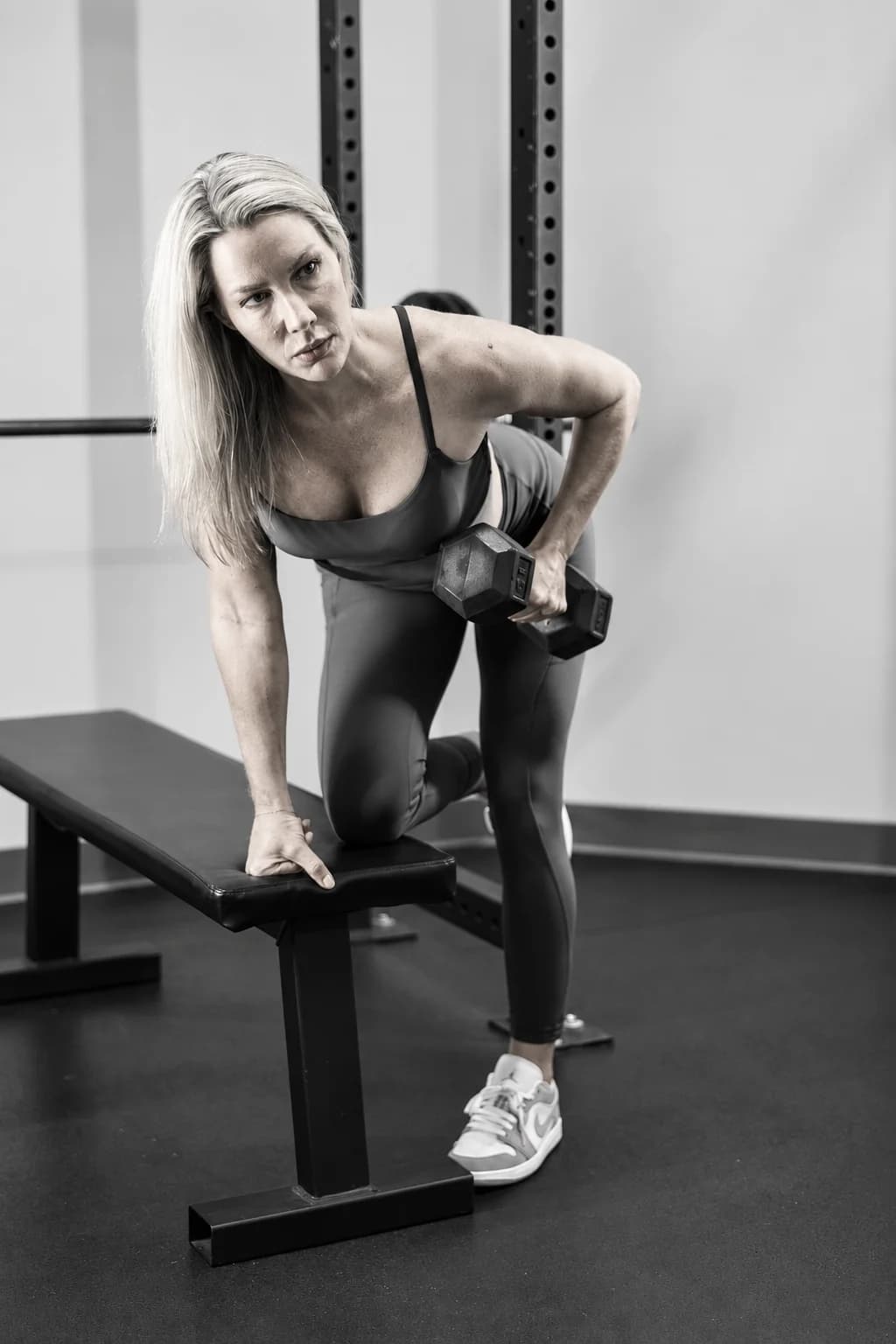
Movement Breaks at Work: Interrupt Sitting Without Calling It a Full Workout
Find workable opportunities to interrupt sitting, adapt reminders to the job, and keep movement breaks distinct from a planned training session.
Read the storyMake room for movement.
Equipment guides, useful skills and everyday training.
Stories are ordered by first publication. Each guide shows its publication and revision dates.
1–12 of 188 stories
All topics / Newest firstFind workable opportunities to interrupt sitting, adapt reminders to the job, and keep movement breaks distinct from a planned training session.
Read the storyCompare accumulated activity with one continuous block, and check the actual activity, intensity and total work behind the timetable.
Read the storyJudge session length by its purpose and completed work, and separate preparation, recovery and time on site from the training itself.
Read the storyChoose controlled hamstring, calf, quad and hip stretches, with clear entries, releases, bodyweight alternatives and an adjustable short routine.
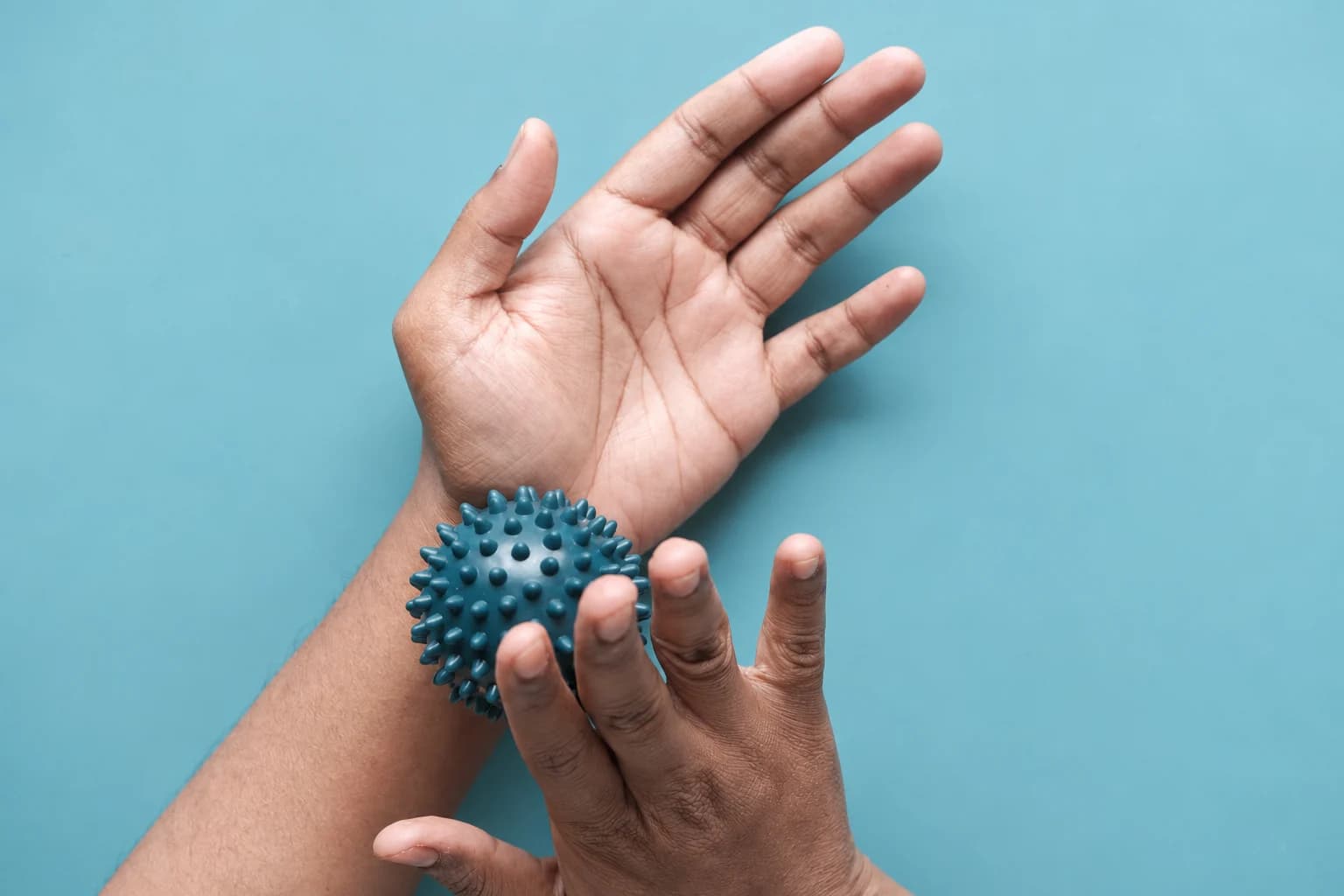
Read the storyCompare massage balls, peanut shapes, textures and sports-ball alternatives, then learn supported foot and wall contact with realistic expectations.
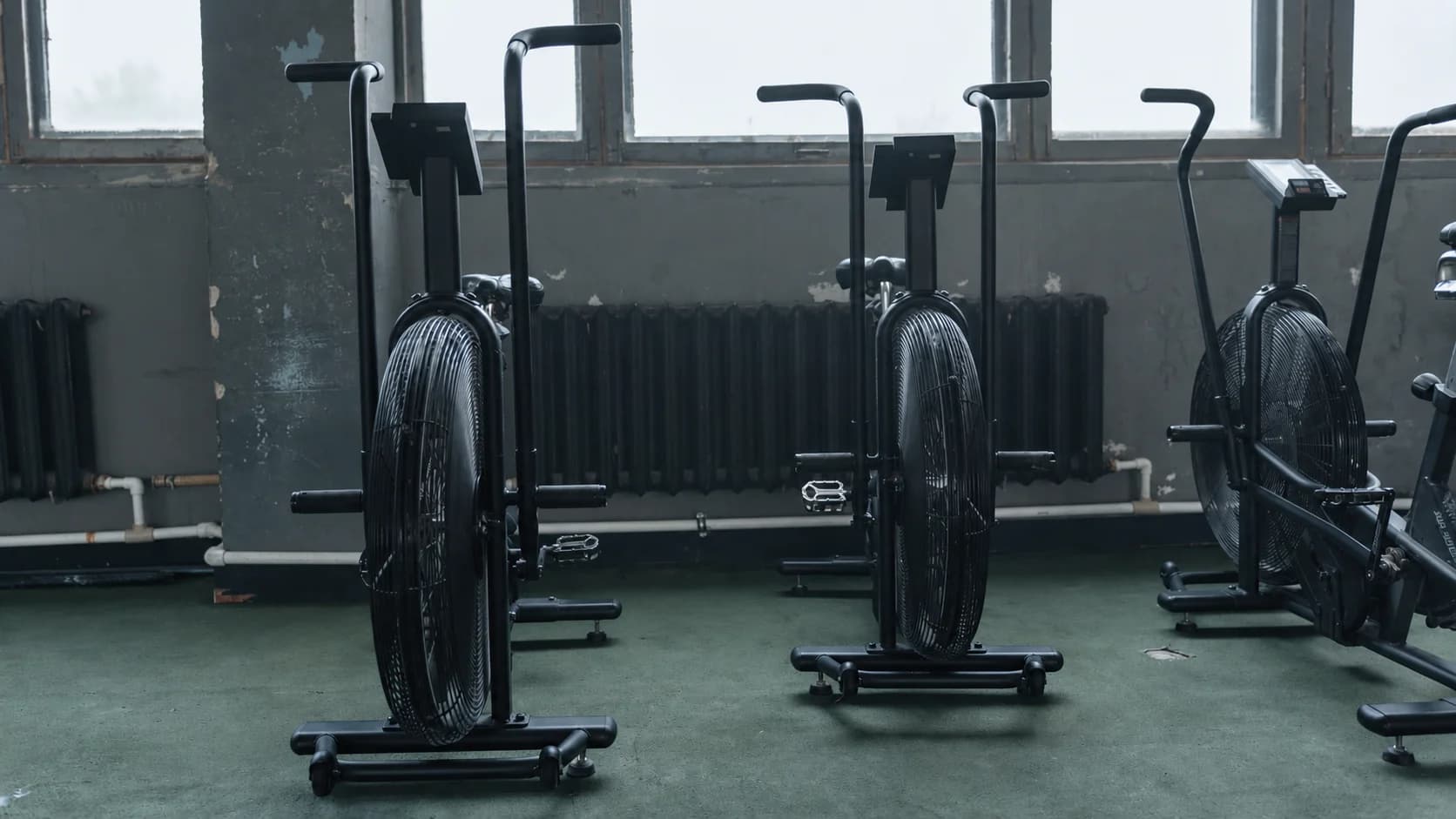
Read the storyDistinguish learning a movement from conditioning work, keep useful feedback possible and choose equipment for a clear role rather than extra fatigue.
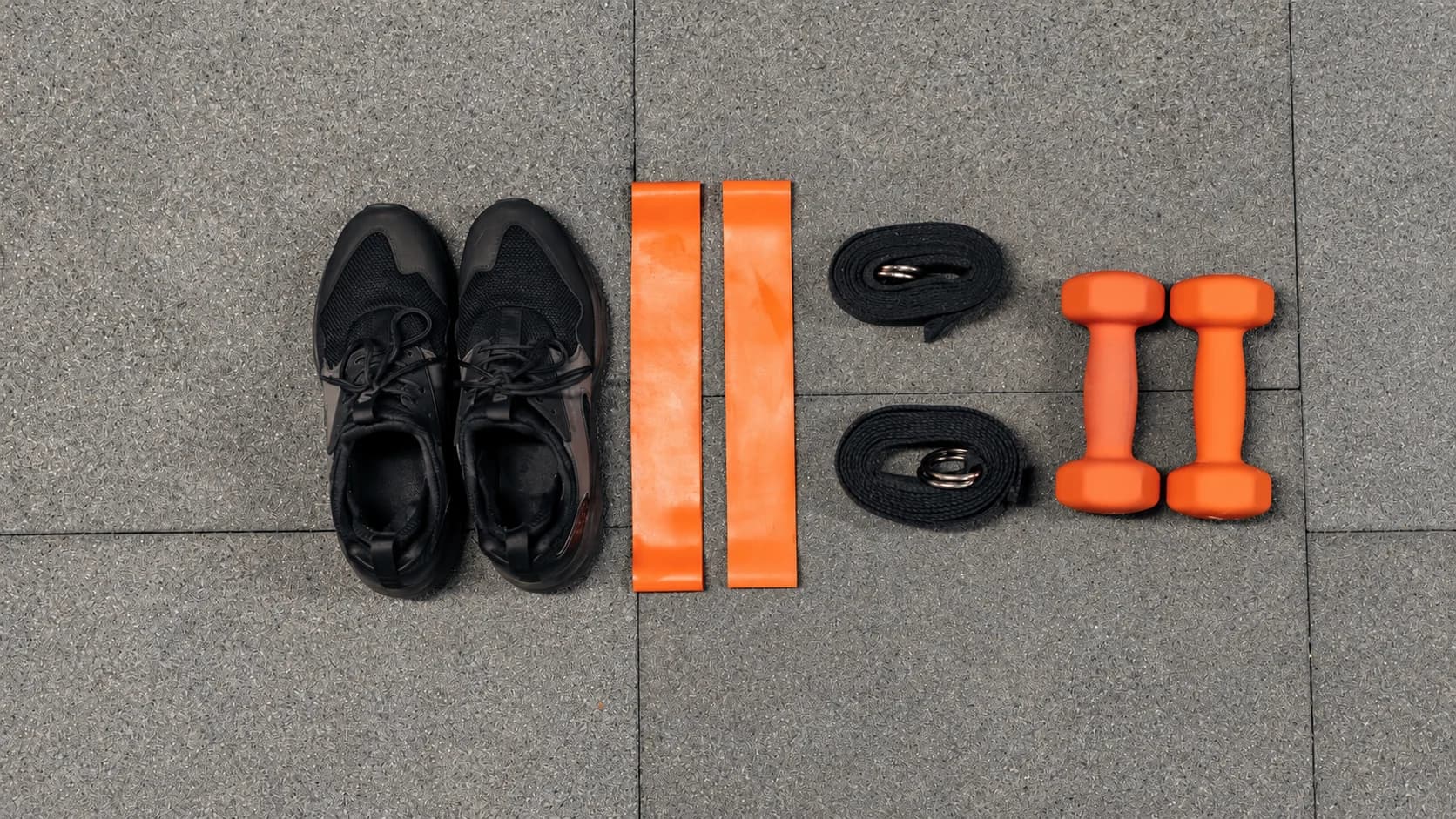
Read the storyRead band tension in relation to extension and reference length. Separate an external force curve from changing joint geometry and compare the equipment actually tested.
Read the storySeparate the resistance supplied by equipment from the muscular task. Understand elastic, isometric and isotonic labels without treating them as competing product categories.
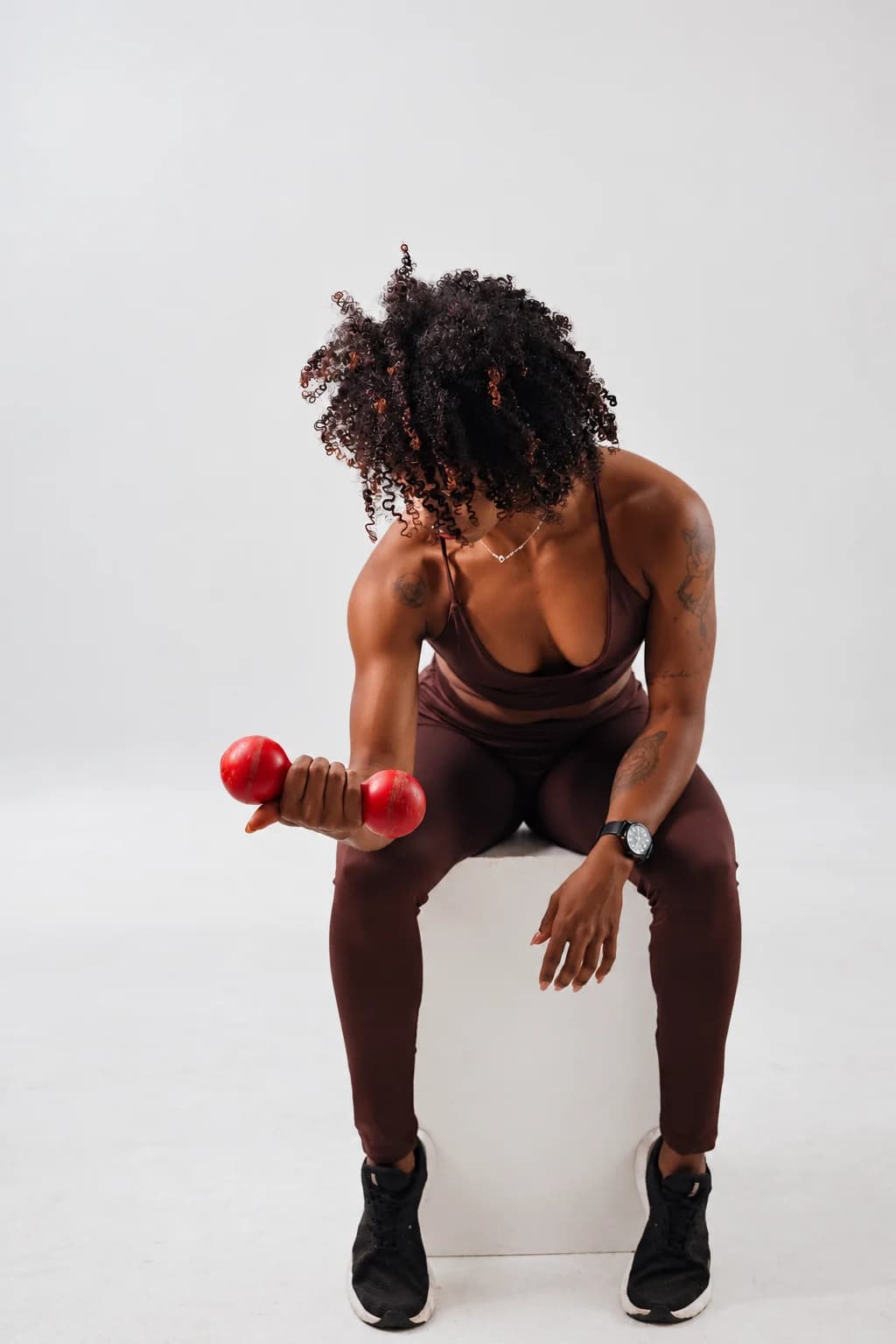
Read the storyUnderstand how range and load change an exercise, define useful partial work, and use a clear curl-session example to plan your next progression.
Read the storyCompare light fixed dumbbells and adjustable formats by usable loads, weight changes and storage. Match the pair to familiar exercises before choosing a format.
Read the storyCompare unilateral vs bilateral training by the task you want to practise. Organise exercise choices, left-right counts, rests and resistance clearly.
Read the storyUnderstand eccentric and concentric muscle actions, then practise a deliberate return with a familiar curl and a load you can lift and lower yourself.
Read the storyFind what moves you.
Explore the collection