Lateral Shuffle Training: Posture, Distance and Controlled Progression
Learn a slow sideways step-slide with clear foot spacing and a settled finish. Choose manageable distances, organise endpoints and adjust practice through observed control.
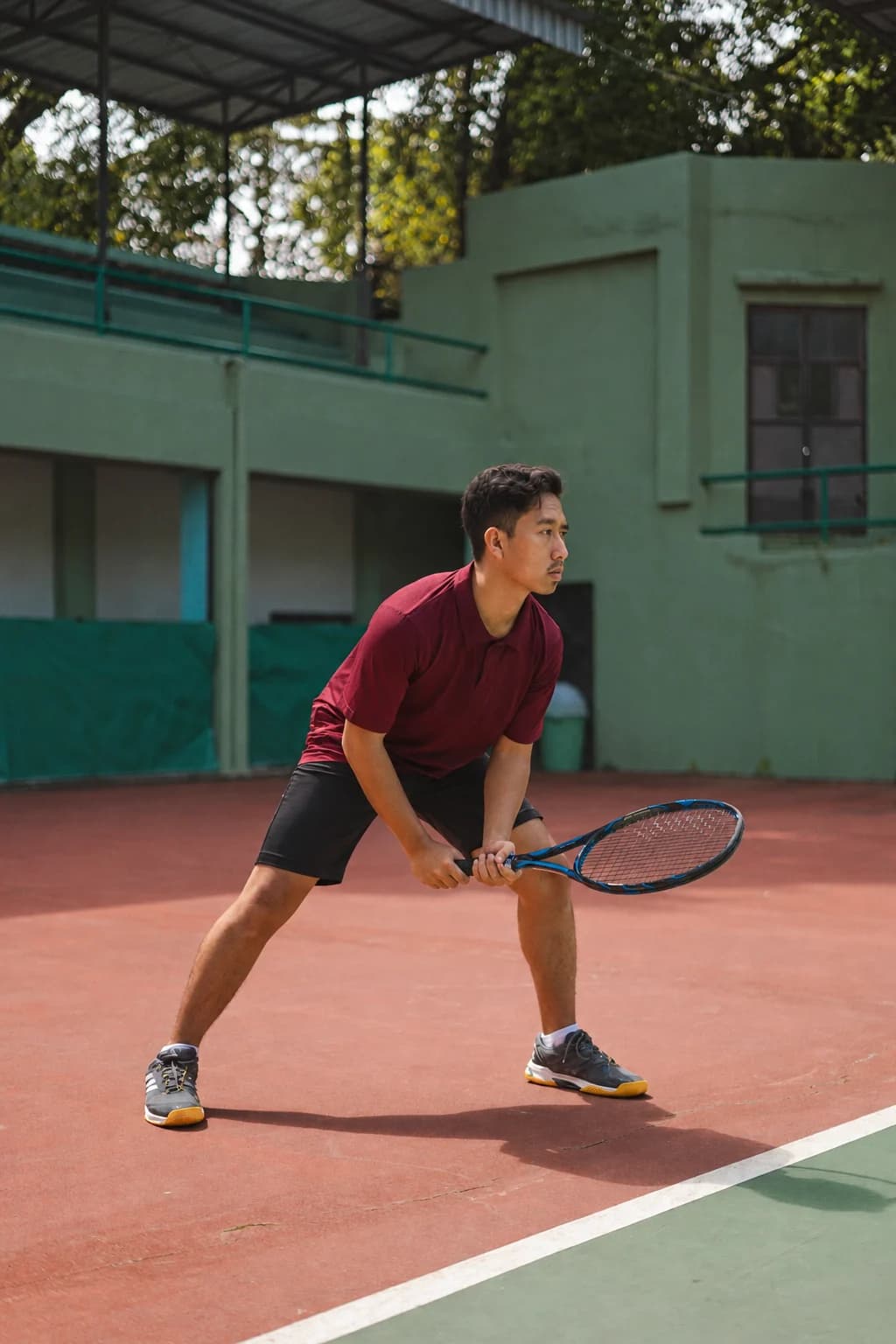
A lateral shuffle is a sideways step-slide task that keeps a consistent facing direction. Begin at a pace that lets you organise the lead foot, the following foot and a settled finish. Choose a manageable route before trying to cover more ground.
This practice focuses on travelling sideways with control. You can learn the basic movement without a ball, resistance band or a partner directing unexpected changes. Once the movement is clear, you can decide which later practice task fits your goal.
Watch the movement, then rehearse the return
Open the 20-second U.S. Marine Corps Lateral Shuffle demonstration on DVIDS. Its published description shows sideways travel from an athletic position and identifies outward turning of the lead foot and heels touching as errors. Watch that source for the movement; the out-and-back reset below is this article’s practice layout.
| Travel with the same facing direction | Lead / follow | End before reversing |
|---|---|---|
| To your right | Right foot leads; left foot follows without crossing or closing the heels | Settle at the endpoint |
| Back to your left | Left foot now leads; right foot follows with space retained | Start only after the first finish is settled; settle again at the return |
The endpoints mark the route, not a universal distance test. Keep the feet from crossing and retain the facing direction on both journeys.
Lateral shuffle drills start with a slow step-slide
The shuffling section of Joe Eisenmann's Volt Athletics teaching guide begins and finishes in an athletic position: hips and knees slightly bent, chest tall and toes forward. It teaches stepping sideways with a lead foot and bringing the other foot toward it, without crossing the feet.
The U.S. Marine Corps lateral-shuffle demonstration page adds the cue to push off the back foot while travelling sideways and preserve spacing. Its written instructions identify turning the lead foot outward and clicking the heels together as mistakes in this shuffle task.
Volt presents a youth-teaching progression; the Marine Corps example is a dynamic warm-up. Use their common movement cues for a slow learning practice with a manageable bend at the hips and knees. The short out-and-back layout below is a practical adaptation, with the return begun after a settled finish.
Side shuffle technique: lead, follow and keep your spacing
- Set the starting position with a manageable hip and knee bend, chest up and toes facing forward. Choose a facing direction you will retain while travelling sideways.
- Step toward the chosen side with the lead foot, pushing from the trailing foot. For travel to your right, the right foot leads and the left foot provides the push.
- Let the opposite foot follow toward the lead foot to restore useful spacing. Keep the feet apart instead of bringing the heels together.
- Continue the slow step-slide sequence without crossing the feet. Keep the lead foot from turning outward into the direction of travel.
- End in the intended athletic position and settle before beginning another movement.
- For the return in this practice layout, retain the same facing direction and change which foot leads. Travel back slowly and finish settled again.
The return arrangement is a way to organise short practice in both directions; it is not a timed protocol from the warm-up demonstration. Keep the same movement idea when the direction reverses: the new lead foot steps toward the travel direction and the other foot follows.
Choose distance by the movement you can maintain
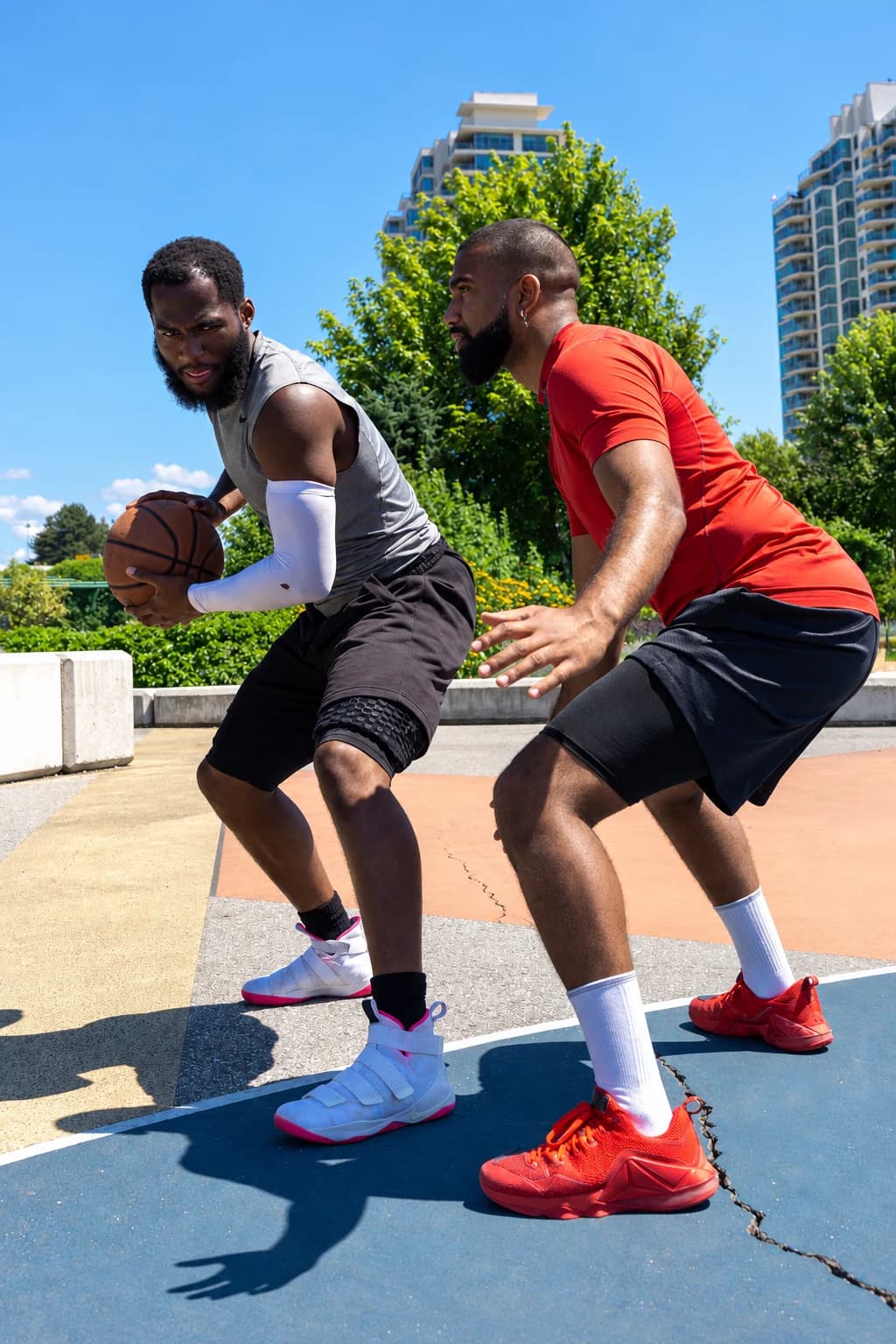
Set two visible endpoints beside an unobstructed lane, leaving room to finish at each end. Begin with a short route you can complete slowly while preserving the selected facing direction and foot spacing. Walk through the available space before practising the shuffle.
The endpoints organise the route; they do not determine how large each step must be. If you begin crossing the feet, clicking the heels or turning the lead foot outward before reaching the far end, shorten the route or reduce the pace so you can rehearse the intended movement.
Keep the surface and surrounding space appropriate to the exercise and equipment. A court photograph is context, not approval of every surface shown. At the end, settle before returning instead of treating the boundary as a place to rush into an immediate reversal.
Progress lateral movement training through control
| What you notice | A useful next choice | What to retain |
|---|---|---|
| The following foot closes the gap until the heels meet. | Slow the sequence and rehearse the following step with useful space remaining. | Separated feet and a position you can maintain. |
| The lead foot turns outward or the feet cross. | Return to the simpler lead-and-follow pattern over less ground. | The selected facing direction and uncrossed steps. |
| You lose the starting posture partway through the route. | Use a more manageable bend, pace or distance. | A chest-up position and controlled sideways travel. |
| You can travel out but rush or lose position on the return. | Pause at the end and establish the new lead direction before moving. | A settled finish in both directions. |
| The short route is repeatable with the intended movement. | Keep practising it, or consider a little more route only if space and control allow. | The same foot-placement and finish criteria. |
These choices are practice adaptations, not a universal progression test. You can keep the same distance while making the movement more consistent. Additional pace, a different route or an outside cue should have a clear purpose and be learned as the next task, rather than added automatically.
Keep the finish separate from the next task
A settled stop makes it easier to notice whether the movement you intended was maintained. If you need a different stopping lesson, the deceleration guide covers that learning sequence. This shuffle practice needs a clear ending before the return begins.
A known out-and-back pattern is planned lateral travel. A later cue that changes the direction adds a decision task. The speed, agility and change-of-direction guide explains that distinction. Choose the version of practice you mean to do, rather than judge the session only by how quick it looks.
Plain spots can identify two endpoints
The PBGGAME twelve-piece plain floor-spot option supplies twelve flat solid-colour discs. Two suitable references can identify the ends of a practice lane; the remaining pieces are not required for this simple layout.
Place endpoint references beside the foot path and follow the model's instructions for the actual surface. They mark the route, not where a foot must land. Keep the movement criteria clear: lead, follow, preserve space and finish in control.