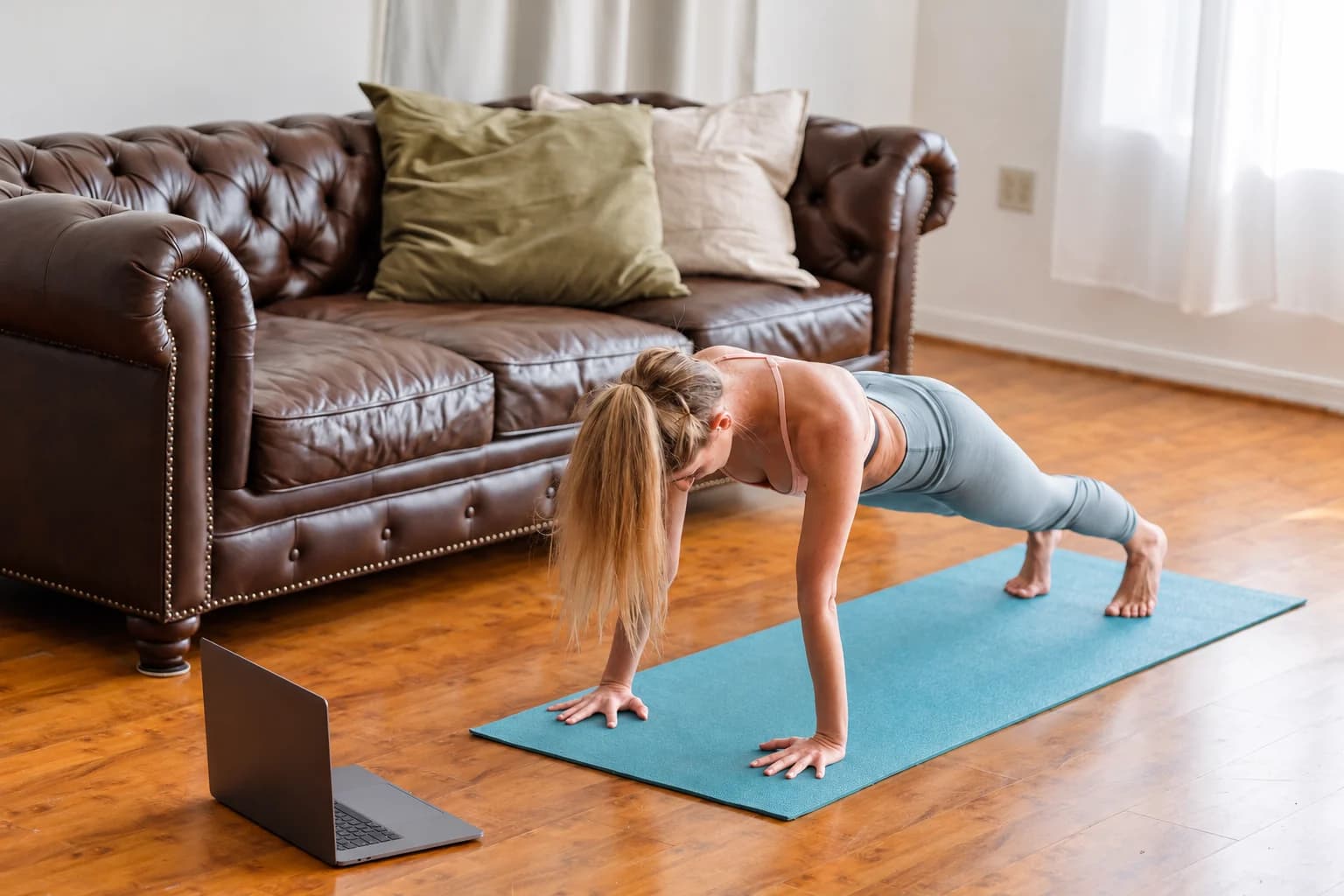
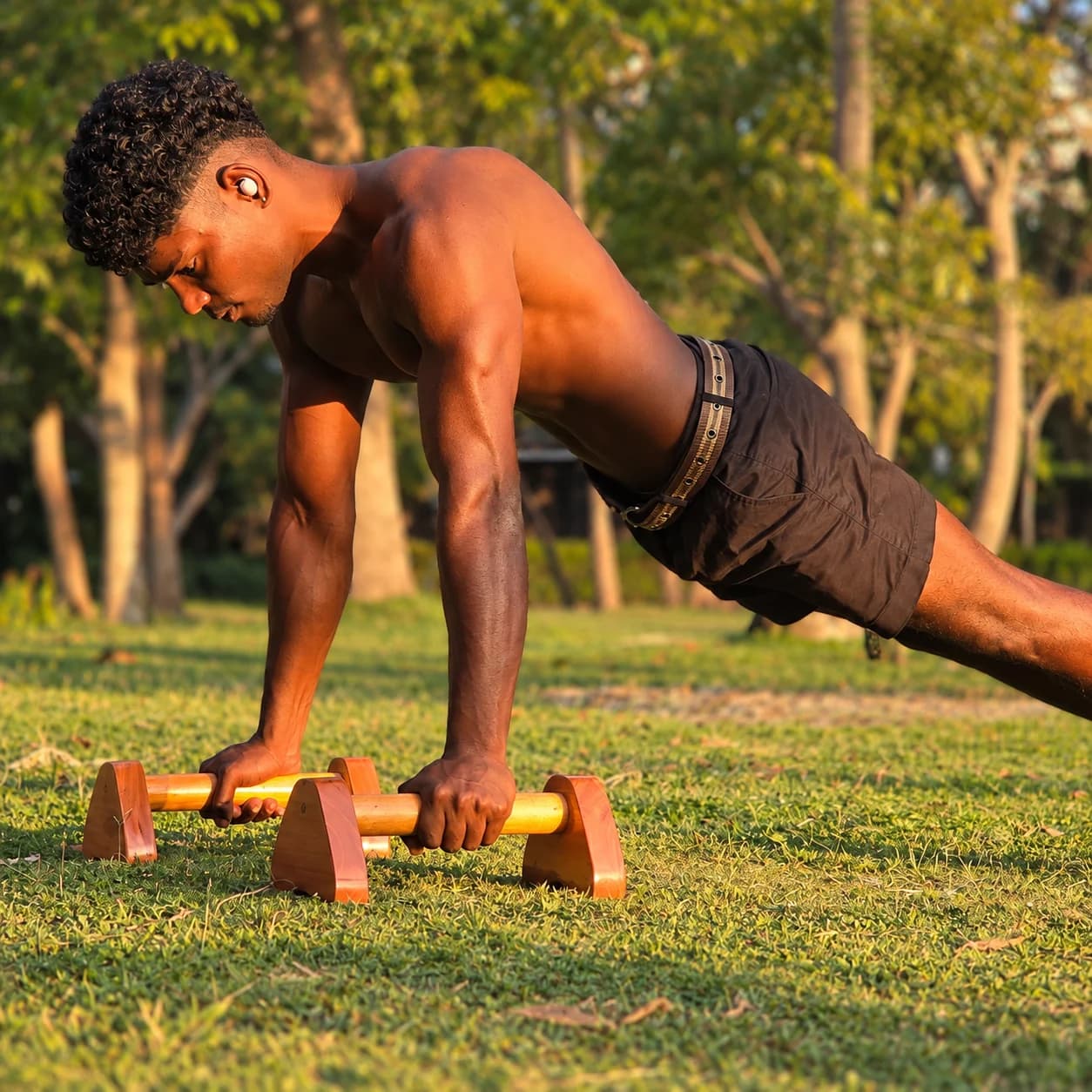
Choose core training by the task: resist a turn, move limbs with a steady trunk or control rotation. Compare band and bodyweight versions with a printable cue sheet.
Choose one familiar strength task, fix its conditions and compare a later non-exhaustive check. Understand what changes mean without maximal lifts or invented scores.
Distinguish planned stops, technique changes and task failure. Use repetitions in reserve as an estimate and choose a clear endpoint before beginning a set.
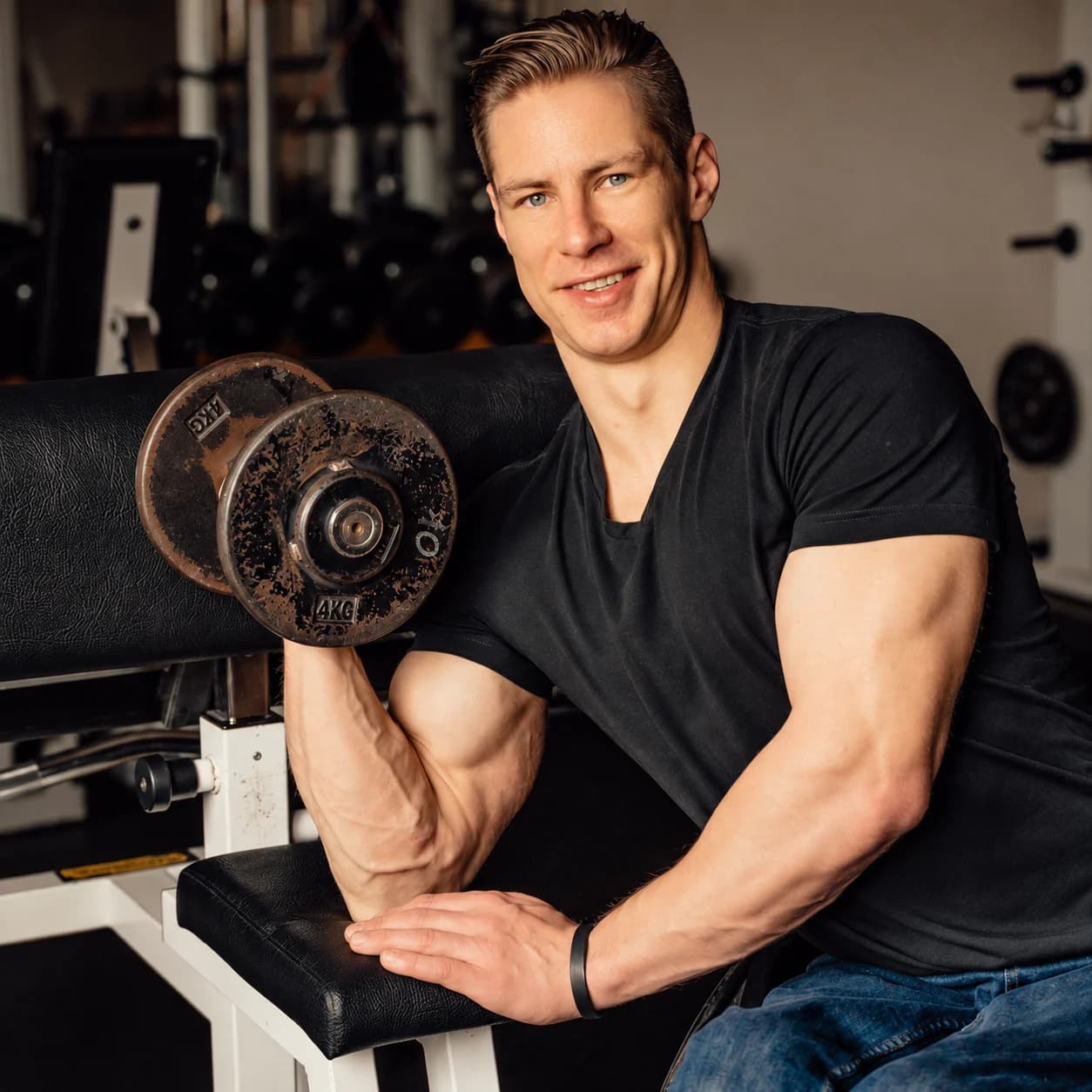
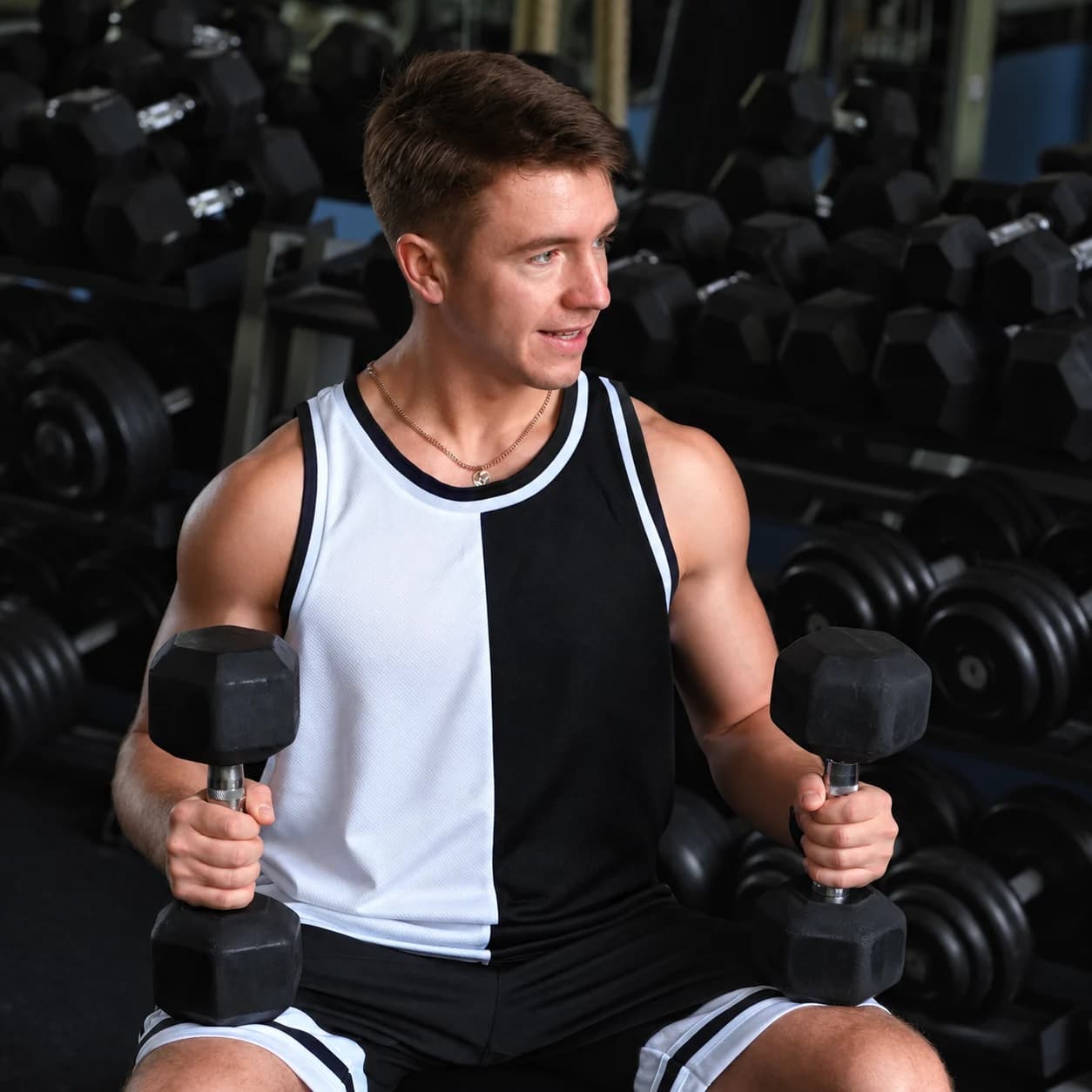
Build a manageable home arm workout with a curl and a suitable triceps exercise. Compare bands, dumbbells and cables, then use the printable cue and record sheet.
Compare bodyweight and free-weight training by progression, learning, space and equipment. Choose a manageable starting task, with fair evidence and clear product roles.
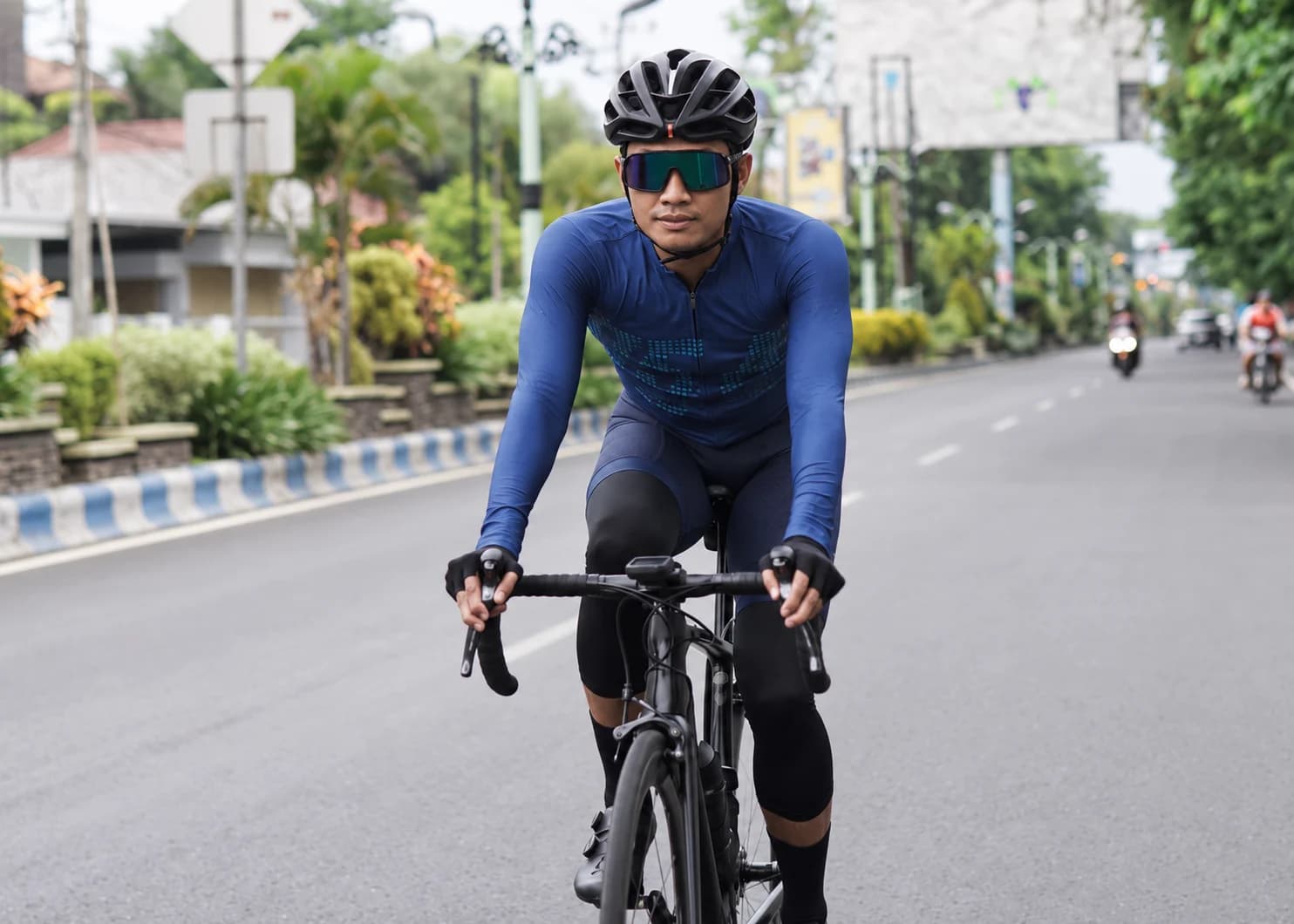
Choose useful off-bike strength patterns and fit them around key rides, recovery periods and unexpected group-ride effort, with clear equipment and workload choices.
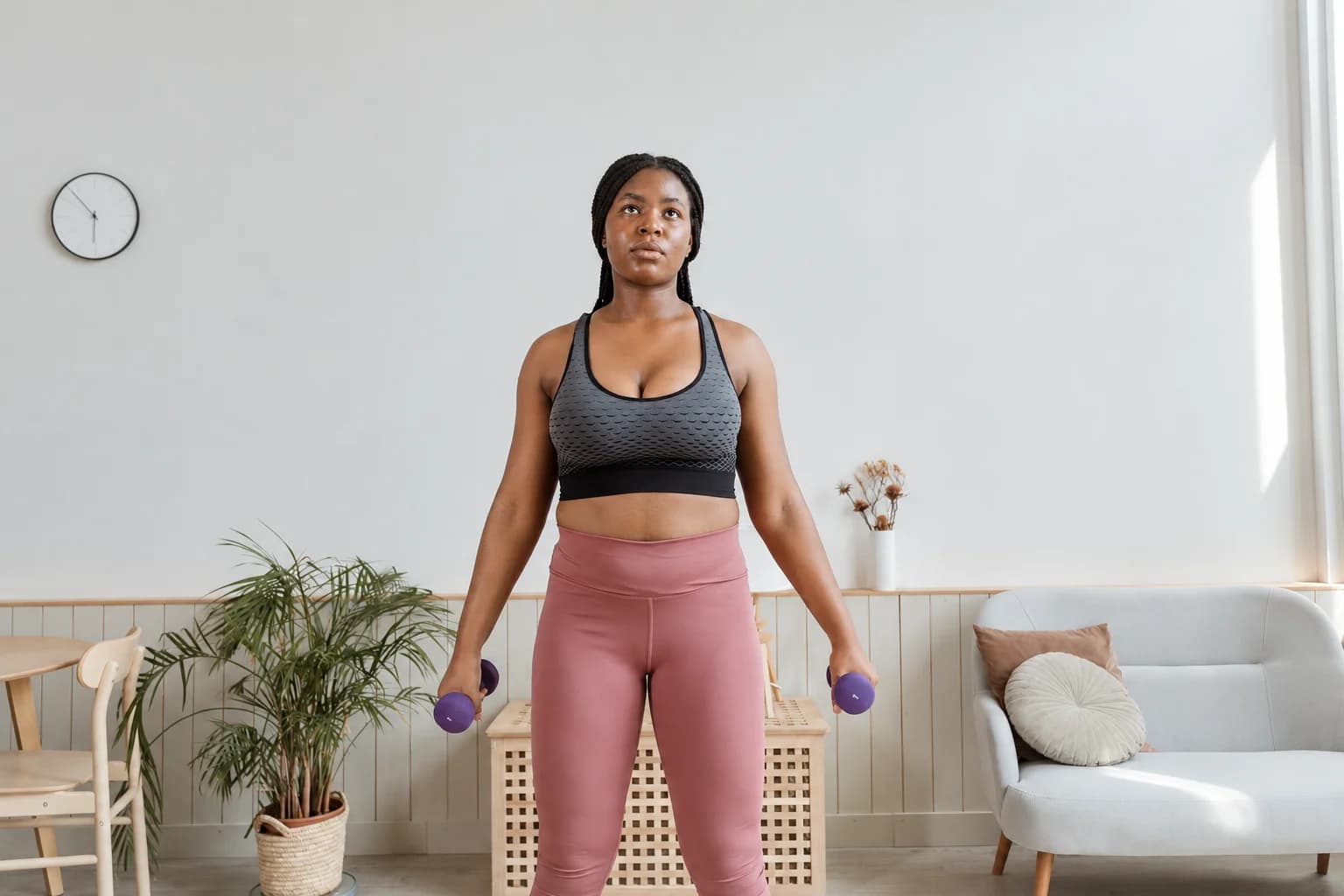
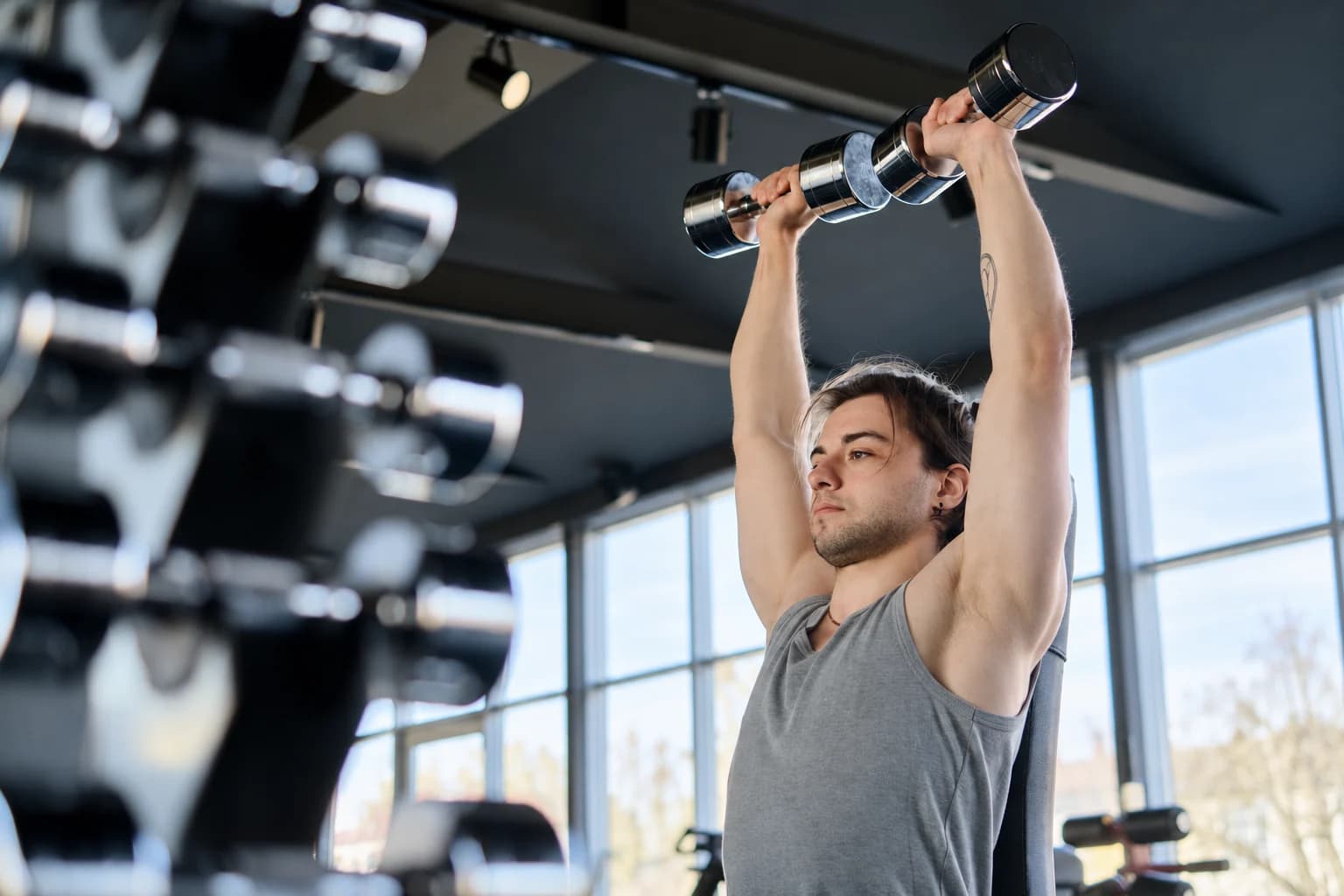
Choose home shoulder exercises by the movement: overhead pressing, lateral raising or a different pull. Compare band and hand-weight setups with clear control cues.
Match off-trail strength work to hiking's climbs and descents, then fit it around progressive walking practice, rest and the route you plan to complete.
Plan off-court strength and rotation-control work around court priorities. Separate resistance tasks, footwork and racket skill, with practical scheduling examples.
Define the timed interval and work counted before comparing workout density. Separate reps per minute from volume-load density, and keep recovery and movement quality visible.
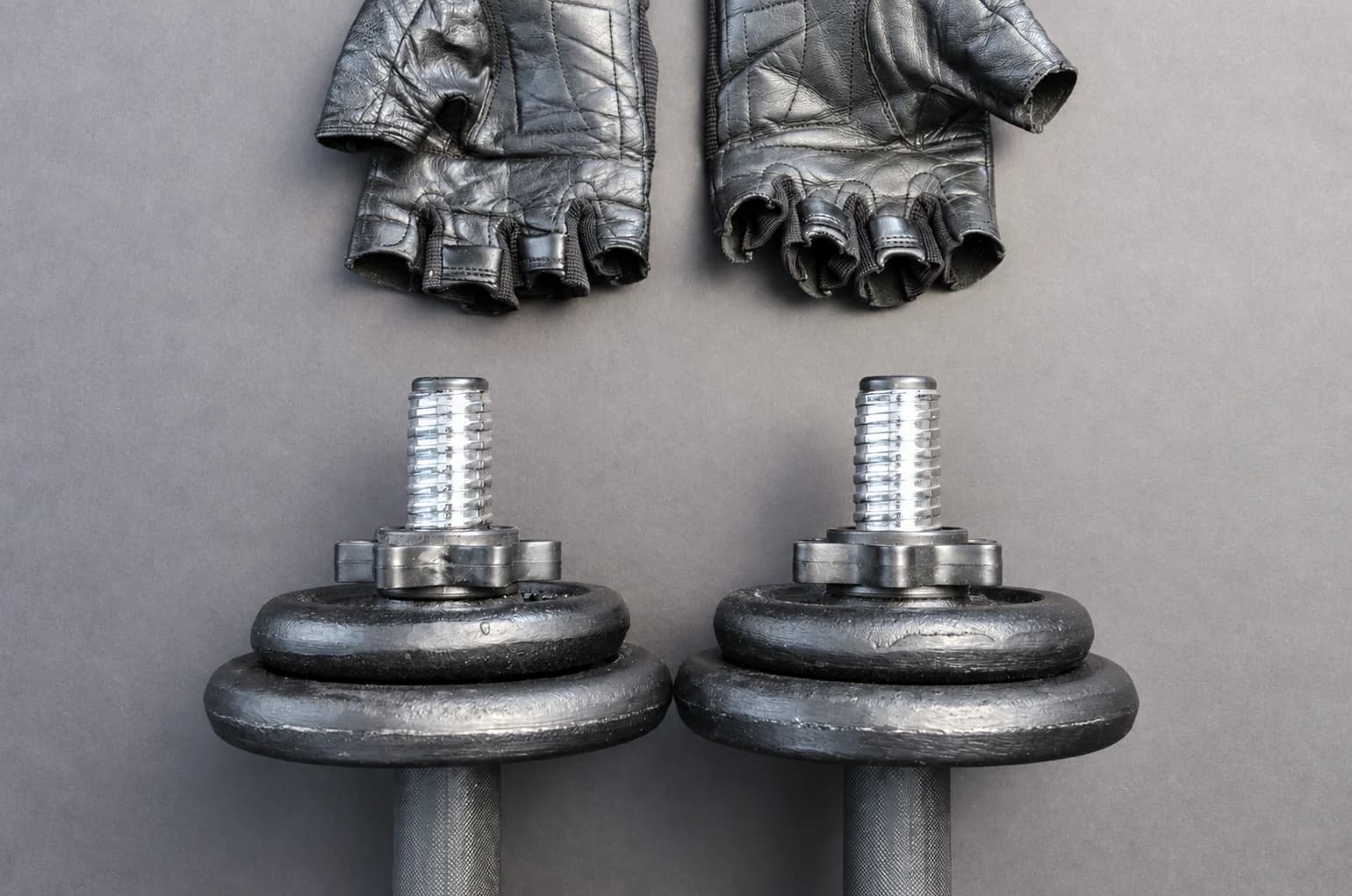
Choose lifting gloves by exact-model sizing, palm fit and contact preference. Compare bare hands, check seams and folds, and follow the pair's own care instructions.
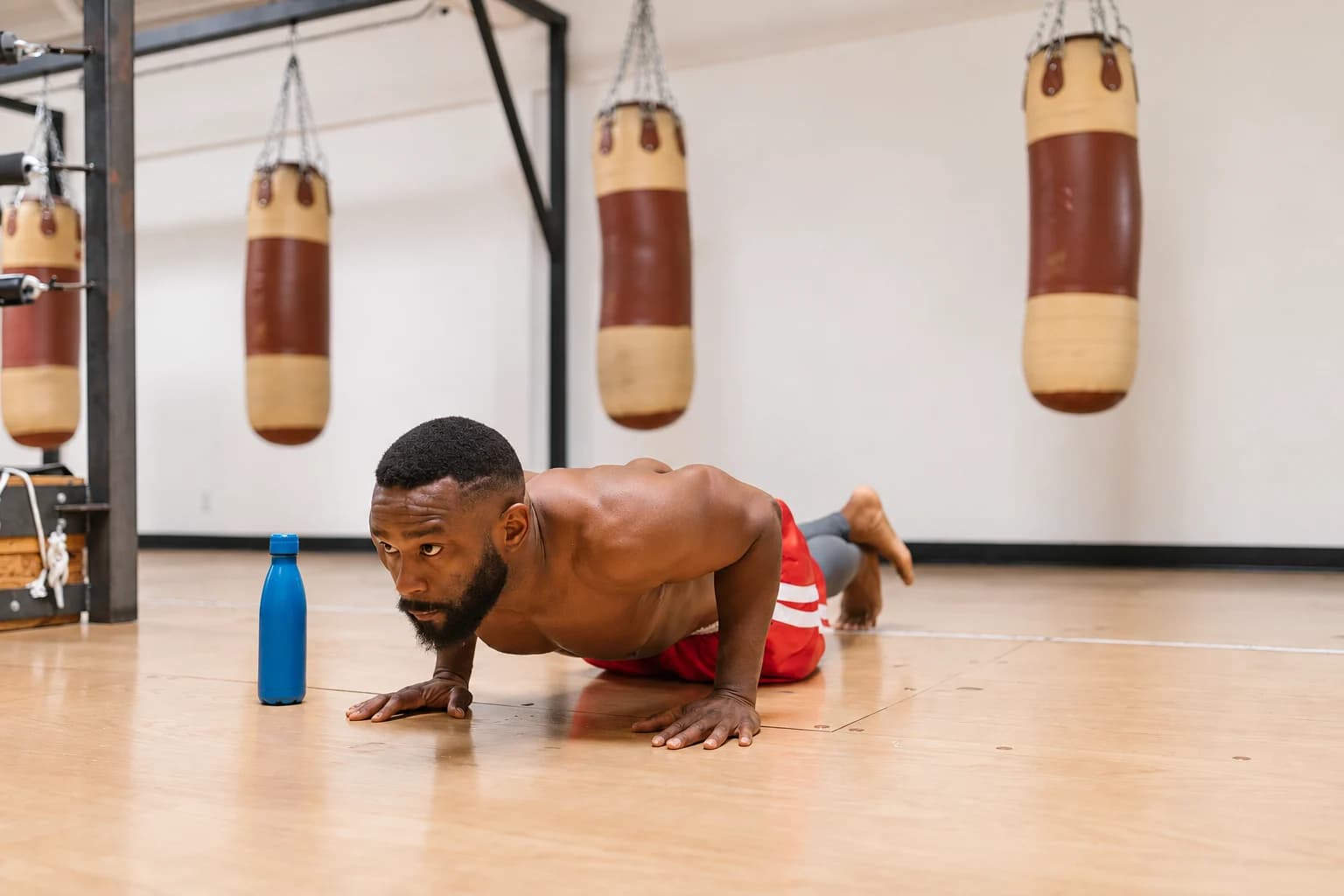
Start floor-level parallette practice with feet-assisted support, controlled plank work and a learned return. Choose manageable tasks before unsupported skills.