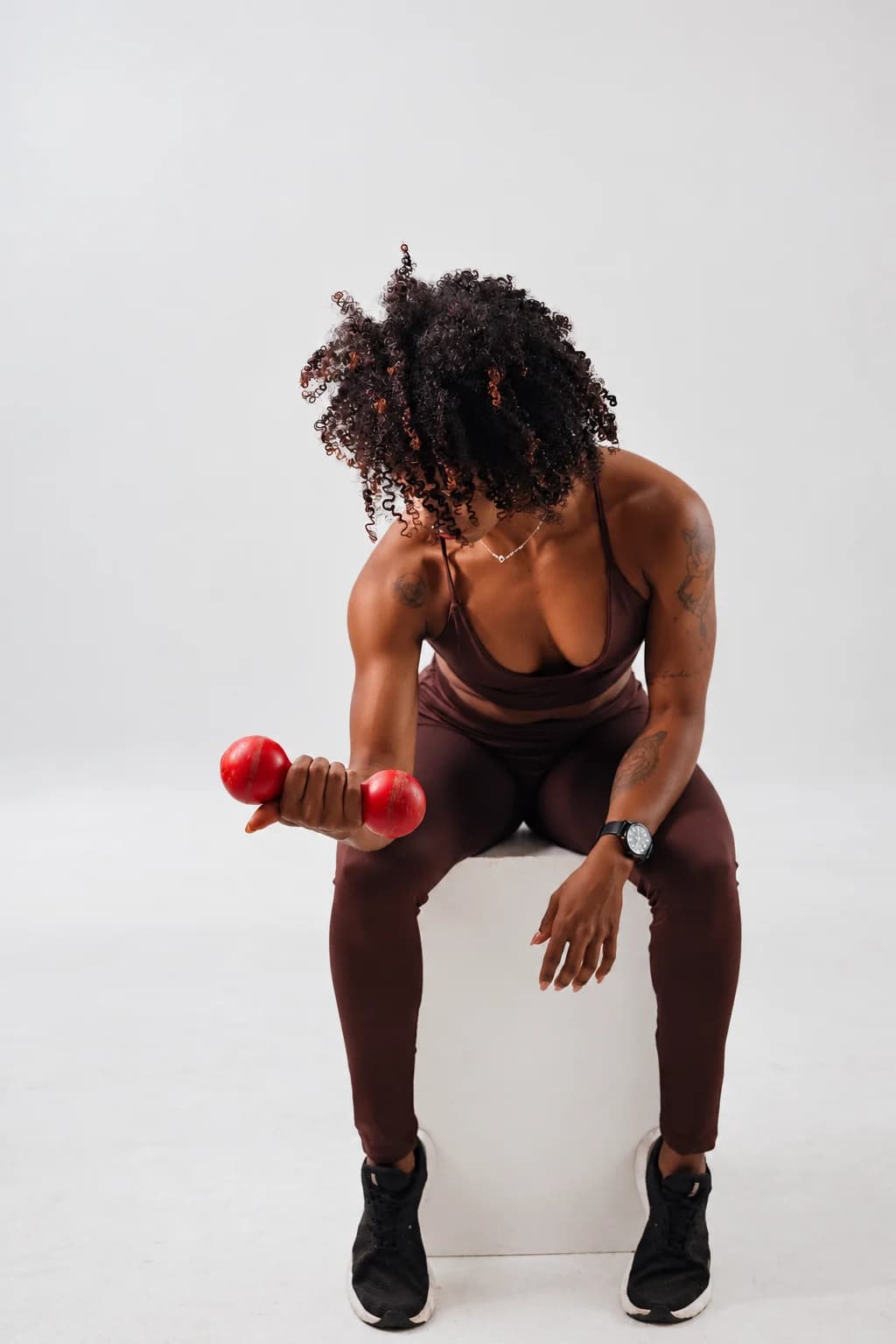
Rotational Strength for Racket Sports: Support Your Court Practice
Plan off-court strength and rotation-control work around court priorities. Separate resistance tasks, footwork and racket skill, with practical scheduling examples.
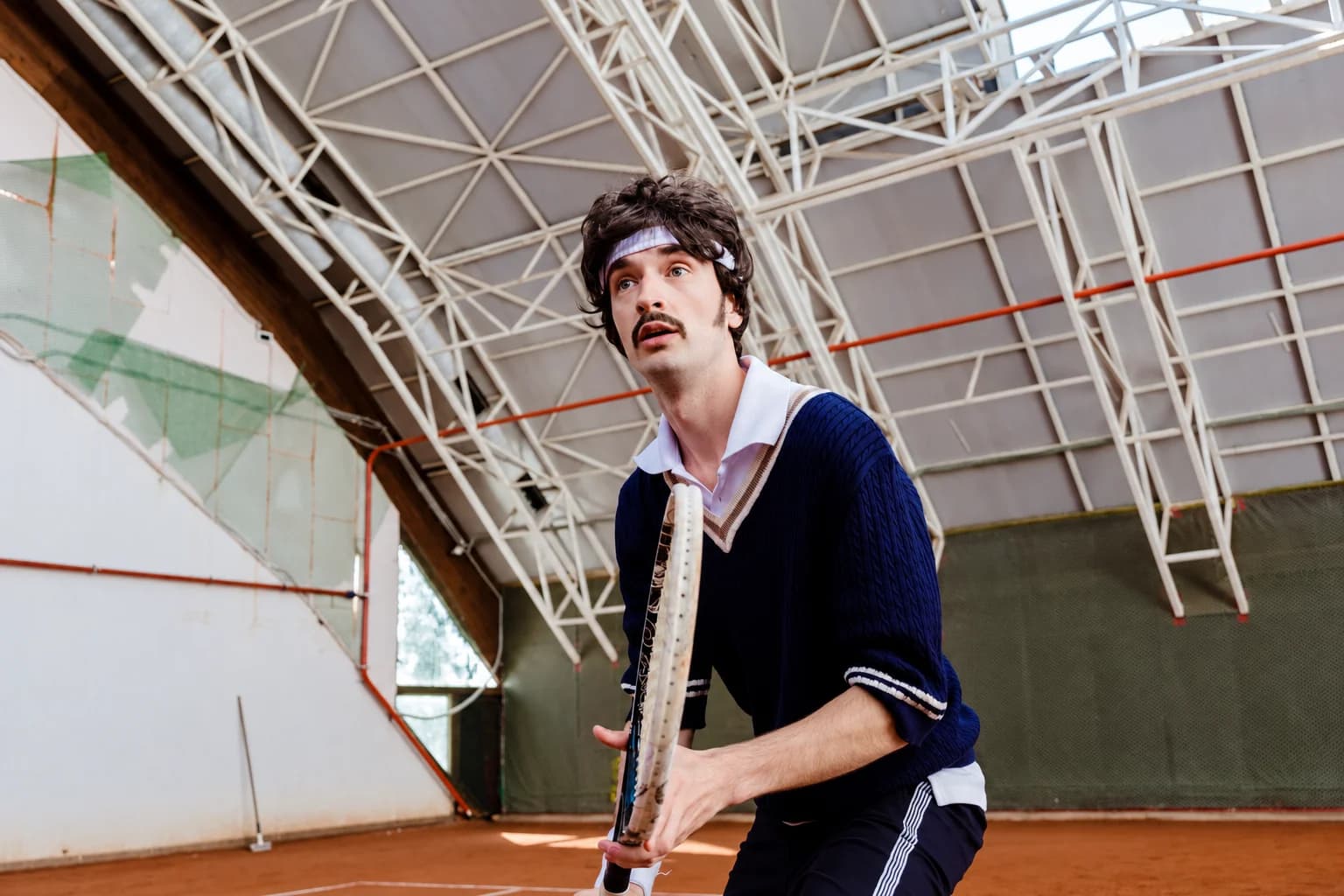
Rotational strength for racket sports belongs inside a plan that preserves the court practice you want to support. Start by naming the physical task, then decide where it fits around lessons, matches and recovery. Adding a resisted swing-shaped movement does not answer either question.
Tennis provides the planning examples here. Other racket sports have their own court demands and coaching priorities, so use the same questions with the relevant coach. This is a way to organise off-court work, rather than a complete tennis programme or a new swing lesson.
Tennis strength and conditioning has distinct jobs
| Practice job | What you are organising | What to observe |
|---|---|---|
| Strength or movement control | A learned resisted task, such as familiar general strength work or controlled rotation. | The chosen load, range, body position and deliberate return. |
| Footwork | Separately taught placements and movement through appropriate space. | Whether the route and actual foot contacts remain controlled. |
| Racket skill | Coached timing, racket path, ball contact and court decisions. | The sport task itself, with the racket and ball in its playing context. |
A familiar row or squat is general resistance work with its own technique and loading decisions. A taught rotation-control exercise addresses another physical task. A foot-placement route organises movement, while stroke practice keeps the actual racket skill available to learn and assess. Name the job before selecting equipment.
You can choose fewer tasks. If the main purpose of a session is learning a technical court skill, an expanding list of gym drills may compete with that purpose. Ask what the added work is meant to address and how you will know it still fits the court schedule.
Rotation training for sport needs a clear task
The ACE standing rotational chop is a cable exercise whose instructions coordinate lower-body weight transfer while the chest and abdomen move together, followed by a controlled reverse. That example shows why a resisted rotational task is more specific than moving the hands across the body.
Keep the purpose and technique of the resistance exercise clear. Deliberately turning under resistance and controlling an unwanted turn are different tasks. The resistance-band core guide explains existing control options; choose one you have learned with an appropriate setup instead of blending its still-trunk cues with a turning exercise.
Before adding a task, ask the coach to identify the goal, the intended movement or still position, a manageable load and the controlled return. Keep racket-path and contact coaching on court. Completing a gym movement, choosing a stronger band or moving faster does not demonstrate a better stroke.
Plan tennis strength training around court priorities
The USTA Training Block Recommendations for High Performance Tennis Players calls for close coordination between tennis and strength-and-conditioning coaches. Its strength section considers the combined workload, with on-court practice retaining priority in smaller tournament-season blocks.
That booklet addresses professional and high-performance junior players. Recreational players can use the coordination principle without copying its block lengths or intensive examples. Begin with the actual commitments on your calendar and identify which sessions need your best attention and movement quality.
The choices below are practical planning examples adapted from that principle. Review them against your own goals and workload with the coach; they do not impose a weekly dose or a fixed same-day order.
| Your court calendar | Priority | A practical off-court choice |
|---|---|---|
| An important technical lesson or practice day | Preserve the planned skill work. | Discuss where familiar strength/control work fits so it serves the day's purpose; review the order if combining sessions. |
| Congested matches or tournament play | Coordinate the actual competition and practice demands. | Review which familiar physical work to retain, reduce or postpone, accounting for the whole workload. |
| A quieter block with room for physical work | Develop a deliberate, coached emphasis. | Arrange instruction for a chosen strength/control task, keep court practice in the plan and observe the next court session before adding more. |
Copy a week before adding off-court work
| Day | Priority court lesson or match | Familiar strength/control task | Actual work and next court feedback |
|---|---|---|---|
| Monday | _____ | _____ | _____ |
| Tuesday | _____ | _____ | _____ |
| Wednesday | _____ | _____ | _____ |
| Thursday | _____ | _____ | _____ |
| Friday | _____ | _____ | _____ |
| Saturday | _____ | _____ | _____ |
| Sunday | _____ | _____ | _____ |
Make the off-court slot specific
For a strength-focused slot, use familiar exercises selected for the physical capacity you and the coach have identified. That could mean general lower-body or pulling work, or an appropriately taught rotation/control task. Establish its load and quality criteria without adding a new ballistic throw or maximal twist from this article.
For a footwork slot, state that the purpose is movement organisation. Use the route and space already taught, with room to finish under control. Planned steps through markers are a different task from responding to an opponent and a moving ball. Keep both kinds of practice identifiable instead of treating any quick feet as proof of better tennis.
For a court-skill slot, retain the racket practice needed to assess the skill. A coach can observe the actual timing, contact and choices. Ask for that feedback directly rather than use the difficulty of a resistance exercise as a substitute score for the stroke.
Use the next court session to review the plan
If off-court work interferes with deliberate court practice, discuss its placement, novelty, amount or purpose before adding another drill. You may need a different arrangement of the same familiar work, or less optional work during a busy period. There is no universal number of recovery hours or weekday rule supplied here.
- Write the priority court commitments first, including lessons and matches.
- Name the off-court purpose and the exercise or movement task already taught.
- Record whether the planned work and the next important court session stayed manageable.
- Review the combined workload and change one planning decision deliberately, rather than add difficulty automatically.
These observations help organise practice; they are not a validated readiness test or a promised serve-speed result. Stop for pain or unexpected loss of control and seek suitable individual guidance instead of using more rotation to work through it.
Two tools for separate off-court jobs
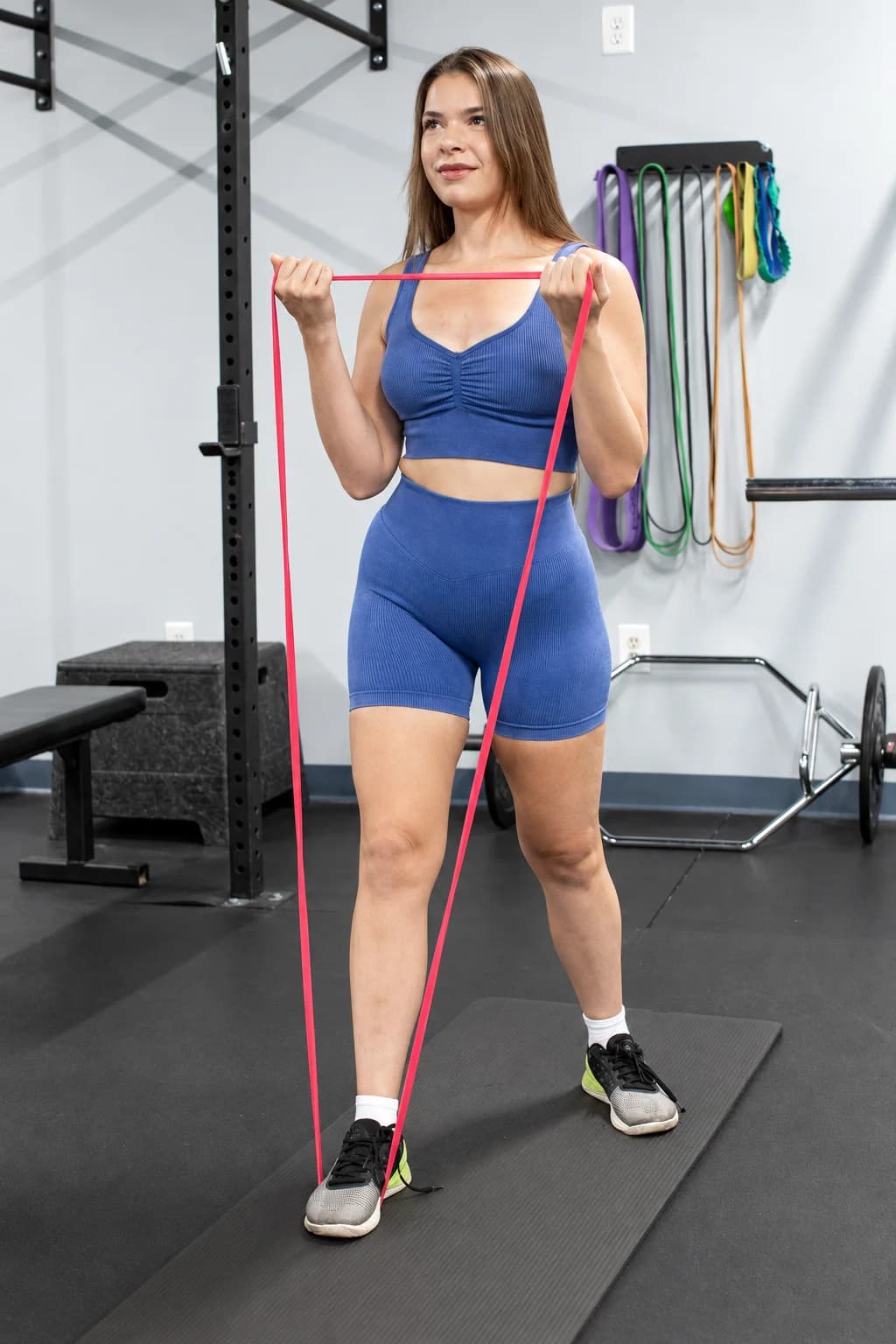
The PBGGAME five long-loop resistance bands supply five continuous loops. Use a suitable loop only for an already taught, permitted strength/control task. Confirm the model's setup requirements; the set does not supply an established anchor, and its labels are not calibrated dumbbell kilograms.
The PBGGAME three yellow hexagonal frames supply three frames with connecting clips. They can organise spaces for a separately taught foot-placement task when the layout and surface are appropriate. Confirm the actual opening, connection and use instructions. They supply no rotational resistance or racket instruction, and existing usable court space may already serve the practice.