Strength Training for Hikers: Prepare for Climbs and Descents
Match off-trail strength work to hiking's climbs and descents, then fit it around progressive walking practice, rest and the route you plan to complete.
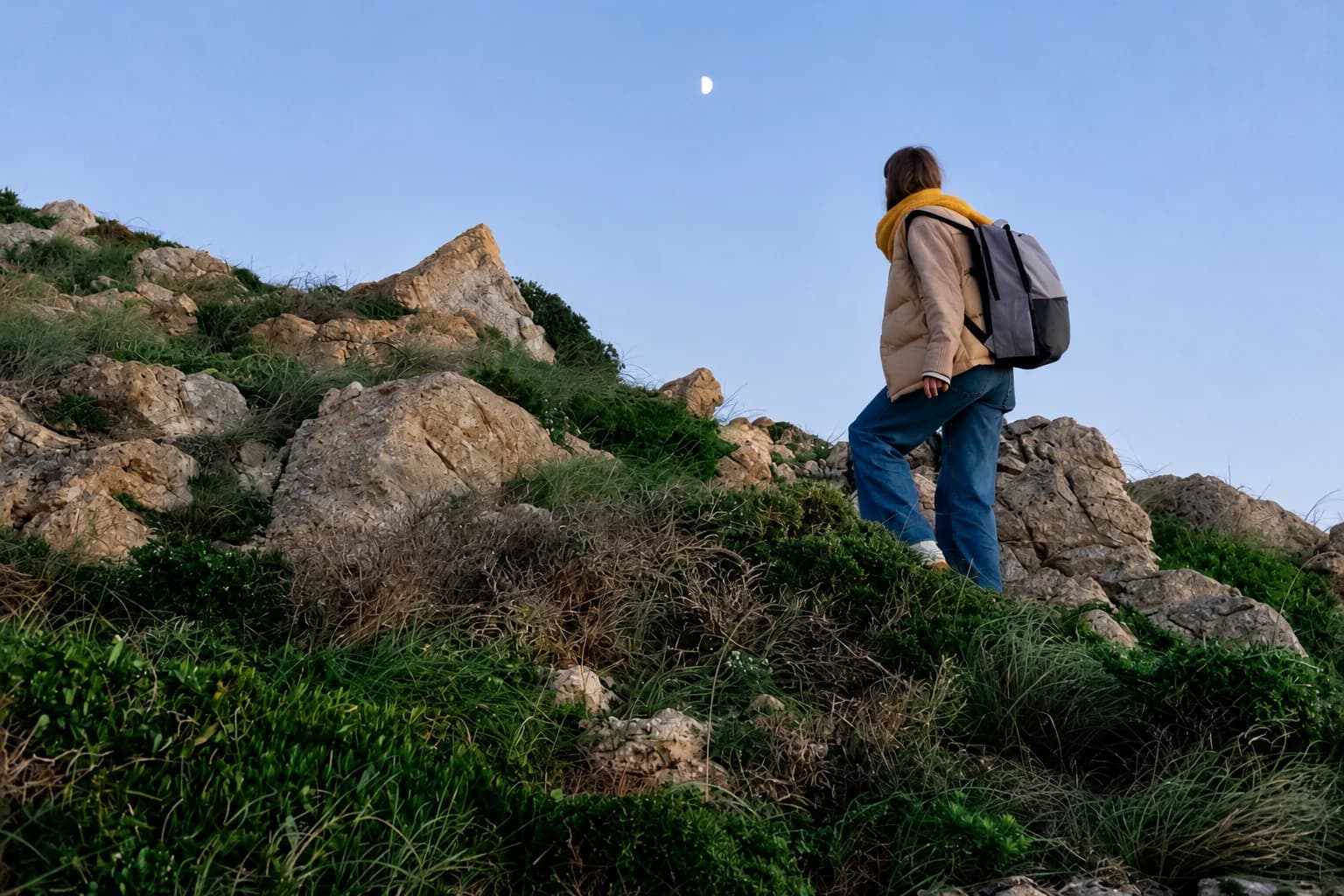
Strength training for hiking works best when it prepares you for the walking you actually plan to do. Repeated uphill steps, controlled downhill steps and hours on uneven ground ask different things of you. A useful plan makes room for those demands without letting a new gym session crowd out walking practice.
Start with the route: its distance, ascent, descent and surface, plus the pack you expect to carry. Then compare those demands with your recent walks. Choose off-trail strength work to complement that preparation, rather than use the difficulty of a workout as your only measure of readiness.
Match strength training for hiking to the route
| Route demand | Useful preparation priority | What to observe |
|---|---|---|
| Repeated climbing or steps | Familiar step-up and general leg-strength work, alongside uphill walking. | Whether each step stays deliberate instead of becoming a rushed push to finish. |
| Long or uneven descents | Controlled lowering practice and manageable downhill walking exposure. | Whether you can place the next foot deliberately as the walk continues. |
| More time on foot | Walks that build from your present duration and terrain. | How the whole outing and recovery compare with what you recently managed. |
| A different surface or carried pack | Gradual practice with the actual walking conditions and equipment. | Footing, effort and control, without adding every new demand together. |
The last column gives practical observations, not pass marks. A smooth set of step-ups is useful information about that exercise; it does not reproduce an entire trail. Likewise, completing a short local walk does not settle how a much longer descent will feel. Keep the exercise and walking observations identifiable.
Find the two REI movements separately
| Movement in the source | What to locate | Why keep them separate |
|---|---|---|
| Step Up Exercise | REI’s named step-up section | It addresses stepping onto the support |
| Heel Down Exercise | REI’s separate controlled-lowering section | It addresses the descent under control |
Choose strength tasks for climbing and lowering
The REI hiking-training guide separates Step Up work from Heel Down work. Step-ups address repeated upward movement and obstacles. The heel-down example emphasises slowly lowering, lightly touching the heel and returning, which gives descending preparation its own deliberate task.
Use a stable setup and a height you can control, adjusting the exercise rather than chasing a taller step. Learn the named movements from the guide before loading them or joining them into a workout. For the heel-down, the quality to notice is the controlled lowering and light contact, rather than how quickly you can collect repetitions.
A general lower-body exercise can have a separate role. A familiar squat, hinge or bridge lets you practise its own strength task without pretending every movement is a hiking step. The home leg and glute workout guide covers those movement families and loop-work choices. Select an option you already understand instead of learning several new exercises immediately before a demanding outing.
You can therefore keep the strength menu short: one familiar stepping task, one familiar general leg or hip task, and enough room to practise both with control. This is a planning example, not a required combination or repetition prescription. Bodyweight may be the appropriate starting choice; extra resistance is a separate decision.
Downhill hiking preparation needs time on the terrain
For downhill hiking exercises, distinguish off-trail lowering practice from walking downhill itself. The former gives you a repeatable place to attend to control. The latter includes changing footing, route choices and the accumulated effort of a real walk. Keep both visible in your plan.
The Washington Trails Association conditioning guide recommends starting from your current duration and intensity, moving beyond pavement where appropriate, and using hills or rolling terrain. Longer hikes can then work toward the intended trip's distance and elevation, with recovery included.
A practical application is to choose a manageable local route whose descent you can finish deliberately, rather than add the steepest hill available. When that outing is manageable, decide whether the next useful change is more time, more elevation or a different surface. Changing one prominent feature at a time makes the comparison easier; it is not a fixed progression rule.
Record the descent separately from the climb. For example, “comfortable uphill, slower and less deliberate on the final downhill” points to a different next decision from “steady throughout, but the outing was much shorter than the target.” Neither note requires inventing a maximum step height or a mandatory downhill distance.
Fit a hiking strength workout around your walks
Put the important walk on the calendar first. Then choose an off-trail slot that leaves the walking practice manageable. REI includes actual hikes, rest and easing training before the trip; its example calendar does not have to become your calendar. Your recent workload and the intended outing determine what needs arranging.
- Before an important longer or hillier walk: retain familiar work you can recover from; avoid making this the occasion for a new demanding leg session.
- In a quieter part of the week: practise the selected strength tasks with time for setup, controlled repetitions and rest. End the session while you can still perform the planned movements deliberately.
- After the important walk: review the route and your recovery before adding optional work. A rest day belongs in the plan when you need it.
- As the trip approaches: favour familiar, manageable preparation and the planned reduction in training over a last-minute test of a harder workout.
These are practice-planning choices, not a universal weekly schedule. If the next walk feels compromised after strength work, review the session's timing, novelty or amount. You may need less optional work or a different arrangement of the same tasks, rather than another exercise.
Make the next adjustment specific
Keep a brief record: the route and its main demands; which strength tasks you practised; whether climbing and descending remained deliberate; and how you recovered. Use the notes to choose the next change. A useful entry might read: “Same local hill, familiar pack, controlled descent; next outing can explore a little more time on similar ground.”
Avoid treating soreness, a stronger band or a faster exercise circuit as the hiking goal. The practical question is whether the preparation still supports the intended walking. If pain or an unexpected loss of control appears, stop and reassess the task instead of using a harder session to push through it.
Mini loops are an optional off-trail tool
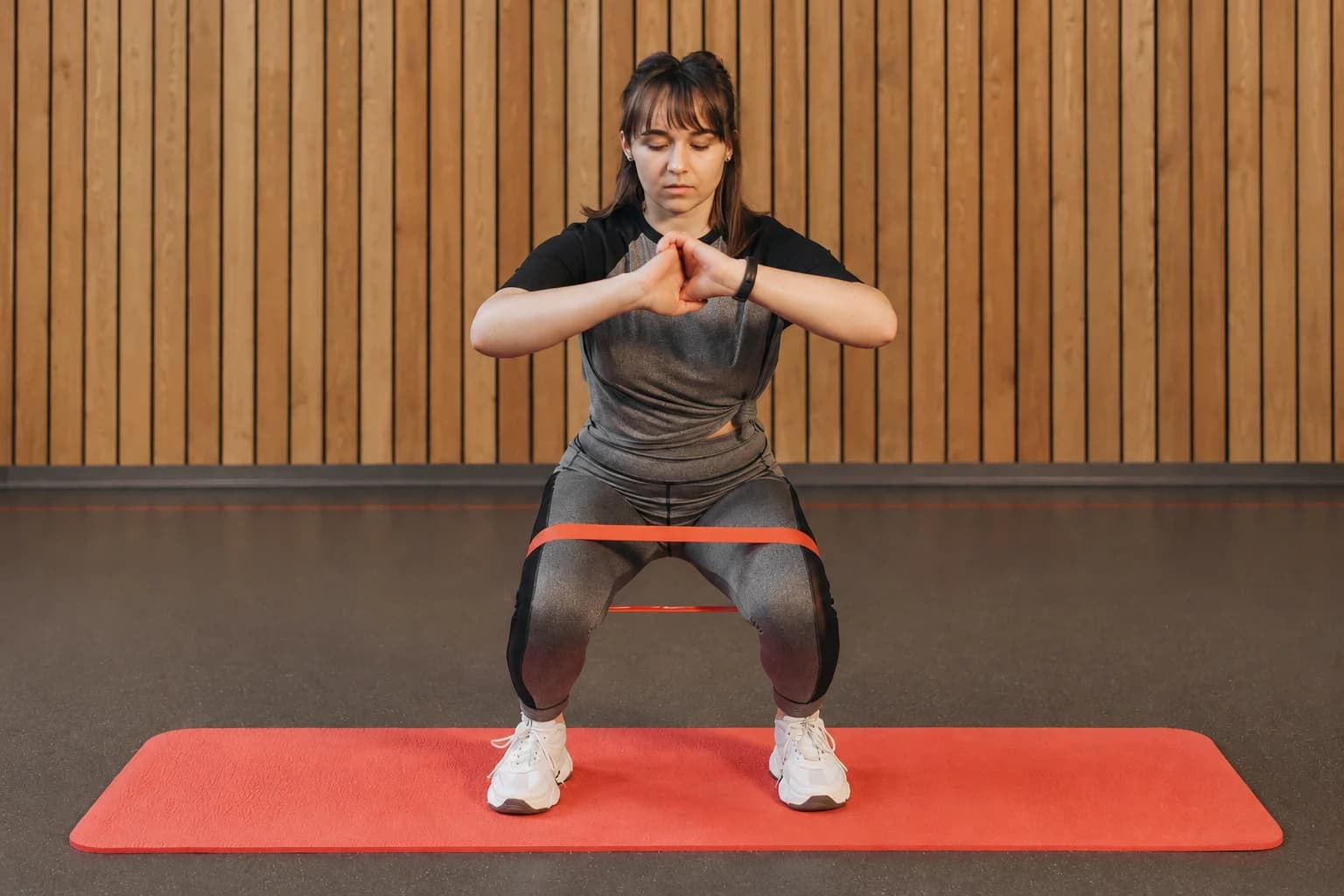
The PBGGAME five mini-loop resistance bands come with a carry bag and printed exercise guide. Use a short loop only for an already learned, appropriate hip-strength exercise. Choose the loop and placement for that task using the model's instructions and the linked leg guide. The set is optional; it is not required for the stepping examples.
Keep the jobs separate: neither hiking source adds a mini loop to its step-up or heel-down instructions. A loop does not replace a stable step, a manageable walking route or time on your feet. Use equipment when it serves a clear exercise you intend to keep practising.