Lifting Gloves: Fit, Friction and When Bare Hands Work Better
Choose lifting gloves by exact-model sizing, palm fit and contact preference. Compare bare hands, check seams and folds, and follow the pair's own care instructions.
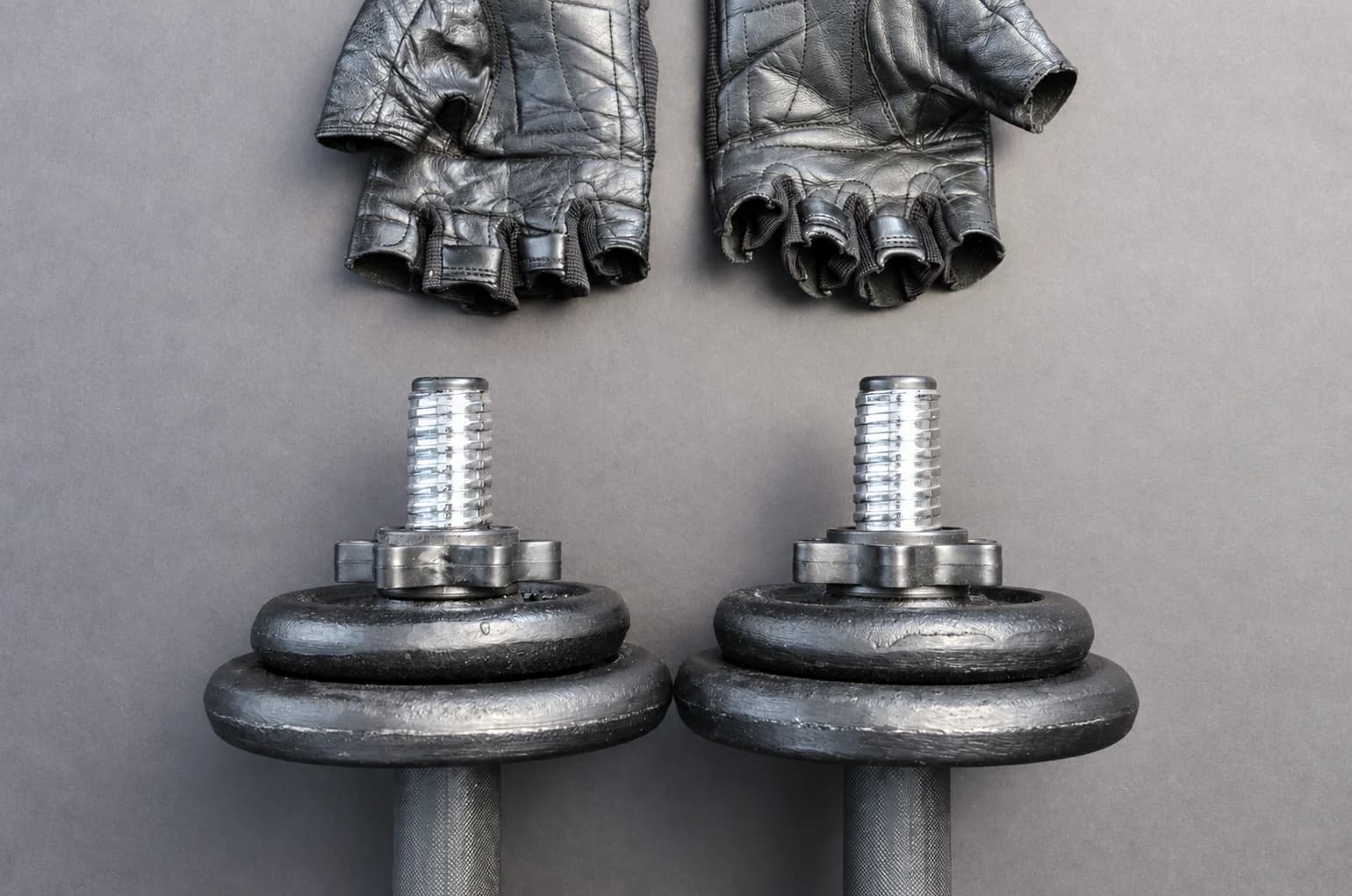
Deciding whether to wear lifting gloves starts with the contact you want, not a rule that every lifter needs them. A well-chosen pair may suit your preference for a covering between the palm and equipment. Bare hands can remain the simpler choice when the glove adds unwanted folds, bulk or less useful feedback.
Fit and the intended task come first. A glove is a hand covering; a lifting strap, palm-mounted grip and wrist wrap have different jobs. A closure around the wrist does not automatically turn a glove into tested wrist support or make a larger training load appropriate.
Start lifting-glove sizing with the exact model
Find the measurement diagram and size chart for the glove you are considering. Check what is measured, where the tape goes and which units the chart uses. Hand circumference, palm width, hand length and wrist circumference are different measurements; one cannot stand in for another because both are labelled in centimetres.
For example, Harbinger's glove size chart measures the circumference of a flat hand just below the knuckles, excluding the thumb. Its own guidance describes a snug fit and recommends the larger option between its sizes. That is Harbinger's rule, not a conversion for every glove.
The maker's men's and women's tables also differ. Read the chart attached to the actual model rather than assume that an M in another product gives the same fit. If the exact diagram or between-size advice is missing, obtain it from the maker instead of inventing a range from a product photograph.
Check the fit of lifting gloves before adding a load
A chart helps choose a size to try; it does not tell you where every seam or pad will sit when the hand closes. Use these practical try-on checks without a training load. They are shopping observations, not a measured friction test or a validated lifting protocol.
- Put the glove on and use its actual closure as instructed. Open and close the hand normally before tightening anything further.
- Notice the finger openings, thumb area, seams and palm material. Look for pinching, pressure, folds or shifting as the fingers close.
- Check that the closure works without forcing the glove into place and that finger movement remains manageable.
- If the fit is uncomfortable, reassess the size or model. Do not rely on painfully tight material stretching into a suitable fit.
Only after the unloaded fit feels manageable should you compare contact in a familiar, already taught modest task. No particular weight is required. Stop for pain, tingling or numbness and obtain appropriate help for persistent symptoms; those sensations are not proof that a glove needs breaking in.
Lifting gloves or bare hands: compare the contact
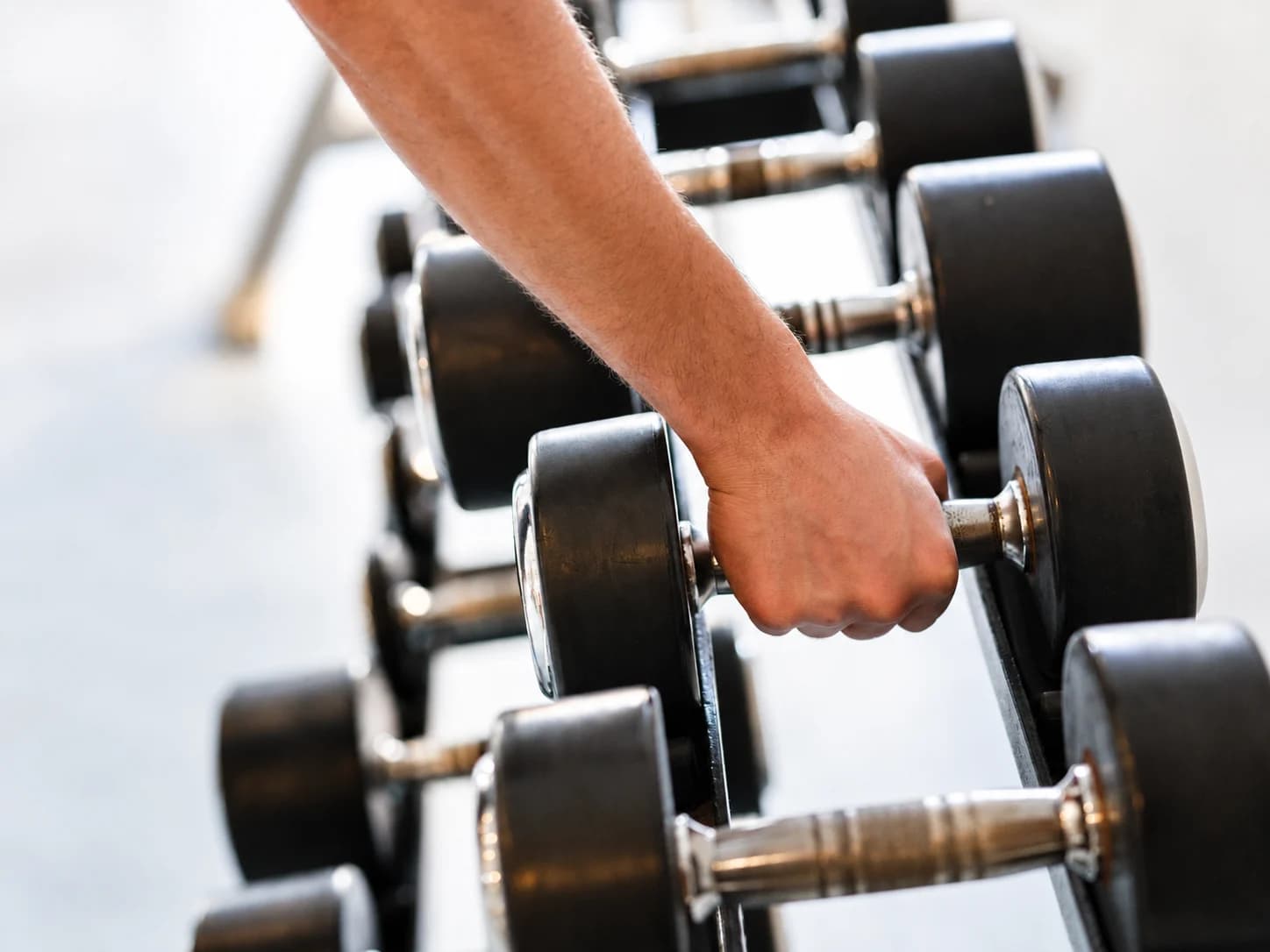
A glove adds two contact interfaces: hand against glove, and glove against equipment. Visible texture on the outside does not tell you whether the hand will shift inside, or whether a seam will fold under the fingers. More padding is also more material to enclose around the handle; that may change the feel you prefer.
Bare hands remove that extra layer. They may work better for your particular task if you prefer direct handle feedback and can maintain controlled contact without the glove's bulk or folds. That is an individual comparison, not a finding that bare hands always create more friction, build more strength or prevent a skin problem.
Keep the comparison familiar. Use the same intended handle and a task you already understand, with ordinary equipment-care and setup checks completed. Notice whether the material stays where you expect as the hand closes and whether you can release deliberately through the learned task. A stronger squeeze or heavier attempt is not a useful way to prove a poor fit works.
If a glove bunches or shifts, pause and reassess the model, size or need for a covering. If bare-hand contact already meets your preference, there is no requirement to add equipment. Conversely, choosing a manageable glove for its feel or coverage does not need to be justified by a promised performance gain.
Workout-glove pros and cons in practice
| Choice | Possible reason to choose it | What to check |
|---|---|---|
| A lifting glove | You prefer a covering and its particular contact feel. | Fit, palm folds, seams, closure and the care needed for that model. |
| Bare hands | You prefer direct contact without added material. | Whether the familiar task remains manageable and controlled. |
| A different glove model | The current pair's shape or padding does not suit the contact. | Its own chart and construction, rather than another brand's size letter. |
Judge the choice within the contact you actually use. Keep the familiar exercise and load unchanged while deciding how a covering fits; changing several details at once makes the comparison harder to interpret.
Use the lifting glove's own care instructions
GoFit's Women's Premium Leather Elite Trainer Gloves provide a useful model-specific example: its instructions call for hand washing with mild soap and warm water, then air drying. That leather model's method is not automatically a recipe for another glove's materials, coatings, seams or adhesives.
Read your exact pair's care label before washing or applying a cleaner. Follow its drying instructions too; a material name alone does not establish permission for a washing machine, heat or a particular cleaning product. Keep the label or manufacturer instructions available rather than guess later from the glove's appearance.
GoFit also calls for inspection before use and discontinuing use when its gloves are damaged or worn. Check the condition of your own pair according to its instructions. A glove still feeling textured does not resolve a tear, damaged seam or closure that no longer works as intended.
Choose hand coverage or a separate palm grip
For hand coverage, the PBGGAME blue short-finger workout-glove pair supplies an actual left/right pair; the linked option is Large / JS-BLUE. Check that model's own measurement chart and care instructions before choosing it. Harbinger's chart and GoFit's leather-glove washing example above do not size or maintain this pair.
Ask for the blue glove’s own chart
| Large / JS-BLUE — PBG-320275 | Verified chart information available here | Question before choosing |
|---|---|---|
| Measurement location | No exact-model measurement diagram verified | Is the chart based on circumference, width or length, and where exactly? |
| Units and size range | No manufacturer range verified for this SKU | What units and inclusive boundaries apply to Large? |
| Between sizes | No exact-model rule verified | Which size or different model does the maker advise? |
| Care | GoFit’s leather example is a different construction | What cleaning and drying instructions apply to this pair? |
Use contact to request the diagram and current size chart for PBG-320275. Keep Harbinger’s measurement and between-size rule attached to Harbinger; a photograph or a Large label cannot fill in this model’s missing data.
If you are actually seeking a palm-contact aid, rather than a hand covering, the lifting accessories guide explains that separate choice. The PBGGAME contoured rubber lifting grips supply left/right palm-contact grips with padded wrist cuffs and a bag. They are not gloves.
Consider that format only when it matches the task you intend to learn. Its own fit and use requirements apply; the glove chart and care example above do not size or maintain those grips.