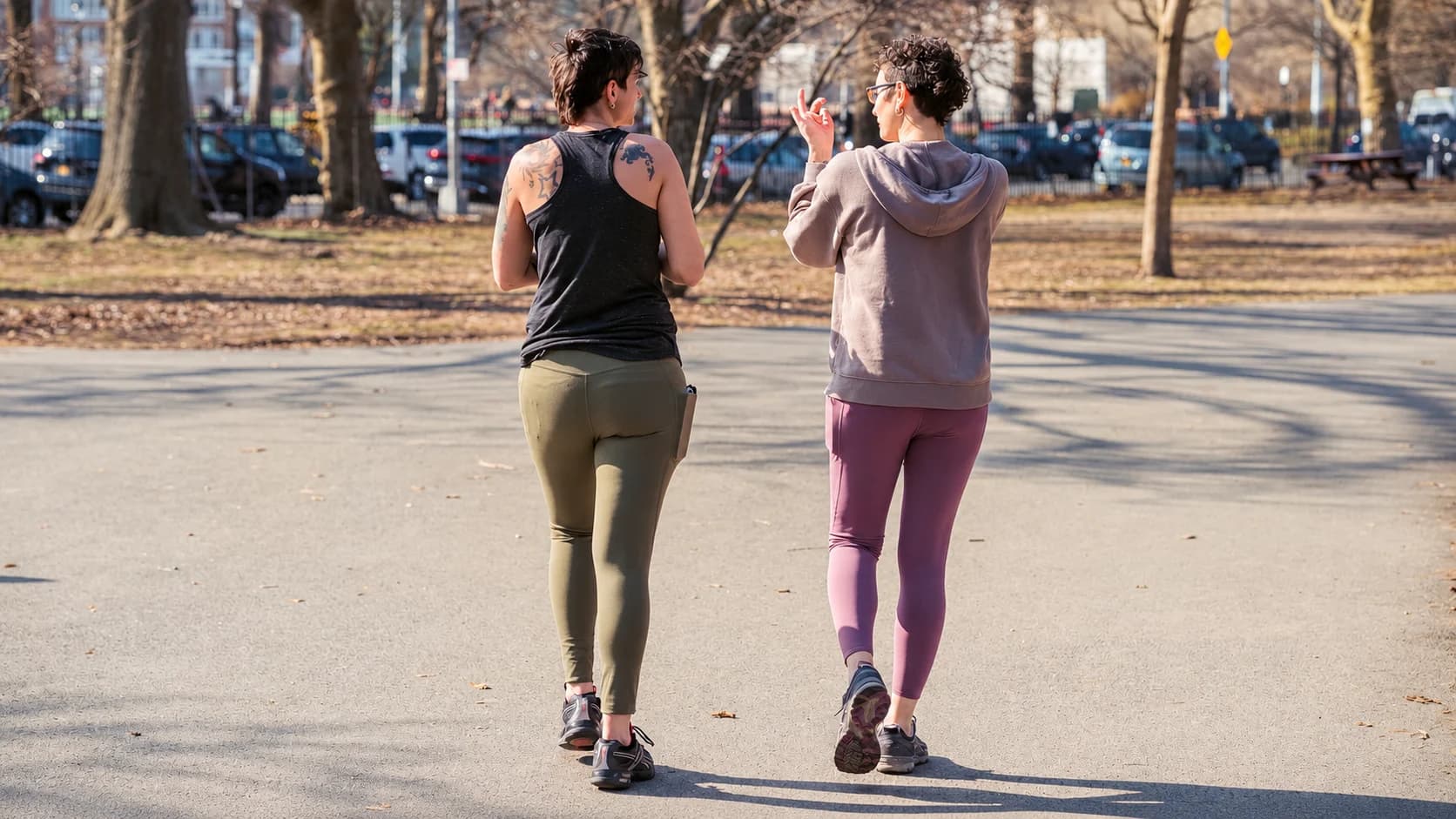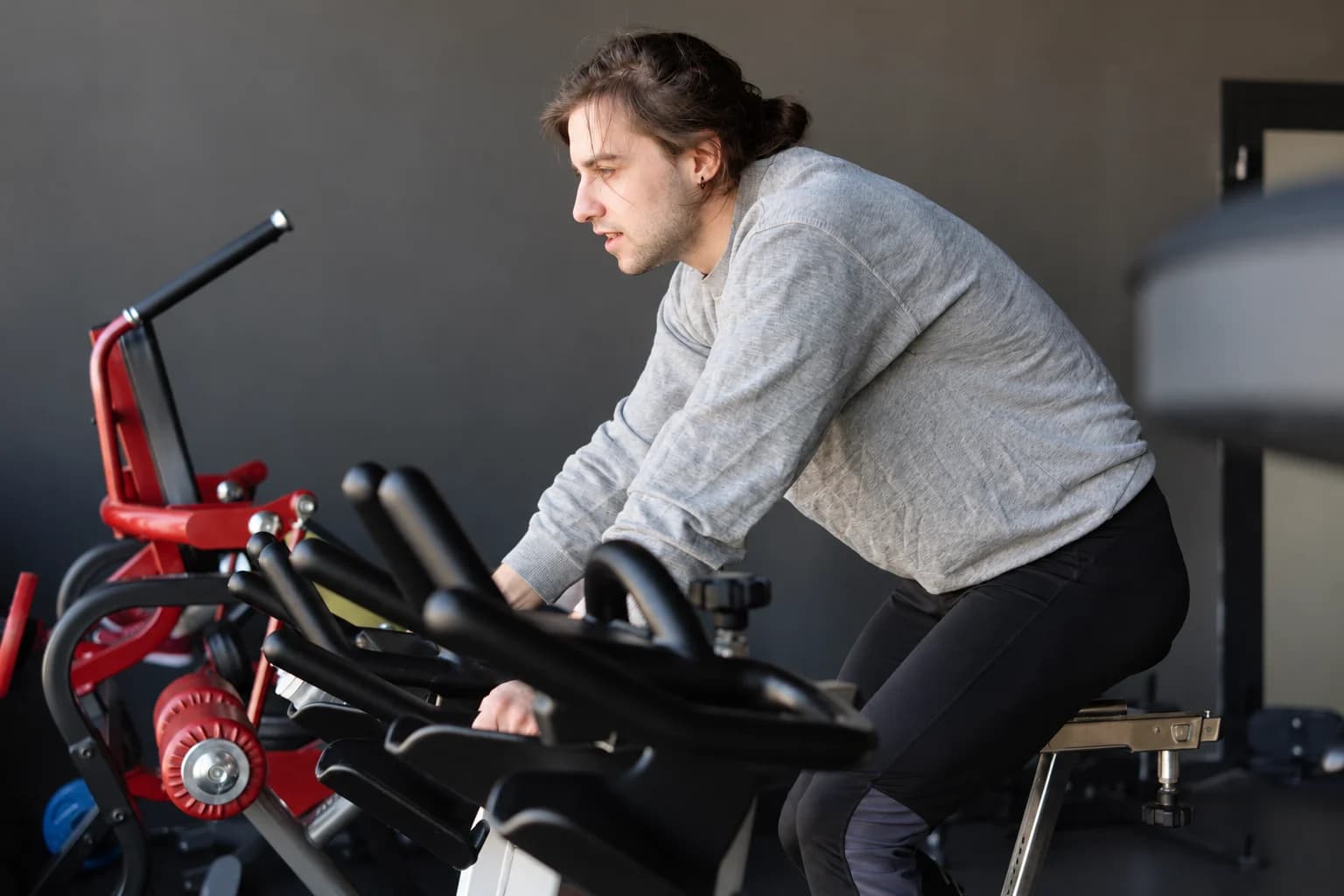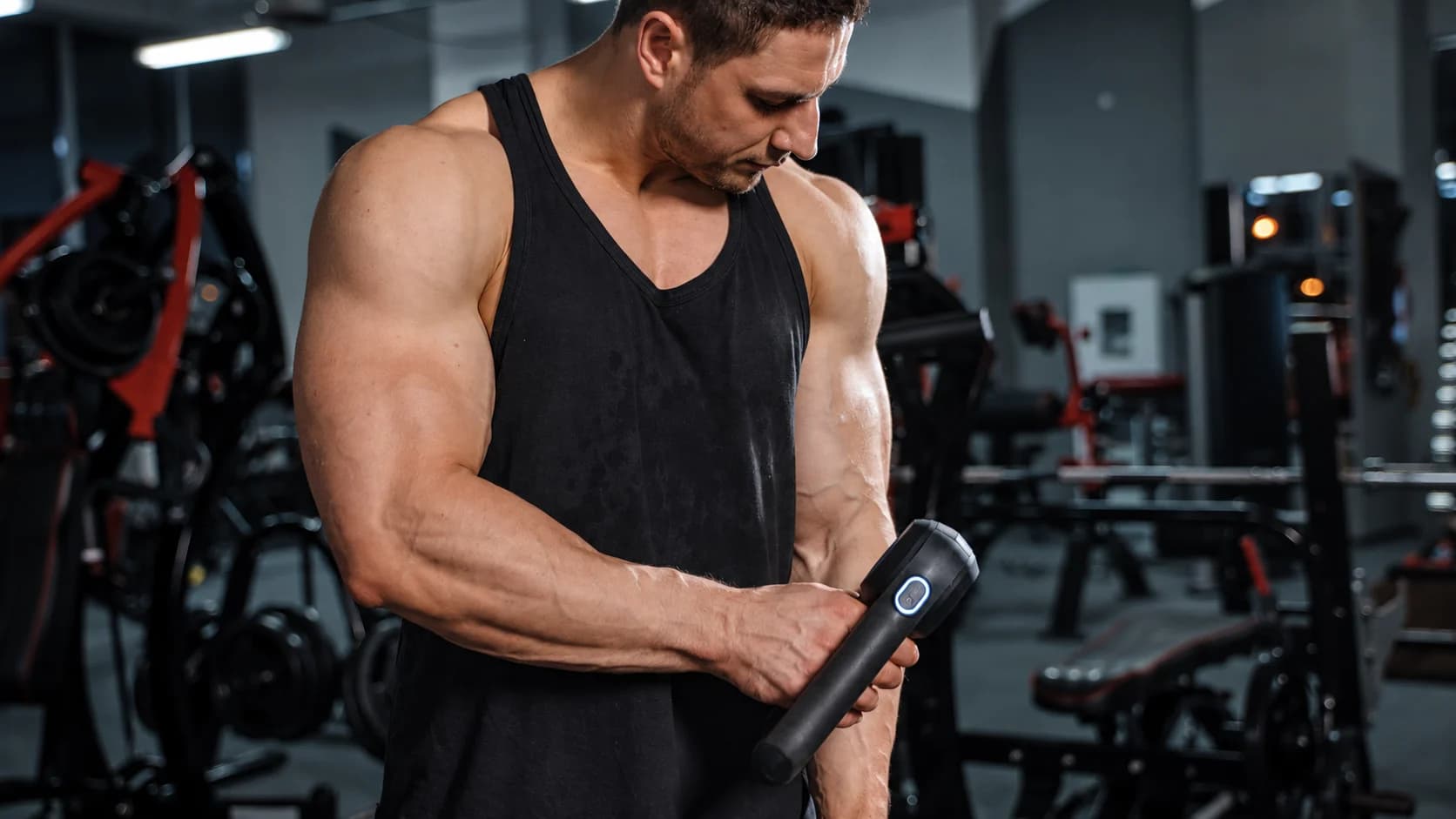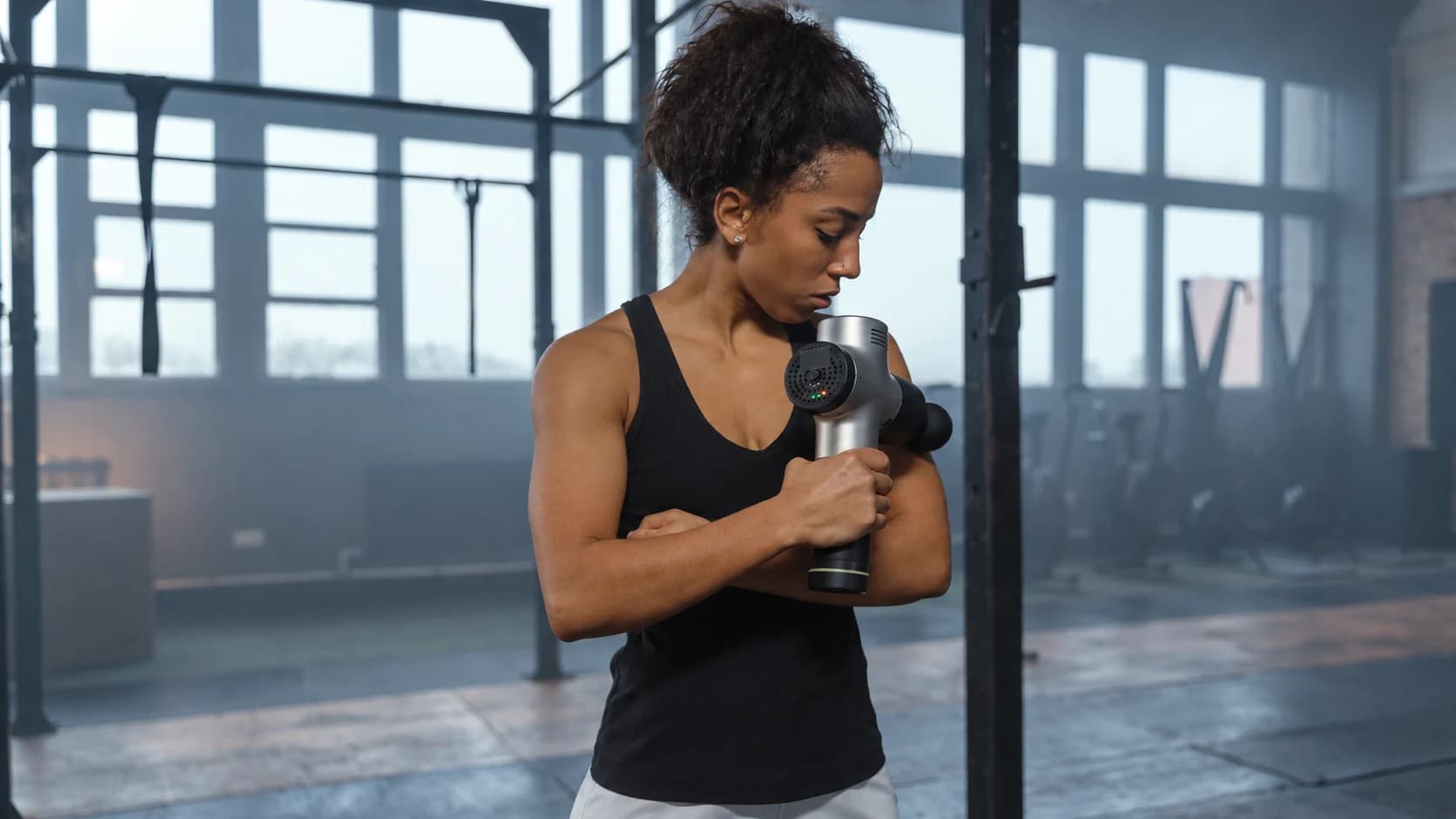
Soreness After a New Workout: Expectations, Uncertainty and Red Flags
Understand the usual description of delayed soreness, the limits of judging symptoms by timing, and the signs that call for medical advice or immediate care.
Read the storyMake room for movement.
Equipment guides, useful skills and everyday training.
Stories are ordered by first publication. Each guide shows its publication and revision dates.
85–96 of 188 stories
All topics / Newest firstUnderstand the usual description of delayed soreness, the limits of judging symptoms by timing, and the signs that call for medical advice or immediate care.
Read the storyBuild repeatable home activity with rope, walking, cycling and strength work. Understand calorie estimates, active time and the limits of belly-fat promises.
Read the storyChoose easier activity or a day without planned training by looking at your actual week. Keep the effort, purpose and equipment role clear.
Read the storyCompare jump rope, a stationary bike and outdoor cycling by skill, setup, routes and actual effort. Choose a session that fits your space and training goal.
Read the storyUnderstand why rope minutes cannot be converted into 10,000 steps. Keep steps, jumps, active time and moderate-equivalent minutes clear with simple logging examples.
Read the storyCompare rope and running by skill, space, travel, intensity and training goals. Learn why step counts and catchy time ratios do not provide a universal conversion.
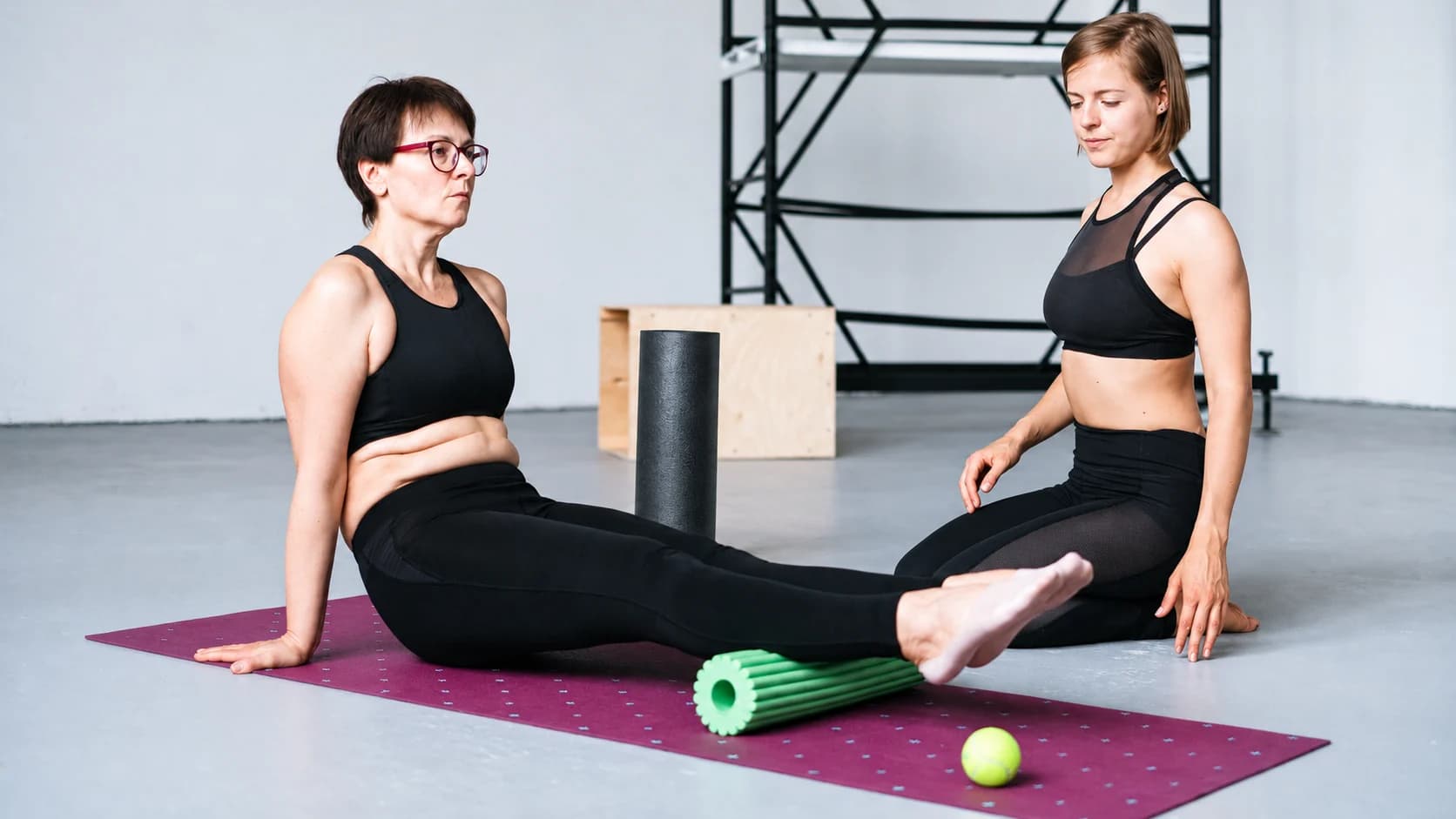
Read the storyCheck the controls for your massage gun, understand settings versus hand pressure, and recognise the stopping signals described by professional sources.
Read the storyCompare two actual massage-gun and foam-roller options by handling, current listed price and research limits, without turning separate studies into a winner.
Read the storyChoose foam-rolling timing by the question: immediate range or performance, post-exercise soreness or measured recovery. Keep short-term effects distinct from lasting change.
Read the storyDistinguish active, passive and active-assisted motion by the target joint’s contribution. Interpret a held example, external help and tool roles without a new routine.
Read the storyUse a clear range-and-control coaching model to compare mobility and flexibility, then choose a movement goal and equipment role without a new routine.
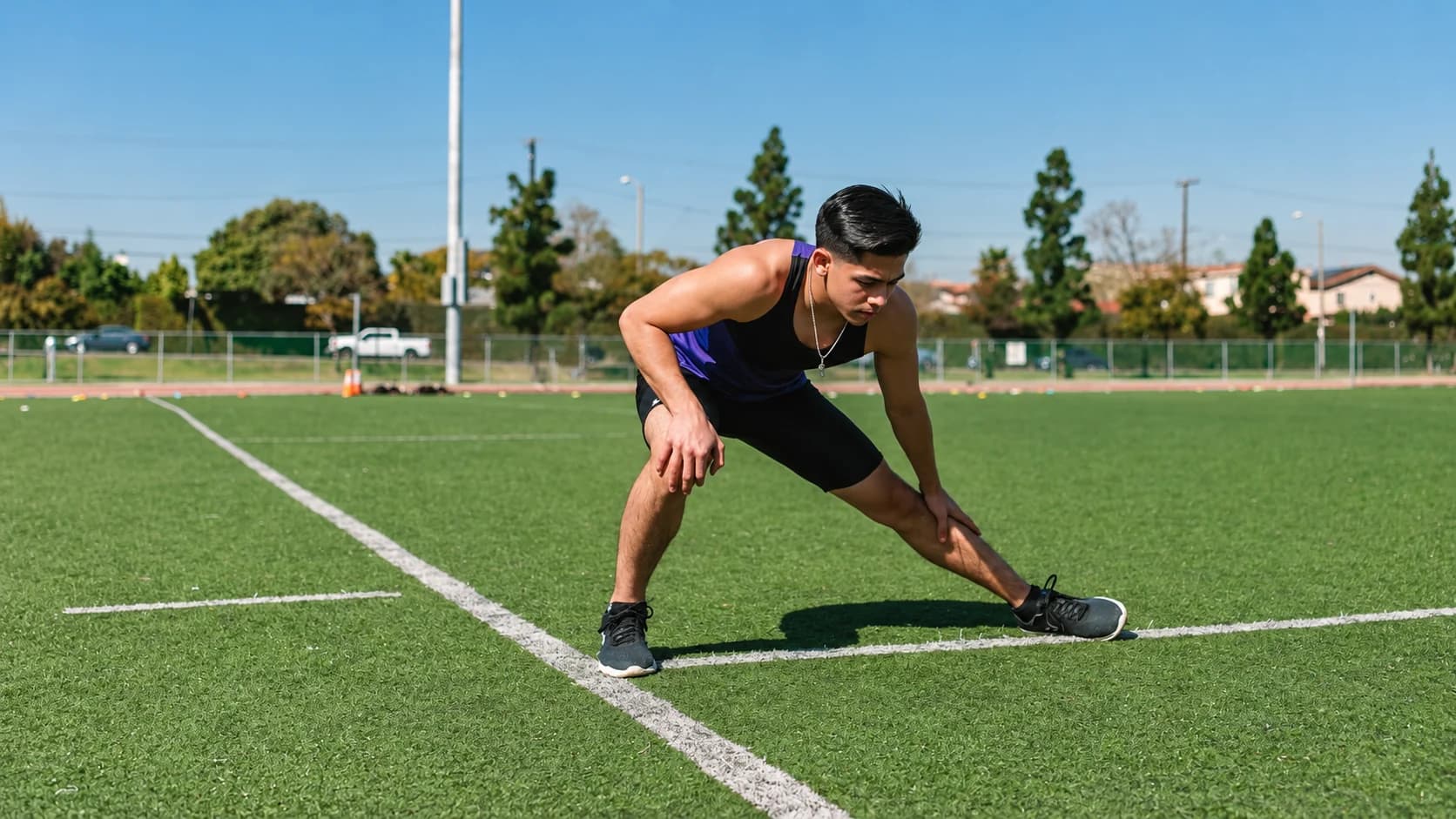
Read the storyCompare moving and held stretching, separate method from assistance, and interpret timing findings by the next task and the research conditions.
Read the storyFind what moves you.
Explore the collection