Using a Massage Gun: Settings, Pressure and When to Stop
Check the controls for your massage gun, understand settings versus hand pressure, and recognise the stopping signals described by professional sources.
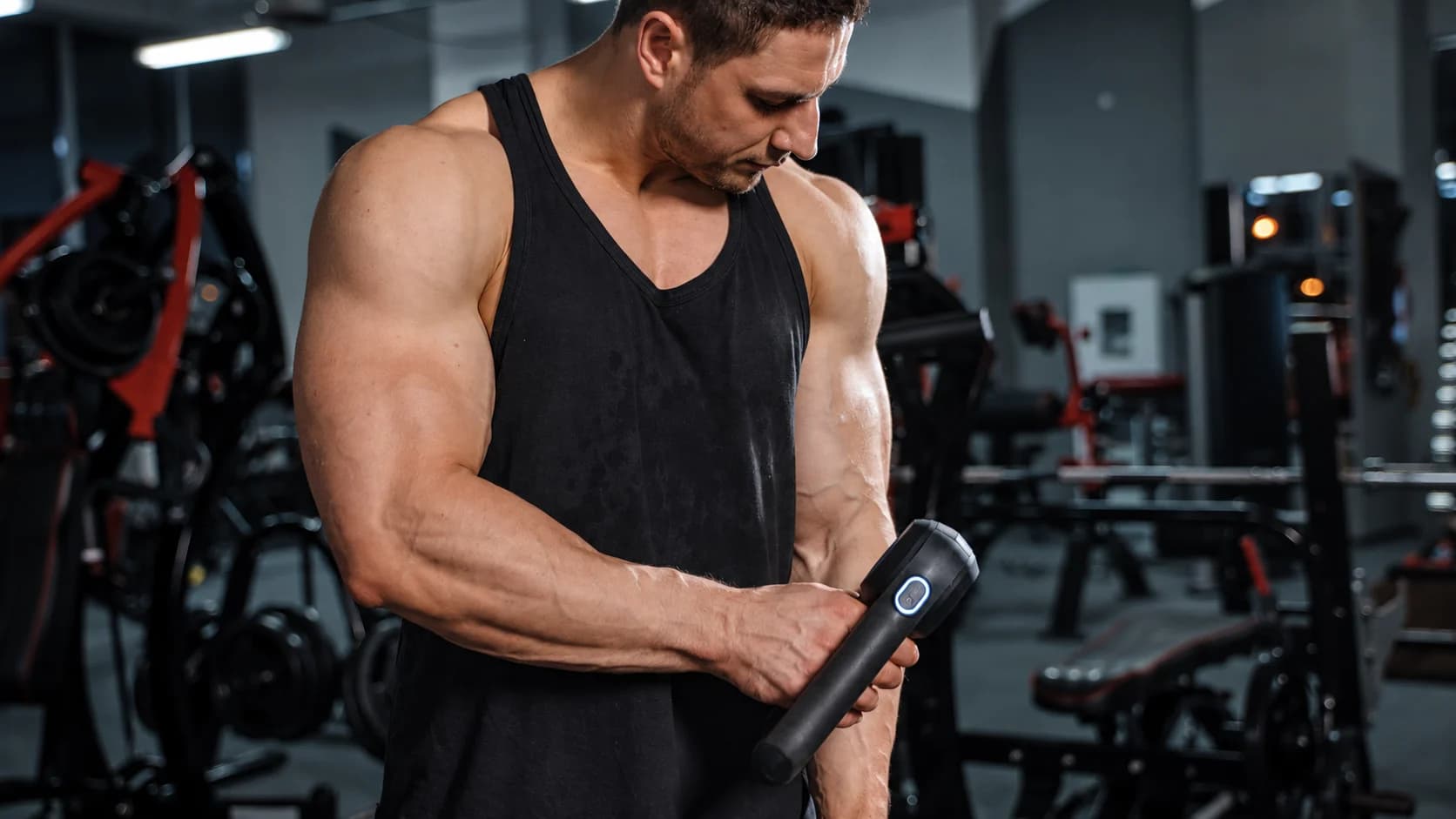
Learning how to use a massage gun starts with the instructions for the exact unit: how to switch it on and off, select a setting, fit an attachment and charge it. General professional guidance can help you understand contact and stopping signals, but it does not supply a missing button sequence or a treatment programme.
Keep those two sources of information distinct. The controls belong to the device; the general reminders below come from APTA ChoosePT and Hospital for Special Surgery, rather than a new clinical protocol for this product.
Get the model instructions before the first start
This article explains general professional guidance and the listing features; it does not supply a verified operating sequence for the selected PBGGAME gun. Before use, request the exact model’s instructions from PBGGAME, identifying the product link and selected SKU. Ask for power-on/off, attachment fitting, charger requirements, indicator meanings and the manufacturer’s use limits. Wait for those answers instead of trying a lookalike manual.
| Question to send | Answer or document reference |
|---|---|
| Exact model and selected SKU | _____ |
| Power-off method before contact | _____ |
| Attachment fitting and removal | _____ |
| Compatible charging supply and indicators | _____ |
| Model limits and professional suitability question | _____ |
Percussion massager settings: what this device confirms
The PBGGAME Compact Rechargeable Massage Gun with Four Heads, Black has a rear button, six settings and a USB-C charging port. The selected Black pack includes the gun, four interchangeable heads and a USB cable. A charging plug is not included.
| Confirmed feature | What the unit's own instructions need to explain |
|---|---|
| Rear button and six settings | Switching on and off, changing settings and interpreting the indicators. |
| Ball, cone, U-shaped and textured flat attachments | Correct fitting, removal and the intended use of each attachment. |
| USB-C charging connection and included cable | Compatible charger requirements and charging indicators. |
Keep the exact model's operating guide with your massage gun and read it before use. Follow its control sequence, charging requirements and attachment directions. Contact PBGGAME for help with your selected model rather than transferring settings from a similar-looking device.
A practical starting framework from professional guidance
APTA ChoosePT's massage-gun guidance offers these general reminders:
- Once you know the device's controls and instructions, start with its lowest setting.
- Let the device do the work; extra pressure is generally unnecessary.
- Move slowly along the muscle rather than keeping the device in one place.
- Stop if pain increases or unusual symptoms occur.
These points do not assign a setting, attachment or duration to a particular body area. They give you a way to approach the equipment without treating stronger sensation as the goal. Use the model's instructions for its controls and limits, and get a qualified demonstration when suitability or technique remains unclear.
Massage gun pressure is separate from the setting number
A setting selection and the pressure added by your hand are different variables. The verified specifications for this gun do not provide a calibrated force value. Six levels therefore cannot be read as six known pressure doses or a personalised safety scale.
The APTA advice to let the device work is useful here: pressing harder is not the default way to make a session more effective. If you find yourself adding force because the sensation seems insufficient, reassess the task rather than turning discomfort into a target.
Hospital for Special Surgery's advice, quoting physical therapist Ioonna Félix, also says to back away from pain or discomfort. It warns that excessive time in one place can irritate tissue. That is a reason to follow the actual instructions, not to invent a pressure score or borrow another brand's timing recommendation.
Know the stopping signals before beginning
APTA advises stopping when pain increases or unusual symptoms appear. HSS says to stop if skin becomes red or irritated and to back away from discomfort rather than continuing to apply force. These are stopping signals, not evidence that the device needs a higher setting.
Do not wait for an automatic shutoff when you are uncomfortable. Battery-runtime or timer advertising is not a recommendation for how long to work on one area. A feature that ends powered operation does not decide whether the contact remains appropriate until that moment.
For persistent or worsening discomfort, stop escalating use and seek qualified advice. APTA notes that a physical therapist can help assess suitability and demonstrate appropriate use. This is different from diagnosing the cause of the discomfort from a setting number or trying to solve it by choosing another head.
Before the first start, know how to stop
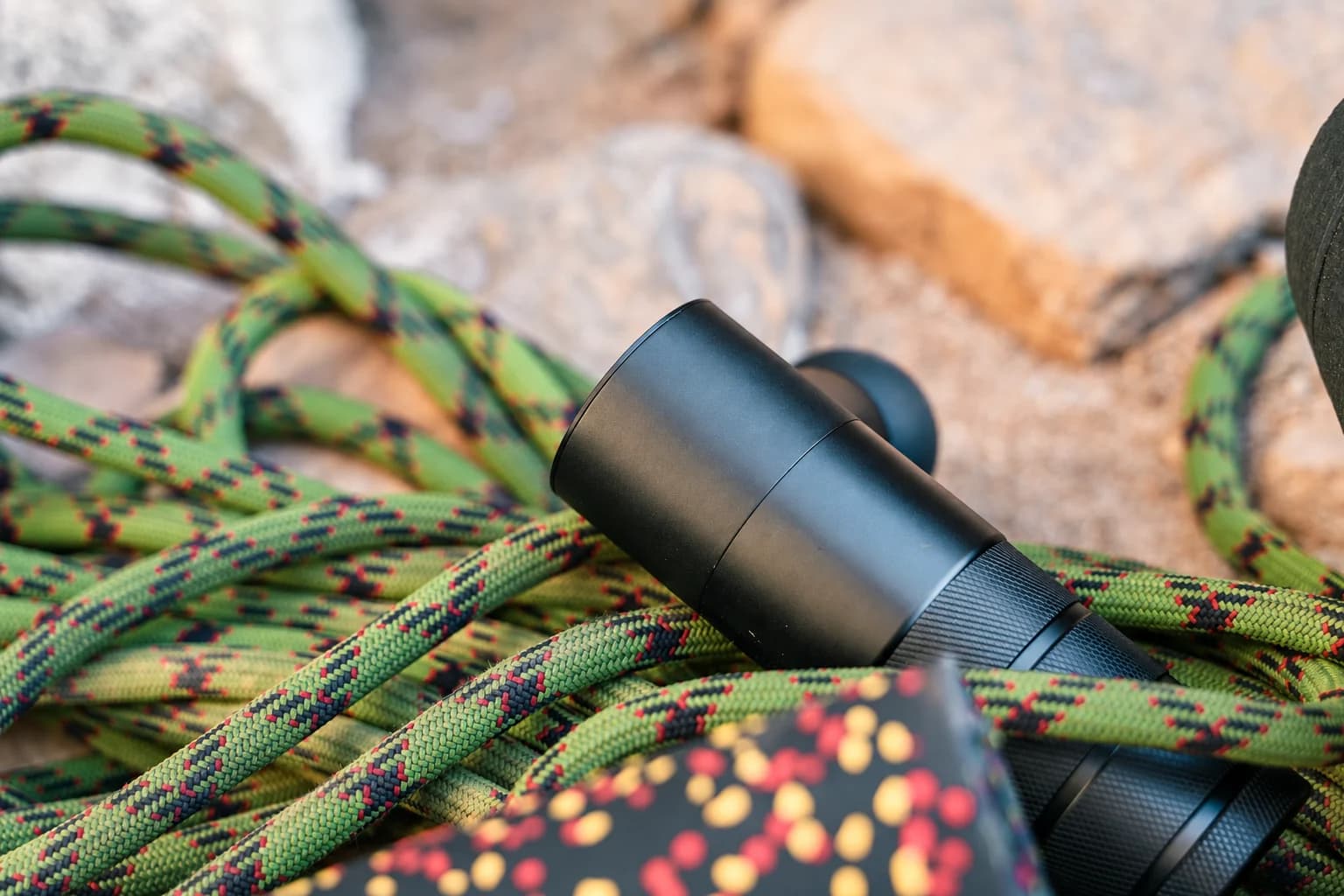
Learn the power-off sequence before making contact, and check how each attachment is secured. Follow the model-specific installation and control instructions when changing an attachment, and switch the unit off as directed before handling it.
If the supplied guide is missing or unclear, request the specific information: the power sequence, attachment-fitting method, charger requirements and indicator meanings. Those are concrete equipment questions a seller or manufacturer should answer. You do not need to experiment with force, a guessed button duration or a different brand's manual to fill the gap.
Keep the next question separate
If you are still choosing a device, the massage gun versus foam roller comparison covers actual controls, cost and evidence. If your question is about rolling before or after exercise, the foam-rolling timing guide addresses that separate method.
Neither comparison supplies a missing instruction for this gun. Start with the known controls, a clear stopping method and the exact unit's documentation, then keep any professional advice within the context in which it was given.