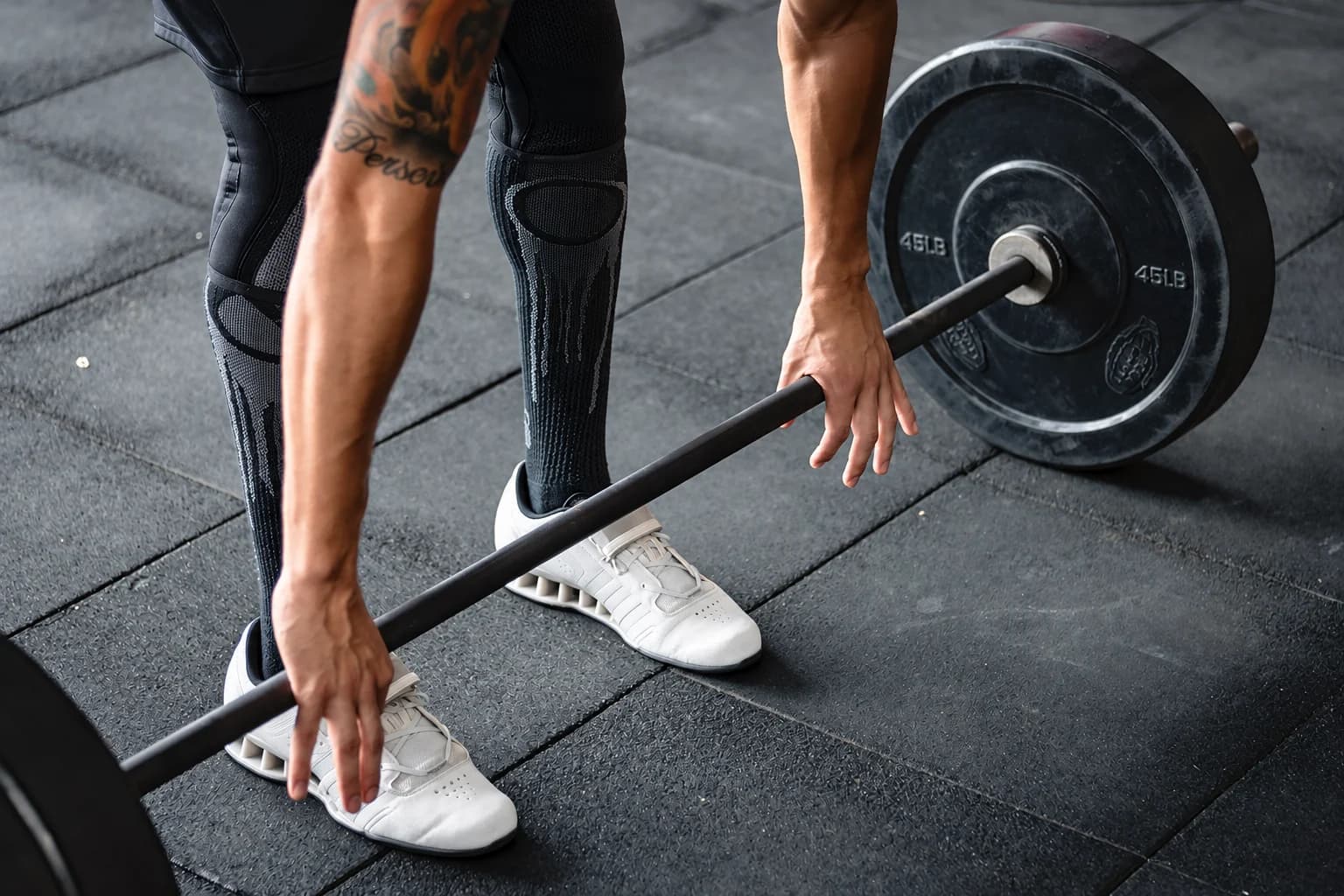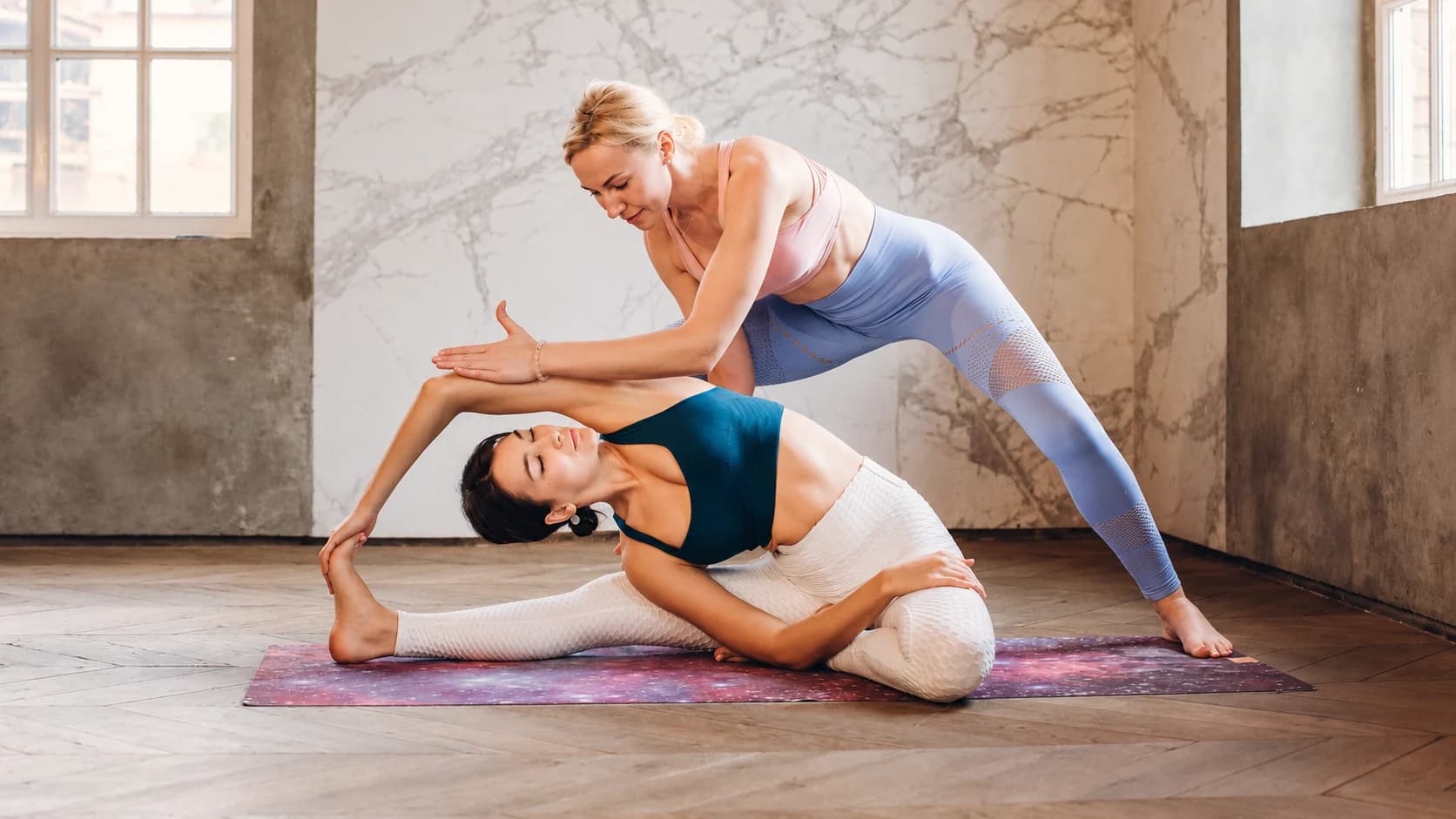
Two Workouts in One Day: Decide Whether Both Have a Useful Purpose
Decide what two separate workouts would add to your plan. Consider their purposes, combined workload, priority and the practical space between sessions.
Read the storyMake room for movement.
Equipment guides, useful skills and everyday training.
Stories are ordered by first publication. Each guide shows its publication and revision dates.
73–84 of 188 stories
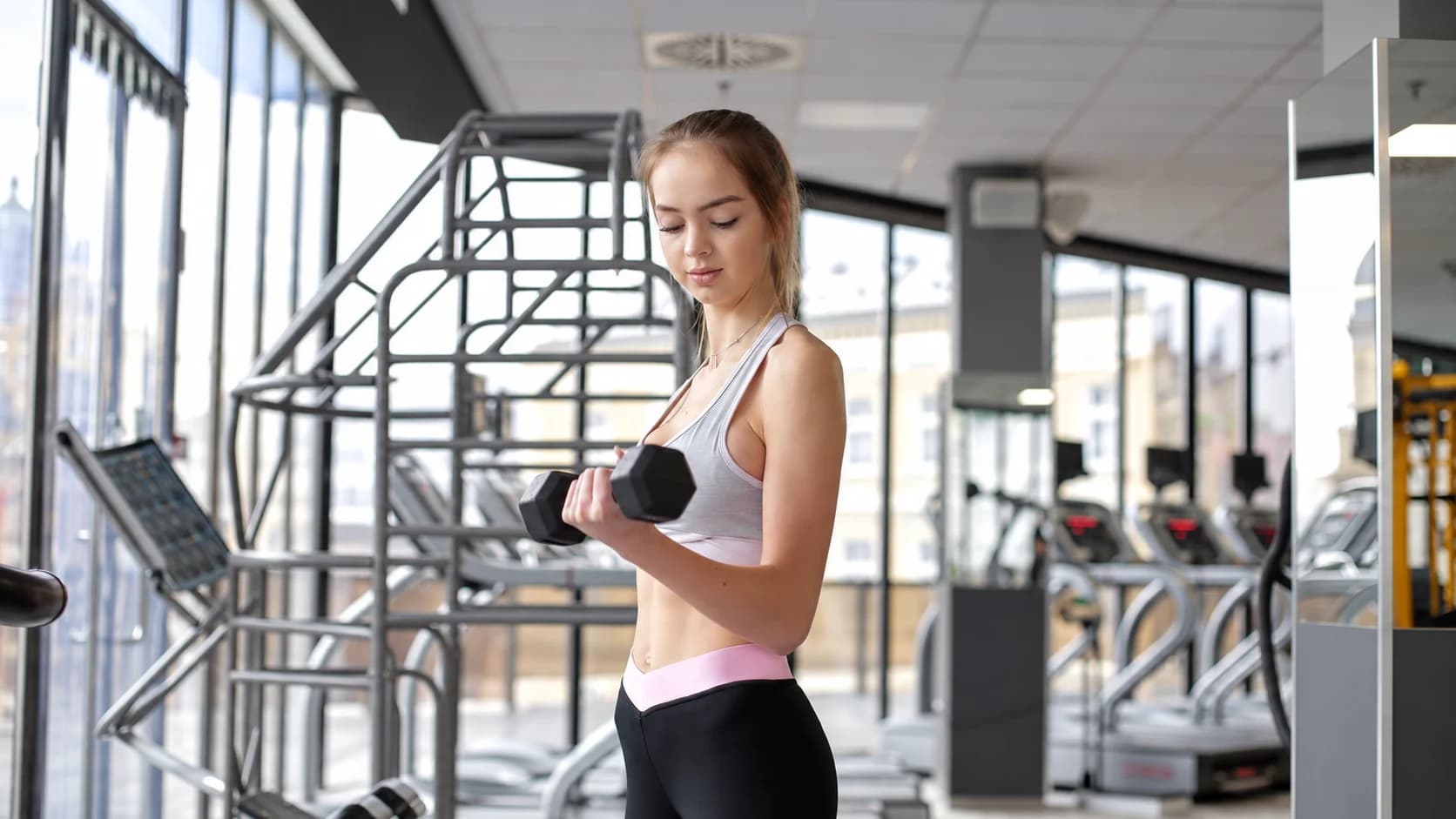
All topics / Newest firstDecide what two separate workouts would add to your plan. Consider their purposes, combined workload, priority and the practical space between sessions.
Read the storyRead wearable recovery scores by the claim actually tested: an input measurement, a combined estimate and a training decision each need different evidence.
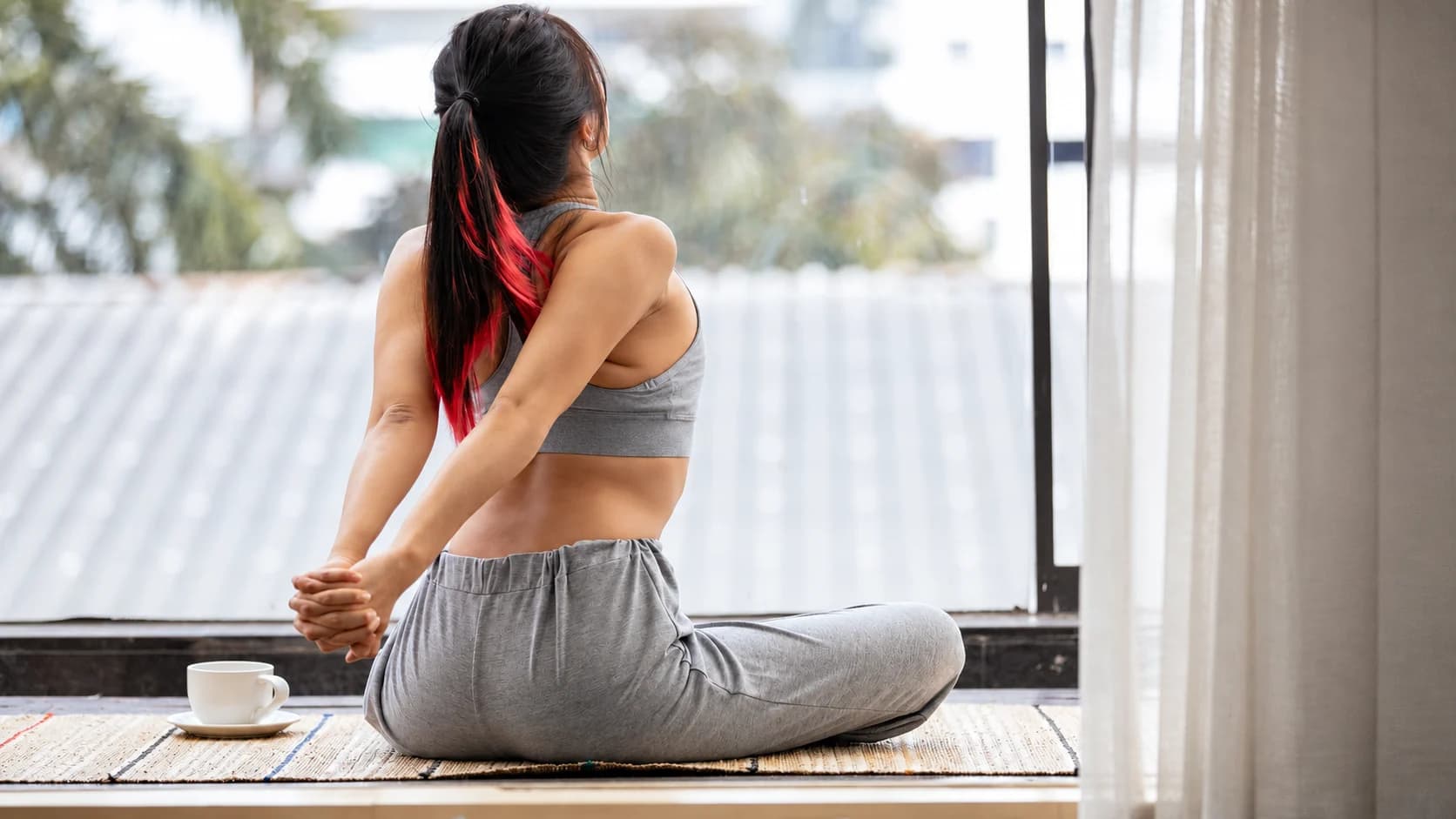
Read the storyPut general stretching-frequency advice in context, understand what the research can establish and build a repeatable plan with a small weekly record.
Read the storyCompare a handheld massage stick and a bodyweight foam roller by handling, setup, storage and two actual product options, with clear limits on pressure claims.
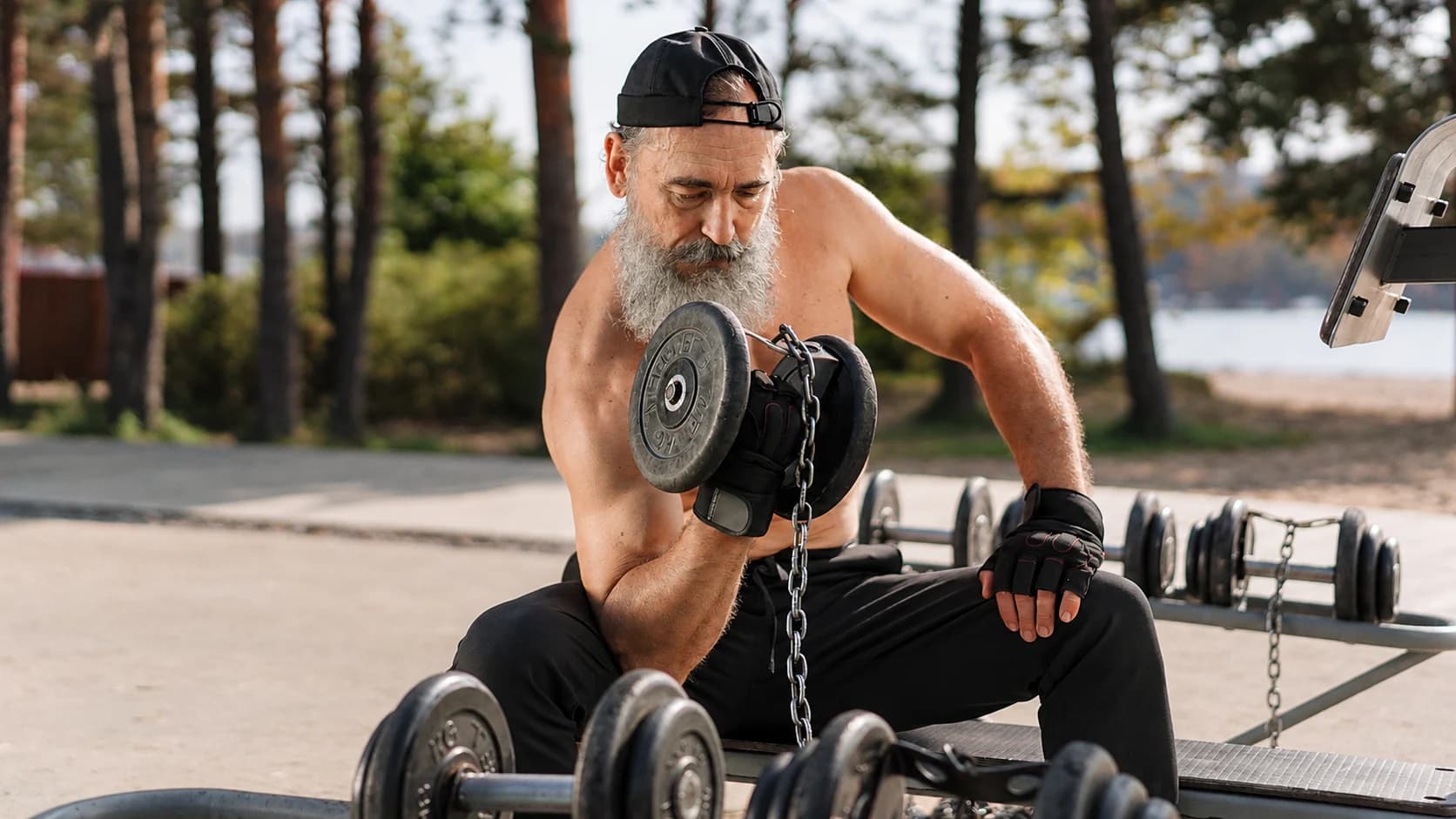
Read the storyRead tendon and muscle research by the property actually measured. Keep a personal improvement in repetitions separate from tissue measurements and loading decisions.
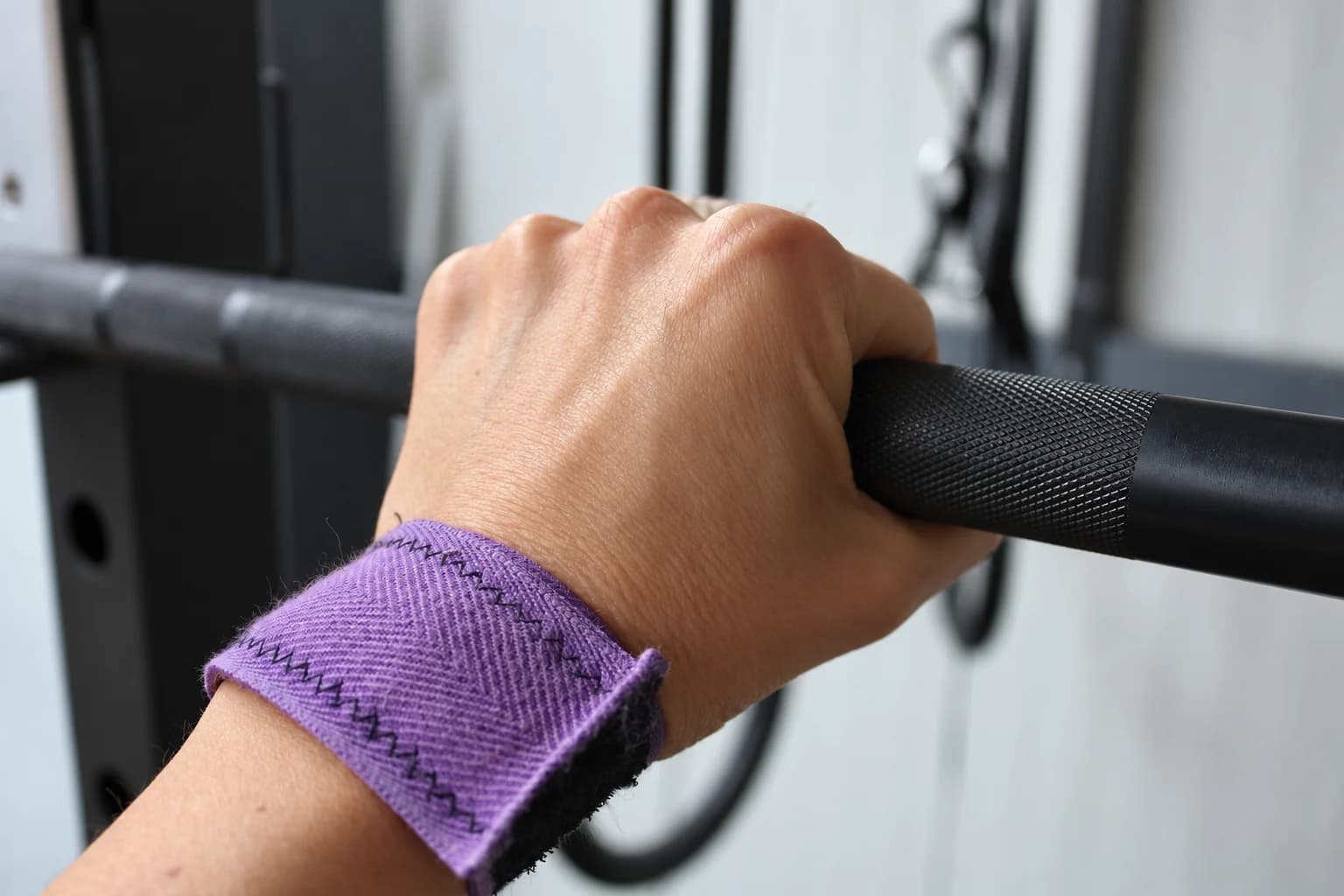
Read the storyChoose lifting straps, palm grips or wrist wraps by their job, release needs and fit. Compare strap structures, handle clearance, wrap length and stiffness.
Read the storyRead cycle-based training claims with their evidence and population attached, use personal observations thoughtfully, and keep symptom questions separate from phase rules.
Read the storyPractise lasso straps, figure 8 straps and palm grips with supported setup and removal. Check deadlift position, row handles, pulldown reach and slipping.
Read the storyTrack a familiar task with a clear goal and a reusable log. Record setup, preparation and attempts before interpreting a different number or photograph.
Read the storyDescribe the obstacle to today’s session, consider a practical change to an existing plan, and keep unexplained fatigue separate from a motivation judgement.
Read the storyCompare real training slots with your sleep opportunity, use age-specific sleep references, and keep calendar changes separate from predictions about readiness.
Read the storyPlan a gradually easier ending to exercise, then separate that practical transition from claims about soreness, lactate, injury and later performance.
Read the storyFind what moves you.
Explore the collection