Mobility vs Flexibility: Define the Goal Before Choosing Exercises
Use a clear range-and-control coaching model to compare mobility and flexibility, then choose a movement goal and equipment role without a new routine.
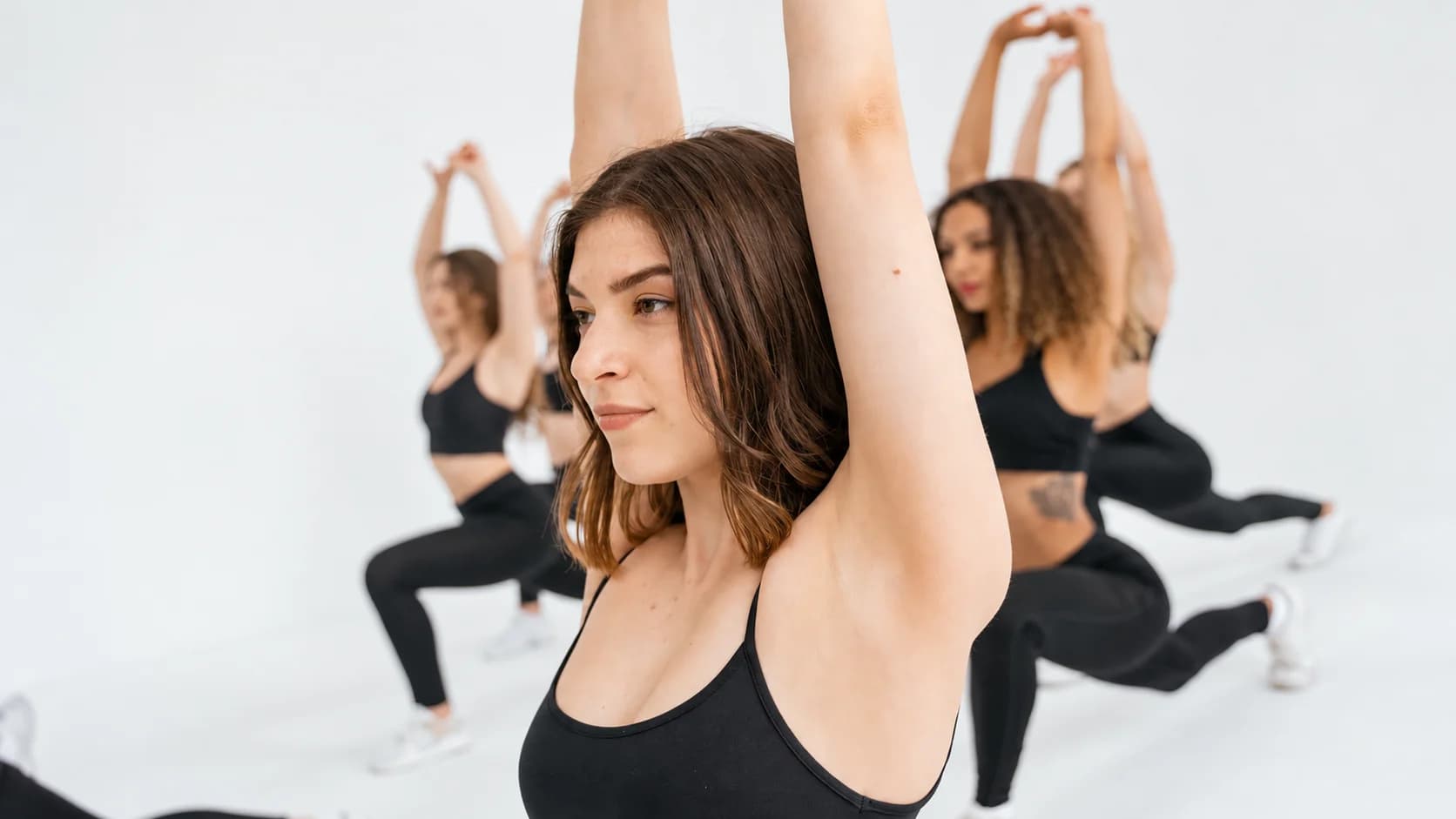
Mobility vs flexibility is a useful comparison when it clarifies a movement goal. It becomes less useful when the labels replace that goal. Start with the range a task needs and how you need to produce and control the movement, rather than choosing exercises because they appear in a “mobility” collection.
This guide uses a coaching distinction between available range and usable, controlled movement. The terminology is not universal, and flexibility work is not automatically passive or assisted.
Use one goal to ask two different questions
| Familiar overhead task example | Available range question | Active-control question |
|---|---|---|
| Assisted position taught in a lesson | Which position and assistance are part of this task? | How is the position entered and released under the taught conditions? |
| A taught overhead press | Which range does that specific task require? | Can the person produce and control the movement with the actual resistance? |
| Your goal | Movement / required range / assistance: ____ | Control requirement / resistance / return: ____ |
These descriptions use this page’s coaching model; the terms are not a universal scientific classification. A deeper photograph is not a pass mark. When you have a familiar task to observe, record a repeatable mobility task.
A working definition of mobility vs flexibility
Pete McCall's ACE discussion uses flexibility for available joint range and mobility for actively producing and controlling usable range, involving strength, coordination and balance. Here it is a coaching model, rather than a universal scientific definition.
| Question | What this coaching model directs attention to |
|---|---|
| What range is available? | The movement range being discussed, in the stated position or task. |
| How is that range used? | Producing and controlling movement under the demands of the actual task. |
Both questions can matter in the same task. McCall makes the task's range requirement central, rather than maximal range everywhere.
Mobility training meaning: describe the movement goal
Jarlo Ilano, PT, DPT, at GMB notes that people use these terms loosely and that flexibility and movement are connected. His goal-based approach combines flexibility, strength and coordination rather than pursuing flexibility in isolation or arguing over a label.
Make the goal concrete before choosing an exercise. Identify the movement you want to learn or use, the arrangement it requires and what you mean by improving it. An exercise name or a photograph of a larger range does not answer those questions.
For a lesson, useful details include whether the task is assisted, whether it includes resistance and which movement the teacher is asking you to control. These details describe the task; they are not a set of tests to diagnose why a movement is difficult.
If a programme uses “mobility” differently from another, compare its actual content and intended result. Two programmes can use different labels while addressing related needs, or use the same label for quite different work. Read the task description before treating either title as a complete prescription.
Flexibility and control can matter together
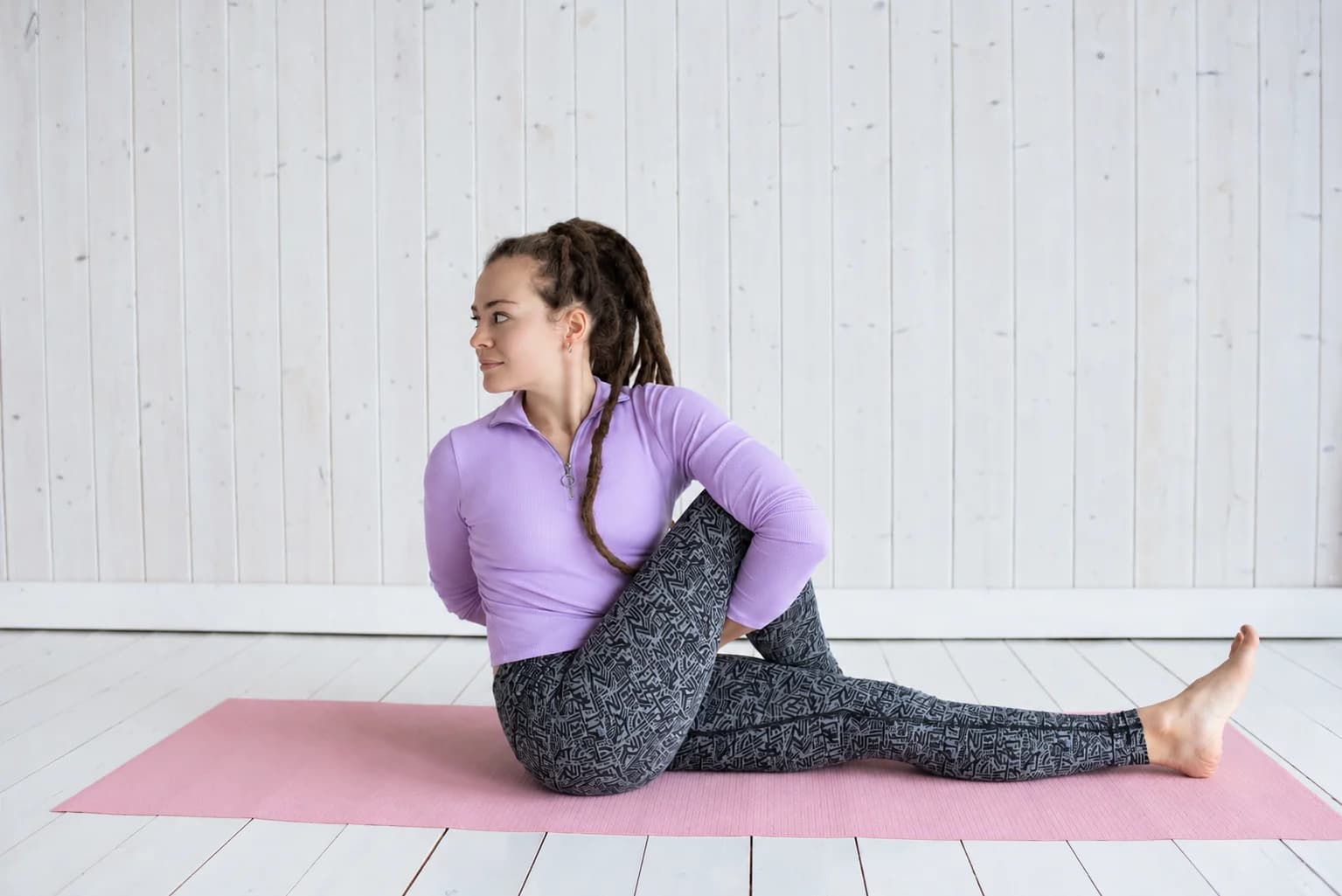
McCall contrasts an assisted overhead reach with controlling an overhead press: the demands differ. The example does not make every flexibility task assisted or turn a press into a self-diagnostic test. It shows why the intended use of a range matters.
Describe the requirement before judging the result. If the lesson asks for an assisted position, that is the task being learned. If it asks for controlled movement against resistance, assistance alone does not describe the same requirement. Neither description tells you to seek the largest possible range or to copy someone else's load.
A still photograph also leaves out how a position was reached, what assistance was present and how the person returns. Use it as context rather than a score. The instruction for the actual movement supplies more useful information than the apparent depth of the pictured position.
This is a way to make the learning goal clearer, not a reason to invent a new range-of-motion pass mark. Keep any change in range, resistance or assistance connected to the task you have actually been taught.
Choose equipment for its mechanical role
The PBGGAME Cork / Cork block pair with D-ring strap contains two cork blocks and one polyester strap. The blocks are 9 by 6 by 4 inches; the strap is 8 feet by 1.5 inches. This is an ordinary contact or support option for an already-taught modified yoga or stretching setup. Choose it when that setup actually calls for the included items.
The PBGGAME Pink, Green and Purple three-band long-loop set serves a different role: resistance in an already-taught strength task. It includes three separate sewn closed loops, a mesh drawstring bag and a workout guide. The bands have knitted cotton fabric with natural-rubber latex threads and carry Light, Medium and Heavy labels.
Those are different equipment choices, rather than two automatic ways to “improve mobility.” A prop used in a modified position and a band used for resistance need their own instructions. The method is not determined by the fabric, the level name or whether the product appears in a mobility collection.
Do not add an anchor, suspension use or extra leverage that the selected lesson has not taught. Equipment should follow the intended task instead of creating a new exercise simply because it is available.
Compare the task before comparing programme labels
Write a short description of what you are trying to do: the movement, any assistance or resistance, and the quality you are working on. That gives you a clearer basis for choosing a lesson than a general instruction to become “more mobile.” It also provides a specific question to take to the person teaching that task.
Moving versus held stretching is a separate comparison from the range-and-control model used here. The dynamic versus static stretching guide explains that distinction. For named applied movements, the lower-body mobility guide keeps its own instructions and setup.