Soreness After a New Workout: Expectations, Uncertainty and Red Flags
Understand the usual description of delayed soreness, the limits of judging symptoms by timing, and the signs that call for medical advice or immediate care.
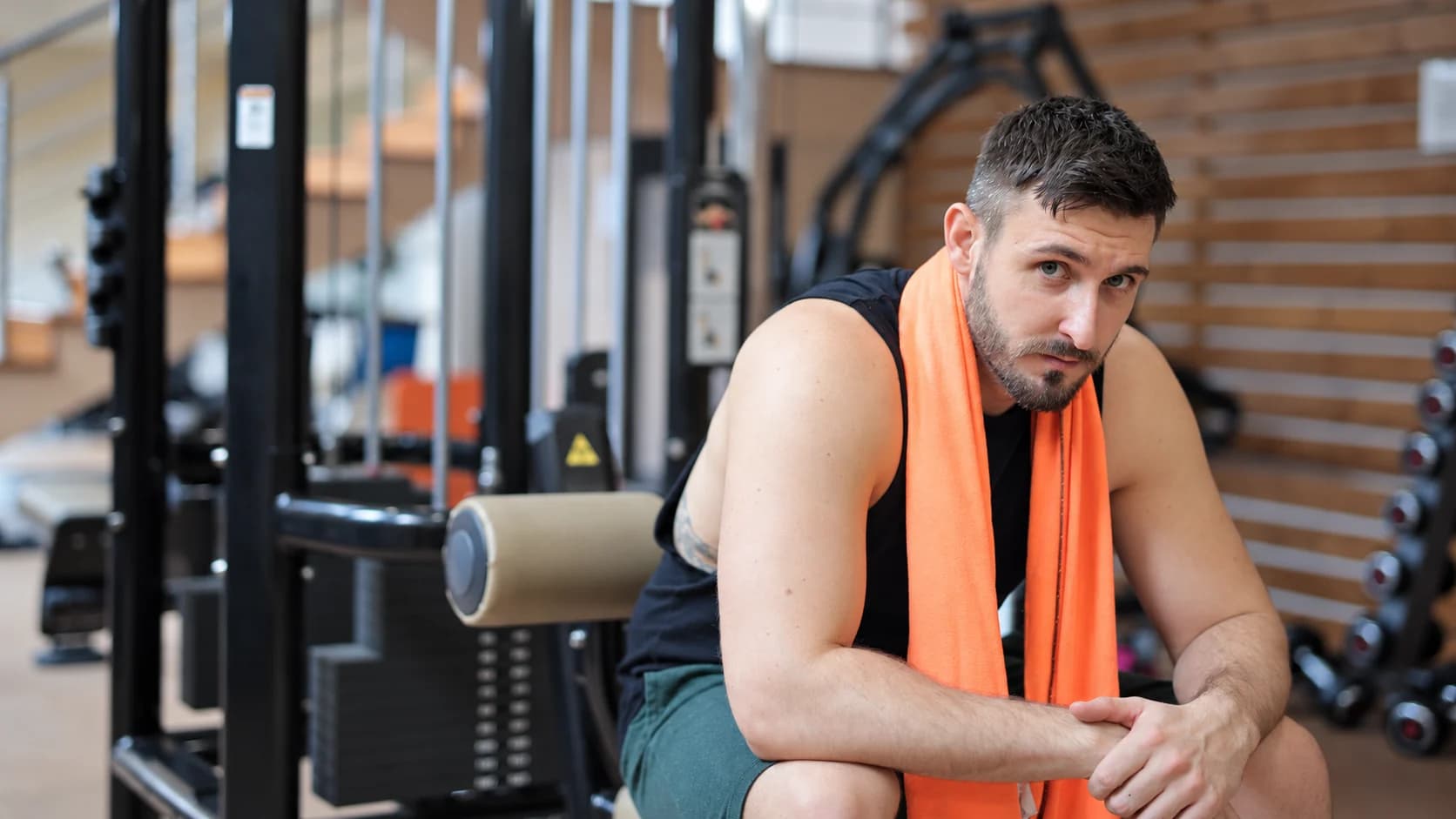
Muscle soreness after a first workout can leave you wondering whether you did too much or simply tried something unfamiliar. Delayed soreness is common after new or harder activity, but the timing alone cannot identify its cause. Pay attention to the severity, changes over time and other symptoms rather than assuming that every ache is an expected training response.
Warning signs come before recovery tools
The CDC/NIOSH rhabdomyolysis guidance advises immediate medical care for one or more warning signs: unexpectedly severe muscle pain or cramping, tea- or cola-coloured urine, or weakness/fatigue that prevents tasks you could previously complete. Do not wait for all three, use this list to diagnose yourself, or delay care while trying recovery equipment.
The aim is to describe what you are experiencing accurately and recognise when to seek help. A demanding workout, a familiar-looking symptom or a recovery product cannot supply a diagnosis.
Muscle soreness after starting exercise: what DOMS describes
Cleveland Clinic's explanation of delayed onset muscle soreness describes soreness that can develop one to three days after unfamiliar or more intense exercise and usually eases over the following days. DOMS is the abbreviation for delayed onset muscle soreness.
That description is a common pattern, rather than a clock-based test you can perform at home. Remembering that an ache appeared later may help you describe it; it does not prove that an injury or another problem is absent. The activity you did and the symptom's timing are pieces of information, not a diagnosis by themselves.
When soreness needs advice
Cleveland Clinic advises contacting a healthcare provider for concerning severe pain, difficulty moving or using a body part, substantial swelling, constant sharp pain, symptoms that do not improve with rest or soreness lasting beyond a week. The week-long example is not an instruction to wait seven days when another concerning symptom is already present.
The CDC/NIOSH guidance on rhabdomyolysis symptoms describes a separate reason for immediate medical attention. It says to seek medical care immediately for one or more of these signs:
- Muscle pain or cramping that is more severe than expected.
- Urine that looks unusually dark, like tea or cola.
- Weakness or fatigue that prevents tasks you could previously complete.
You do not need all three before seeking care. CDC also explains that symptoms can be delayed for hours or days and that symptoms alone cannot confirm the condition; a provider uses blood testing. An apparently familiar post-workout timeline therefore does not rule it out. Do not turn a symptom list into a home diagnosis or delay care while trying recovery equipment.
What to tell the person you contact

A short, factual account is more useful than deciding in advance that you have DOMS. Note the activity that was new or different, when you did it and when you first noticed the symptoms. Describe what you feel and what has changed, using your own words rather than choosing a diagnosis from a search result.
For example, “I tried a new class yesterday; the discomfort began this morning and now makes this task difficult” communicates an order of events. It does not require you to decide which tissue is involved or whether the sensation fits a technical label. Include any other changes you have noticed when you speak to the provider.
This is a way to organise information for that conversation. It is not a checklist that clears you to exercise, and completing a training log should never come before seeking immediate care for the warning signs above. If you are uncertain what information matters, describe the actual experience and let the professional ask the next questions.
Soreness is not a workout score
Cleveland Clinic also notes that a workout can be productive without causing DOMS. You do not have to chase a stronger ache to show that the session counted.
Keep the goal you trained for separate from what you happen to feel afterwards. Learning a movement, completing a planned session and noticing post-exercise discomfort are different observations. Increasing the next session purely to reproduce soreness changes the plan without establishing that you are making better progress.
Keep floor equipment separate from symptom decisions
For a later, familiar floor session, the PBGGAME Grey cross-fold TPE mat with storage bag provides a folding exercise surface. The selected pack contains one mat and one storage bag. Its listed size is 182.9 by 80 centimetres, with an 8-millimetre thickness, and the care instruction is hand wash only.
That is an equipment choice for a planned practice, rather than a reason to begin exercising through unexplained discomfort. The mat does not diagnose soreness, treat it or determine when you are ready for another session. Decide the symptom question before looking for equipment to solve it.
For the separate question of organising easier days, the active recovery versus complete rest guide discusses weekly training demand. The foam-rolling timing article explains why reported soreness and measured performance recovery are different outcomes. Neither article identifies the cause of a new symptom.