Jump Rope vs Cycling: Match the Activity to Your Space and Goal
Compare jump rope, a stationary bike and outdoor cycling by skill, setup, routes and actual effort. Choose a session that fits your space and training goal.
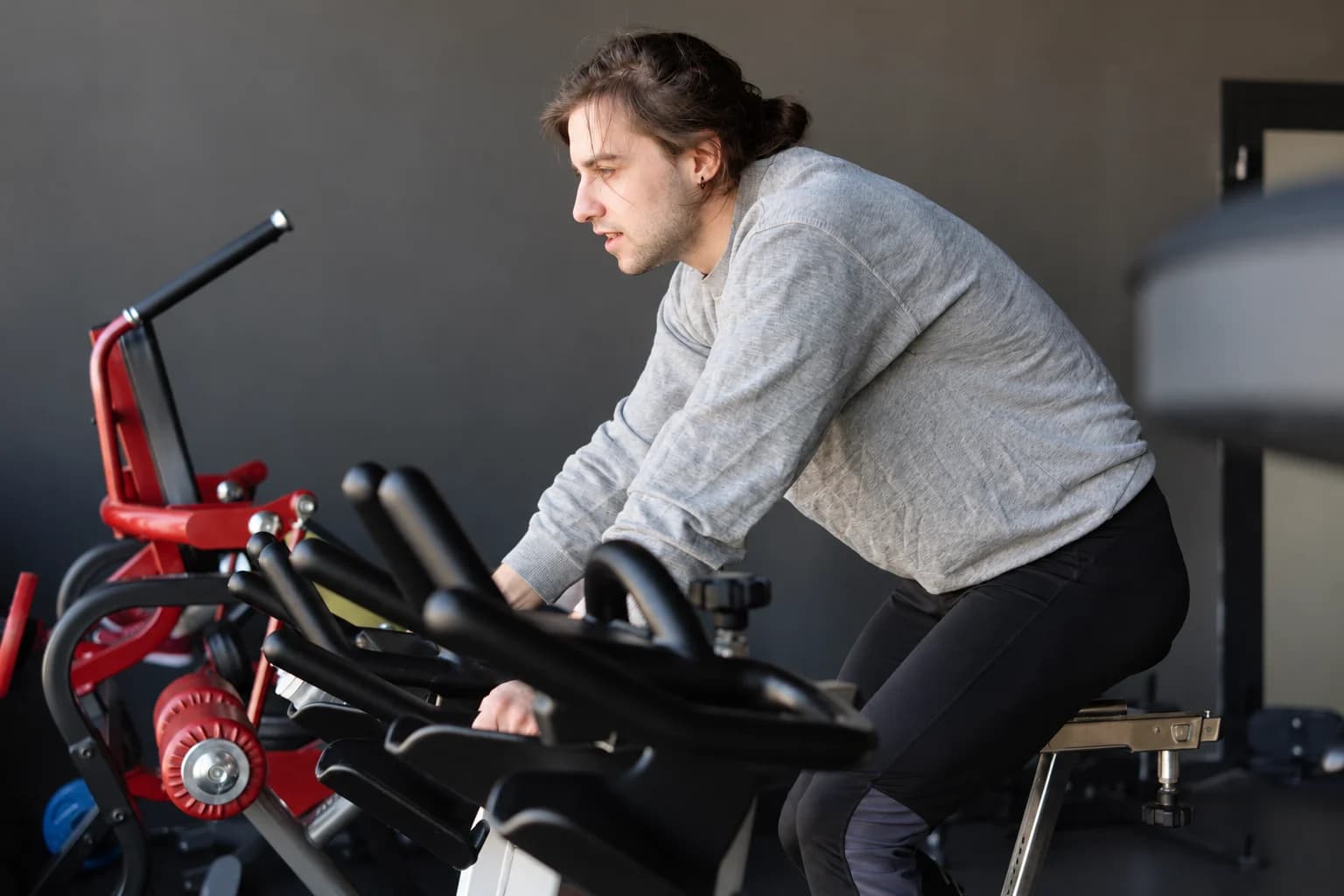
Choose a stationary bike when you want indoor pedaling and have access to a machine you can adjust. Choose outdoor cycling when riding a route is part of the appeal and you can manage the bicycle and riding conditions. Choose jump rope when you have full cord clearance and want to practise the timing of repeated turns and jumps.
Jump rope vs cycling is therefore a choice between actual sessions. A bike in a gym, a bicycle on a road and a rope in a clear practice area have different demands before exercise begins. Start with the setting and the skill you want to use; then consider effort, available time and equipment.
One conditional choice for today
| Editorial scenario | Observed condition | Decision and remaining question |
|---|---|---|
| Goal | A familiar indoor pedaling session in a short available visit | Keep the activity goal distinct from rope-skill practice |
| Stationary bike | A familiar machine is available and its fit / controls can be checked | This is the option for this scenario |
| Rope location | The home room has an unresolved overhead obstruction | Compact storage does not resolve the working space |
| Outdoor bicycle | Riding would require route, conditions and access to be checked | Leave that alternative unresolved today rather than infer readiness |
| What could change next time | The bike is unavailable, or a suitable rope location is confirmed | Revisit the actual conditions; there is no overall calorie or joint-comfort winner |
Jump rope or stationary bike: what can you set up today?
For rope practice, inspect the whole swing path: above your head, beside you and behind you, as well as the landing area. A rope may be easy to store while its usable practice space is harder to find. A low ceiling, nearby furniture, a doorway or people crossing the area can rule out a location that looks spacious when you stand still.
A stationary bike needs its own clear footprint and access for getting on and off. A machine already set up in a gym can simplify the visit, but check the adjustments if someone else used it. Follow the instructions for that model. The Concept2 BikeErg setup guide, for example, describes saddle and handlebar adjustments and securing them afterward; its controls and settings do not apply to every exercise bike.
If you only have a short break, include finding the space or machine in your decision. A queue for the bike or several minutes spent moving furniture can consume the time you intended to exercise. The more useful option today may be the one you can prepare without rushing.
Jump rope vs cycling: separate the three settings
| Question | Jump rope | Stationary bike | Outdoor bicycle |
|---|---|---|---|
| Where does it happen? | A suitable area with full cord clearance. | A stable machine in an accessible indoor location. | A route suited to your riding skills and conditions. |
| What must be prepared? | Rope length, clear space and a suitable surface. | Model-specific fit, adjustments and controls. | A fitting, working bicycle and the route. |
| What can interrupt it? | Catches, resets or someone entering the area. | Equipment access or an adjustment that needs attention. | Junctions, traffic, weather or route changes. |
| What skill are you using? | Coordinating the cord with takeoffs and landings. | Pedaling and managing the machine's controls. | Pedaling plus handling, observation and road decisions. |
Outdoor riding asks more than choosing a resistance level. The NHTSA bicycle guidance covers a fitting, working bike, visibility and route planning. It also recommends practising riding skills away from traffic before entering traffic. A demanding indoor ride does not by itself demonstrate readiness to navigate a road.
That difference matters when comparing convenience. You may value being outdoors and travelling somewhere, or prefer avoiding a route decision during a busy day. Weather, daylight and access can change which option is practical. Treat those as part of the activity choice, rather than trying to settle them with an exercise chart.
Skipping rope vs cycling: skill changes the work you complete
With a rope, turn timing may limit the session before breathing does. Frequent catches create a mixture of short jumping efforts and resets. Practising that coordination can be worthwhile in its own right, but the whole timer block is not continuous jumping. Track successful work without treating every stop as failure.
On a familiar stationary bike, you may find it simpler to keep pedaling while adjusting effort. That can fit a goal of continuous indoor activity. It does not guarantee an easy workout: resistance, pace and duration still change the demand. Outdoor riding introduces further variation through terrain, coasting and stops.
For a cycling event or confidence on a particular route, retain practice relevant to riding. For rope skills, spend time with the rope. Either activity can add variety to a week, but a hard cardio feeling does not make the skills interchangeable. Decide whether the session is mainly about learning a movement, sustaining activity or preparing for a specific task.
Compare effort without declaring a calorie winner
The CDC intensity guide includes recreational cycling among moderate examples, and faster cycling and rope jumping among vigorous examples. These categories describe examples of activity, not a personal result. Its outdoor cycling speeds should not become targets on a stationary-bike display.
Use breathing as a broad check on the session you are actually doing. Moderate effort generally allows conversation but makes singing difficult; vigorous effort usually allows only a few words before a breath. A familiar ride might feel easier than your first rope attempts, or a hard bike session might demand far more effort than brief rope practice with long pauses.
The Adult Compendium cycling table separates many riding conditions and stationary workloads, including very light and very vigorous descriptions. That range helps explain why cycling alone is too broad a label for a calorie comparison. Its estimates do not measure your personal energy expenditure or create a fixed exchange of bike minutes for rope minutes.
Keep active time and elapsed time distinct. Rope resets, standing recovery, traffic stops and coasting change the work inside a session. Write down the interruptions you encountered and the effort you experienced. A clear record is more useful for planning the next outing than an impressive calorie estimate built on unknown assumptions.
Consider the movement pattern and fit
Ordinary rope practice involves repeated takeoffs and landings. During ordinary seated cycling, your feet stay on the pedals and repeat pedal strokes without that jumping pattern. If avoiding repeated landings is part of the session you want, that distinction can help you choose what to try. It does not establish a universal ranking for comfort, impact or injury risk.
Bike position and resistance still matter; a seated activity can be demanding or uncomfortable. Rope practice also depends on your movement, surface and amount of work. Stop when pain changes your movement or increases. An injury or health restriction needs advice specific to your situation, rather than choosing from a general comparison.
Choose the activity before adding equipment
Compare each activity with the access and space you can use regularly. A rope needs full overhead and surrounding clearance. A stationary bike needs a suitable place to remain or a practical storage arrangement, while outdoor cycling also needs a workable riding environment.
Add a defined surface to your established rope space with the PBGGAME oval jump-rope mat in Navy. Compare its usable area with your cord contact, keep its edges flat and check compatibility with the floor. Maintain clearance around the full rope path and follow the surface instructions for the equipment.
Make the next session a useful comparison
Try familiar, manageable versions on separate days. Give each a clear purpose, such as relaxed pedaling or short rope coordination practice. Allow time to ease into the activity and reduce effort at the finish, as described in the American Heart Association guidance. Avoid making both sessions maximum efforts to decide a winner.
- Note setup time and whether the location or equipment was readily available.
- Record actual activity, pauses and breathing effort.
- Identify the main limit: rope timing, bike setup, route conditions or the amount of work.
- Ask whether you would willingly repeat that session for the same purpose.
You may choose cycling for sustained pedaling and rope for shorter skill practice, or settle on one activity you enjoy. Combining them still adds training, so consider the total week. The CDC adult activity overview includes aerobic activity and separate muscle-strengthening work; neither piece of equipment automatically covers everything.
For a first rope session, continue with the beginner jump-rope workout. For a closer look at the practice location, use the rope surfaces and space guide. Choose the session whose demands you can meet today and repeat for the goal you have.