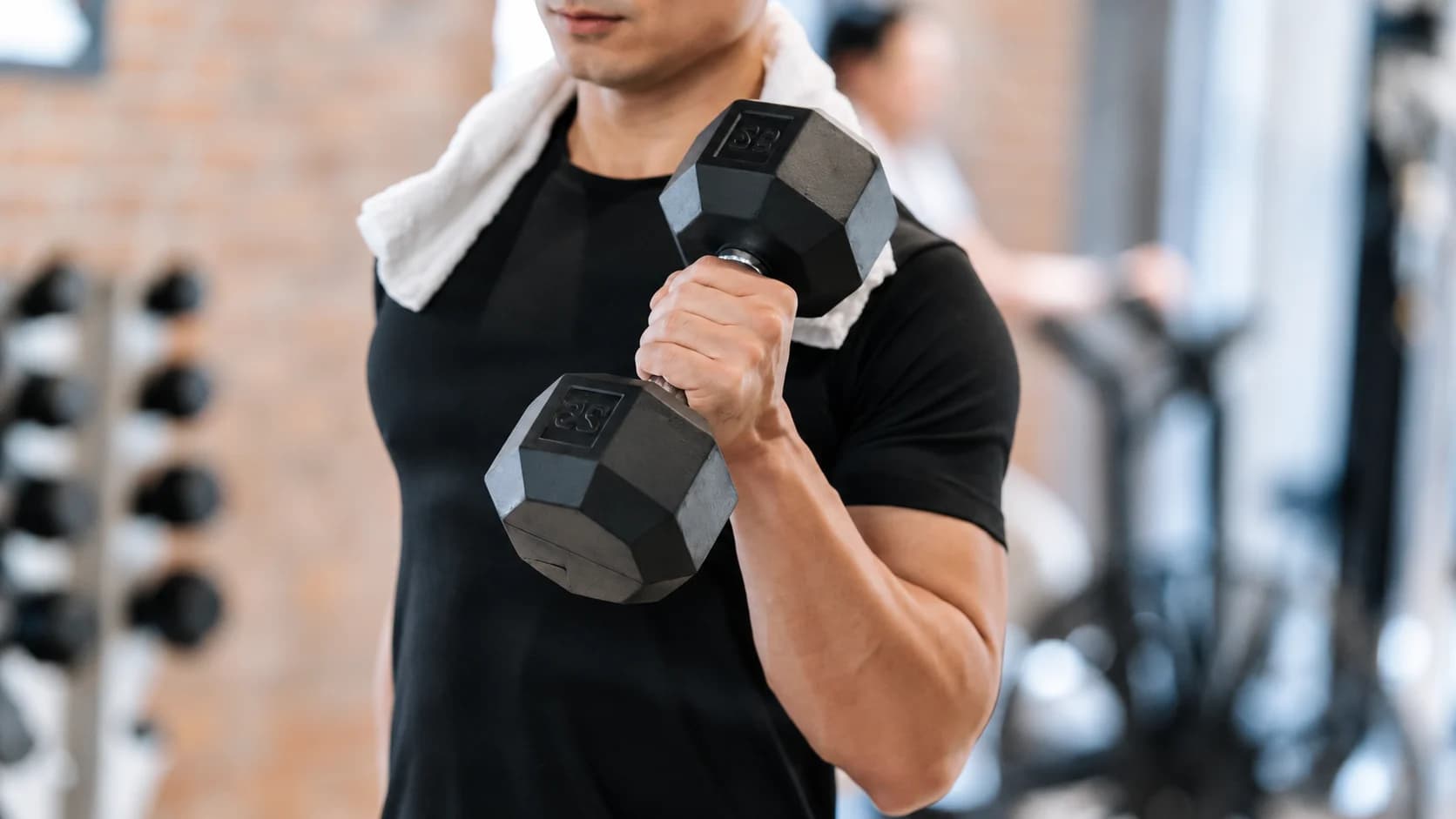
Active vs Passive Range of Motion: Understand What Is Moving You
Distinguish active, passive and active-assisted motion by the target joint’s contribution. Interpret a held example, external help and tool roles without a new routine.
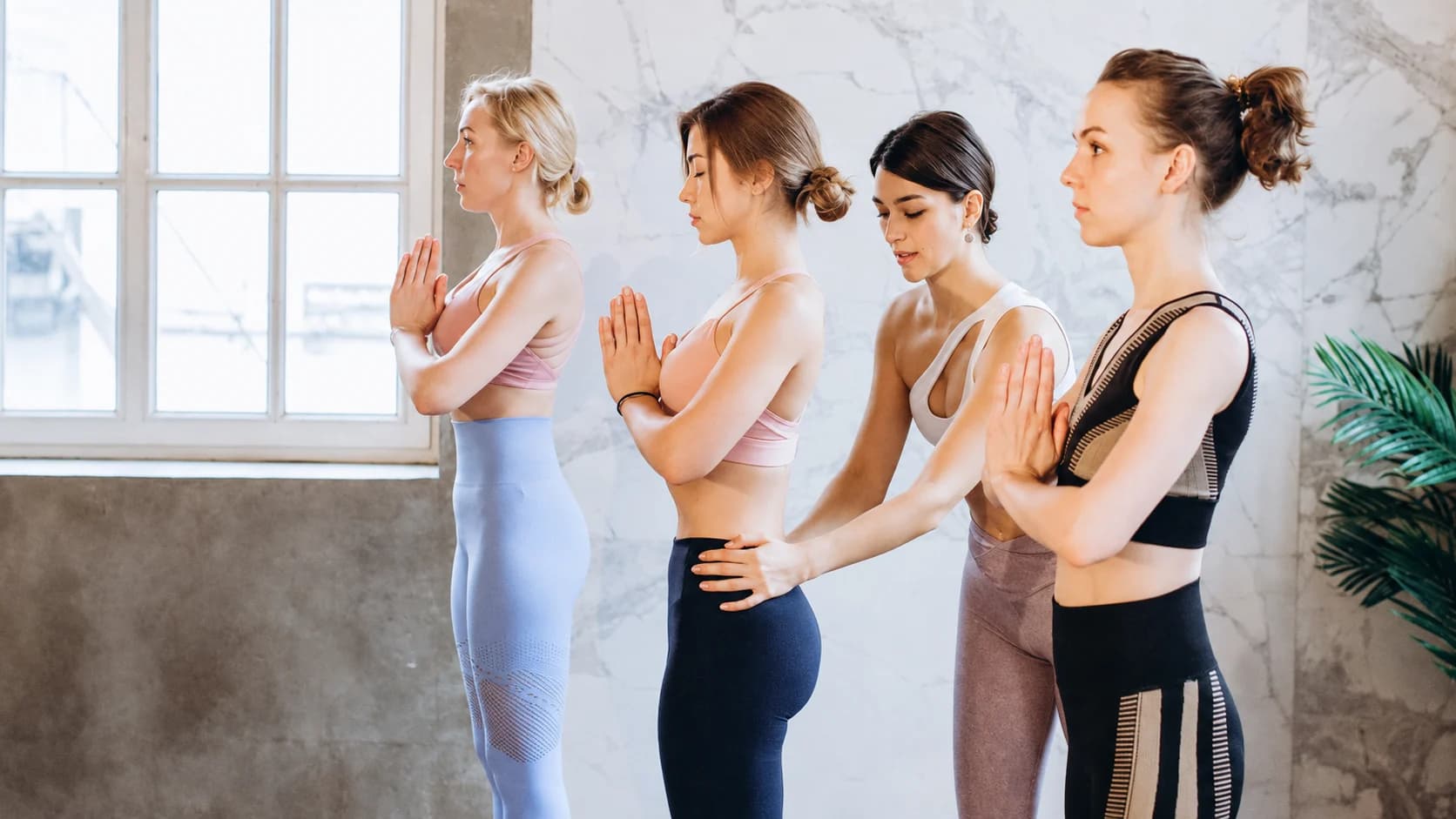
Active vs passive range of motion describes who or what produces movement at the joint being discussed. The presence of a helper, another hand or a piece of equipment does not settle the category on its own. The person's own contribution still matters.
Use these terms to interpret an instruction or demonstration. They do not provide a self-test, explain a strength or pain problem, or select a rehabilitation exercise for you.
Active, passive and active-assisted: name the target joint
Read the same-joint concept map
| Target in all three rows: the same elbow | Source of movement | Conceptual path |
|---|---|---|
| Active | Voluntary effort produces the target movement | Own muscular effort → elbow movement |
| Active-assisted | Voluntary effort continues; some external help contributes | Own effort + partial external help → elbow movement |
| Passive | External force moves the segment in the described clinical example | External movement → elbow movement; no active target-joint contribution is specified |
A still hold answers a separate question: moving versus holding. A held position may still involve voluntary muscle work. Ask who is producing the target-joint movement before using the active or passive label.
The NELFT NHS physiotherapy glossary defines active range through the person's attempt to move the joint. Its active-assisted definition retains that active attempt while adding partial help from an external support.
The professional textbook Range of Motion chapter at AccessPhysiotherapy adds passive movement to the comparison:
| Term | What is producing or helping the movement? |
|---|---|
| Active range of motion, or AROM | The person independently produces the target movement through voluntary muscle contraction. |
| Active-assisted range of motion, or AAROM | Voluntary effort continues while an external force supplies some assistance. |
| Passive range of motion, or PROM | In the textbook's clinical example, a clinician or helper moves the body segment for the person. |
Keep the target joint or body segment in view. Activity elsewhere in the body does not by itself classify the movement you are discussing. Someone can be working with another hand while the question still concerns what is moving the named joint.
Partial assistance does not erase active effort
The distinction between assisted and passive is especially useful when interpreting a demonstration. If the person is voluntarily moving the target segment and receives some help, the assistance supplements that effort. It does not automatically replace it.
That is why “a helper is present” is incomplete information. Find out whether the helper is moving the segment for the person or adding help to voluntary movement. The same issue applies when a tool appears: it might provide assistance, resistance or contact, depending on the actual task.
Do not infer the answer from a still photograph. It may show a hand on a limb, but it cannot show every contribution to movement over time. Read the instruction about the person's effort and the assistance being supplied, rather than guessing from the equipment or pose.
Active flexibility training can include a held position
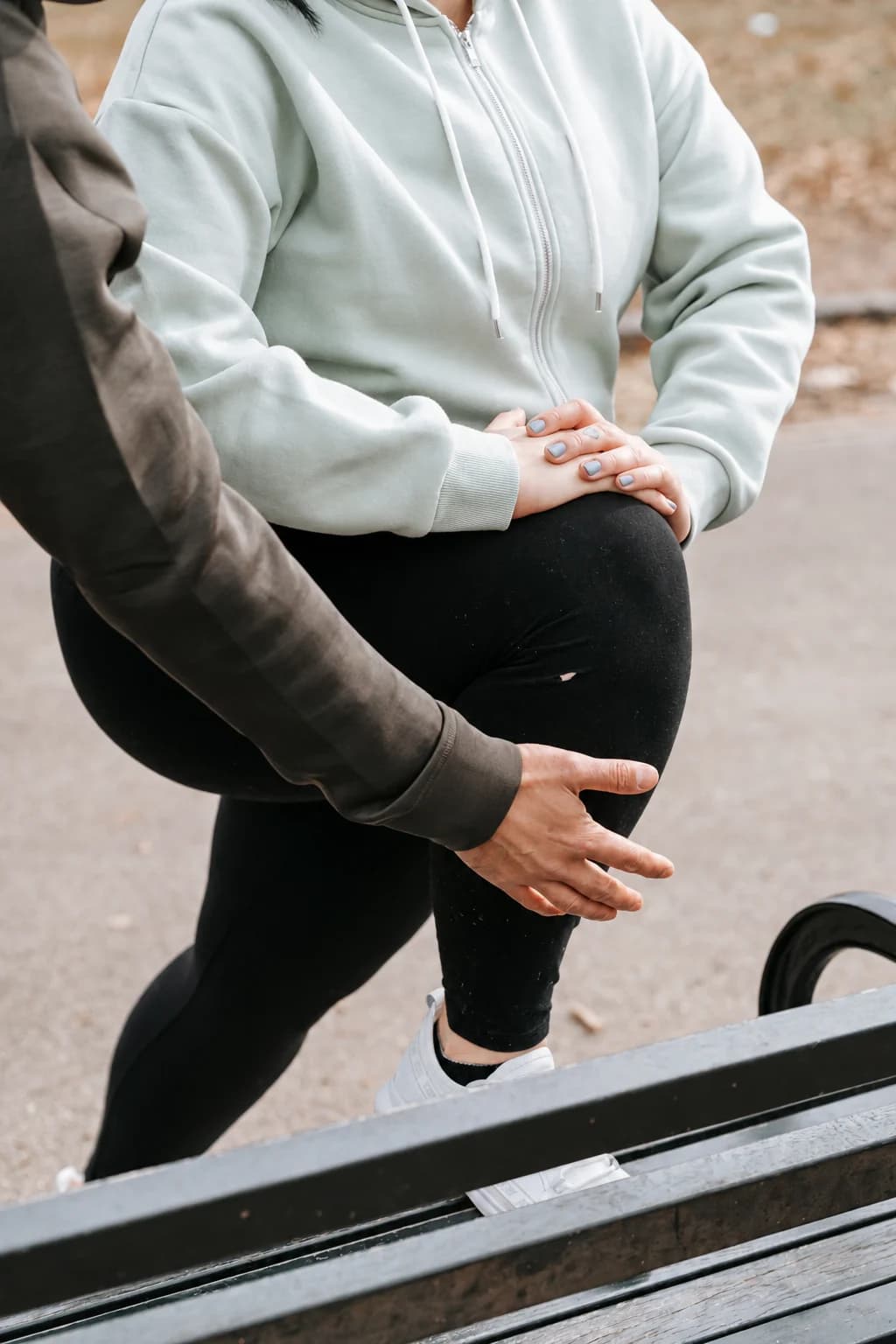
Cleveland Clinic's explanation of active stretching, quoting exercise specialist Ben Kuharik, describes muscle-generated stretching and calls a held version “static active.” Its raised-leg example is held through muscular contraction. This is a descriptive example, not a new exercise sequence here.
The useful point is that a held position alone does not prove that the work is passive. Equally, the term “active flexibility” does not tell you a complete programme's range, duration or load. Establish which part of the body the instruction concerns and what that part is expected to do.
This is a different question from whether a stretch moves or holds. You do not need to recategorise every exercise from its appearance. Use the actual lesson's description of muscular work and assistance, especially when two demonstrations look similar but ask the person to contribute differently.
Passive stretch support: identify the tool's actual role
The PBGGAME Classic 24-pack of 6-foot D-ring yoga straps contains twenty-four separate non-elastic woven straps, each nominally 6 feet by 1.5 inches, with paired metal D-rings. It is a studio multipack for tasks that already call for the equipment, rather than an individual strap.
A strap can be assistance in an already-taught stretch, but its appearance does not establish passive range of motion. The instruction still needs to explain what moves the target joint and what effort is expected. The buckle and fabric do not supply a new position, extra leverage or a partner technique.
The PBGGAME Pink, Green and Purple three-band long-loop set offers a different role: resistance in an already-taught active task. It includes three separate sewn closed loops, a mesh bag and a workout guide. The knitted cotton bands contain natural-rubber latex threads and carry Light, Medium and Heavy labels.
Choose that set when the actual task calls for those bands. A band is not proof of passive or dynamic work, and the level label is not a measurement of a person's range. Keep resistance, assistance and contact distinct; do not add an anchor or suspension use that the lesson has not taught.
Read the instruction before assigning the label
For an unclear demonstration, identify three pieces of information: the joint or segment being discussed, the voluntary effort expected there, and the role of any external force. That turns “Is this passive?” into a specific question about the task, without creating a clinical test.
If written instructions only say “assisted,” clarify whether that means partial help while contributing to the movement or movement provided for the person. In a clinical plan, the category should be interpreted within the provider's actual instructions; the label alone does not select the appropriate practice.
The mobility versus flexibility guide addresses a coaching model about range and movement goals. The dynamic versus static comparison addresses moving and held methods. Those labels answer different questions from who produces the target-joint movement.