Measure Mobility Progress Without Chasing a Perfect Shape
Track a familiar task with a clear goal and a reusable log. Record setup, preparation and attempts before interpreting a different number or photograph.
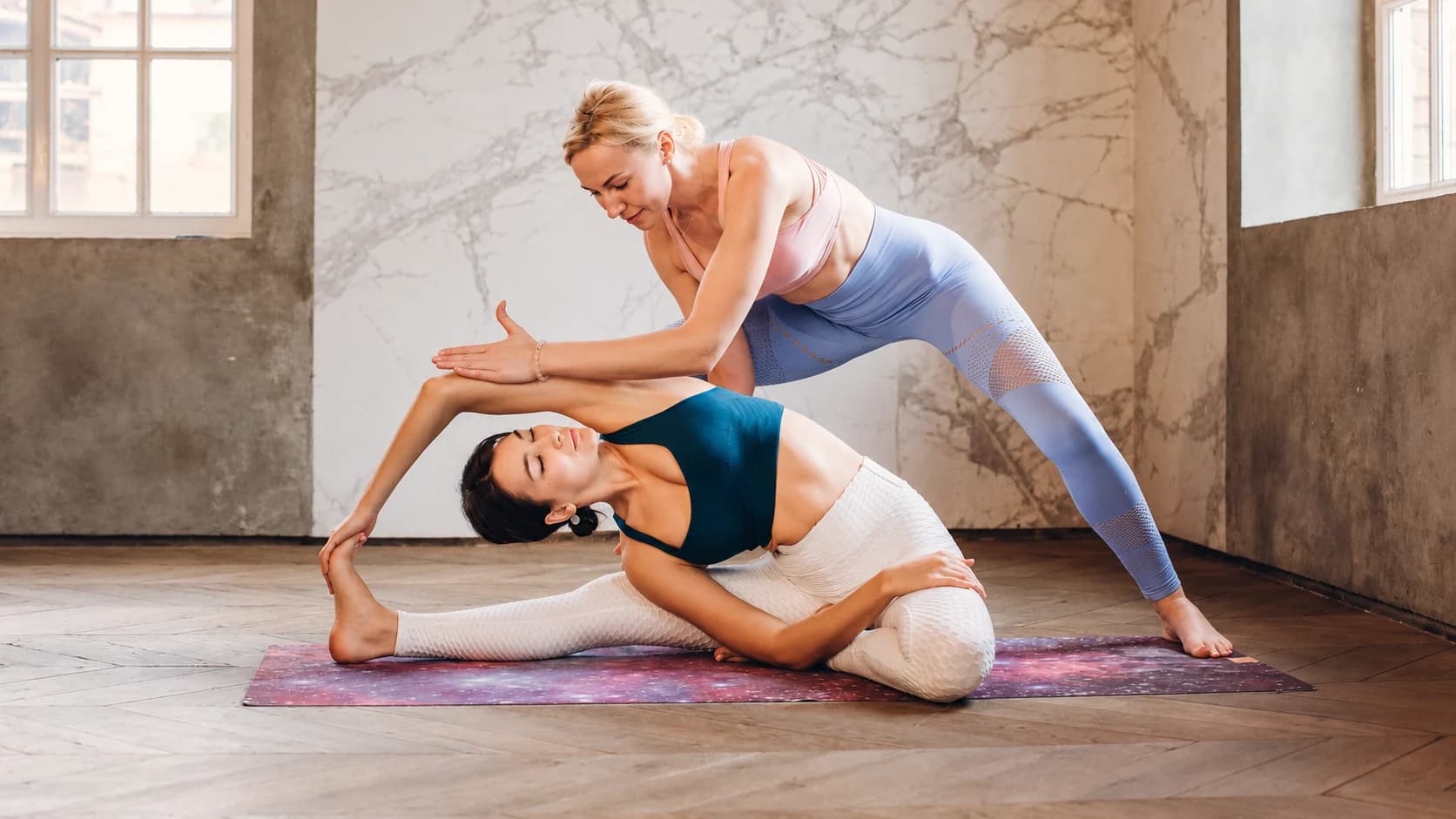
Mobility progress is easier to discuss when you know which task you are comparing and how you recorded it. A deeper-looking position in a photograph may reflect a different setup, more preparation or another attempt, rather than the lasting change you intended to track.
Start with a familiar task and a clear personal goal. Keep enough information to recognise the same task next time, then separate what you observed from what you think caused it.
How to track mobility progress: choose the goal first
Mayo Clinic's fitness-planning guidance recommends recording a starting point, setting clear goals and monitoring progress. Apply that planning principle to the particular movement or practice you want to understand, rather than looking for one score that describes your whole body.
For example, “make this familiar reaching task more manageable” gives the record a purpose. “Look like the deepest version of this pose online” leaves important differences unspecified. The person in the image may be using another position, support or task altogether.
Write the task's name and the reason you care about it. If a professional has already taught you a measurement method, retain those instructions and units. If you are keeping practice notes without a defined measurement procedure, describe the observations honestly as notes rather than inventing a range-of-motion score.
Repeatable flexibility measurements need a repeatable method
A 2020 study by Holzgreve and colleagues examined repeated range-of-motion tests in twenty-two healthy young sports students. Most of its test conditions showed immediate range changes across repeated attempts. The act of testing can therefore affect the reading; that study does not demonstrate lasting improvement from a measurement session.
The paper also discusses differences in warm-up and repetition protocols. For a method you already use, record prior activity, preparation and which attempt produced the observation. Comparing an early reading on one day with a later attempt on another can mix different conditions.
This finding does not supply a universal number of attempts, a new test technique or a normal angle to reach. Follow the established procedure when one has been provided, rather than repeating a check until you obtain the number you wanted.
A mobility progress log you can reuse
This is a blank note format for an already-learned task. It is not a test or a clinical assessment:
| Field | What to record |
|---|---|
| Date and task | Date; the task's exact name or existing instructions. |
| Personal purpose | What you want that task to help you do. |
| Setup | Surface, footwear, support and relevant positioning details. |
| Side | Which side, when the existing task distinguishes sides. |
| Before the observation | Prior activity and preparation. |
| Attempt | Which attempt you are recording. |
| Observation | The defined reading and units, or a plain-language note. |
| Changes | Anything that differed from the previous record. |
Fill in the method before interpreting a result. A number without its units or procedure gives you little to compare. Likewise, a photo without the setup may preserve the appearance of a position while leaving out what made it different.
Use the same record format to make missing information visible. “Preparation not recorded” is an honest entry; guessing later creates detail you did not observe. You can improve the next record without rewriting the earlier one to look more precise.
Two pairs of records, with different conclusions
| Illustrative pair | Earlier entry | Later entry | What you can say |
|---|---|---|---|
| More comparable familiar task | Right-side taught reach; same support face and usual preparation; attempt 1; “manageable return” | Same side, support face, preparation and attempt 1; “return felt easier” | A more useful same-task observation to discuss; no invented ROM score or diagnosis |
| Conditions changed | Taught reach; support face not recorded; preparation not recorded | Different support face; longer preparation; attempt 3 | The conditions changed; preserve the missing earlier fields rather than backfill guesses |
These are fictional note-reading examples. For the concepts behind the goal, define range and control goals; keep this page focused on repeatable records.
Keep supports part of the record

When supports belong to your familiar practice, their arrangement is part of the task. A block resting on a different face changes its height. A different strap adjustment changes the setup. Record those details before interpreting the position you can reach.
The PBGGAME cork block pair with D-ring strap contains two cork blocks and one woven polyester strap with paired D-rings. Each block has a nominal size of nine by six by four inches. The block-care specification is to wipe with a dry cloth.
Choose the blocks and strap as supports for a practice you have already learned. Record your measurement method separately, and select the amount of support that helps you perform the intended task with control.
For the log, name the arrangement you actually used. That keeps an equipment change visible instead of quietly counting it as a change in your movement.
Compare the observations before explaining them
Suppose two records show a different position, but the second also lists a different block orientation and more attempts. You have recorded several changes. The honest conclusion is that the conditions differed; the record alone does not tell you how much of the position change represents a lasting adaptation.
If the setup and method match more closely, you have a more useful comparison to discuss. Keep the personal goal alongside it. A reading can change without answering every question about how a familiar task feels or functions, and a practice note cannot diagnose a limitation.
The mobility versus flexibility guide helps clarify the movement goal. The active versus passive range-of-motion guide explains why identifying who produces the movement also matters. Keep those questions clear before comparing a number or a photograph.