Sleep and Exercise Recovery: Fit Training Around a Real Schedule
Compare real training slots with your sleep opportunity, use age-specific sleep references, and keep calendar changes separate from predictions about readiness.
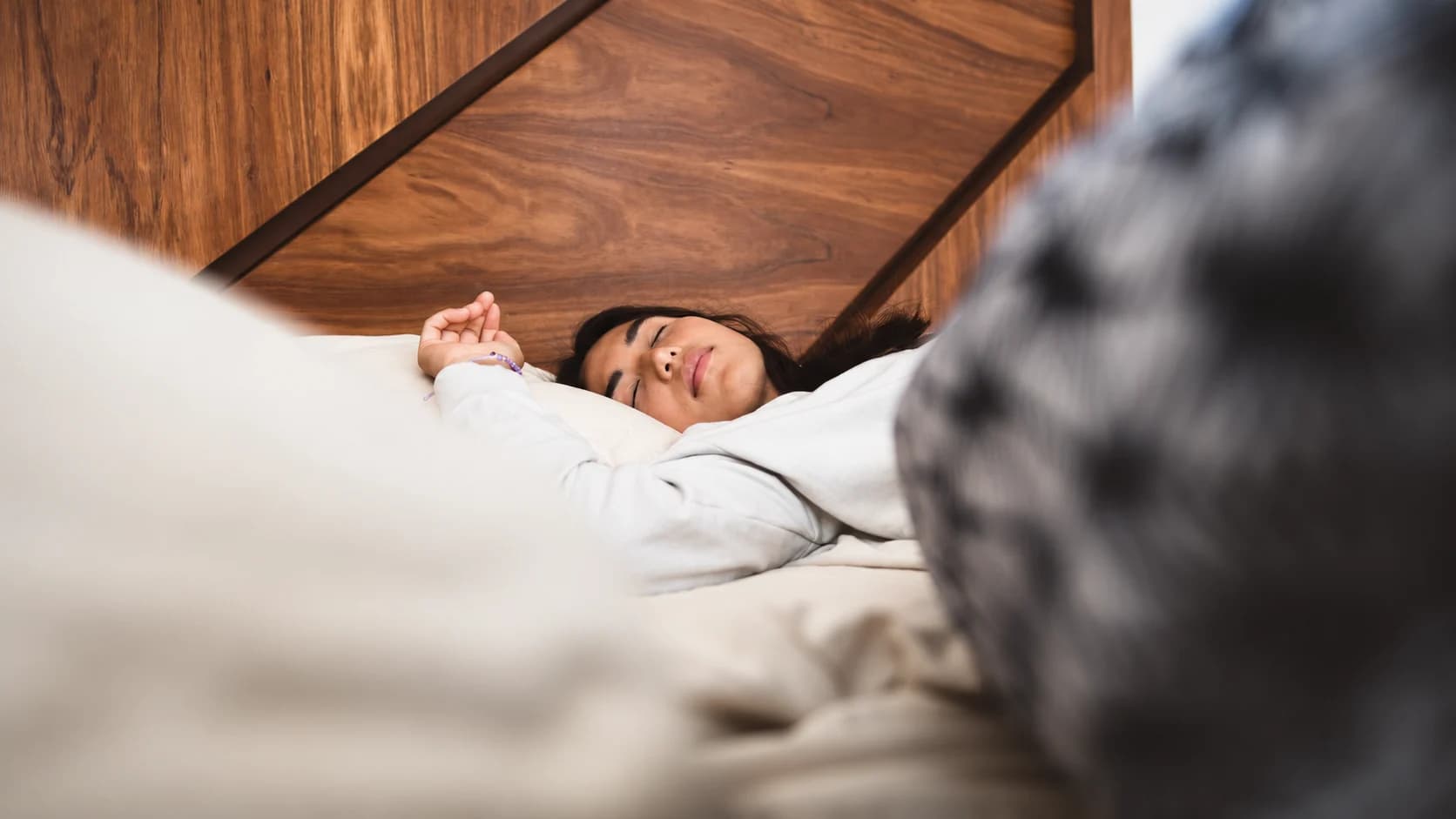
Sleep and exercise recovery belong on the same calendar. An earlier alarm can create a training slot by reducing the time available for sleep. Moving or shortening that slot changes the scheduling trade-off, although a calendar cannot tell you exactly how ready you are to train.
Start with the week you can actually manage: work, travel, family commitments, preparation time and your usual sleep opportunity. Then decide where exercise fits, rather than treating sleep as whatever time remains after everything else is scheduled.
Use an age-specific sleep reference
Sleep for workout recovery involves more than finding one number to aim at. The CDC's sleep guidance gives age-specific adult references:
| Adult age | CDC daily sleep reference |
|---|---|
| 18–60 years | Seven or more hours. |
| 61–64 years | Seven to nine hours. |
| 65 years and older | Seven to eight hours. |
CDC also emphasises sleep quality, including uninterrupted sleep and feeling refreshed, and recommends consistent bedtimes and wake times. A time window on a calendar does not measure any of those experiences. If trouble sleeping is regular, discuss it with a healthcare provider rather than trying to solve it solely by rearranging exercise.
Use the reference with its age group attached. It is not a score that confirms a workout has been recovered from, nor a reason to ignore how you are actually sleeping.
Keep the research population and question attached
The PubMed abstract for Walsh and colleagues' athlete sleep consensus discusses elite athletes. It reports impaired performance after one or more nights without sleep, while describing the effects of shorter partial restriction over one to three nights as less clear. That uncertainty does not establish that training after limited sleep is unaffected or safe for everyone.
The abstract also highlights individual needs and limitations in the research, including study control, measurement and the representation of women. An athlete-focused finding should retain that context. It cannot be converted into a personal rule such as “losing this many minutes means reducing every exercise by this percentage.”
For everyday planning, the useful step is to notice how training, travel and other commitments compete with sleep opportunity. Exact predictions about your next session are a different question.
Compare two calendars before changing your alarm
This fictional example counts the overnight window between planned bedtime and waking. It does not measure actual sleep or prescribe a bedtime:
| Schedule option | Planned bedtime | Wake time | Overnight window |
|---|---|---|---|
| Existing routine | 23:00 | 07:00 | Eight hours. |
| Earlier alarm for a new morning slot | 23:00 | 06:00 | Seven hours. |
| Exercise moved to an available daytime slot | 23:00 | 07:00 | Eight hours. |
The arithmetic makes the trade-off visible. The early slot has not created an extra hour in the day; it has moved an hour out of the overnight window. Moving exercise later preserves that particular window only if the daytime slot genuinely exists and the rest of the schedule still works.
You may have a different bedtime, a changing shift or no usable lunchtime. Use your own times and include the commitments you cannot move. The purpose is to compare real options rather than copy the example's clock times.
Fill the surrounding appointment as well as the overnight window
| Your option | Bedtime → wake time | Actual training window | Travel, changing and preparation | What still needs to fit |
|---|---|---|---|---|
| Keep current schedule | _____ → _____ | _____ | _____ | _____ |
| Move the exercise slot | _____ → _____ | _____ | _____ | _____ |
| Use a shorter already-written option | _____ → _____ | _____ | _____ | _____ |
Training when sleep is limited: make the scheduling choice explicit

When a week becomes crowded, identify which parts of the plan you can change. You might move a session to another available day, choose a shorter version already included in your training plan or leave out an extra session. Those are scheduling decisions, rather than a new exercise prescription for a tired person.
Count the surrounding tasks as well. Travelling to the gym, changing, showering and getting home all use time. A thirty-minute gap in the diary is not automatically thirty minutes available for exercise. Seeing the whole appointment can reveal why a session keeps pushing bedtime later even when the workout itself seems short.
Once you have selected an option, describe the choice clearly: “I moved the session to keep the usual bedtime” is more informative than “I will recover better.” The first reports a change you made. The second assumes an outcome the timetable has not measured. Keep the practical adjustment and the hoped-for result separate when reviewing how the week went.
Pack session items before the available slot
If gathering your ordinary gym items takes up the beginning of a planned session, the PBGGAME navy-and-white duffle bag is one carry option. It contains one bag with carry handles, a detachable adjustable shoulder strap, zipped storage and a rear trolley sleeve. Clothing, bottles and other personal items shown in photographs are not included.
Pack your change of clothes and personal items together before leaving, and compare the PBGGAME bag's dimensions and carrying options with your route and storage space. Keep packing as a practical preparation step alongside the sleep and training decisions discussed above.
If the calendar problem concerns an easier day rather than fitting a full session, the active recovery versus complete rest guide discusses that separate choice. The cool-down guide can help keep the end of a workout visible when you allow time for it.