Stretching Equipment Guide: Straps, Bands and a First Stretch
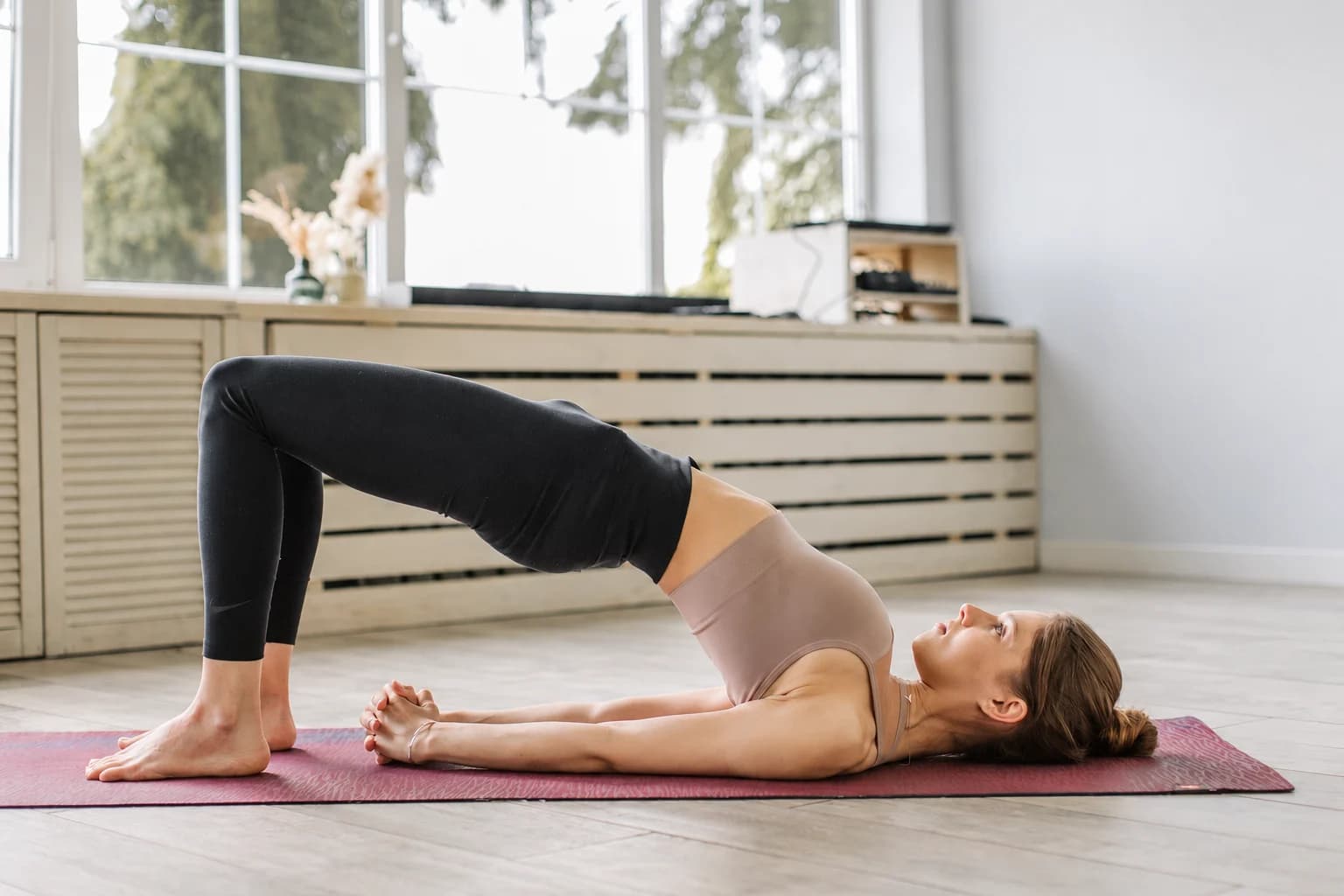
Compare nonelastic straps and elastic bands, choose working length, thread conventional D-rings, rehearse release and try one supported first stretch.
Read the storyMake room for movement.
Equipment guides, useful skills and everyday training.
Stories are ordered by first publication. Each guide shows its publication and revision dates.
25–36 of 188 stories
All topics / Newest firstCompare nonelastic straps and elastic bands, choose working length, thread conventional D-rings, rehearse release and try one supported first stretch.
Read the storyChoose and set up a mini Pilates ball, learn supported ball and light-band movements, and build a short home session with comfortable transitions.
Read the storyCompare paired and separate sets through exercise compatibility, rest instructions and the equipment you can actually use.
Read the storyUnderstand what a deload changes, how it differs from a week off, and why the plan matters more than a fixed calendar.
Read the storyUnderstand the different roles of general preparation, specific preparation sets and the main work in a strength-training programme.
Read the storyCompare common exercise-order guidance with review findings, then consider the session’s priority, technical demands and fatigue.
Read the storyRead a four-part repetition-tempo entry, check the notation key and separate a timing description from claims that one speed is always better.
Read the storyUnderstand RPE and repetitions in reserve, identify the particular scale and keep estimated effort separate from equipment labels and completed repetitions.
Read the storyUnderstand repetitions, sets, units and side instructions, then keep workout counts separate from product quantities and choosing a training dose.
Read the storyUnderstand a healthy-adult frequency reference, then distinguish actual strength activity and muscle-group coverage from gym attendance.
Read the storyRead goal-specific rest ranges alongside the limits of hypertrophy research, then separate elapsed time from readiness for the next set.
Read the storyIdentify the recurring obstacle, prepare a realistic first step and keep a fallback plan separate from your longer-term exercise goals.
Read the storyFind what moves you.
Explore the collection