How Often to Strength Train: Fit Useful Sessions into Your Week
Understand a healthy-adult frequency reference, then distinguish actual strength activity and muscle-group coverage from gym attendance.
If you are deciding how often to strength train, start with the activity you will actually complete and the muscle groups it covers. Counting visits to a gym is not enough to describe your training frequency.
The guidance below is a healthy-adult reference. Your goals and the suitability of the actual programme still matter.
Count muscle-group coverage on the calendar
| Coverage-only illustration | Day A | Day B | What the count establishes |
|---|---|---|---|
| Two suitable full-body sessions | Your plan addresses legs, hips, back, chest, abdomen, shoulders and arms | Your plan again addresses those groups | Two planned opportunities for each group, if the actual work is completed |
| Counterexample: two appointments, incomplete repeat coverage | Plan addresses all listed groups | Plan addresses only arms | Two visits; most groups appear only once |
| Your actual week | Completed activities / groups: ____ | Completed activities / groups: ____ | Groups with unclear coverage: ____ |
This is a reading example for an existing suitable plan, not a new exercise prescription. It does not select a personal load, movement or recovery interval. Use the full-body versus split discussion to compare how the work is distributed.
How often should beginners strength train?
The CDC’s adult activity guidance includes muscle-strengthening activity on at least two days each week, covering the major muscle groups: legs, hips, back, chest, abdomen, shoulders and arms.
ACSM’s 2026 resistance-training summary similarly emphasises working the major muscle groups at least twice weekly, alongside an individually suitable and sustainable approach.
This is a useful reference for understanding strength training weekly frequency. It is not a statement that two days are a universal maximum, that every two-day plan is complete or that more visits automatically produce better results.
What counts as muscle-strengthening activity?
CDC describes options including weights, resistance bands and activities that use body weight as resistance. The activity does not have to happen in a gym.
Check what you actually do within the session. Owning equipment, carrying a membership card or booking a class does not establish that the muscle-strengthening part of the plan happened. Use the activity’s instructions and purpose to understand which muscles it is intended to work.
Aerobic activity is another part of the adult guidance. Do not automatically count an appointment for your separate aerobic activity as a completed strength session simply because both take place in the same building.
Count coverage as well as appointments
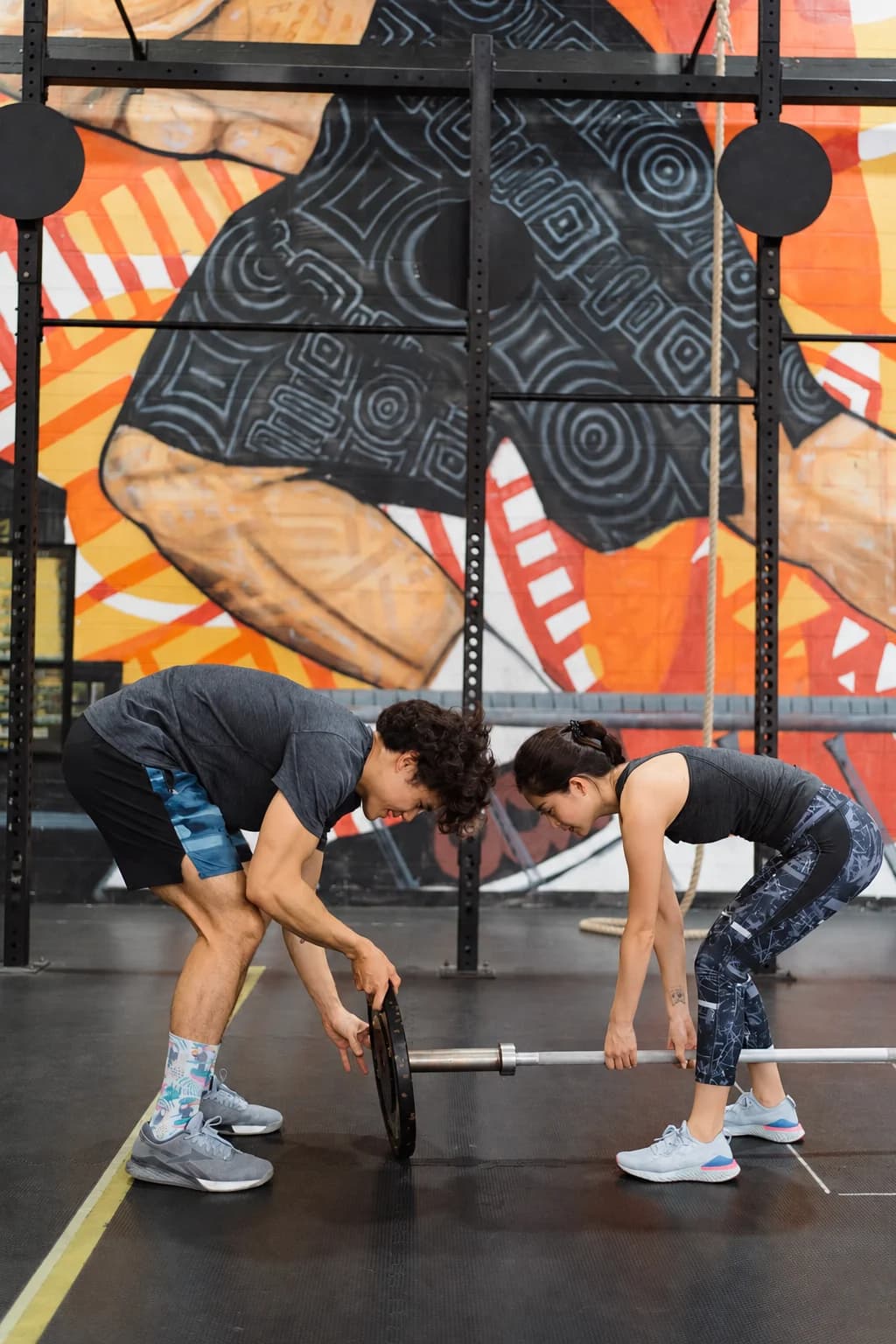
When reviewing your resistance exercise schedule, ask three questions:
- On which days did you actually complete the planned strength activity?
- Which major muscle groups did that work address?
- Does the week provide the intended repeated work across those groups?
For example, a week with one planned strength session and two visits devoted only to separate aerobic activity is not three strength-training days. Likewise, a total visit count does not tell you whether a particular muscle group was included.
This is a check of the programme you are following, not a request to add extra exercises at random. If the coverage is unclear, use a suitable written plan or ask an appropriately qualified instructor to explain it.
Choose a schedule you can sustain
ACSM’s summary puts regular participation and personal suitability ahead of unnecessary complexity. Start with the days you can reliably use, then choose an appropriate plan that makes use of them.
If you want to compare different ways of distributing the work, our full-body versus split guide covers that separate structure decision. A format choice does not replace checking what the actual sessions contain.
The healthy-adult reference also does not prescribe one session length, individual load or fixed recovery interval for everyone. Particular athletic goals and individual circumstances need a suitable plan.
A set of bands does not choose the frequency
The PBGGAME five-piece mini-loop set contains five short, flat closed-loop bands. Natural latex is the listed material. The product information also lists a carry bag and printed guide; the selected main photograph shows the bands.
Use this format when an exercise in your chosen plan calls for short loops. Its colour grades are product-specific labels, not calibrated force measurements or a weekly training schedule.
Choose equipment to support the activity already planned. The set’s piece count does not establish how many sessions you need or how often each muscle group is trained.
Keep the different time scales clear
Weekly frequency concerns how sessions and muscle-group work are distributed across the week. Rest within a session is a different question; our rest-between-sets guide explains that distinction.
Assess the planned work and the time available together, rather than treating a calendar count as the whole programme.