Supersets vs Straight Sets: Trade Time Against Competing Demands
Compare paired and separate sets through exercise compatibility, rest instructions and the equipment you can actually use.
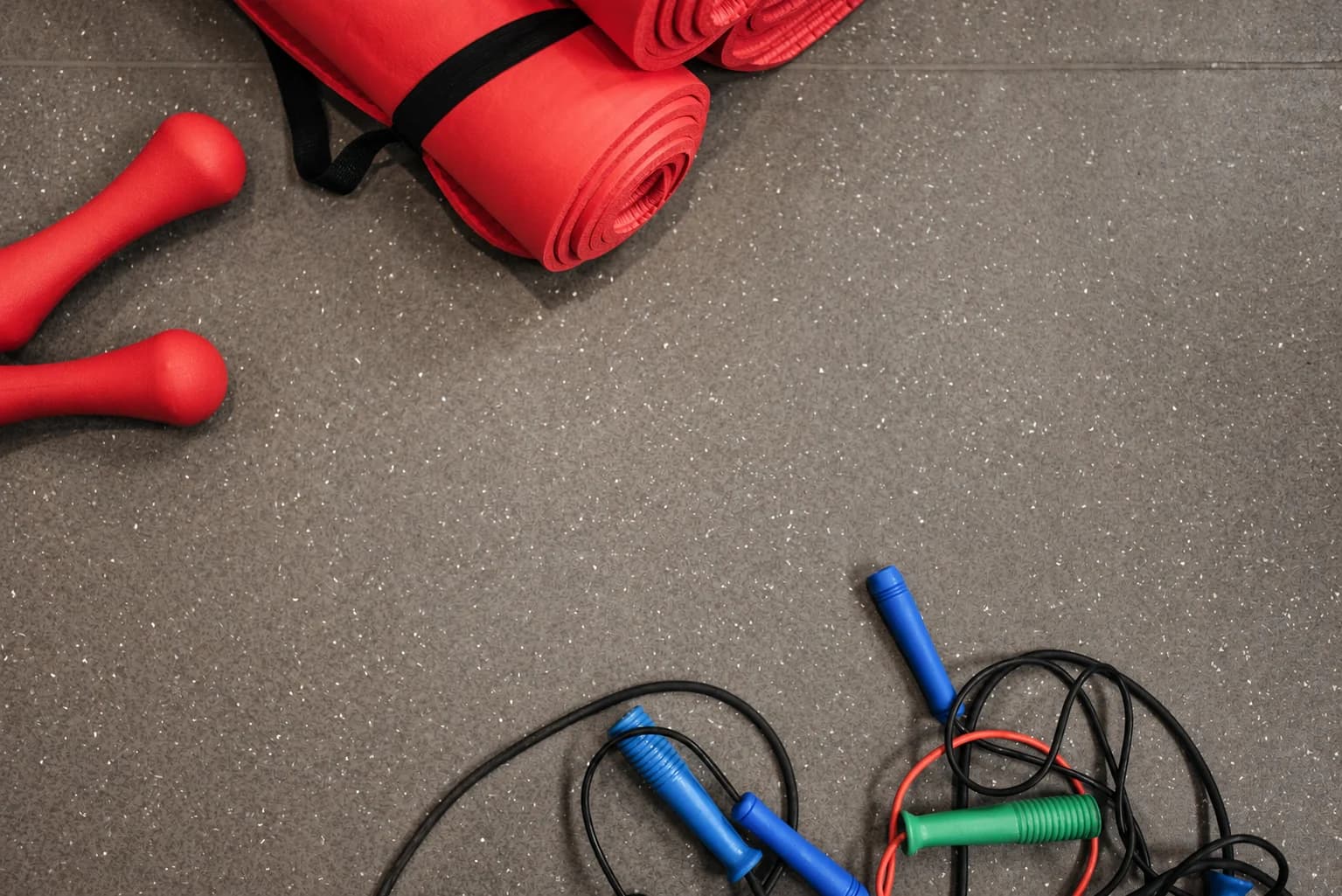
Straight sets finish the planned sets of one exercise before moving to another. Supersets put two exercises together with little rest between them, followed by a rest before the next pairing. Choosing between them involves more than fitting extra work into a shorter visit.
Supersets vs straight sets at a glance
| Organisation | How to read the sequence | Practical question |
|---|---|---|
| Straight sets | Complete the planned sets of A, then move to B | Can you give each exercise the attention it needs? |
| Supersets | Pair A with B, then repeat the planned pairing after rest | Are both stations available without rushing? |
This describes organisation, not a workout prescription. Your programme still needs to specify exercises, sets, repetitions, effort and rest.
Terminology varies. A 2022 NSCA coaching article describes opposing-muscle or upper/lower pairings as supersets and calls same-muscle pairings compound sets. The broader definition used in a 2025 review includes several pairing types. Check what a source actually paired before borrowing its advice.
What does the research suggest?
The 2025 systematic review and meta-analysis by Zhang and colleagues included 19 studies and 313 participants, mostly young trained men. Superset sessions were generally more time-efficient but involved higher perceived exertion. Some pairings, particularly same-muscle combinations, could reduce volume load—the amount of weight lifted across repetitions—compared with traditional sets.
The review did not detect significant differences in longer-term strength or hypertrophy outcomes. The longer-term evidence was limited, so this does not establish that every pairing produces equivalent results. It also does not support a promise of extra muscle or fat loss from doing exercises back to back.
The useful comparison is the exact pairing and its rest structure, rather than the label alone.
Check the setup before pairing exercises
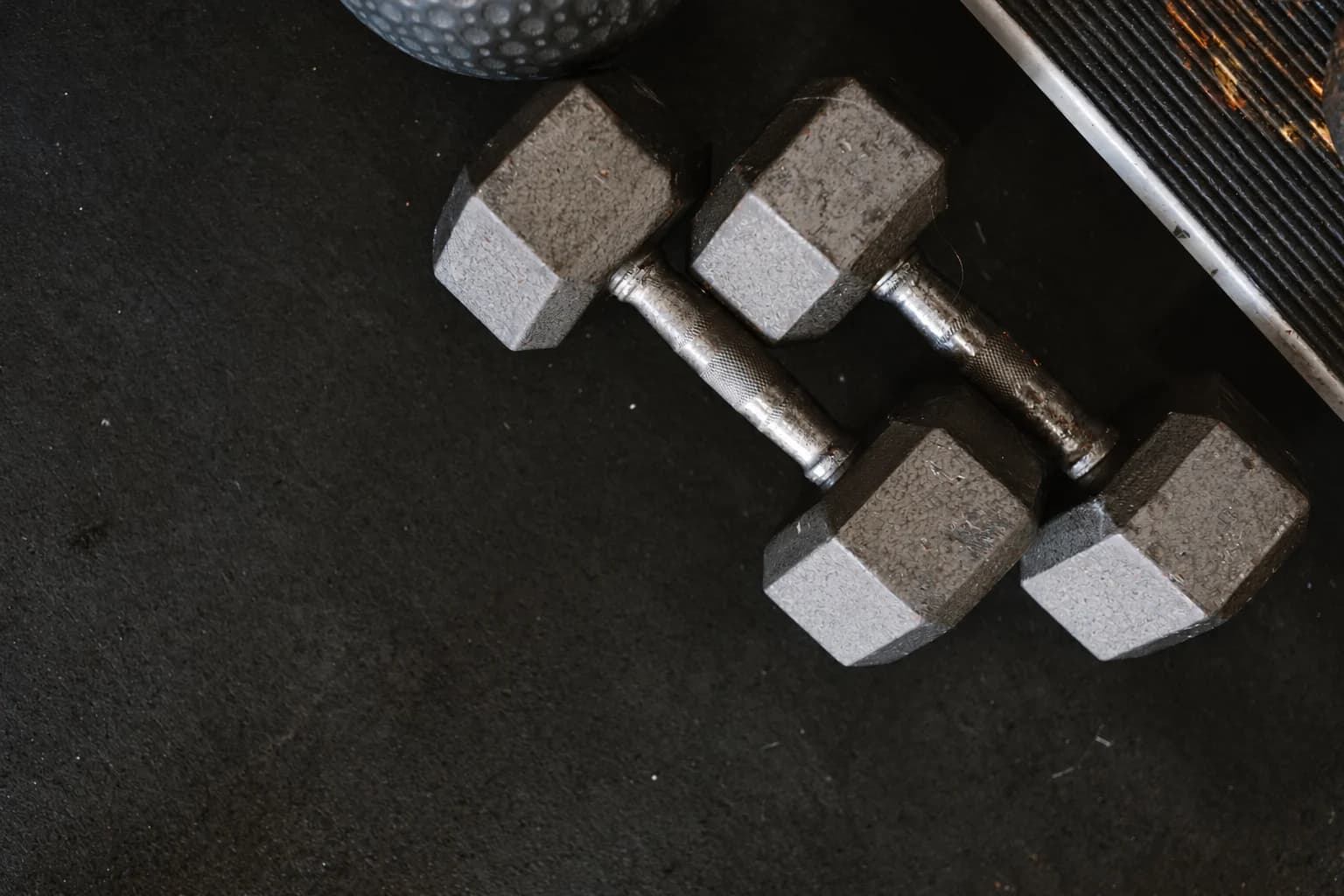
In a shared gym, look at the actual journey between exercises. A pairing that depends on two busy stations may be difficult to follow as written. Waiting for equipment, moving possessions across the room or feeling obliged to hurry can undermine the practical reason for choosing it.
For a paired-exercises workout, ask whether both items can be used in the same available area, whether you can leave a clear route, and whether changing the setup is simple. Follow the facility's rules rather than occupying several stations by assumption.
Also notice whether the first exercise makes the second difficult to perform as instructed. Record that observation alongside the planned work instead of treating a shorter clock time as the only sign of success. If the plan is unclear about the pairing or a station is unavailable, ask its author how to adapt it. Straight sets remain a straightforward organisational option when the pairing is impractical.
Write both recovery instructions into the pairing
| Format | Between A and B | Before repeating the pair or set | What to copy from the actual plan |
|---|---|---|---|
| Straight sets | B begins after the planned A sets are complete | Use the stated recovery between A sets | Exercise, sets, effort and rest |
| Superset | Little or no rest only when the programme says so | The separate recovery after the pair still applies | Transition time and between-pair rest are different entries |
Superset rest periods still matter
Little rest between the paired exercises does not mean no rest anywhere in the session. The NSCA example includes recovery after each pair. The review's protocols also vary, so a number copied from one example cannot stand in for all supersets.
Look for two instructions: the transition from A to B, and the recovery before starting the next pair. If the programme only says “superset”, the missing rest information is worth clarifying. Our guide to rest between sets explains why the next effort matters when interpreting a rest interval.
Equipment should fit the pairing
For programmes that already use light dumbbells, the PBGGAME 1kg dumbbell pair contains two fixed dumbbells with narrowed grips. The listed 1kg is per dumbbell, not a measure of how demanding a pairing will feel.
The long-loop band set with detachable foam grips offers long loops, mini loops and detachable handles. Changing to a band is not automatically a like-for-like replacement for an exercise in a written plan. Choose equipment from the plan's requirements rather than treating a product list as a ready-made superset.