Rest Between Sets: Make Recovery Serve the Next Effort
Read goal-specific rest ranges alongside the limits of hypertrophy research, then separate elapsed time from readiness for the next set.

Strength training rest periods should help you perform the next set, rather than turn the whole session into a race against one universal timer. Start with the instructions in your programme and the goal of the next effort.
If you are asking how long to rest between sets for beginners, look for a suitable plan first. A reference range can help explain the choice, but it cannot establish the right interval for every exercise, load or person.
Use goal-specific ranges as references
World Rugby’s conditioning material on rest periods gives different intervals for different traditional resistance-training goals. Two examples are:
| Goal in World Rugby advanced coaching | Reference interval | Context and limit |
|---|---|---|
| Hypertrophy | 90 seconds to 3 minutes | Advanced rugby-conditioning reference; not a beginner prescription |
| Strength | 3 to 5 minutes | Traditional strength work in the same coaching material; not a rule for all tasks |
These are reference ranges from advanced rugby-conditioning education, not a personal beginner programme or a rule for circuit training. The material explains the role of recovery in reducing fatigue before the next set.
Use the numbers to understand why a strength-focused session may allow more recovery than a short interval suggests. Do not assume that the shortest possible break is the most productive one, or that every exercise needs the same rest.
Keep the population beside the rest number
| Source and context | Outcome or purpose | What not to infer |
|---|---|---|
| World Rugby advanced conditioning reference | Traditional resistance-training goals in advanced rugby coaching | A beginner’s required timer or universal minimum |
| Singer 2024 systematic review | Measured muscle hypertrophy in the included adult studies | A personal 90-second ceiling or an answer for every power task |
What the muscle-growth research shows
A 2024 systematic review by Singer and colleagues examined nine studies with 19 measurements of muscle hypertrophy. It suggested a small possible advantage to resting longer than 60 seconds, while noting substantial uncertainty and differences between studies.
The evidence for additional hypertrophy benefits beyond 90 seconds remained unclear. That is not a finding that longer rest is useless, nor a personal 90-second ceiling. The review concerns muscle growth; it does not establish the ideal interval for every strength or power task.
The participants were healthy adults, with many studies involving young, untrained people over relatively short interventions. Some studies matched sets rather than total volume load. Avoid treating the results as proof that every routine or training load was identical.
Make the pause serve the next set
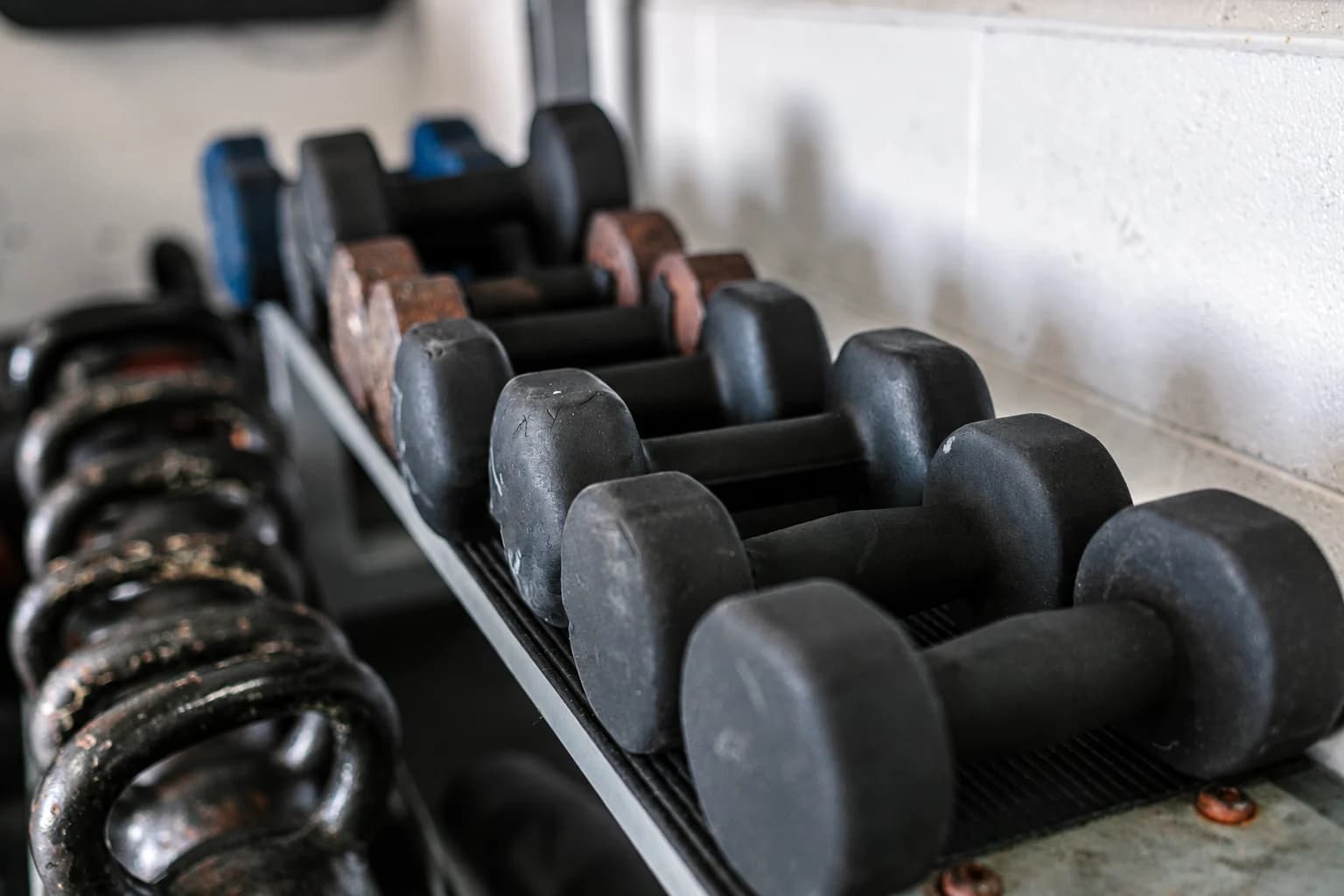
Begin with the rest specified in an appropriate programme. Then consider whether the next effort can be carried out as intended. A timer shows elapsed time; it does not show that the load, technique or overall session suits you.
If the intended next set repeatedly becomes difficult to complete as instructed, review the plan with a qualified instructor. Rest is one part of the question alongside the exercise, load and amount of work. Simply shortening the timer does not resolve those other choices.
Also be clear about what happens during the pause. Filling the interval with another exercise changes the session you are following. Check whether that is part of the actual plan rather than automatically replacing recovery with extra work.
A repetition counter is not a rest timer
The PBGGAME adjustable hand-gripper pair contains two manual grippers with springs, adjustment knobs and mechanical counter windows. The selected option is a pair of black grippers.
Use the counter windows to record repetitions and time rest separately. Treat the adjustment markings as references for repeating your selected setting, while choosing recovery time according to the exercise, effort and movement quality you want to maintain.
Choose the equipment for the activity in your plan. The coaching ranges and research above do not assign an individual gripper routine or promise a particular outcome from this product.
Separate in-session rest from the weekly schedule
Rest between exercise sets is one decision. How you distribute sessions across the week is another. Our full-body versus split guide discusses weekly structure without treating the number of training days as a result by itself.
Keep both decisions connected to the work you actually intend to do. A consistent plan is easier to assess than repeatedly changing the timer and the routine together.