RPE vs Reps in Reserve: Describe Effort More Clearly
Understand RPE and repetitions in reserve, identify the particular scale and keep estimated effort separate from equipment labels and completed repetitions.

RPE vs RIR compares a perceived-effort rating with an estimate of repetitions remaining. In resistance training, the two can be linked by a particular scale. First check which version of RPE your plan uses.
The number describes an estimate of effort. It is separate from the weight on the equipment, repetitions already completed and a recommended target for every person.
What the two terms describe
RPE means rating of perceived exertion. RIR means repetitions in reserve: an estimate of how many additional repetitions you could complete while meeting the exercise’s required movement standard.
Helms and colleagues’ application review explains a resistance-training RPE scale anchored to repetitions in reserve. It also discusses other scales, including the original Borg 6–20 scale and other perceived-effort systems.
Those scales are not interchangeable just because they use some of the same numbers. A bare entry of “8” needs a scale and context before it can be interpreted.
Use the correct RIR-based anchors
NASM’s RIR explanation describes examples for the specific lifting scale:
| RPE on that RIR-based strength scale | Estimated repetitions remaining |
|---|---|
| 8 | About two |
| 9 | About one |
| 10 | None |
These entries explain the scale. They are not recommended effort targets for beginners or an instruction to test the estimate by continuing to failure.
Do not turn the examples into an unconditional “10 minus the number” formula for every RPE system or every point on a scale. The low-effort descriptions and anchors also matter. In particular, do not apply this table to the original Borg 6–20 scale.
Record the scale as well as the number
| Task and movement standard | Completed work | Scale named | Estimated reserve | Interpretation |
|---|---|---|---|---|
| Fictional familiar lift; same stated movement standard | The prescribed repetitions were completed | RIR-based resistance-training RPE | About two repetitions | RPE 8 on this specific scale; an estimate, not a target |
Treat an estimate as an estimate
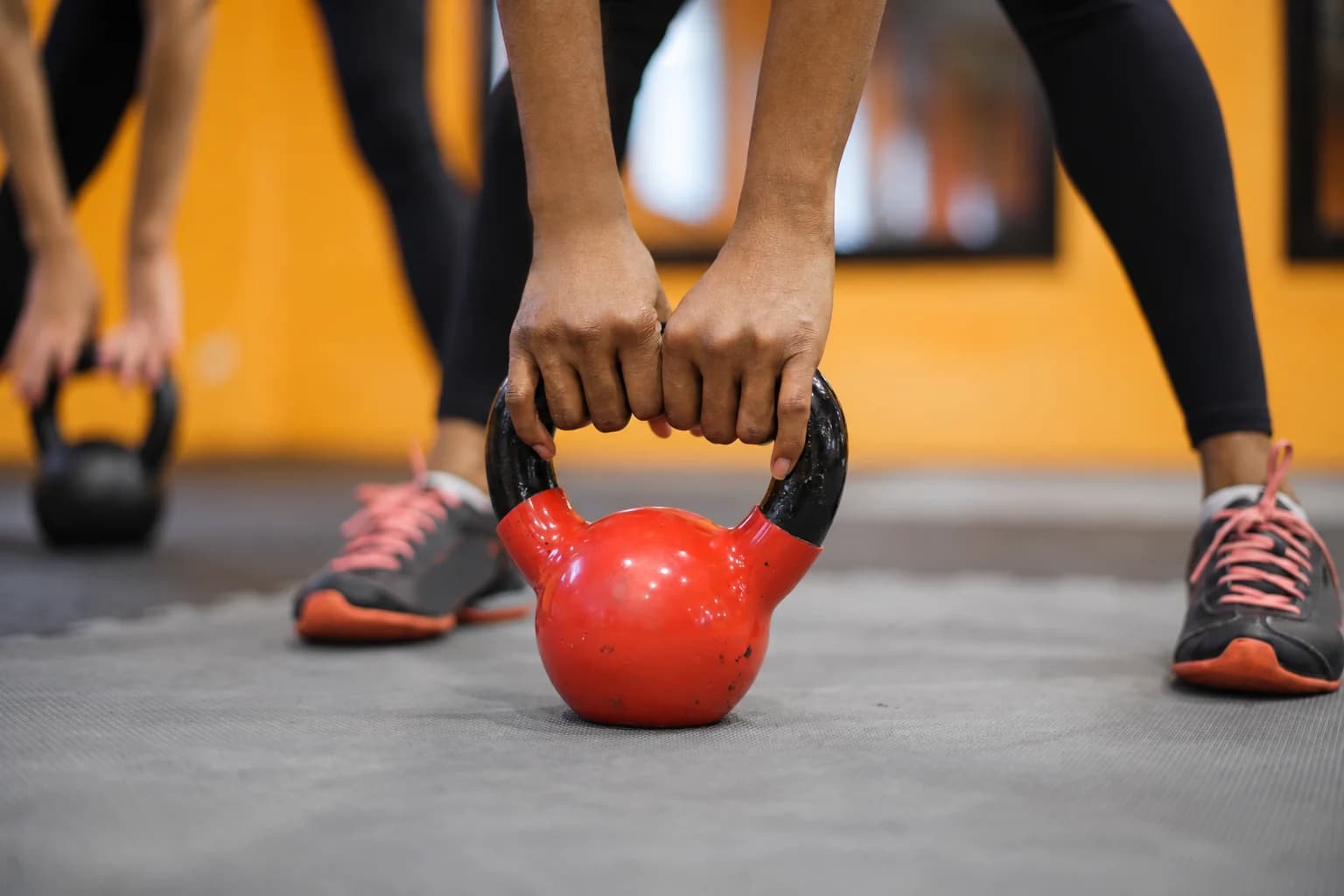
A repetitions in reserve scale depends on your judgement of the remaining work. Familiarity with the exercise and the movement standard matters. The Helms review and NASM explanation both discuss limitations when people are still learning to judge effort.
That does not make the description useless. It means that the estimate should be communicated with its context, rather than presented as an instrument reading with guaranteed precision.
Keep these different observations separate:
- The repetitions you actually completed.
- Your estimate of further repetitions remaining.
- The perceived-effort rating and the scale used.
- The physical load or product setting.
A facial expression or a photograph does not supply those missing details. Neither does a number printed on equipment establish the effort you experienced.
Equipment labels do not report RPE
The PBGGAME steel push-up handle pair contains two framed handles with textured grips and contact pads. The selected construction is listed as alloy steel with silicone components. These are product details, not an effort-measuring function.
The PBGGAME long-loop and mini-loop set A includes five long closed-loop bands, five mini loops and listed accessories. The selected product image shows the band formats and accessories; its model levels and colours are not RPE or RIR scores.
Choose the format for the exercises in an appropriate plan. Neither the number of bands nor the shape of the handles supplies a personal effort target or a calibrated resistance measurement.
Ask what the plan means before changing it
When a plan uses RPE or RIR, check the scale, which effort is being rated and the movement standard for the exercise. If the notation is unclear, ask the author or an appropriately qualified instructor before using it to change the training load.
A rating alone does not teach the exercise or establish a fixed percentage of maximum load. This explanation does not prescribe a progression rule.
Our sets-and-repetitions guide covers completed repetition counts and plan notation. Keep those counting instructions separate from an estimate of what might remain.