Compound or Isolation Exercises First? Let the Priority Decide
Compare common exercise-order guidance with review findings, then consider the session’s priority, technical demands and fatigue.
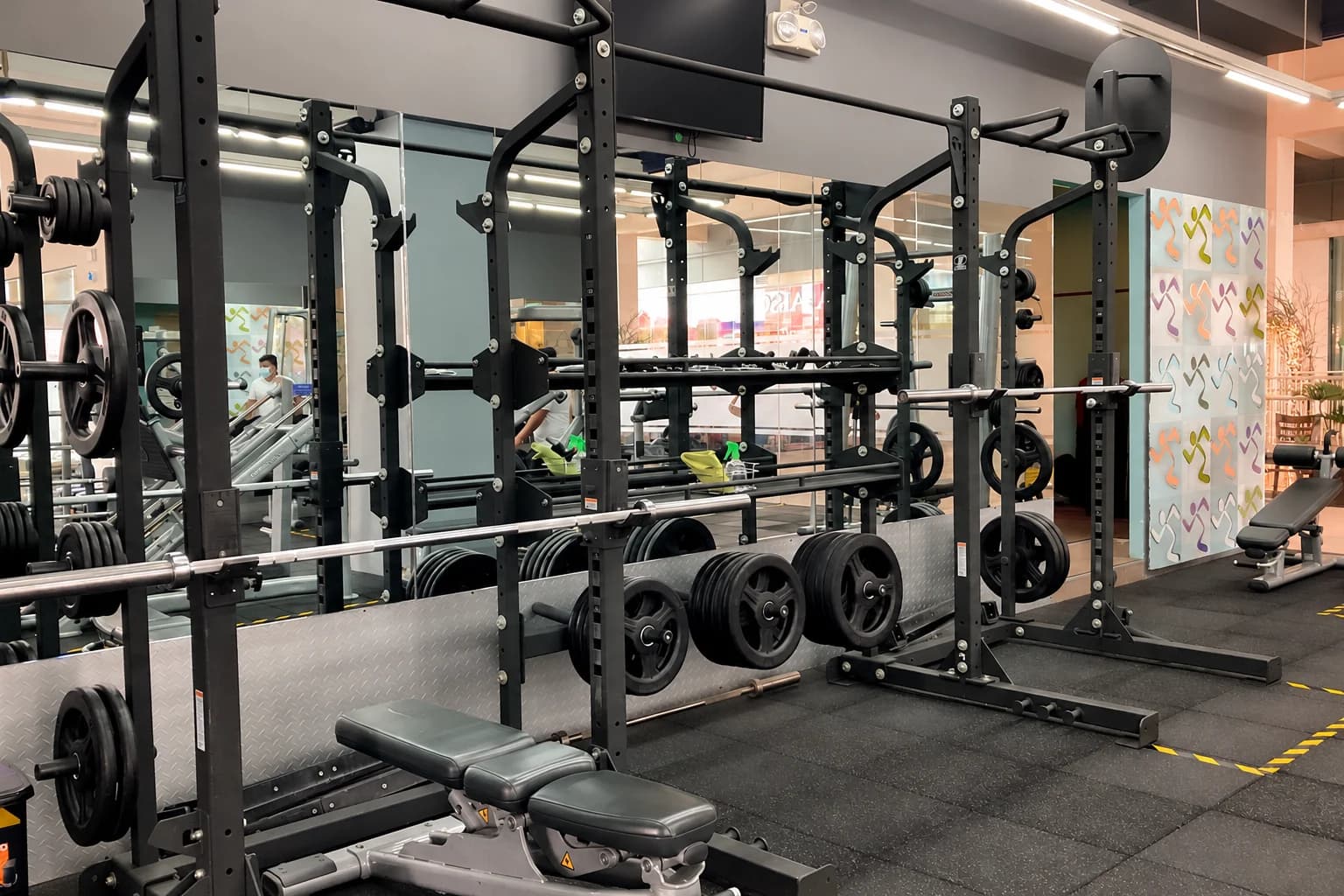
If you are deciding whether compound or isolation exercises come first, identify the session’s priority and the demands of the movements. Exercise order in strength training is part of the programme, rather than a rule you can settle from an equipment label.
A common coaching default is to do demanding work before fatigue builds. The particular goal still matters.
Understand the exercise descriptions
Compound and isolation are descriptions of exercises. Multi-joint movements involve more than one main joint; single-joint movements focus on one main joint. A piece of equipment can be used in different movements, so the product name does not classify every possible use.
HPRC’s exercise-selection guidance discusses a conventional sequence that puts power or technically demanding work before multi-joint and assistance work. The guidance connects that ordering with the effects of fatigue on speed and technique.
These coaching categories are not a claim that a bigger muscle or a particular device must always come first.
What the order review found
A systematic-review abstract by Nunes and colleagues reports 11 studies. The overall pooled strength comparison did not show a statistically significant order difference, but the separate analyses were more informative: multi-joint strength gains favoured multi-joint exercises first, while single-joint strength gains favoured single-joint exercises first.
That supports asking which exercise performance is the priority, rather than treating compound-first as an absolute rule.
The review did not detect a significant order difference for muscle hypertrophy. That does not prove strict equivalence between every sequence, provide an injury-risk comparison or establish that the participants were all beginners. The public abstract does not supply an individual programme.
Clarify the priority before the order
| Two familiar taught tasks, not a full session | Priority you would name first | Why order needs a reason |
|---|---|---|
| Multi-joint push: an already learned push-up version | Quality or performance of that specific pushing task | Decide whether doing another demanding task first would obscure it |
| Single-joint arm task: an already learned curl | Quality or performance of that specific curl | The priority can be a single-joint task; equipment category does not overrule it |
Name the task, its technical needs and the outcome before deciding the order. Use the home arm guide or push-up contact guide for the movement lesson; then return to the written programme’s full order and recovery instructions.
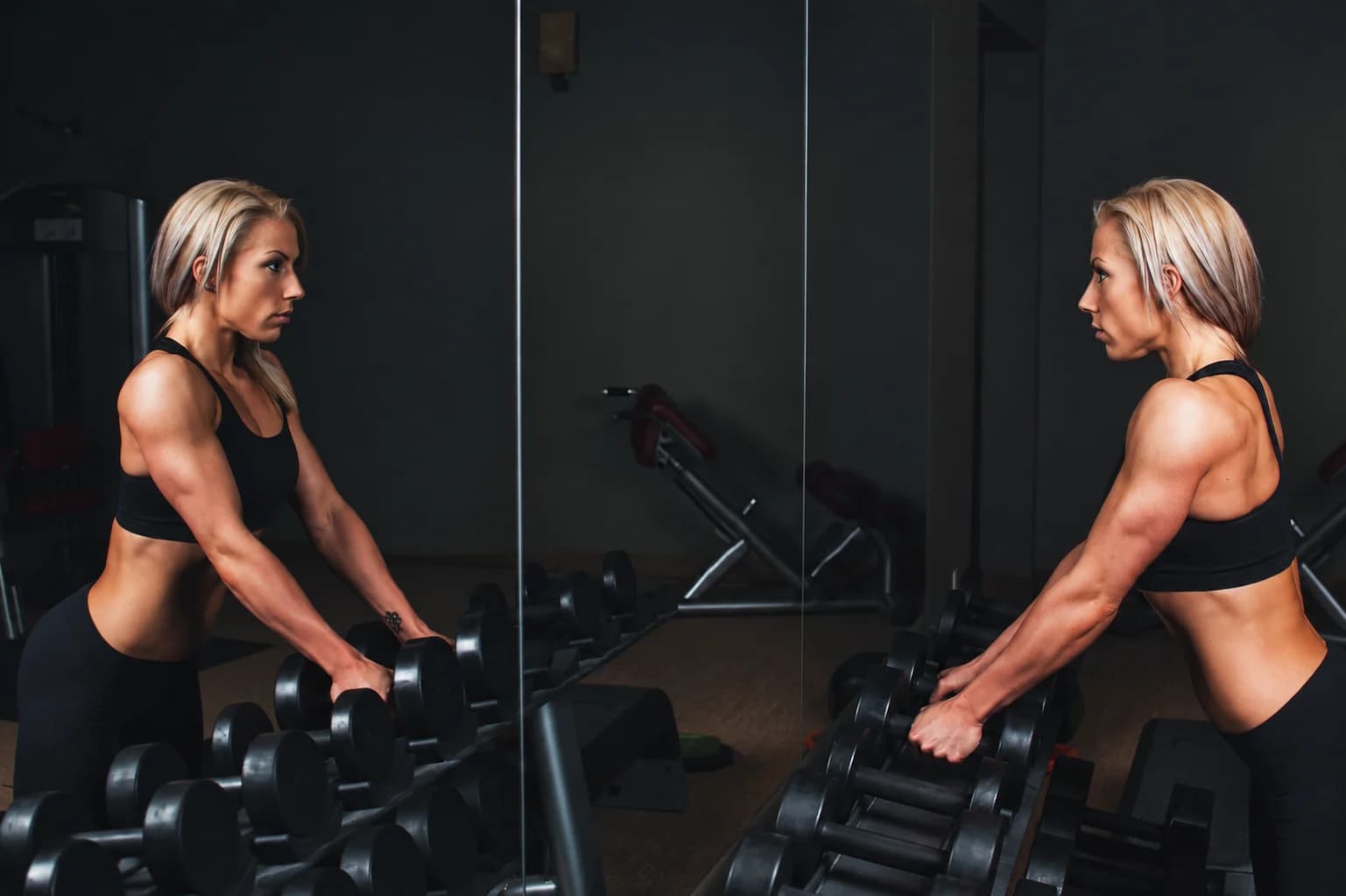
Putting priority exercises first means identifying what the particular plan is trying to improve, rather than simply selecting a favourite movement. Ask which task needs the most reliable practice or the clearest assessment of performance.
Technical demands belong in the same discussion. HPRC’s conventional guidance puts demanding speed and technique work early because fatigue can affect later performance. That is a coaching rationale, not a guarantee that one sequence will be suitable or prevent injury for everyone.
If a plan specifically prioritises a single-joint task, the review supports considering that priority when deciding where it belongs. It does not mean you should automatically reverse an entire session. The remaining exercises, amount of work and rest instructions still form part of the plan.
Also consider practical changes. If a planned station is unavailable, doing a different exercise first changes the sequence. Clarify how an alternative fits the goal instead of assuming the change cannot matter.
Read the written order and ask why it was chosen before changing it. A suitable instructor can help explain the trade-offs between the priority, technical demands and the rest of the session.
Two equipment formats, separate from the order
The PBGGAME manual hand-gripper pair contains two adjustable spring grippers with mechanical counter windows. Each handheld unit has a front adjustment knob and a visible spring.
The PBGGAME foam-grip handle pair contains two complete handles with wide bases and foam-covered grips. It provides a different equipment format from the hand grippers.
Use the relevant exercise instructions to understand the actual movement and joint actions. Then check where that exercise belongs in your programme. The ordering decision comes from the session’s priority and movement demands, rather than the retail equipment category.
Keep order separate from other instructions
The order of exercises is different from the sets and repetitions within each exercise. Our workout-notation guide explains those counts.
Rest between sets is another programme detail. Our rest-period guide discusses why a single timer does not answer every recovery question. Read those instructions alongside the exercise order rather than changing all of them together.