Warm-Up Sets vs Working Sets: Prepare Without Using Up the Session
Understand the different roles of general preparation, specific preparation sets and the main work in a strength-training programme.
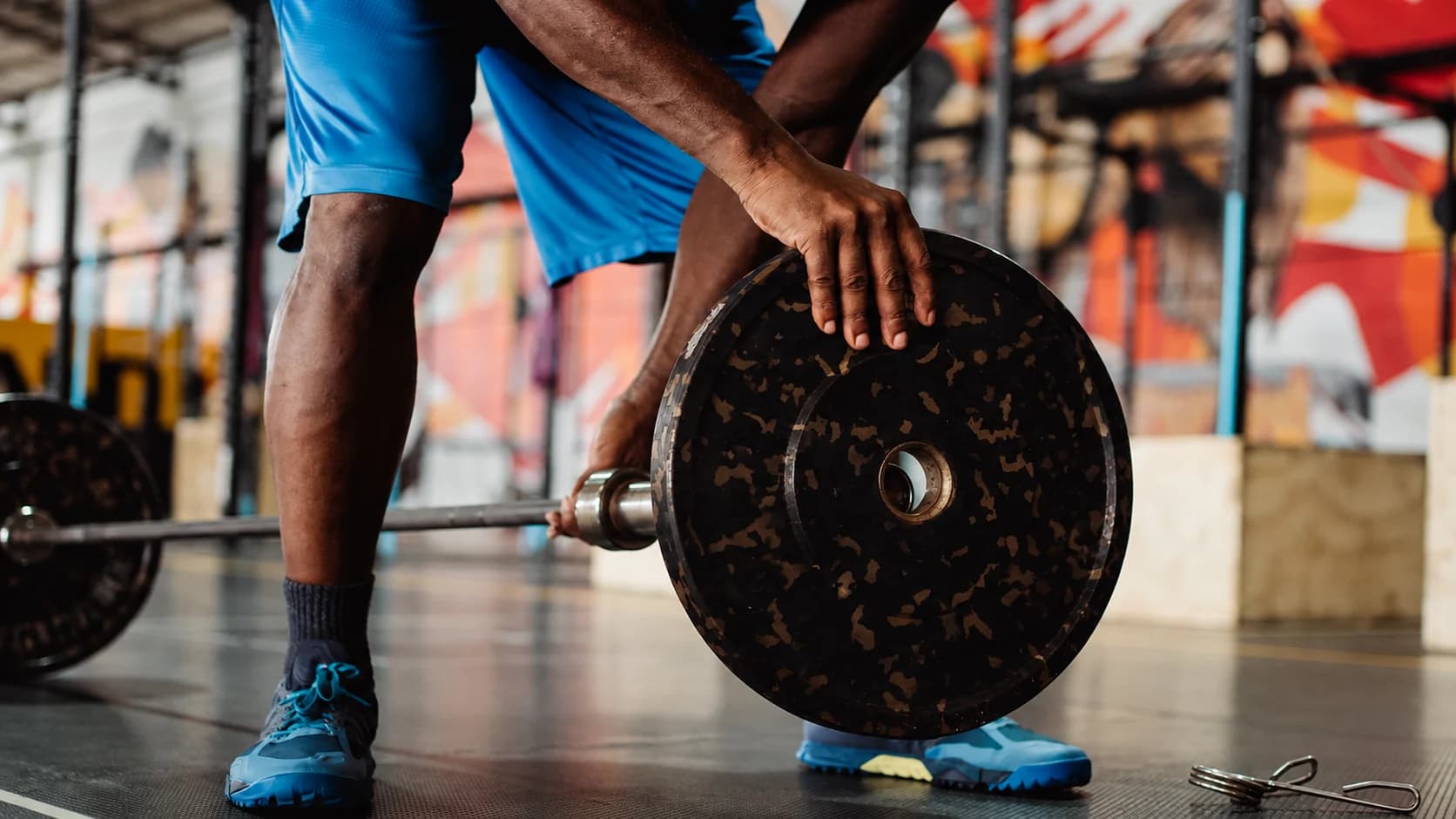
Warm-up sets and working sets have different roles in a programme. Preparation sets help you approach the planned task; working sets are the main work identified by your programme.
Read those labels in the context of the actual plan. A light-looking weight, a particular band colour or an entry of “three sets” does not explain the whole session by itself.
General preparation and specific preparation
NSCA’s introduction to dynamic warm-up distinguishes general preparation from preparation that more closely resembles the task to follow. It describes warm-up as purposeful preparation, rather than simply another word for stretching.
Specific preparation uses a lower-intensity version of the relevant activity and a gradual transition toward its demands. The amount needs to fit the person, task and goals while avoiding unnecessary fatigue.
That principle does not establish one number of warm-up sets, one percentage or one exercise sequence for everyone.
What counts as a working set?
In this guide, a working set means a set identified as part of the programme’s main training work. A preparatory set has a different purpose: getting ready for that work.
Check how the author labels the plan. Do the displayed set totals include preparation, or are the preparation sets listed separately? If a table says “3 × 8,” do not assume the answer without reading its headings and notes.
Our sets-and-repetitions guide explains how to read the count itself. The warm-up label adds information about the set’s role, rather than changing what a repetition means.
A fictional plan line makes the labels visible
| Plan label | Written task | Rest instruction | Count as working sets? |
|---|---|---|---|
| Preparation | The plan’s specified easier rehearsal of exercise A | Read its separate rest field | No, when the plan labels it preparation |
| Working set 1 | The plan’s main exercise A instruction | Read its separate rest field | Yes |
| Working set 2 | Repeat the main instruction only as written | Read its separate rest field | Yes |
Use a proportionate preparation plan
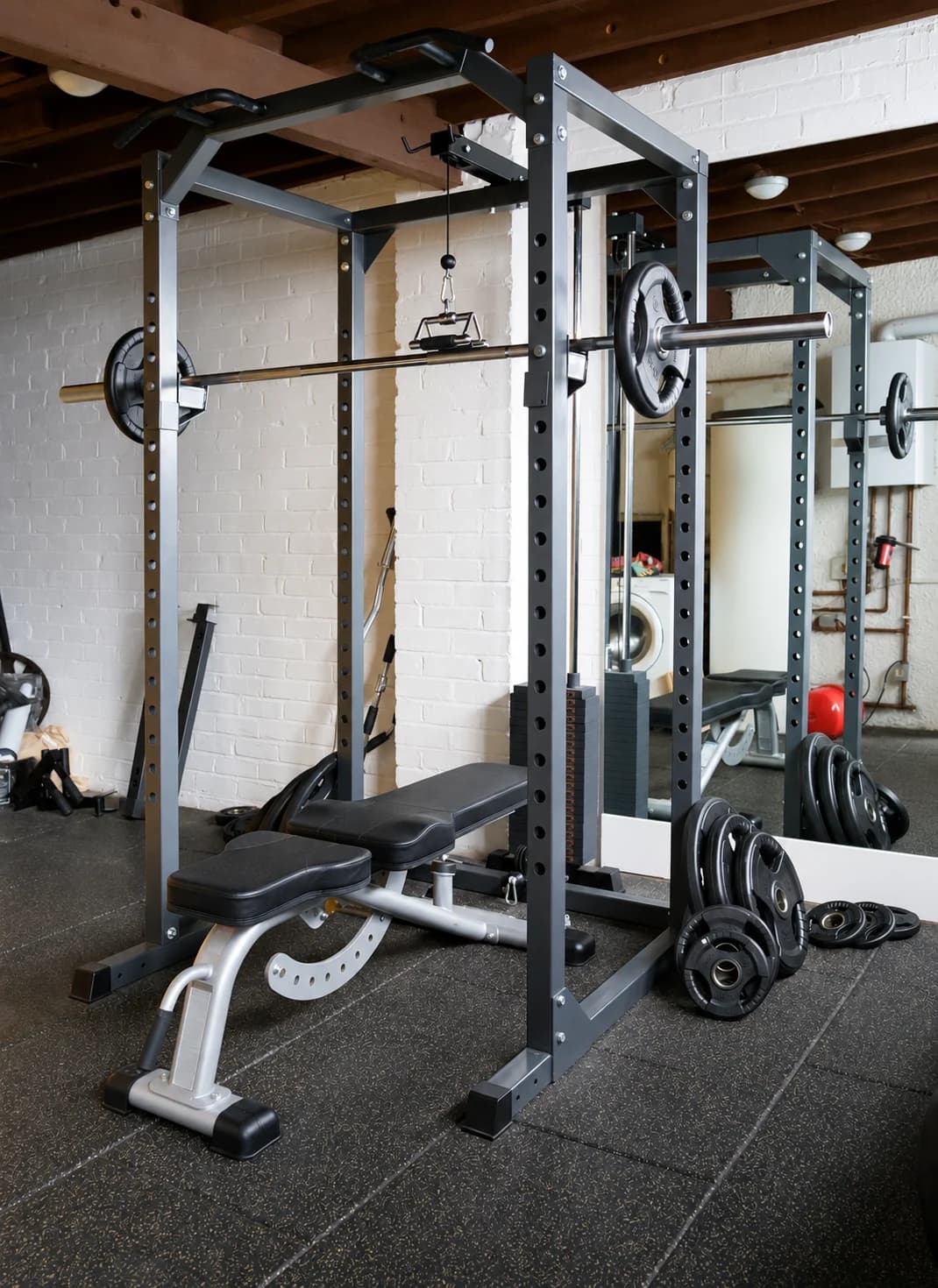
If you are planning ramp up sets for strength work, identify the task you are preparing for before choosing extra sets. Preparation should relate to the movement and demands ahead, rather than become a separate challenge with no clear purpose.
Before you prepare for working weight, check:
- Which exercise and main work are actually planned?
- What preparation instructions does the programme provide?
- How does the preparation approach the task gradually?
- Does it leave you able to carry out the intended main work?
A fixed percentage copied from another person’s routine cannot answer those questions by itself. If the plan does not explain its preparation, ask the author or an appropriately qualified instructor to clarify it.
Keep the rest and set instructions connected to the plan too. This comparison of roles is not a new warm-up calculator or a progression programme.
What the current review can and cannot establish
A 2026 scoping-review abstract by Neves and colleagues covers 19 warm-up studies and one re-warm-up study in strength-trained men. It considers short-term outcomes including maximum-strength performance, bar velocity, power and repetitions.
Some strategies may help those immediate outcomes, but the review notes limited re-warm-up evidence. The participant group and outcomes matter: the abstract does not establish a universal prescription for beginners, women or every training task.
It also does not prove long-term muscle growth or injury prevention from a particular set sequence. Avoid turning the protocols compared in the research into a fixed personal recommendation.
Equipment labels do not assign set roles
The PBGGAME light-green dumbbell pair contains two fixed dumbbells marked 1KG each. The marking identifies the nominal weight per item. It does not automatically make the pair a warm-up load or a working load for every person.
The PBGGAME five-tube resistance set includes five round-section tubes, two handles and other listed accessories. Its model colours and nominal resistance labels describe the product, rather than a universal preparation level.
Choose the equipment for the activity and instructions in an appropriate plan. A product photograph can help identify the format; it cannot identify which set you personally should perform next.