What Makes a Workout Long Enough? Purpose, Work and Practical Limits
Judge session length by its purpose and completed work, and separate preparation, recovery and time on site from the training itself.
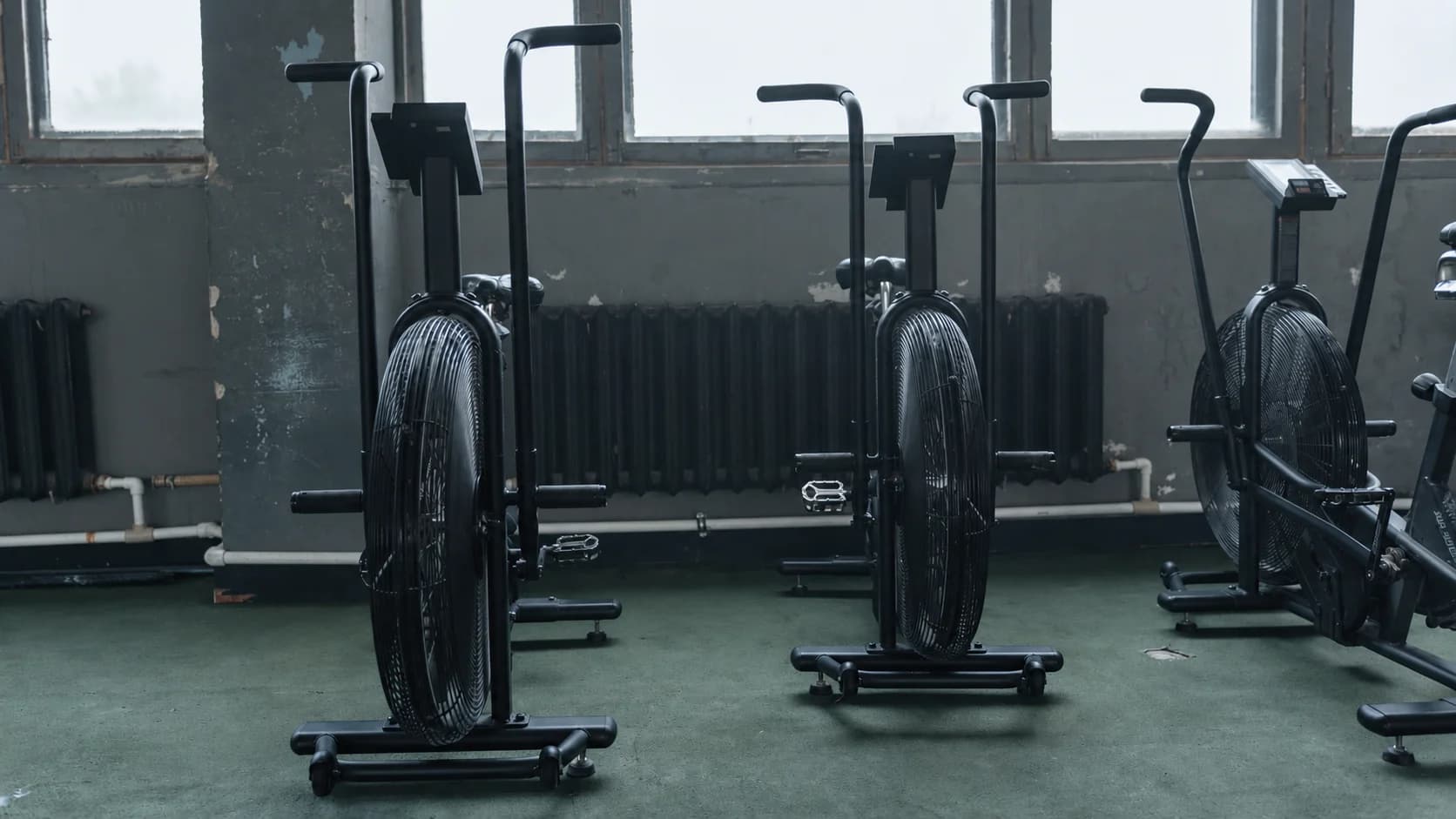
There is no single workout length that suits every purpose. Judge a session by the work it is meant to contain, then allow enough time to prepare, recover between efforts and put equipment away. The total booking time and the training you complete answer different questions.
How long should a workout be?
For adult health, CDC guidance sets weekly aerobic-activity targets: at least 150 minutes at moderate intensity, 75 at vigorous intensity, or an equivalent combination, alongside muscle-strengthening activity covering all major muscle groups on at least two days. These are weekly targets, not a rule that every gym visit must last a particular number of minutes.
For strength and flexibility, the NHS says there are no specific recommendations for how long a session should last. That does not mean all sessions accomplish the same thing. It means the clock alone is an incomplete description of the work.
Ask what you are trying to complete: the planned strength work, a period of aerobic activity, or a skill-practice task. A longer visit does not automatically add more of the activity you intended.
Separate completed work from time on site
| Record | What to include | What it helps you judge |
|---|---|---|
| Completed training | The tasks, sets or activity actually performed | Whether the session's intended work was completed |
| Preparation and recovery | Preparation activities and the rests used | Whether the plan fitted the available time |
| Time on site | Arrival, setup, training and clearing away | Whether the visit is practical in your day |
This is a recording framework, not a formula for converting every minute into an activity target. Waiting for equipment or standing still between sets is elapsed time; it does not automatically become moderate-intensity aerobic activity. Conversely, assess an active preparation task by what you actually do rather than excluding it just because it is called a warm-up.
Fill a time budget before shortening the work
| Part of the appointment | Planned time | Actual time | Count toward which purpose? |
|---|---|---|---|
| Arrival, changing and setup | _____ | _____ | Practical appointment time |
| Preparation activity | _____ | _____ | Describe what you actually did and its intensity |
| Planned working tasks | _____ | _____ | Record the task, sets or aerobic activity |
| Recovery between efforts | _____ | _____ | Elapsed recovery; not automatically aerobic activity |
| Clearing away and departure | _____ | _____ | Practical appointment time |
Give preparation and recovery a place
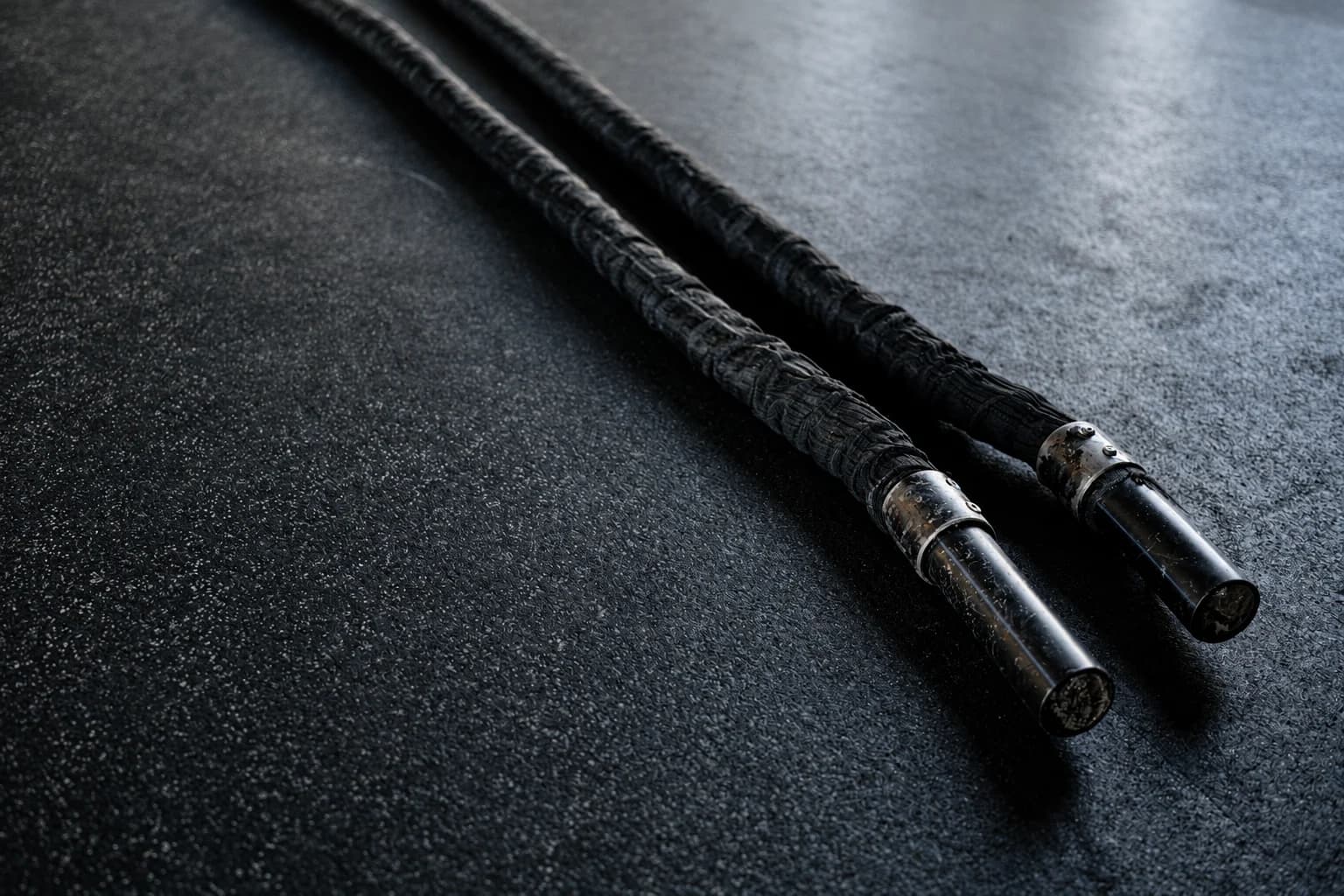
Start with the written plan and your real time window. Notice how much of the visit is taken up by finding equipment, changing the setup and moving between areas. Those details matter when you decide whether the same plan is practical next time.
Keep preparation and prescribed recovery visible in that time budget. Cutting them by default to make the session look shorter changes more than the finish time. If the plan does not fit, identify the constraint and ask its author which parts to adjust instead of silently rushing every set.
A useful training entry says what was completed and what was left unfinished. “Finished earlier” is only helpful when you know what changed. For the role of preparation sets, see warm-up sets vs working sets. For recovery between efforts, our rest-period guide explains why the next effort belongs in the decision.
Workout duration for beginners
The NHS advises starting gradually and building up. Use that principle to read a suitable beginner plan rather than treating a popular session length as a target you must fill.
An effective session length needs to accommodate the actual instructions and your current starting point. If you repeatedly have to rush transitions or abandon planned work, that is useful information for a coach or the plan's author. Extending the visit without deciding what to do with the extra time does not resolve an unclear plan.
Prepare the space you need
For a programme that already uses push-up handles, the PBGGAME wooden bar pair with wrapped grips provides two complete wooden-frame handles. The pictured inset views do not mean extra pairs are included.
For floor work, the blue cross-fold exercise mat folds for storage, with a separate storage bag listed as included. Check the space and equipment requirements of the planned task before setting up. These are equipment choices; neither determines how many minutes a session needs or supplies a complete training programme.