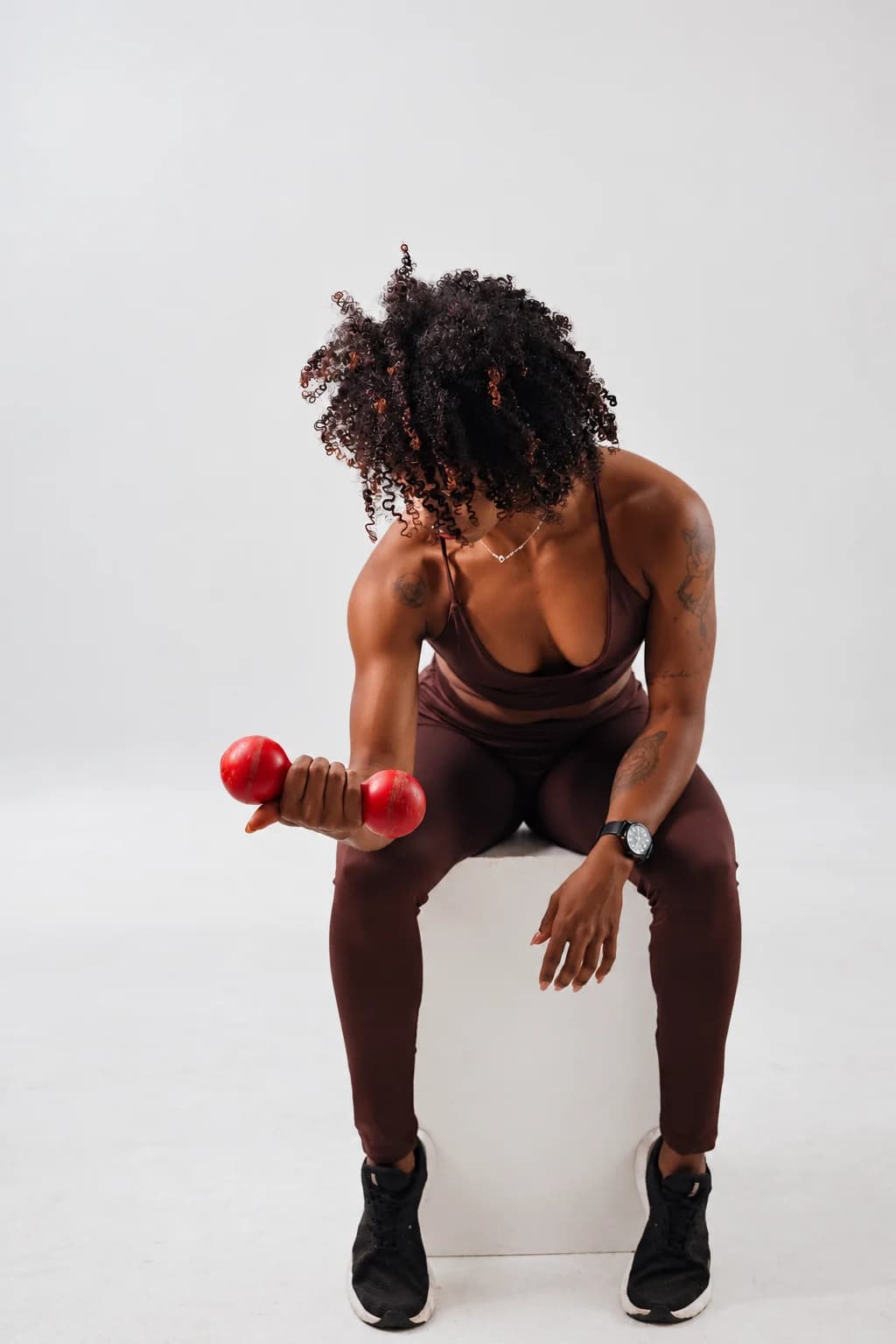
Eccentric Training: Use the Lowering Phase Deliberately
Understand eccentric and concentric muscle actions, then practise a deliberate return with a familiar curl and a load you can lift and lower yourself.

Eccentric training pays attention to a working muscle as it lengthens under tension. In a familiar dumbbell curl, the biceps helps control the return as the elbow straightens. That lowering phase is already part of an ordinary repetition; you do not need an extra-heavy weight or a partner-assisted lift to notice it.
Begin by making the return deliberate rather than letting the weight drop. Keep the lifting phase controlled too, use a manageable load and finish before you lose the position. Slowing every part of a workout is a different choice from understanding which muscle action you are practising.
Eccentric vs concentric exercise: follow the working muscle
| Same familiar curl, three moments | Named biceps action | What the frame can show |
|---|---|---|
| Start with the chosen manageable arm position | No movement direction can be inferred from a still alone | Grip, elbow and wrist before moving |
| Elbow bends: weight rises under control | Biceps actively shortens: concentric | Controlled lift, without adding a forced tempo |
| Elbow straightens: weight returns under control | Biceps actively lengthens under tension: eccentric | Return to the chosen start, not an uncontrolled drop |
Use the linked Mayo Clinic curl demonstration for the actual movement. The diagram sets no universal seconds, repetitions or end angle, and the load must remain manageable in both phases.
ACE's Muscles in Motion explanation distinguishes active muscle shortening from active lengthening under tension. Its curl example follows the biceps: it shortens as you bend the elbow to lift, then lengthens while controlling the return. Both actions can occur within the same exercise.
| In a controlled biceps curl | Biceps action | What to notice |
|---|---|---|
| Bend the elbow to bring the weight up. | Concentric: the working muscle shortens. | Lift without swinging the arm or moving the elbow away. |
| Straighten the elbow to return the weight. | Eccentric: the working muscle lengthens under tension. | Guide the return rather than letting the dumbbell fall. |
The word eccentric describes the muscle action, not a particular number of seconds. A controlled lowering can be eccentric without being extremely slow. Equally, an entire repetition performed slowly still contains different muscle actions. Follow the named muscle and movement rather than assuming that every downward motion means the same thing throughout the body.
Control the return without chasing a stopwatch
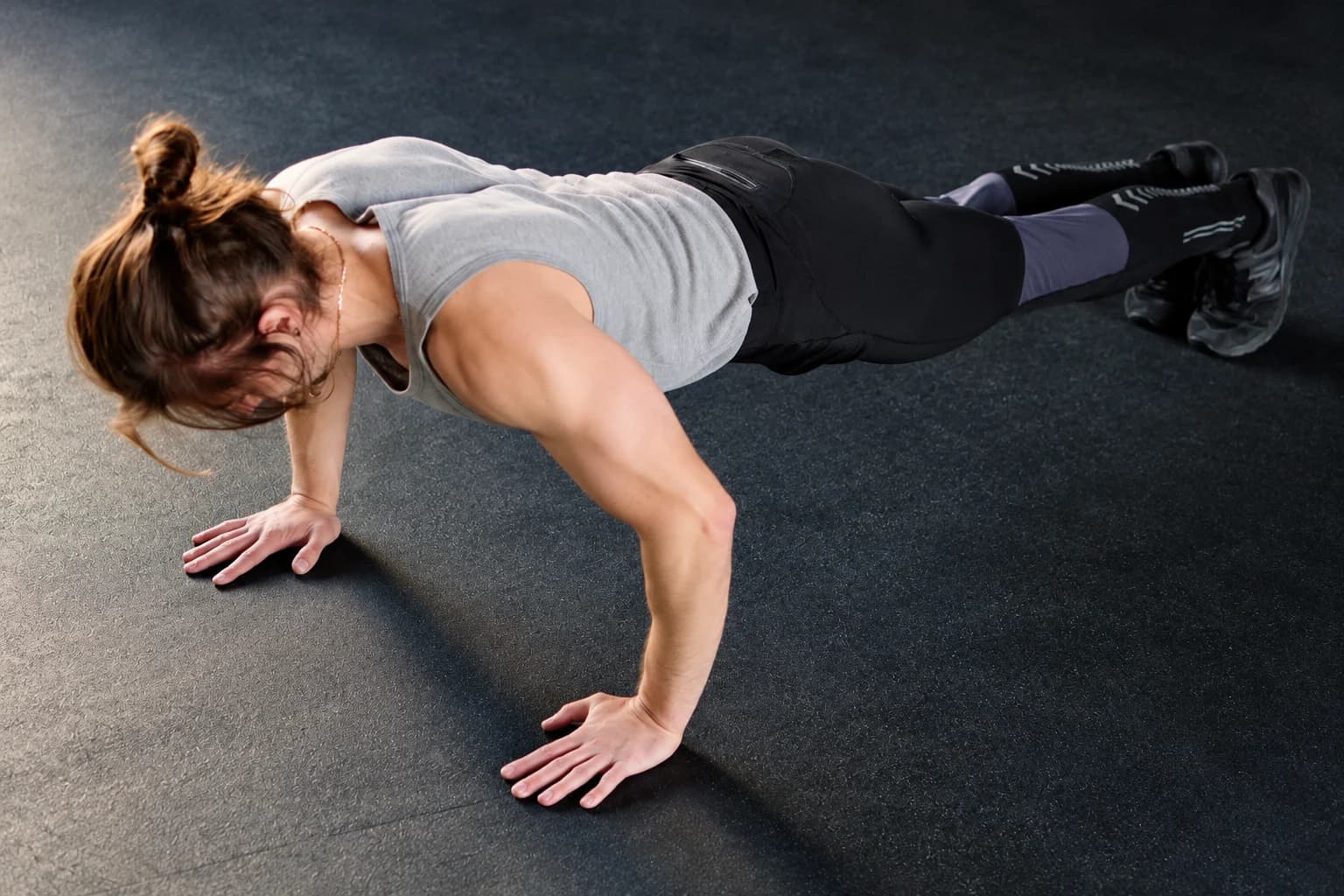
The first useful change may be simply noticing a return you previously rushed. Aim for a smooth path you can manage from start to finish. You should not need to catch the weight near the bottom, abruptly change posture or hold your breath just to make the descent last longer.
There is no required countdown in the curl example below. If counting distracts you from the grip, elbow position or breathing, leave it out. A consistent, controlled return is a clearer practice goal than stretching out the final part of the repetition after the position has already changed.
Treat a deliberate lowering as a change to the exercise, even when the dumbbell stays the same. Begin with less total work than you would choose for an ambitious new session. Do not add weight, more repetitions and a much slower descent together, because you will have less information about which change made the task difficult.
This approach keeps the lifting and lowering parts within your own control. It does not call for a load you cannot lift, an assisted start or repeated forced negatives. Those are different training methods with different setup demands; extending the descent is not a reason to improvise them.
Try a slow lowering exercise with a familiar curl
The Mayo Clinic biceps-curl demonstration uses a slow lift and a slow return, with the elbow close to the body and the wrist straight. Use a seated or standing position you can already manage, and choose a load that permits both phases comfortably.
- Hold the dumbbell with the palm facing up. Keep the elbow close to the body and the wrist straight.
- Bend the elbow to curl slowly. Keep the arm controlled instead of swinging it to start the weight.
- Lower slowly back toward the starting position. Keep the elbow and wrist controlled as the forearm returns.
- Finish the repetition and use your familiar controlled return to put the weight down when you are done. End the set before you need momentum or an abrupt descent.
Use a comfortable range rather than forcing the elbow into an end position. If the lift is already a struggle, that load does not fit this practice. Rehearse the arm movement without a weight or choose a more manageable option instead of using the other hand to hoist a heavier dumbbell into place.
Eccentric training for beginners: change one small part
Choose one familiar exercise first, rather than adding prolonged descents to every movement in the session. After warming up and rehearsing the movement, try a few comfortable repetitions with attention to the return. Stop while you can still repeat the same path and position; there is no required repetition count or hold time here.
Rest before deciding whether to repeat. Notice how the movement feels later and during ordinary activity before adding more unfamiliar work. A session does not need to produce marked soreness to count, and soreness is not a score for how well you performed the lowering phase.
Keep any record specific: the exercise, weight per hand, whether the return stayed controlled and why you stopped. If the same load becomes awkward when you pay attention to lowering, reduce it or shorten the set. There is no need to compensate with a longer set to make a lighter weight feel hard.
Use these changes as reasons to finish or reset
- The dumbbell accelerates suddenly near the end of the return.
- The arm swings, the elbow drifts or the wrist position changes to finish the repetition.
- You start holding your breath or cannot establish the next repetition comfortably.
- Pain, tingling, numbness, dizziness or unexpected loss of control occurs.
Put the weight down under control before changing the load or setup. Persistent symptoms or movement restrictions need individual guidance. Deliberate lowering is a technique choice for a manageable exercise, not a treatment plan or a test of how much discomfort you can tolerate.
Choose a load you can lift and lower
The PBGGAME light-green dumbbell pair supplies two light-green fixed-weight dumbbells listed with a neoprene exterior coating. Each is labelled 1 kg, making 2 kg the nominal mass of the pair. The curl practice can use one dumbbell; simultaneous two-arm work is not required.
Choose the 1 kg option when that load suits both the lift and the controlled return. Keep the lowering phase consistent with your exercise instructions, and select a lighter load or an unloaded rehearsal when learning the movement. Change the load deliberately rather than extending the lowering indefinitely to make the weight feel harder.