Unilateral vs Bilateral Training: Different Demands and Useful Choices
Compare unilateral vs bilateral training by the task you want to practise. Organise exercise choices, left-right counts, rests and resistance clearly.
Unilateral vs bilateral training is a choice about the task you want to practise. In a unilateral exercise, one arm or leg performs the main action; in a bilateral exercise, both contribute together. Choose the movement, support and resistance that fit your session, then make the sets and side counts clear.
You can use both arrangements in a programme. The useful question is which version serves the work you want to do, rather than which label should replace every other exercise.
Unilateral vs bilateral training: choose the task first
A 2025 systematic review and meta-analysis compared unilateral and bilateral resistance training across nine studies. Strength results favoured the format practised: bilateral training favoured bilateral strength outcomes, and unilateral training favoured unilateral outcomes. The review did not detect a clear muscle-growth difference between formats; that finding does not establish that their effects are identical.
The available research supports making the task specific to your goal. It does not give every reader a reason to choose the same format. Start by naming what you want to practise and which version you can organise with control.
| Movement family | Bilateral example | Unilateral example |
|---|---|---|
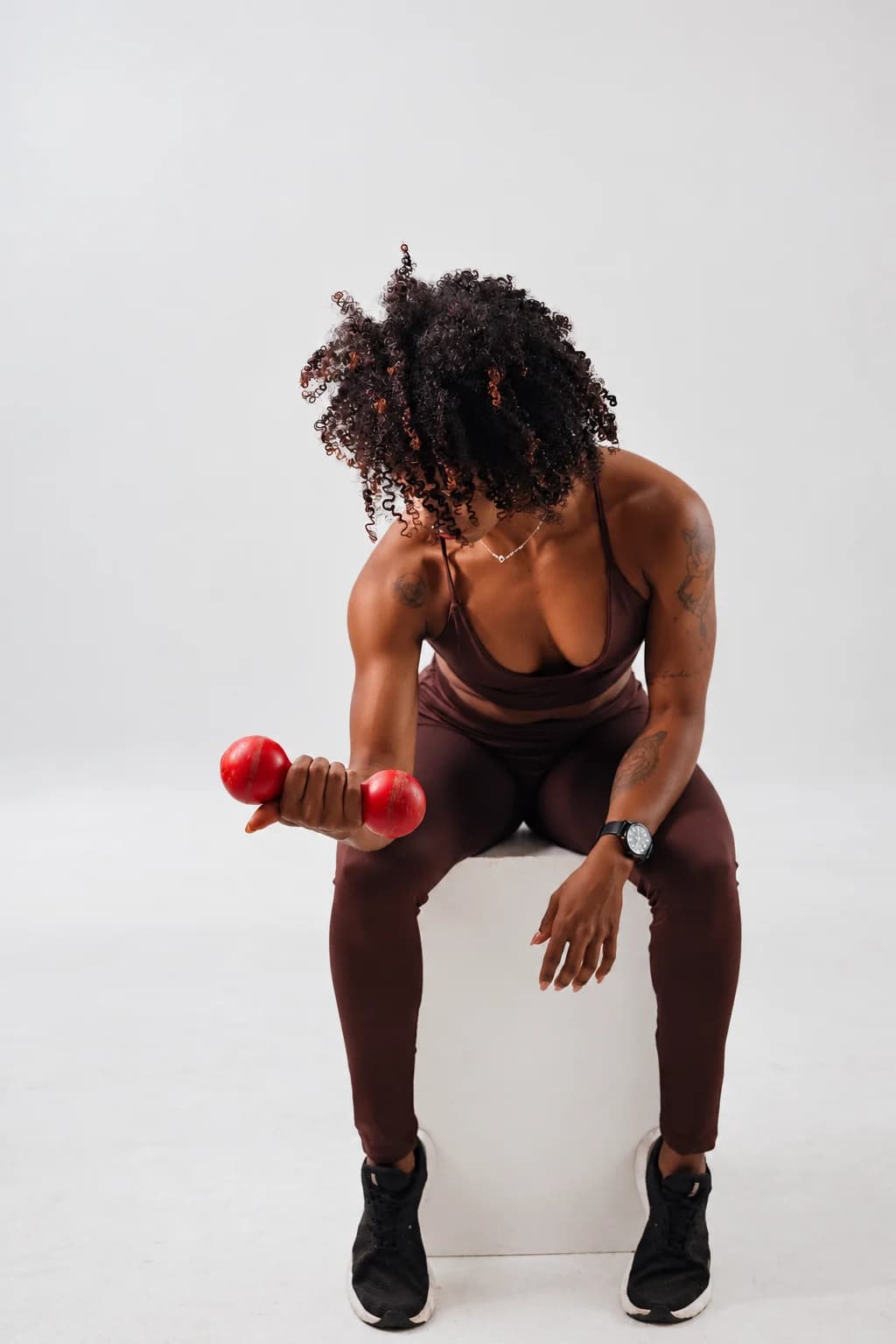
| Curl | A simultaneous two-arm curl. | A curl with one working arm. |
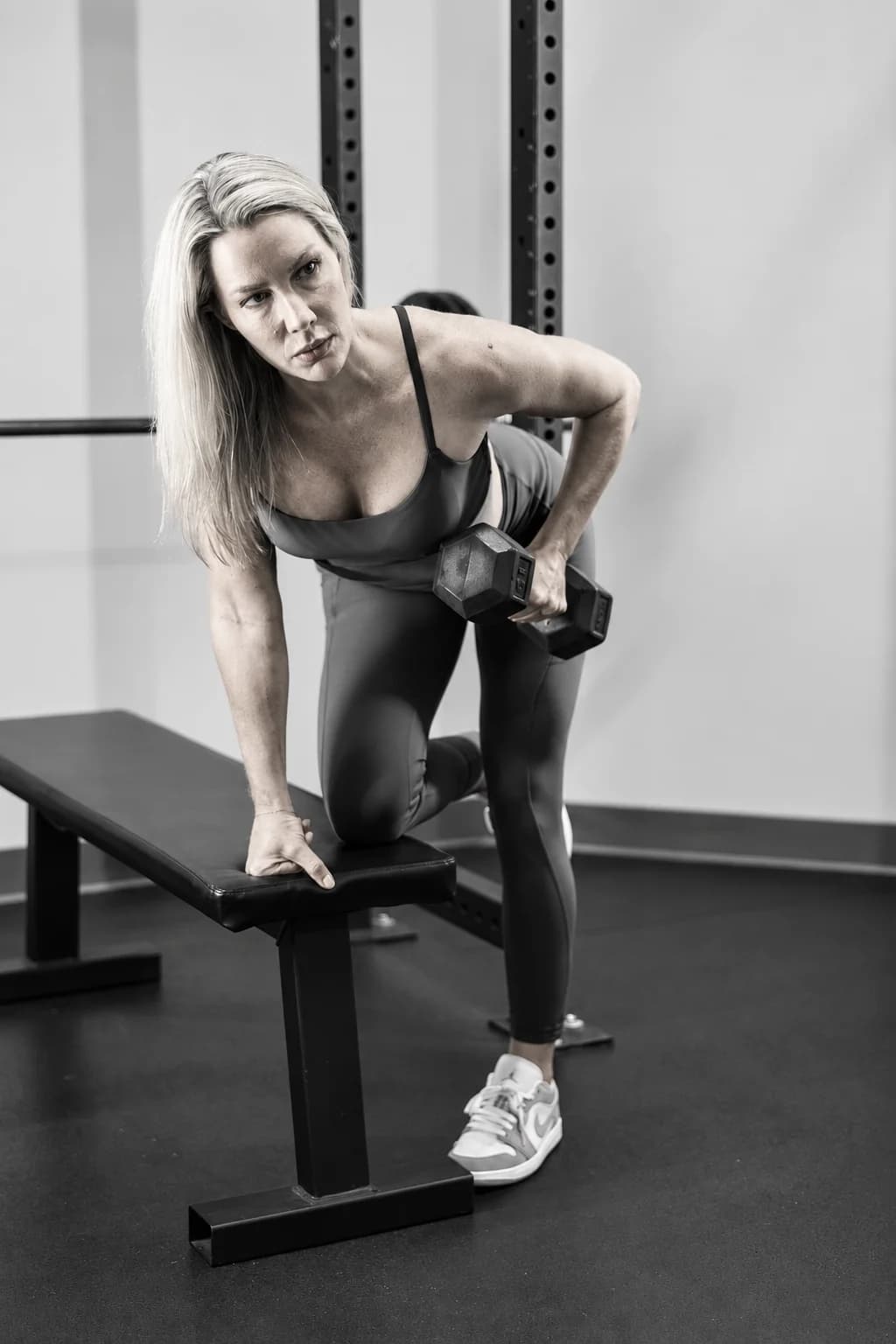
| Row | A two-arm row. | A supported one-arm row. |
| Calf raise | A two-leg calf raise. | A supported single-leg calf raise. |
Describe the working limbs as well as the implement. A weight held with both hands can be used in a two-leg exercise, and a one-arm exercise can still use support from both feet. In a supported row, the opposite hand and knee may help support the position while one arm performs the row. The number of objects in your hands does not tell the whole story.
Choose one-sided work for a clear purpose
The benefits of single-limb training depend on the task you want to practise. If the goal is to develop a particular one-arm or one-leg exercise, include practice in that format. Choose the support that lets you perform the intended task, rather than removing support just to make the exercise less stable.
One-sided sets also require a clear plan for both sides. Decide which side starts, how many repetitions each will complete and when you will rest. That organisation helps you record what you actually did instead of leaving one side's work to memory.
Keep an observation separate from a diagnosis. A side that feels less coordinated during one set may need a different load, more rehearsal or a clearer setup. Record the observation and review the task; it does not by itself identify a condition or prescribe corrective work.
Choose bilateral exercises that fit the session
Two-sided exercises can provide a familiar place to practise both limbs working together. A two-leg sit-to-stand and a simultaneous two-arm curl are examples with different roles in a session. Choose the version according to the movement you want to train and the equipment and support available.
The NSCA's article on exercise specificity discusses selecting and progressing exercises for the person's abilities and task demands. Its setting is tactical training; the general planning principle here is to choose a suitable task and record its actual load, repetitions and rest.
Select resistance for the exact version you are using. A two-arm load does not provide an automatic calculation for a one-arm version, and changing the support can change the task again. Rehearse the chosen version before setting its working repetitions.
Organise one familiar curl slot
Choose one of the arrangements below for a curl slot, using a version you have already learned after your usual preparation. Keep the familiar seated or standing support and choose resistance for that exact version. The six-repetition sets and rest windows are editorial examples, not the research review's protocol.
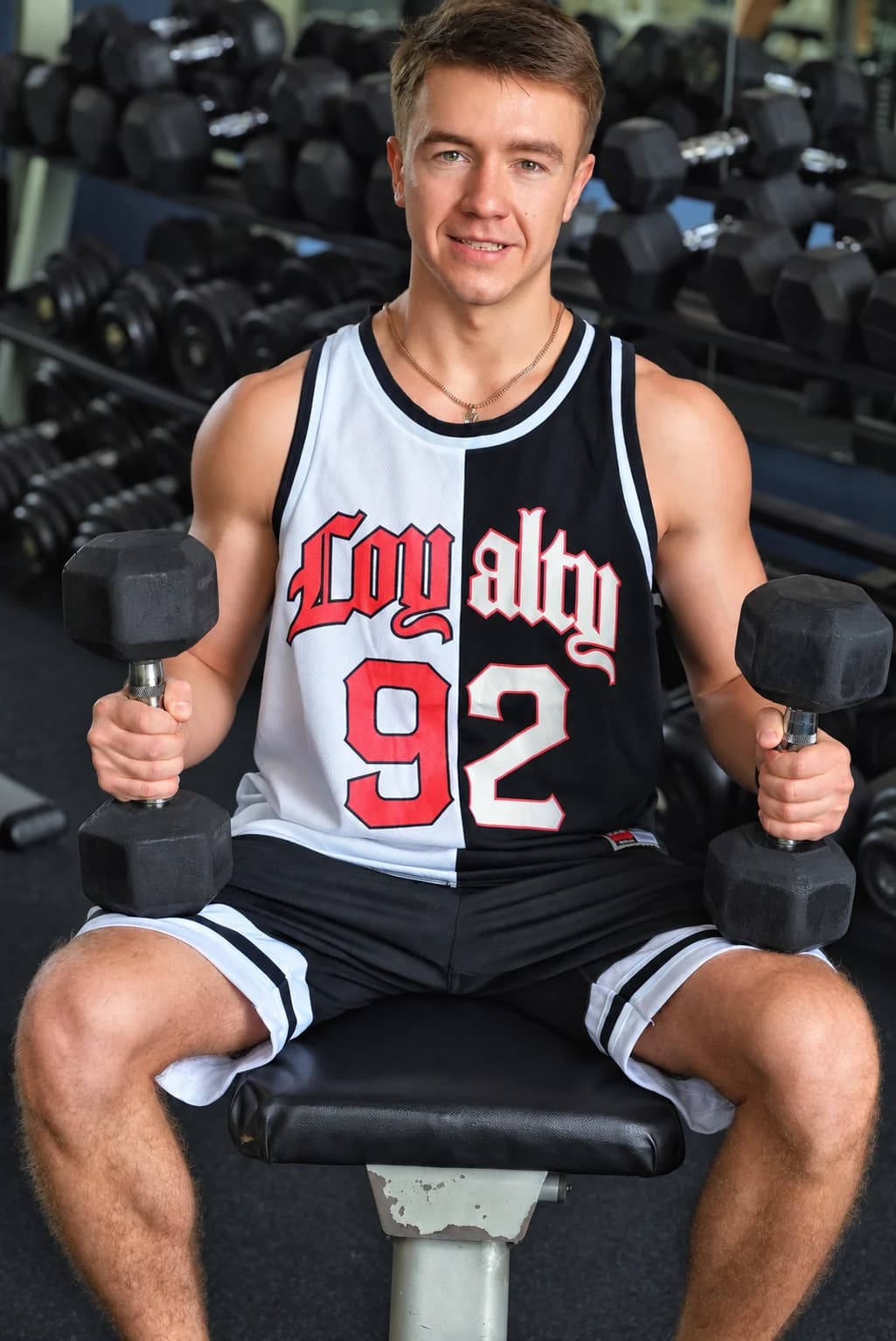
- Both-arm option: complete 6 controlled curl repetitions with both arms moving together. Set the weights down and rest for 60–90 seconds, then complete a second set of 6. Each arm has completed two sets of six.
- One-arm option: complete 6 curl repetitions with the left arm. Set the weight down, reset and take 30–60 seconds before completing 6 with the right arm. Rest for 60–90 seconds after both sides. Repeat this paired round, starting with the right arm. Each arm again has two sets of six.
Decide where the chosen task belongs in the session before starting. Give a priority exercise an early enough place to practise it attentively, and allow the one-arm option time for both sides and their resets.
Count each arm and each reset explicitly
| Arrangement in the existing example | Sets per arm | Reps per arm per set | Rounds or sequence | Rest and transitions |
|---|---|---|---|---|
| One-arm curl | 2 | 6 | 2 paired rounds, each containing left and right sets | Copy the separate set/side rest instructions; allow extra resets |
| Simultaneous two-arm curl | 2 | 6 | 2 sets with both arms moving together | Copy the stated between-set recovery |
Count each side before adding sets
In the one-arm curl, one paired round contains a left-arm set and a right-arm set. Six on each side means twelve arm repetitions completed across that round. After two paired rounds, each arm has completed two sets of six.
In the simultaneous curl, six repetitions means six for each arm, performed together. These are ways to record limb counts, rather than a claim that different exercises have identical demands. Keep the exercise name, load and support beside the numbers.
When replacing a bilateral slot with a unilateral version, rewrite the slot before starting. Make the left and right sets explicit instead of adding a full second allocation of sets without noticing. Give yourself time to set down the implement and organise the next side.
Choose implements for the version you will use
For light practice where the resistance suits you, the optional Light Green 1-kilogram dumbbell pair provides two fixed weights, each marked 1 kg. One can be used for a suitable one-arm task, or both for a suitable two-arm task. Select them because their actual resistance fits the movement, rather than assuming the pair suits every strength goal.
For an existing routine that uses fillable implements, the optional pair of soft fillable kettlebell sandbags is supplied as two empty canvas bags with padded handles and buckle closures. Use an appropriate, measured fill for a familiar controlled lift or carry, following the filling and closure instructions. Record each filled implement's actual weight; the bags arrive without sand. A one-bag walking carry is asymmetrically loaded, with both legs still working.
Check the setup before changing sides and keep the resistance identifiable in your notes. If the chosen load or support prevents you from completing the planned controlled repetitions on each side, adjust that task before adding more sets.
Progress the task you are actually practising
Repeat the arrangement until you can follow its counts, sides and resets without confusion. Then choose one change suited to the task: resistance, repetitions or another set. Keep the other details familiar so the next record explains what changed.
For help fitting rest into the session, Workout Density: Do More Useful Work Without Simply Rushing explains how work and recovery affect the time you need. Allow the one-sided tasks their full resets when estimating the session.