Fixed vs Adjustable Dumbbells: Loads, Space and Setup
Compare light fixed dumbbells and adjustable formats by usable loads, weight changes and storage. Match the pair to familiar exercises before choosing a format.
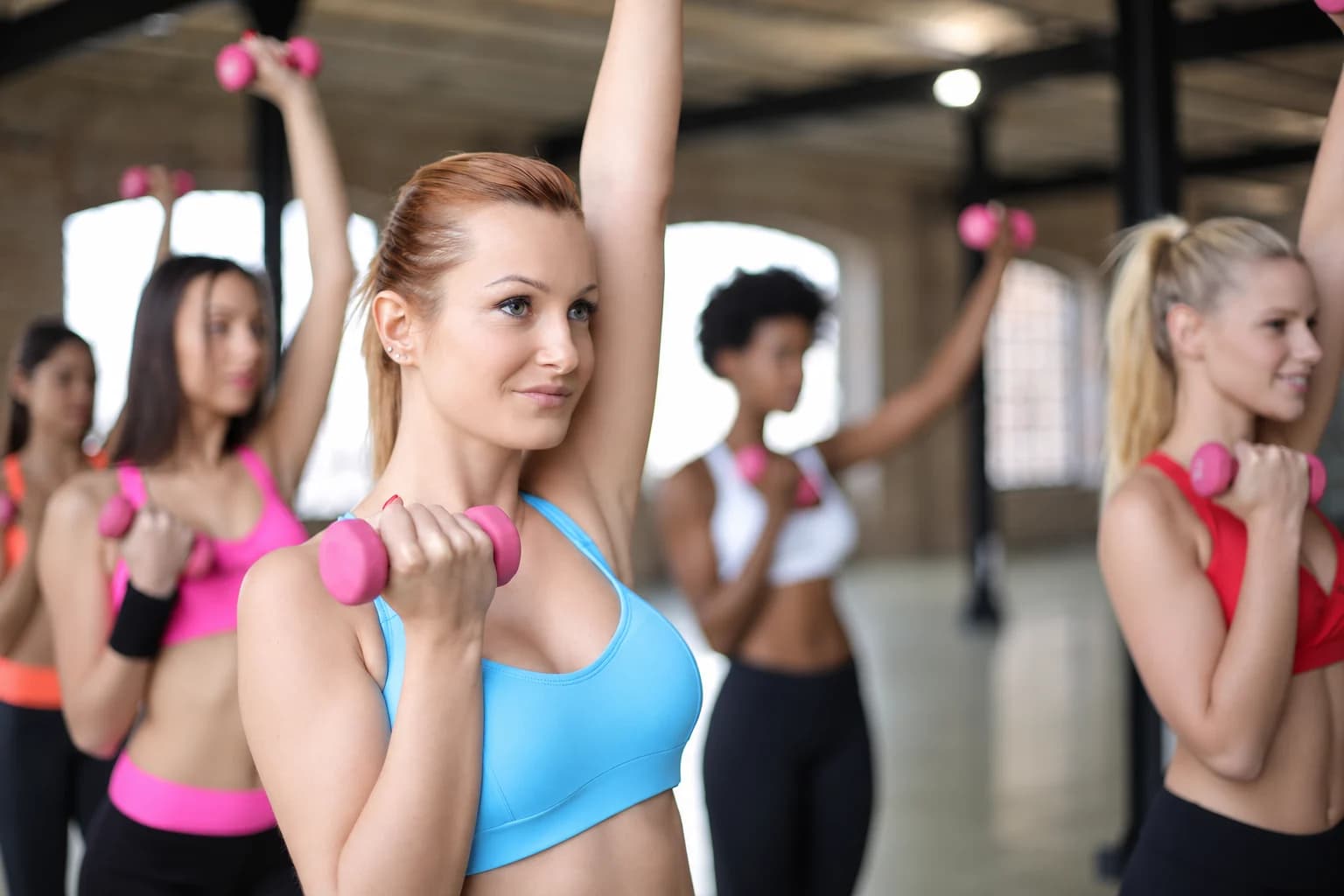
When comparing light dumbbells vs adjustable dumbbells, separate the load from the format. Light describes how much an implement weighs; fixed and adjustable describe whether you can change its load. An adjustable model may offer light settings, while a fixed dumbbell can be light or heavy. Start with the loads you need for familiar exercises, then compare how each format would fit your space and session.
A fixed vs adjustable dumbbells comparison becomes useful when it starts with the tasks you intend to do. ACSM's 2026 resistance-training guidance emphasises matching training to individual goals and circumstances. For this buying decision, check usable loads and practical setup rather than assuming one format is best for everyone.
Light dumbbells vs adjustable dumbbells: compare usable loads
List the exercises you already know and the load you currently use in each hand. Keep a one-hand load separate from a pair's combined weight: two 1-kilogram dumbbells provide 1 kilogram in each hand. A listing that gives only a total set weight needs closer reading before you compare it with another product.
| Buying question | Fixed dumbbells | Adjustable dumbbells |
|---|---|---|
| Does it include the load I need now? | Check the marked weight of each dumbbell and whether the offer is one implement or a pair. | Check the minimum setting and every usable increment, not only the maximum. |
| Can it cover different exercises? | Each fixed pair supplies its own load. Other loads require other implements. | One adjustable implement may offer several settings; confirm those settings suit the actual exercises. |
| What happens when I change load? | Put down one pair and pick up another suitable pair, if you own it. | Use the exact model's adjustment procedure and allow time and space for it. |
| What occupies my storage space? | Count the pairs you plan to own and the space they require. | Include the full system: handles, plates, any base or stand, and room to make adjustments. |
A high maximum is useful only if the lower settings and steps also suit your routine. If two nearby settings are farther apart than you want for an exercise, that matters even when the top end looks generous. Equally, a single light fixed pair can be a sensible limited purchase when that is the load you actually need.
Fixed vs adjustable dumbbells: understand the mechanism
A named adjustable model to investigate
| Comparison field | PowerBlock Sport 24, matching UK manual | Existing PBGGAME fixed pair |
|---|---|---|
| Per-hand lower / upper loads | Manual states 3–24 lb (1.4–10.9 kg) | One fixed dumbbell labelled 1 kg in each hand |
| Usual working load for your learned task | Choose and record an actual setting from the handle chart: ____ | Only the fixed marked load is available |
| Intermediate settings / increments | Read the chart on the matching handle; not transcribed from another series | No adjustment increment |
| Complete dimensions and change space | Measure the full nested unit and usable adjustment area: ____ | Measure both implements and their storage: ____ |
| Load-change process | Read the exact pin, rail, engagement and inspection procedure in the matching owner's manual | Put the pair down before choosing a different appropriate implement |
| Compatible additions | Confirm the exact model/generation; another series is not assumed compatible | No adjustable-system parts implied |
Original documentation: PowerBlock Sport 24 owner’s manual, reached from the maker’s manual hub. The operating section names the 3–24 lb range and requires the matching selector-pin checks. Read the complete warnings and operation before use; this comparison is not a substitute adjustment tutorial. No price or availability is asserted.
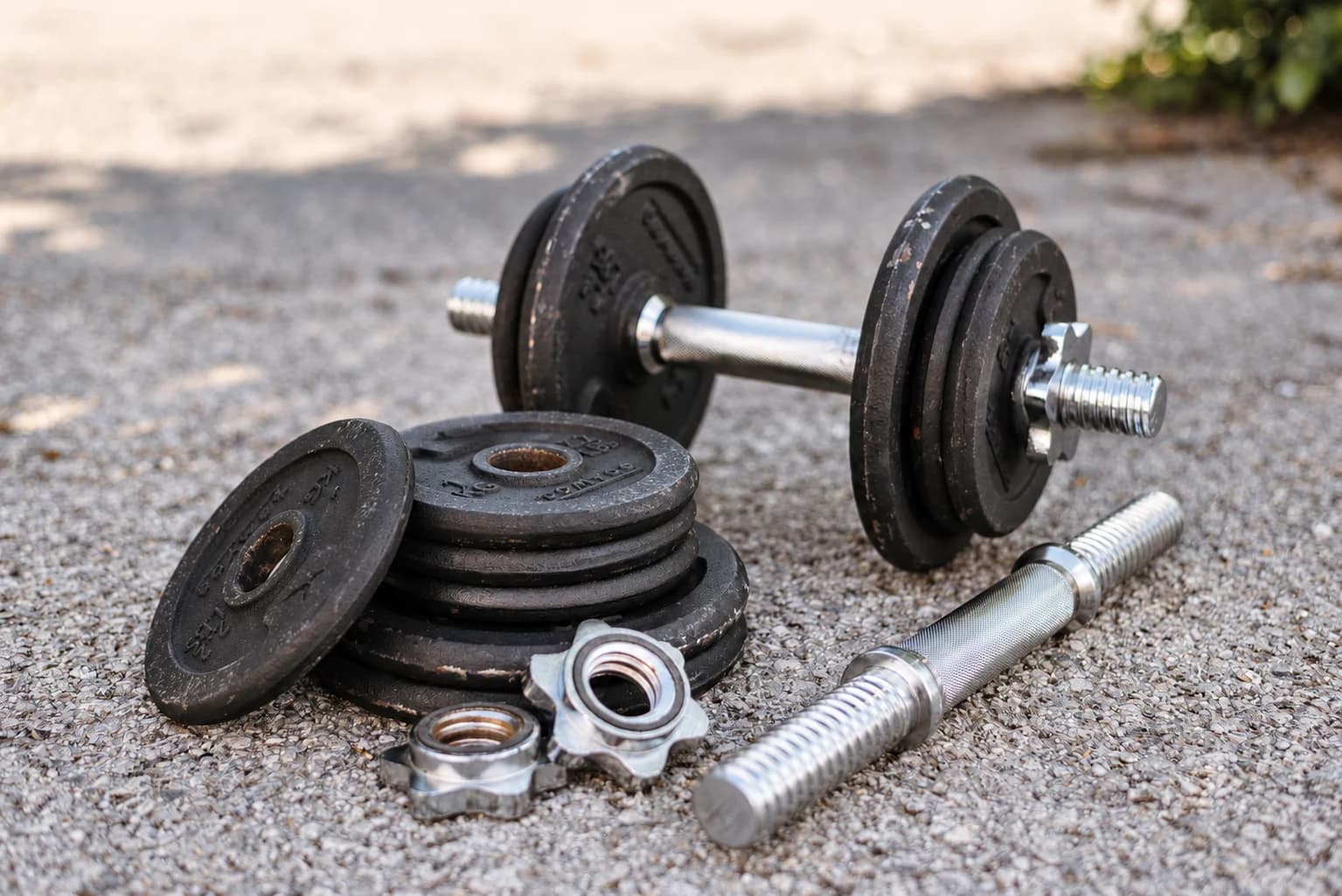
A fixed dumbbell has one working weight. An adjustable system needs an adjustment method, and different designs organise that differently. The plate-loaded format shown in the photograph below has a handle, removable plates and collars. A selector system uses a different arrangement; do not assume the same setup instructions apply to both.
For a specific selector example, PowerBlock's official product FAQ describes a handle inside nested plates. A selector pin enters the rail at the chosen setting; the selected plates lift with the handle while the others remain behind. The models described there adjust on a flat surface without an external cradle. That is a feature of those systems, rather than a rule for all adjustable dumbbells.
Check the manual for the exact model and series on your shortlist. Confirm how to select a load, how the setting is secured and which parts or expansion kits are compatible. PowerBlock's FAQ also notes that parts are not interchangeable across all series. A familiar brand name or similar-looking handle is not enough to establish compatibility.
Small home weights need room to use and store
Measure the space for the complete setup, then consider how you will reach and put down each implement. Several fixed pairs require storage for every pair. An adjustable format may gather multiple loads into one system, but the footprint still depends on the actual model, its components and any required base. Compare real dimensions rather than assuming that adjustable always means smaller.
With a plate-loaded option, plan where loose plates and collars will go during a change. Keep the area you use to walk and lift clear of spare pieces. For a selector model, check the space needed to return the implement and make its adjustment according to the manual.
Also consider the implement's size at the settings you expect to use. Handle length and surrounding bulk can affect whether the dumbbell fits comfortably into a familiar movement or starting position. If those details are missing from the listing, ask for dimensions or inspect a demonstration of that exact model before deciding it suits your routine.
Allow weight changes their own place in the session
Think through one transition you actually make, such as moving from one familiar exercise to another that uses a different load. Fixed pairs let you change implements when both pairs are available. An adjustable pair requires its own set-down, adjustment and restart sequence. Give that sequence room in the session rather than treating it as an invisible part of the rest period.
- For fixed pairs, identify where each pair will sit before and after use so the next weight is accessible.
- For an adjustable system, read the exact change procedure and check whether each implement needs a separate adjustment.
- If the planned session changes loads frequently, consider whether its pace leaves enough time to complete each change carefully.
You can organise a session around either format. The buying question is whether the actual equipment fits the changes your routine calls for.
Consider a fixed light pair for clearly defined tasks
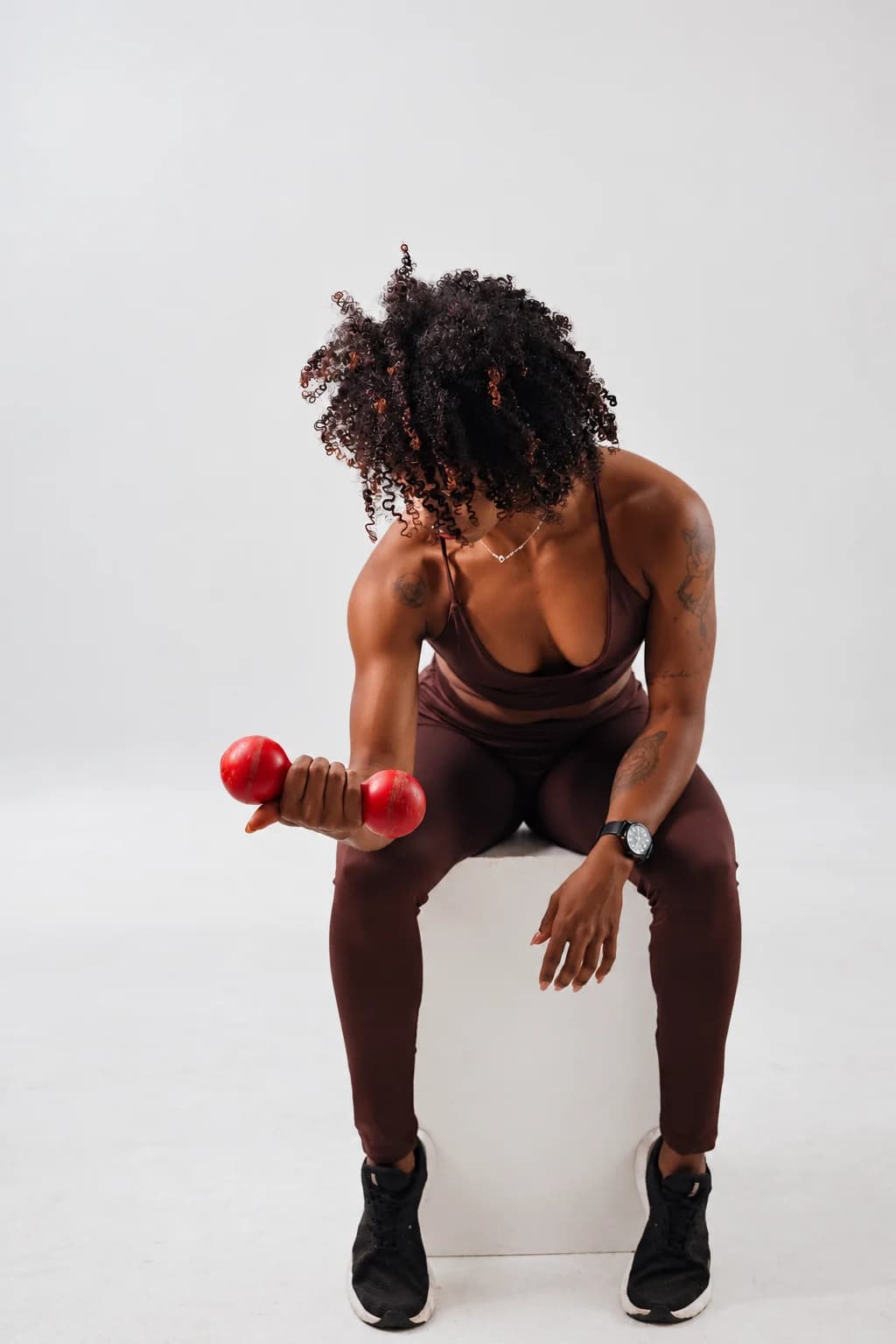
The optional Light Green 1-kilogram dumbbell pair contains two fixed dumbbells labelled 1 kilogram each, a nominal 2 kilograms per pair. The listing identifies cast-iron cores and a neoprene coating, with narrowed grips and widened, softly faceted ends. Choose this pair when the marked 1-kilogram load per hand suits the familiar movements you intend to practise.
If your chosen exercises already require other loads, include those requirements in the comparison. For help distinguishing the working limbs from the number of implements, see Unilateral vs Bilateral Training: Different Demands and Useful Choices.
Work through a shortlist before choosing a format
These buyer examples show how a requirement can lead to different questions. They describe possible decisions, not prescribed exercise loads or product test results.
| Your requirement | A useful shortlist | What to resolve before buying |
|---|---|---|
| One known light load for a few familiar tasks. | A fixed pair at that exact per-hand load; an adjustable model only if its lower setting also suits those tasks. | Confirm the offer includes the number of implements you need. |
| Several known loads, with limited storage space. | The required fixed pairs compared with an adjustable system that genuinely includes those settings. | Compare the complete footprint and usable increments, including spare components or bases. |
| Frequent load changes within the planned session. | Accessible fixed pairs or an adjustable model whose change procedure fits the session. | Walk through the set-down, change and restart sequence from the exact instructions. |
Finish with a short buying brief: the number of dumbbells, useful per-hand loads, acceptable increments, available storage and the adjustment sequence you can accommodate. A product that answers those questions clearly is easier to assess than one chosen only for its headline maximum. Select the format after the practical requirements are visible.