Yoga vs Pilates: Choose a Practice That Fits Your Goals
Compare yoga and Pilates methods, class formats and equipment, then use practical booking questions to choose your first taught session.
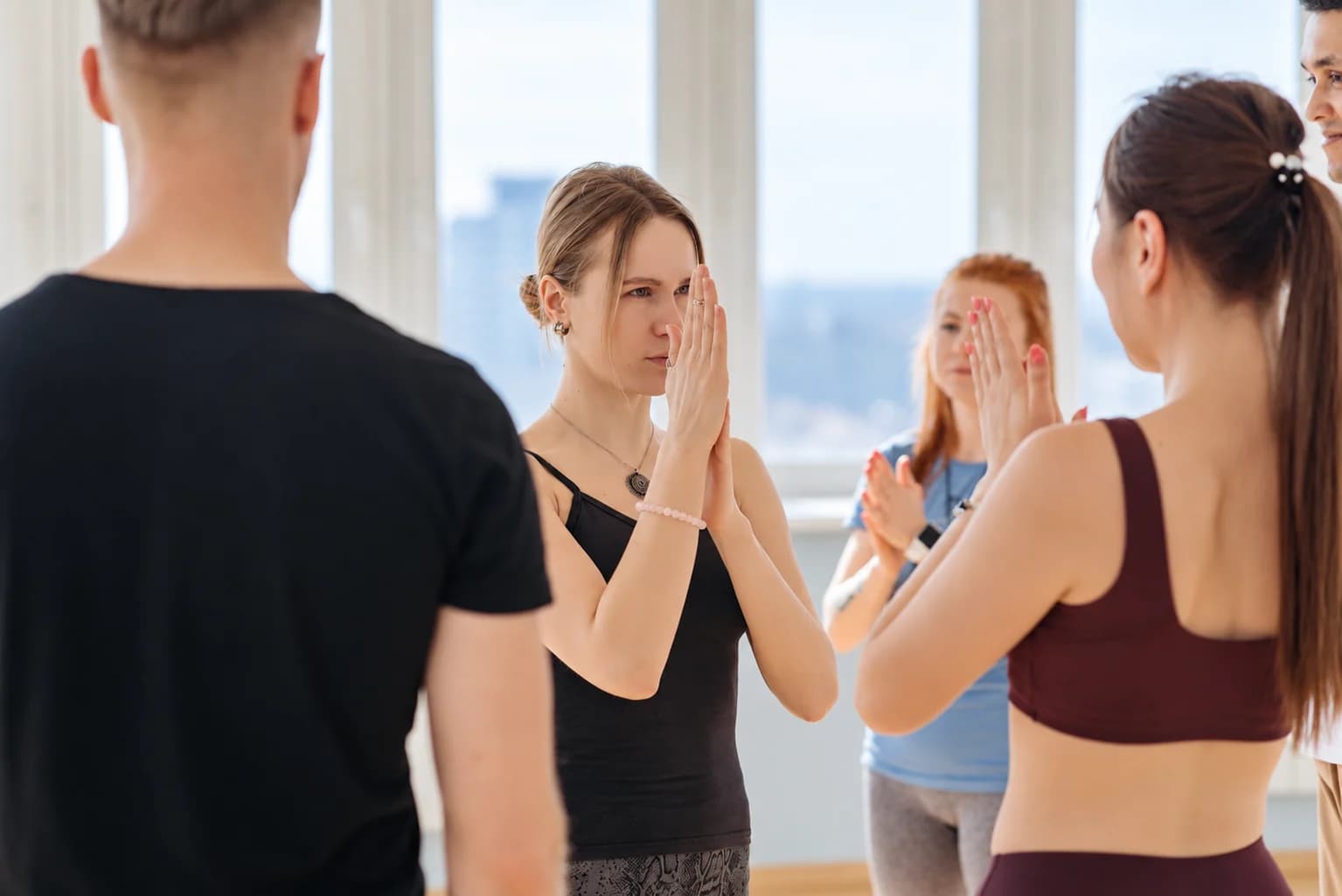
Choosing yoga vs Pilates for beginners starts with the lesson you want to take and the way you can access it. Both names cover more than one class format. A gentle yoga introduction, a flowing yoga class, Pilates matwork and a reformer session can feel quite different before you have even learned the first movement.
Compare the method, teaching pace, setting and equipment before buying a collection of props. You can be interested in more than one practice. The useful first decision is which beginner session gives you a clear, manageable way to participate and enough guidance to understand what you are doing.
Choose a course format before buying props
| Course format | Teaching to look for | Space and equipment to confirm | Question before booking |
|---|---|---|---|
| Beginner yoga lesson | Clear entries, exits and alternatives | Actual floor/standing requirements and provided props | How will options be explained? |
| Mat Pilates lesson | A taught starting sequence and feedback route | Mat area and the exact props in that lesson | What prior experience does this version assume? |
| Reformer or equipment Pilates | Instruction for that apparatus | A suitable equipped studio and booking format | Will the teacher teach this machine’s setup? |
Use mat versus reformer Pilates for the apparatus decision and the beginner yoga planning guide for arranging taught and familiar practice.
Yoga vs Pilates for beginners: know the format
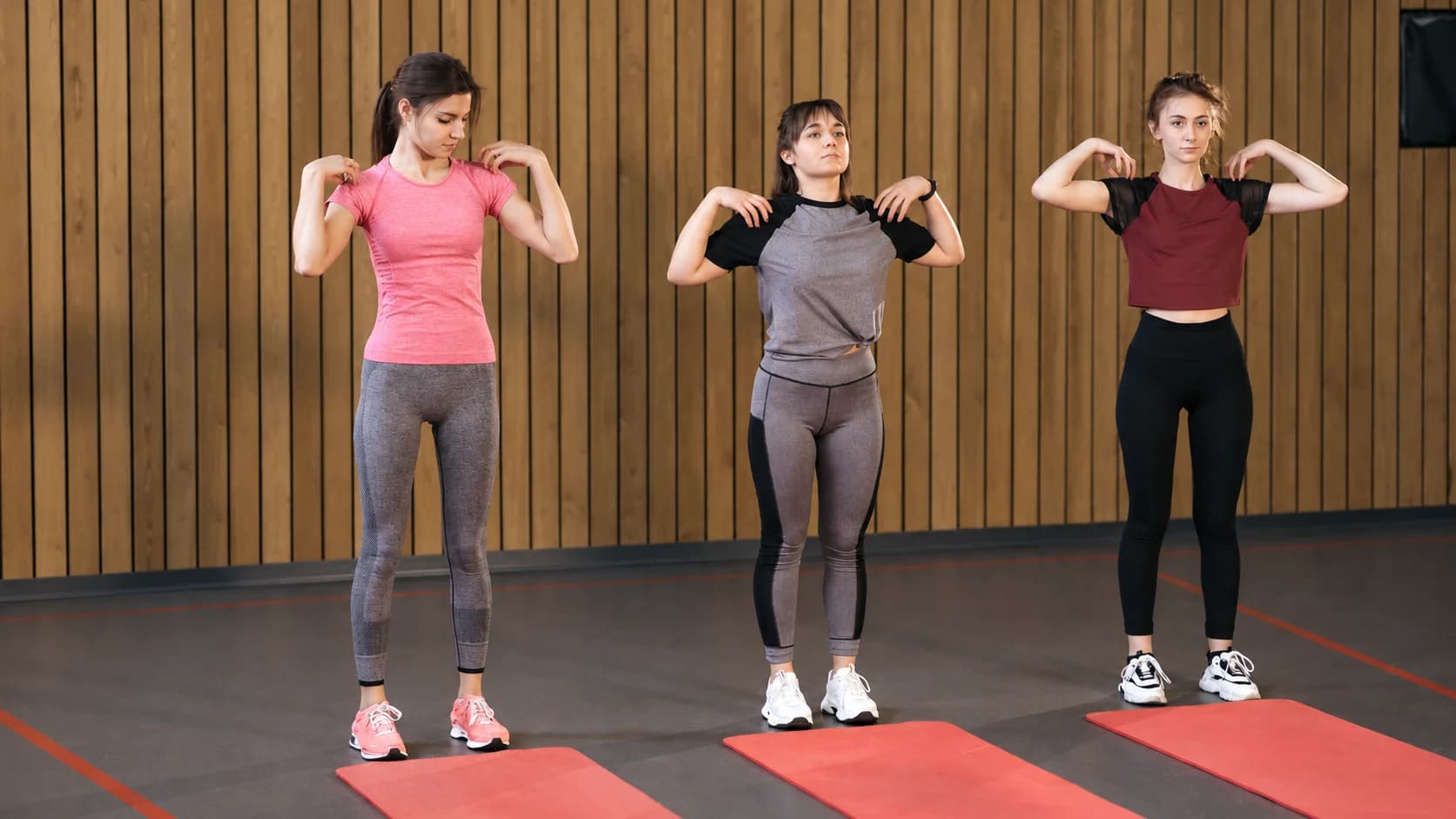
The National Center for Complementary and Integrative Health's yoga overview describes yoga's roots in Indian philosophy and explains that modern US practice typically combines physical postures, breathing practices and meditation. Styles range from gentle to physically demanding. Yoga is therefore a broad starting label: ask whether the actual class emphasises held positions, movement between positions, breathing, meditation or a combination.
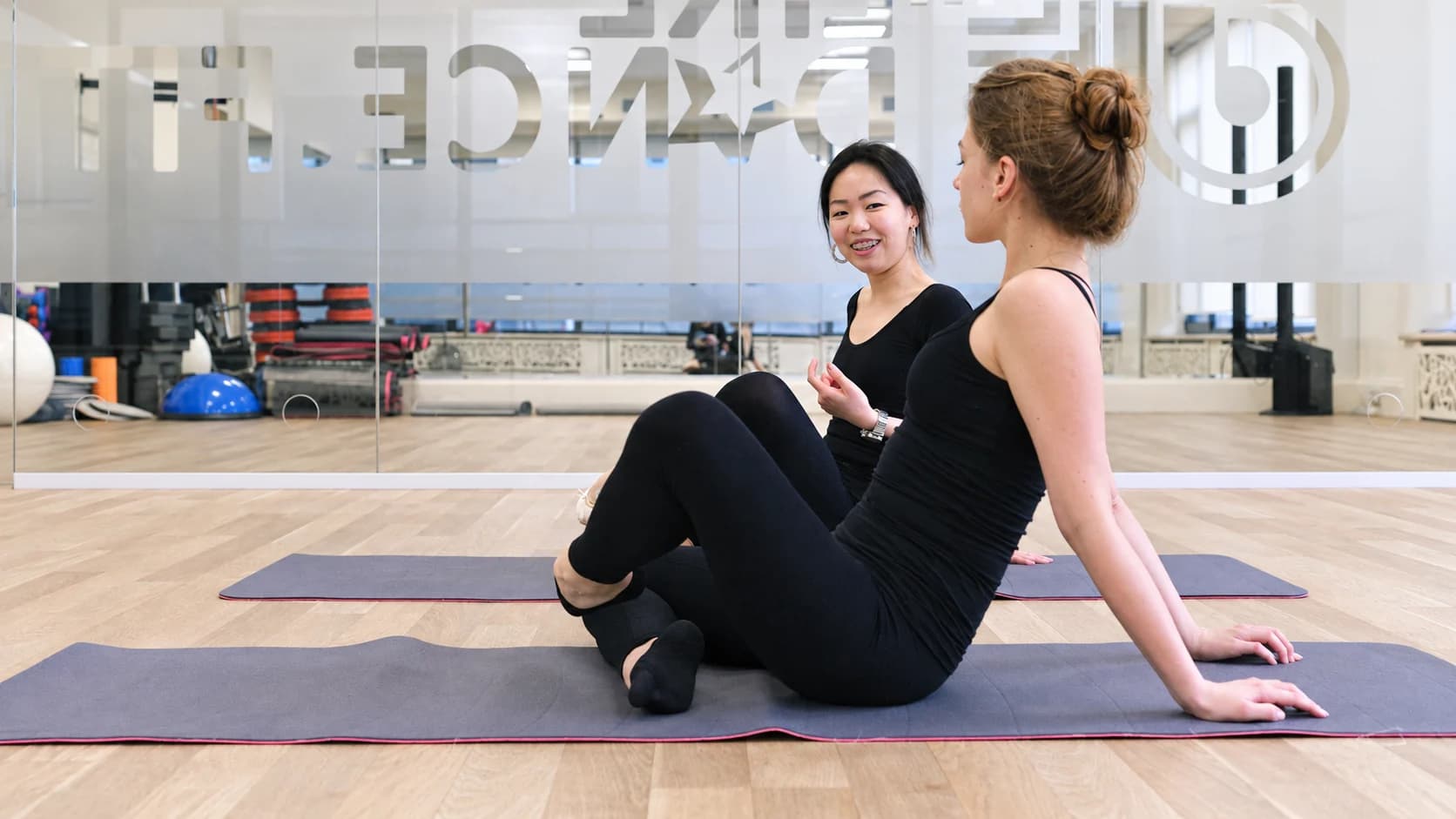
The Pilates Association Australia FAQ distinguishes matwork from apparatus-based Pilates. In matwork, your body works against gravity, sometimes with small props. A beginner lesson should explain the movements and the way the instructor wants you to organise them. You may prefer this floor-based format if learning a taught sequence without a large machine appeals to you.
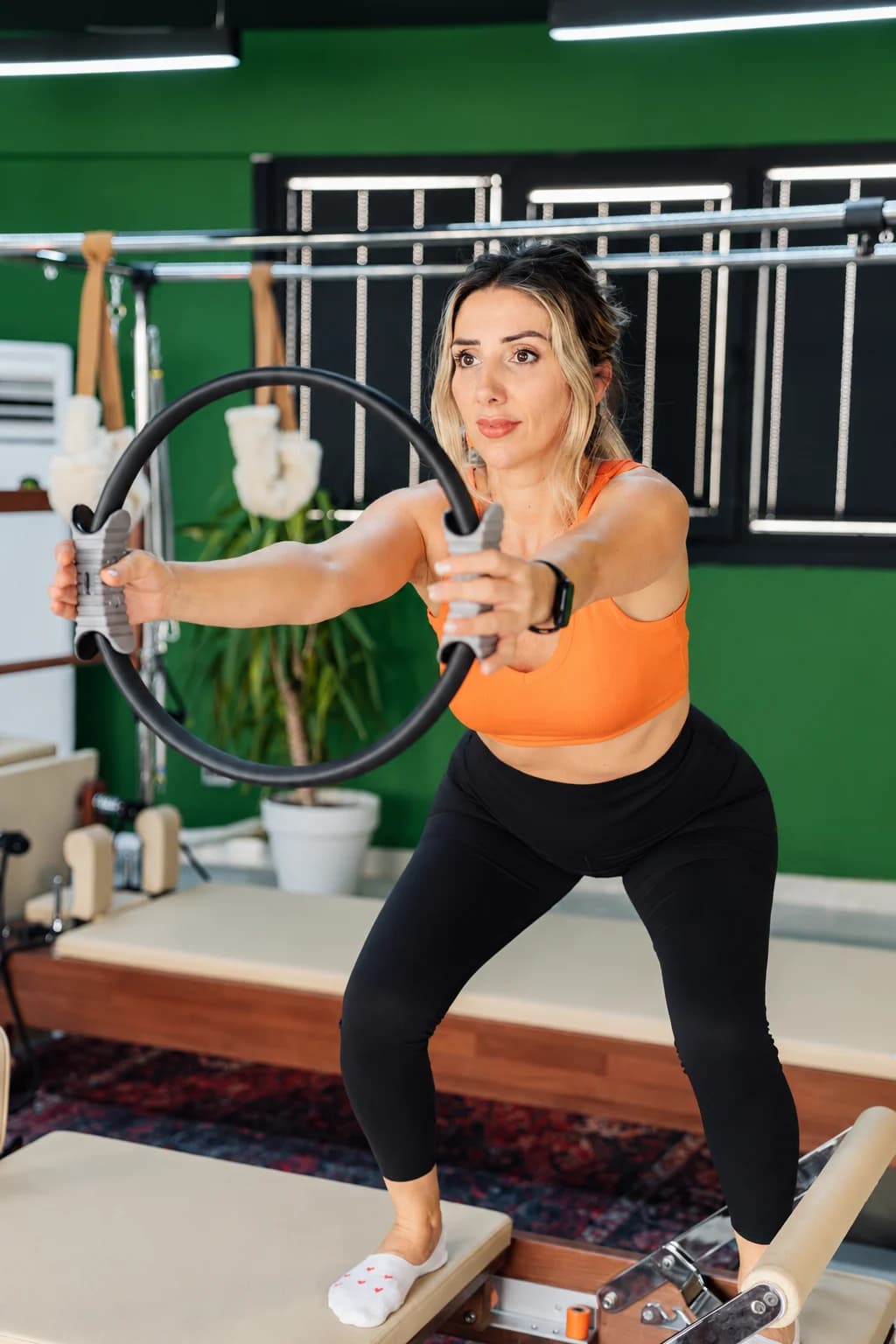
Apparatus Pilates uses equipment such as reformers, trapeze tables, chairs and barrels. Springs can assist a movement or provide resistance; they are not simply weights with one fixed meaning. The equipment and settings belong to the taught task. Ask how a beginner learns the setup and receives help during class rather than assuming apparatus work is automatically harder or easier than matwork.
Yoga and Pilates: differences that matter in class
Class descriptions are more useful than a simple “yoga is stretching, Pilates is core” division. The sources above describe different methods and formats; they do not establish a universal winner for every beginner. Use the comparison to find out what you will actually be asked to do.
| Detail to compare | Ask about the yoga class | Ask about the Pilates class |
|---|---|---|
| Session format | How much time is spent on postures, breathing and meditation? | Is this matwork or apparatus work? What does the introduction cover? |
| Pace | Are positions held, linked in a flow or taught separately? | Is there time to learn each movement and the relevant equipment setup? |
| Equipment | Which mat or support props should a beginner bring? | Are small props used, or is the required apparatus supplied at the studio? |
| Beginner guidance | How are alternative versions explained during class? | How does the teacher help beginners follow the movement or adjust the apparatus? |
One class may suit you better because of its pace, teacher or timetable, even if you initially preferred the other practice's description. Separate the discipline from the particular session. If a fast class leaves you struggling to follow, a slower introduction in the same method may give you a different experience.
Choose your first class with these questions
Before booking, use this checklist to turn a broad interest into a specific choice:
- Is the session explicitly intended for beginners? Ask what prior knowledge it assumes, particularly if the description uses terms you do not recognise.
- Will the teacher explain the setup before movement begins? For apparatus work, ask how first-time users learn the equipment and get assistance with settings.
- What positions and transitions should you expect? If floor sitting, kneeling, getting down to the mat or standing again is a concern, ask what options the teacher can offer before you arrive.
- Does the format let you hear, see and follow the instruction? For an online session, check the camera view and whether you can pause or replay the explanation.
- What do you need to bring, and what is provided? Confirm the actual prop list rather than buying everything associated with the method.
Describe any relevant limitation to the instructor in practical terms, such as needing help with a floor transition. Their answer can help you judge whether this particular class has suitable options. A beginner label alone does not explain the full arrangement.
Pilates or yoga at home: choose a taught starting point
For Pilates or yoga at home, begin with an introduction that names its level, format and required equipment. Watch the setup explanation before moving. Choose a session you can pause, with a camera angle that makes the instructions understandable. A short extract of an advanced class is still an advanced lesson if it assumes movements you have not learned.
Clear enough floor space for the movements in that specific session and place your screen where you can use it without continually rearranging the room. Check that the mat lies flat on the surface you plan to use. If the lesson requires a prop you do not have, choose a suitable lesson with a simpler equipment list instead of improvising a substitute for unfamiliar apparatus.
For an editorial first comparison, preview one beginner yoga introduction and one beginner Pilates matwork introduction. Look at the setup, a short taught section and the ending before deciding which to follow. Compare how clearly you can follow the instruction, whether the available space and props fit, and which teaching style you want to return to.
Once you have chosen a lesson, give yourself time to learn its explanations. If it calls for a mini ball, the existing Pilates at-home core session provides a separate prop-based practice. That is a later equipment-specific option, rather than a prerequisite for beginning matwork.
Buy for the chosen lesson, starting with the surface
A mat can provide the floor-practice surface for either method when it suits the session. The optional Blue cross-fold TPE mat with storage bag has listed dimensions of 182.9 by 80 centimetres and a thickness of 0.8 centimetres. Check that footprint against your room and the lesson's movements. Unfold it fully and check its flatness and contact with your chosen floor before starting. For packing choices, see the foldable yoga mat guide.
Add a small prop when your selected instruction uses it. The optional Black 14.5-inch Pilates ring is one manual resistance circle with two opposed padded handles. It is separate from the mat and does not reproduce reformer springs or their settings. Follow its supplied setup instructions and use a taught ring session; the beginner Pilates ring guide covers that particular prop.
Which session should you try first?
Try a beginner yoga class if you are curious about a practice that combines postures with breathing and meditation; check the balance and pace in that class. Try beginner Pilates matwork if a taught floor-based movement session appeals to you. Choose an introductory apparatus lesson when you want to learn that equipment with an instructor and can access the appropriate studio setup.
The teacher, timetable and learning format can decide the first booking. After that session, the useful question is whether you understood the instruction and want to continue with that class, try another level of introduction or explore the other method. You can keep both options open.