A Repeatable Full-Body Home Workout with Bands, Bodyweight or Weights
Organize squat, hinge, pull, push and trunk control into a repeatable home workout. Includes a no-external-anchor travel option and a free printable chart.
A repeatable full-body home workout needs a few different jobs: squat, hinge, pull, push and control the trunk. Bands can supply some resistance; bodyweight or suitable weights can fill other slots. You do not need to change every exercise each session or force one band to do everything.
Use the plan below to organize a full body resistance band workout with bodyweight alternatives, then adapt it for travel without an external band anchor. A free printable chart provides the same movement choices and space to record your setup. Adjust the example amounts to your current ability, equipment and available time.
The session at a glance
Keep the session beside you: open or save the printable five-task chart and practice record. It keeps the long-loop hinge and handled-tubing row separate, and includes room to record actual versions and omitted tasks. The same download is linked again in the dedicated chart section below.
| Movement | Choose a suitable version | Adjustable first-session example |
|---|---|---|
| Squat | Bodyweight squat; a documented band/weight version is optional | One easy set of 8–12 controlled repetitions |
| Hinge | Unloaded hip hinge or approved long-loop Romanian deadlift | One easy set of 8–12 repetitions |
| Pull | Approved underfoot handled-tubing row or your familiar suitable row | One easy set of 8–12 repetitions |
| Push | Wall push-up or suitable knee-supported floor version | One set of 6–10 controlled repetitions |
| Trunk control | Bodyweight alternating heel slide | A brief set of 5–8 slides per side |
Rehearse the squat, hinge and pushing motion comfortably before adding resistance. Complete one movement’s work before changing equipment if that makes setup easier. Add another set later when you can repeat the same motion and recover appropriately. If you cannot arrange a suitable pull, omit it for that session and record the gap rather than invent a household anchor.
ACSM’s 2026 public guidance emphasizes consistent training of all major muscle groups at least twice weekly and recognizes bands, bodyweight and home routines as useful formats. This five-slot plan is an editorial way to organize practice, not an ACSM-tested protocol or a guarantee of complete muscle coverage.
Squat and hinge are different lower-body tasks
For the squat, bend at the hips and knees together, then return to standing with stable foot contact. ACE’s bodyweight squat is a useful unresisted reference. Choose a depth you can reverse smoothly; stop before you need to lift the heels or change the trunk position to get lower.
A hinge instead sends the hips backward with a small knee bend as the torso inclines. SET FOR SET’s band-deadlift guide includes a standing-start Romanian-deadlift version with a long continuous loop beneath the feet and exposed loops held directly. Keep the arms long and stand through the hips without a shrug or backward lean. The hands do not have to reach the floor.
Use that band arrangement only when its length, grip, underfoot contact and permitted stretch suit the actual model and your proportions. Keep both feet secure, unload before adjusting, and choose an unresisted hinge when the band cannot fit. A short fabric loop around the thighs is a different task, not a replacement for the long loop in this hinge. For more movement choices, see the leg and glute guide.
A controlled pull with handled tubing
Mayo Clinic’s bent-over row places the middle of handled tubing beneath both feet. With knees comfortably bent and a steady hinged torso, draw the elbows backward near the body, then return the handles slowly. Avoid jerking the torso to finish a repetition.
This is an exercises-with-handles example, not instruction for every short loop or direct-grip band. Inspect the tubing, handles and connectors and confirm the intended foot contact. A band appropriate for a hinge may be too demanding for this row. If you cannot retain footing or a steady hinge, use a separately documented pulling option from the home back guide, or leave that slot out.
A simple bodyweight push and floor-control finish
Mayo Clinic’s modified-pushup instructions describe distinct wall and knee-supported floor versions. For the wall option, face a suitable solid wall, set the hands around shoulder height and slightly wider than the shoulders, bend the elbows to approach and press back. Keep the trunk organized without sagging or forcing a particular depth.
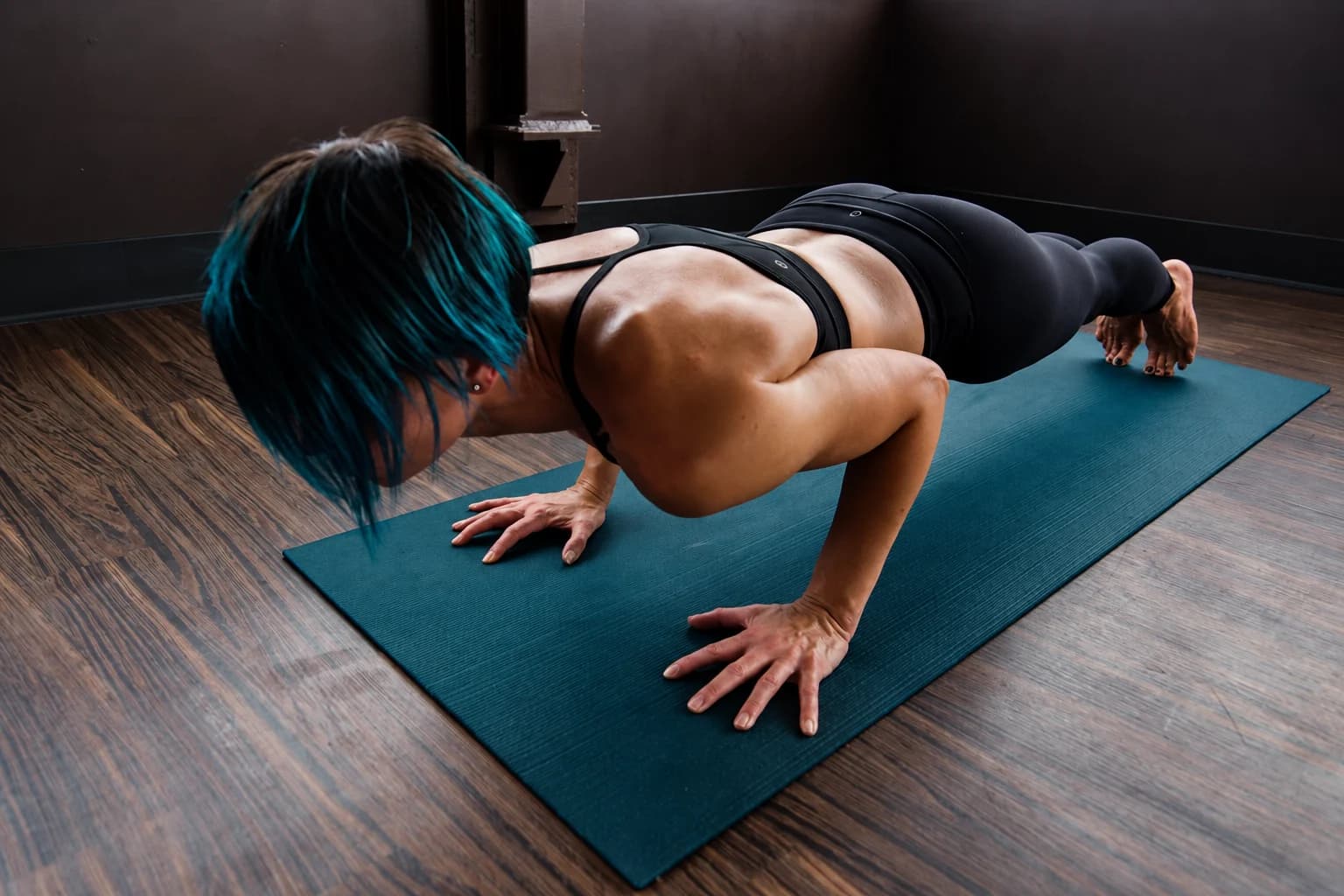
Choose a comfortable distance and support arrangement rather than treating floor push-ups as compulsory. A wall is a hand-contact surface here, not an external elastic attachment. Do not substitute a movable table or soft cushion because it happens to be nearby. The cover photograph shows a more demanding toes-supported floor position; it is not the wall or knee-supported version.
For the heel slide, lie on a suitable surface with knees bent and feet planted. Continue breathing as one heel slides away only as far as the pelvis and trunk remain controlled, then return slowly and alternate. Peak Physio’s heel-slide instructions provide the movement reference; their clinical context is not a rehabilitation prescription for this session. Omit floor work if access or the surface is unsuitable.
Handles, long loops and short fabric bands
Exercises with resistance bands with handles usually depend on the tubing’s intended grip and attachment method. The row above is an underfoot example; it does not establish a door-anchor setup. Keep the exact tubing identity and foot spacing in your notes so the next attempt is comparable.
Exercises with loop resistance bands also vary by loop length. A suitable long continuous loop can serve the documented hinge, while mini resistance band exercises and fabric resistance band exercises often involve local hip work. Neither the word fabric nor the band’s color establishes stretch, contact permission or resistance in pounds.
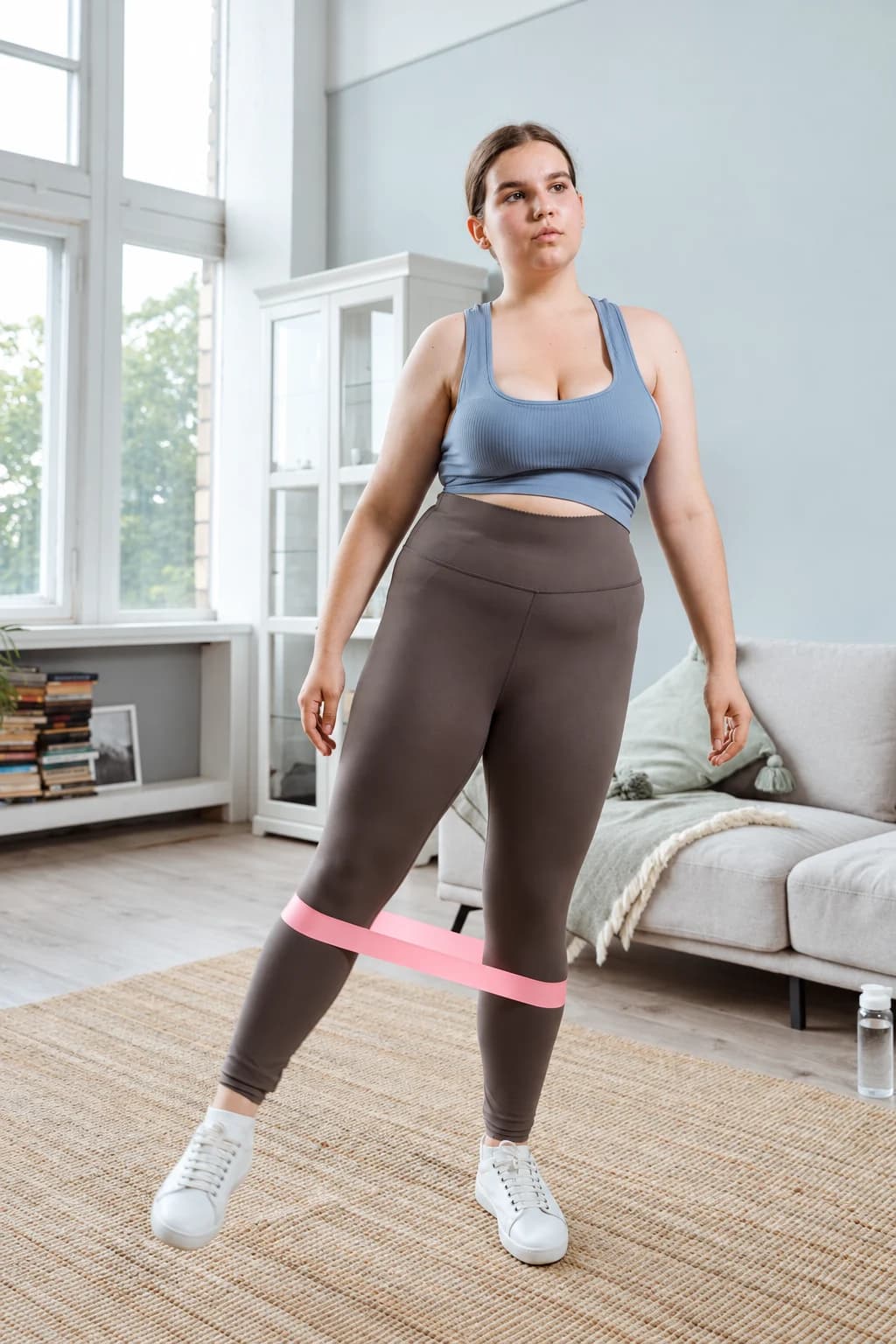
If you add optional lateral hip practice, keep it brief and separate from the main pulling slot. The leg and glute guide distinguishes hip abduction, short-loop work and other lower-body movements. Follow the actual loop’s position and range instructions rather than moving it below the knees just to copy this photograph. A side step or outward leg raise does not replace a row.
The best resistance band exercises for this session are those that fit the movement job, equipment and repeatable setup. A long list is not required. Dumbbells or another familiar weight can fill an appropriate documented slot, but their mass is not interchangeable with a band’s printed range. The band-format guide helps separate elastic tools from straps and accessories.
Resistance bands for travel workouts: no external anchor
- Before unpacking, check a clear level movement path and secure footwear/floor contact. Avoid wet surfaces, loose rugs and nearby obstacles.
- Bring a familiar inspected band and rehearse its permitted movements at home first. No external anchor still requires reliable underfoot contact for the row or hinge.
- Use bodyweight squats, a suitable wall push and the familiar approved underfoot movement that fits your equipment. Add heel slides only if floor access and surface suit you.
- Do not attach elastic to unfamiliar doors, desk legs, luggage racks or railings. If you packed only a mini loop, keep appropriate hip work and bodyweight options; it cannot become a full-length pulling system.
- For a short session, select a squat, a suitable pull if available and a bodyweight push. Note any omitted movement instead of claiming the reduced session reproduces your usual gym workout.
Travel fatigue and a different room can justify less work. Protect elastic from sharp luggage edges and follow its care instructions. Record the versions and work actually completed; on returning, resume at a manageable familiar level rather than compensate for a missed session with exhaustion.
An upper-body resistance band workout needs more than chest work
For an upper-body emphasis, retain both a suitable pull and push, then choose limited shoulder or arm work if it fits your wider training. The back guide, chest guide, shoulder guide and arm guide explain distinct equipment and movement choices. This overview does not require adding all four guides’ exercises to one session.
Keep the row and push repeatable before collecting several curls, raises or pressdowns. An upper-body-only session leaves out the squat and hinge slots of the full-body example. Choose your weekly coverage deliberately instead of relabeling a chest-only routine as an upper-body plan.
Use resistance bands for strength training and track the actual setup
Two sessions on separate days can be a manageable initial schedule, adjusted around other training and recovery. Start with the same exercise versions and record band identity, grip, foot spacing, range, sets and repetitions. Leave room to finish with control. ACSM’s summary does not make training to failure necessary for an average healthy adult’s general program.
After repeated manageable sessions, add a repetition, an additional set or a modest equipment change—one meaningful change at a time. Shortening a grip changes the task even when the band is unchanged. If fatigue prevents the same movement, reduce the next session rather than rush the return. Stop for pain, dizziness or unexpected loss of control.
Do men need a separate routine, and does it guarantee weight loss?
Resistance band exercises for men can use the same movement framework. Select load, versions and recovery by ability and goals rather than a gender label or a claim that every person needs the heaviest band. Bodyweight alternatives remain useful when a particular elastic setup does not fit.
Resistance band exercises for weight loss can form part of a broader activity plan. CDC's activity and weight guidance considers movement alongside eating patterns and explains that needs vary. Plan your activity and recovery around your circumstances, and assess changes over time rather than assigning a calorie-burn figure or a local fat-loss result to this session.
Free printable resistance band exercise chart PDF
Download the free printable resistance band exercise chart PDF for the five movement slots, concise setup cues, no-external-anchor travel options and a practice record. It distinguishes the long-loop hinge from the handled-tubing row. Beginner use means selecting manageable versions and amounts; the chart is not a personalized medical or recovery plan.
Practice notes and optional floor-training handles
Keep a personal practice record beside the free chart above. Note the movement version, equipment, setup, sets and repetitions you actually used, along with any movement slot you omitted. The printable PDF includes space for these notes, so you can bring the same record to the next session.
The PBGGAME A: Black molded push-up handles are a separate pair of floor-grip accessories, at $23.69 with a recorded 1,338 g packed mass. They are optional hardware, not wall fittings, a requirement for the photographed push-up or a promise of wrist protection. Their actual floor suitability and use instructions need separate confirmation.
The handles do not supply the band systems described above. Select them only for an appropriate floor-based task and follow their actual use instructions. Packed mass is a shipping record rather than exercise resistance or a supported bodyweight limit.