Yoga Inversions: Class Questions to Resolve Before Booking
Choose a yoga class by its actual poses, alternatives and teaching prerequisites. Separate personal healthcare questions from equipment and handstand preparation.
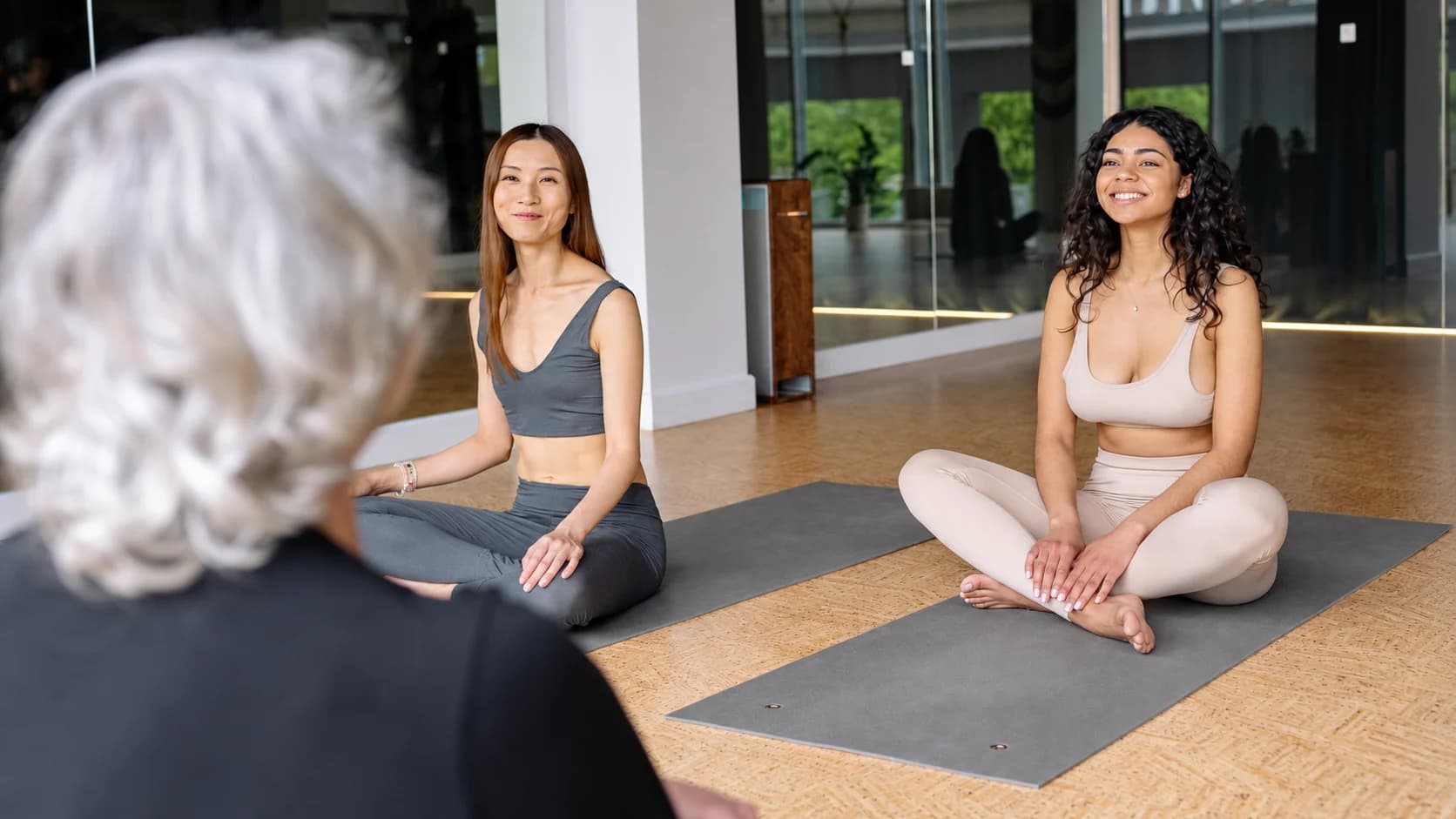
Before choosing a yoga class that advertises inversions, find out which poses the teacher means, what alternatives are offered and whether any personal restrictions need a healthcare discussion. A class description and a piece of equipment cannot answer all three questions.
You can make a useful decision before attempting a pose: choose a suitable class, resolve the questions that affect your participation and know which option you will use during each part of the lesson.
Decide these three things before booking
- Which poses and alternatives does the class include?
- Which personal restrictions need a clinician?
- Which exact lesson and prerequisites will be taught?
This is a class-selection guide. It does not teach headstand or grant permission to invert because you own blocks, straps or a padded bench. Handstand preparation addresses a separate hand-balancing task and does not settle these yoga-class questions.
Yoga inversions for beginners: ask what the class includes
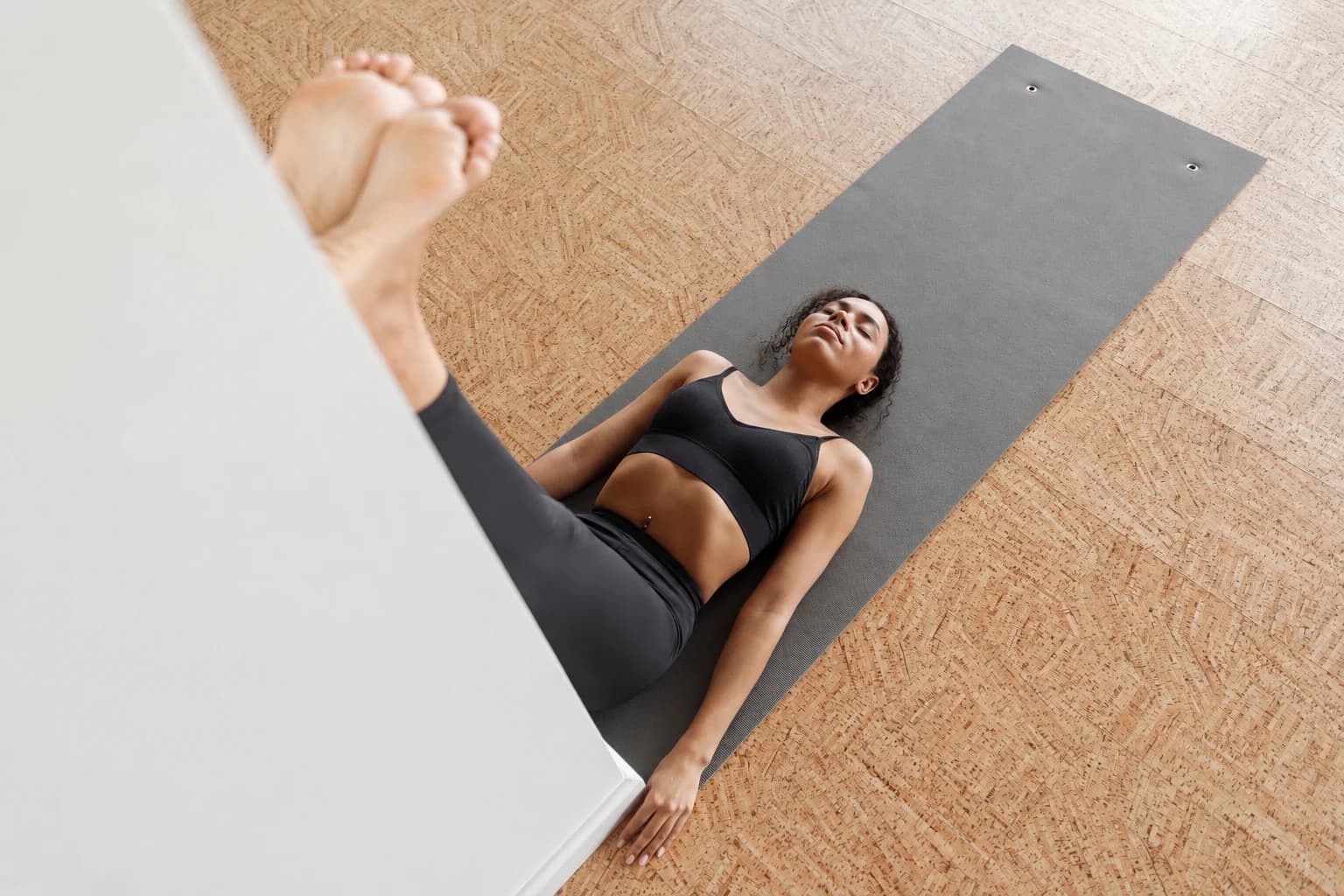
Treat “inversions” as a term to clarify with the studio. Ask for the names of the poses included and whether they are optional. A lesson description that mentions an inversion sequence tells you less than a clear equipment list and explanation of the choices available to a new student.
NCCIH's official yoga guidance says that people new to yoga should avoid extreme practices, including headstands and shoulder stands. A beginner label or a supported-looking photograph does not change that guidance. Look for a class whose actual content and alternatives suit your level.
Ask how an alternative fits into the lesson: whether the teacher explains it to the group, shows it before that section or provides a separate option. You should not have to invent a substitute while everyone else begins a pose. Clarify what you will do and how you will rejoin the next part of class.
The answer may be a different class, a lesson without those practices or an offered alternative within the same class. Make that choice from the actual class plan rather than assuming that staying at the back will make an unsuitable lesson manageable.
Which questions go to a clinician, and which go to the teacher?
MedlinePlus' medically reviewed yoga guidance advises discussing health-related pose restrictions with a healthcare provider and telling the instructor about relevant conditions or injuries. It also recommends an appropriate class level and asking about the teacher's training, experience and modifications.
Use that division of roles. A healthcare professional who knows your circumstances can address personal health questions. The teacher can describe the lesson, available options, teaching experience and supervision. A reassuring product description is not an answer from either person.
For a health discussion, bring something specific: the pose names provided by the studio, the proposed equipment and any activity advice you have already received. Ask whether the planned practice conflicts with your existing restrictions and what information the teacher needs. Avoid trying to make a personal decision from a general online list of conditions.
For the class discussion, explain the restrictions or modifications you have been given and ask what participation would look like. If the proposed option does not match that advice, resolve the difference before booking or joining that part of the lesson. There is no need to share a diagnosis with the whole class to arrange an appropriate conversation with the teacher.
Inversion practice prerequisites are specific to the lesson
Find out what the teacher expects you to know before attending. Useful information includes the class level, the familiar positions assumed, whether props are supplied and how the teacher introduces choices. Ask whether you can participate without performing the advertised inversions.
Also establish how instruction is organised. Will the teacher demonstrate before students begin? Is the lesson designed for people who already know its entries and finishes? What support is actually available when a student needs a different option? Those answers describe the teaching arrangement more clearly than a promise that a pose is accessible to everyone.
Do not transfer expectations from a different discipline. If your separate goal is hand balancing, the handstand prerequisites guide discusses that capacity and taught progression. Completing a hand-balance preparation task does not decide whether a particular yoga pose suits your health circumstances or the class you have chosen.
Headstand bench considerations: get the model's actual answers
A bench introduces its own equipment questions. First confirm that the product is explicitly intended for the use being discussed. A meditation seat, ordinary stool or yoga block set is not identified as a headstand bench merely because it is available in the room.
Before considering a particular model, collect its instructions and ask these questions:
| Question | Information to obtain |
|---|---|
| What is the product designed for? | The exact model and stated intended use, rather than an assumed use from a photograph. |
| What limits and setup requirements apply? | The maker's user limits, assembly instructions, surface requirements and inspection guidance. |
| What is included? | The actual frame, pads and other supplied parts, with any separately required items identified. |
| How would it fit this class? | The teacher's explanation of whether that model belongs in the lesson and what instruction is provided. |
| What about a personal restriction? | A healthcare discussion about the proposed practice; the equipment listing cannot settle it. |
Confirm the model's intended use and limits before choosing an inversion setup. Match the support arrangement to your instructions and individual circumstances, and request any additional model details you need. Seek qualified guidance where a condition or restriction affects your practice.
Ordinary class props serve the alternative the teacher selects
If the class offers an ordinary supported alternative, ask which props it needs before bringing equipment. The PBGGAME cork yoga block pair with D-ring strap, Cork / Cork includes two 9 by 6 by 4-inch cork blocks and one 8-foot by 1.5-inch polyester strap. Its care instruction is to wipe with a dry cloth.
Choose that set when those items match the alternative your teacher has selected. It is general class equipment, not a headstand bench, head or neck support, landing padding or spotting device. The listing provides no load or traction rating that would establish one of those roles.
Send a clear question before booking
You can keep the studio enquiry short: “I'm new to yoga and saw inversions in the class description. Which poses does that include, and can I follow a clearly taught alternative instead? Please let me know the class level, the props provided and how alternatives are introduced.”
Add any participation limits you need to discuss privately. If the reply only repeats the class name, request the missing detail. A concrete answer lets you choose the lesson and pack the appropriate equipment before arriving, without making the first attempt the moment when you discover what the class expects.