Handstand Prerequisites: Wrists, Space and a Taught Progression
Prepare for handstand practice through current wrist and shoulder capacity, a clear area, grounded conditioning and a taught progression with an exit.
Handstand prerequisites involve more than being able to put your hands on the floor. The preparation needs to address wrist loading, shoulder movement and control, a suitable practice area, and a progression with a taught way to finish. Equipment does not answer those questions for you.
Use preparation to establish the practice you can manage today. Bring your current experience and any difficulty in familiar ground-level work to a qualified coach, who can choose the next component and explain its entry and exit. The aim is a clear starting point, rather than proving readiness through an improvised inversion.
Handstand preparation for beginners starts with current capacity
Ryan Hurst's handstand guide at GMB Fitness identifies wrist preparation and shoulder flexibility as important foundations. It also recommends reassessing preparation on the day and reducing the practice level when those foundations are limited. A skill you have attempted before is not automatically the appropriate starting point for every session.
Separate three practical questions. Can you use the required wrist position in the ground-level work already taught to you? Can you reach the arm position the lesson needs? Can you control the load at the practice level you have learned? Reaching an arm overhead without loading it and managing a loaded support are different demands.
Discuss these questions through familiar preparation, rather than creating your own pass test. A push-up count or a timed hold borrowed from another programme does not tell your coach everything about your wrist comfort, shoulder movement or understanding of the next skill.
Before the lesson, make a short record of the ground-level supports you already know, any contact or movement that feels difficult, and the entry and finish you have learned. Include the equipment and surface you normally use. That gives the coach specific information for choosing the practice level without turning a list of observations into a readiness certificate.
Wrist preparation for handstands belongs to the progression
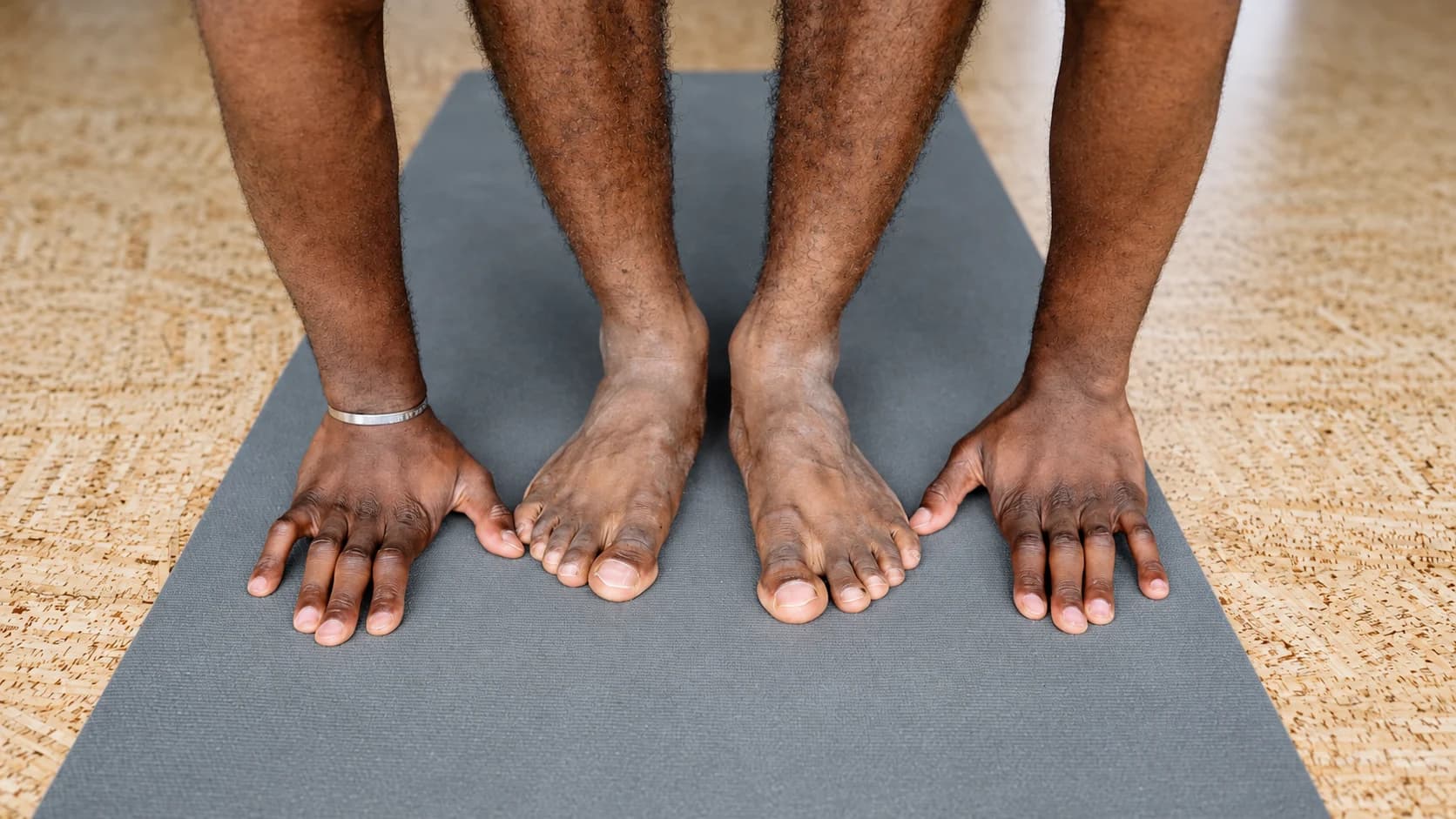
The hand position and amount of loading need to belong to the task you have been taught. Work within that preparation rather than pressing farther into a wrist position simply because the next skill looks more demanding. If the familiar level is uncomfortable or difficult to control, return to the preparation your coach has selected for that situation.
GMB's guide treats wrist extension and tolerance of load as preparation topics. That is a reason to prepare progressively, not to assume that a brief wrist stretch makes any amount of hand-supported work appropriate. Keep the movement, loading and next step connected to the same taught plan.
Check the contact before beginning: where the hands go, which surface they meet and how you will finish the familiar task. Avoid changing several details at once while trying to judge wrist comfort. A new support height or grip is another setup to learn, rather than an automatic solution to a difficulty on the floor.
A grounded example after weight-on-hands conditioning
HPC Gymnastics' coaching support gives a caterpillar example after established weight-on-hands conditioning, with an appropriately qualified coach or teacher. Use this example only within those conditions, with front support and the route into and out of it already taught to you.
- Begin in the familiar front-support position your coach has established with you.
- Walk the feet towards the hands until the hips are high.
- Walk the hands forward to return to front support.
That returns the example to its grounded starting position. Use the finish your teacher has shown, and let them choose how much practice is appropriate.
The useful preparation is knowing the start, action and return of a component. If front support or its finish is unfamiliar, first learn that foundation rather than following the middle of the sequence from a picture. The same approach carries into later practice: understand the complete component before adding a more demanding one.
Clear the area for the whole taught task
AAOS OrthoInfo's gymnastics guidance emphasises maintained equipment, appropriate spacing, secured facility padding and coaching that checks readiness and understanding. Apply those principles to the real practice environment, including other people using it.
Identify the area the lesson requires for setup, the taught movement and its finish. Clear furniture, loose objects and traffic from that area before starting. The space immediately beneath the hands is only part of the arrangement; the return route and any planned assistance need room too.
Check equipment according to its own instructions and keep facility padding arranged as the coach requires. A general yoga mat is not automatically padding approved for a handstand exit. If the intended environment or assistance is unavailable, stay with the preparation that suits the available setting instead of improvising the missing part.
Learn the return alongside the next component
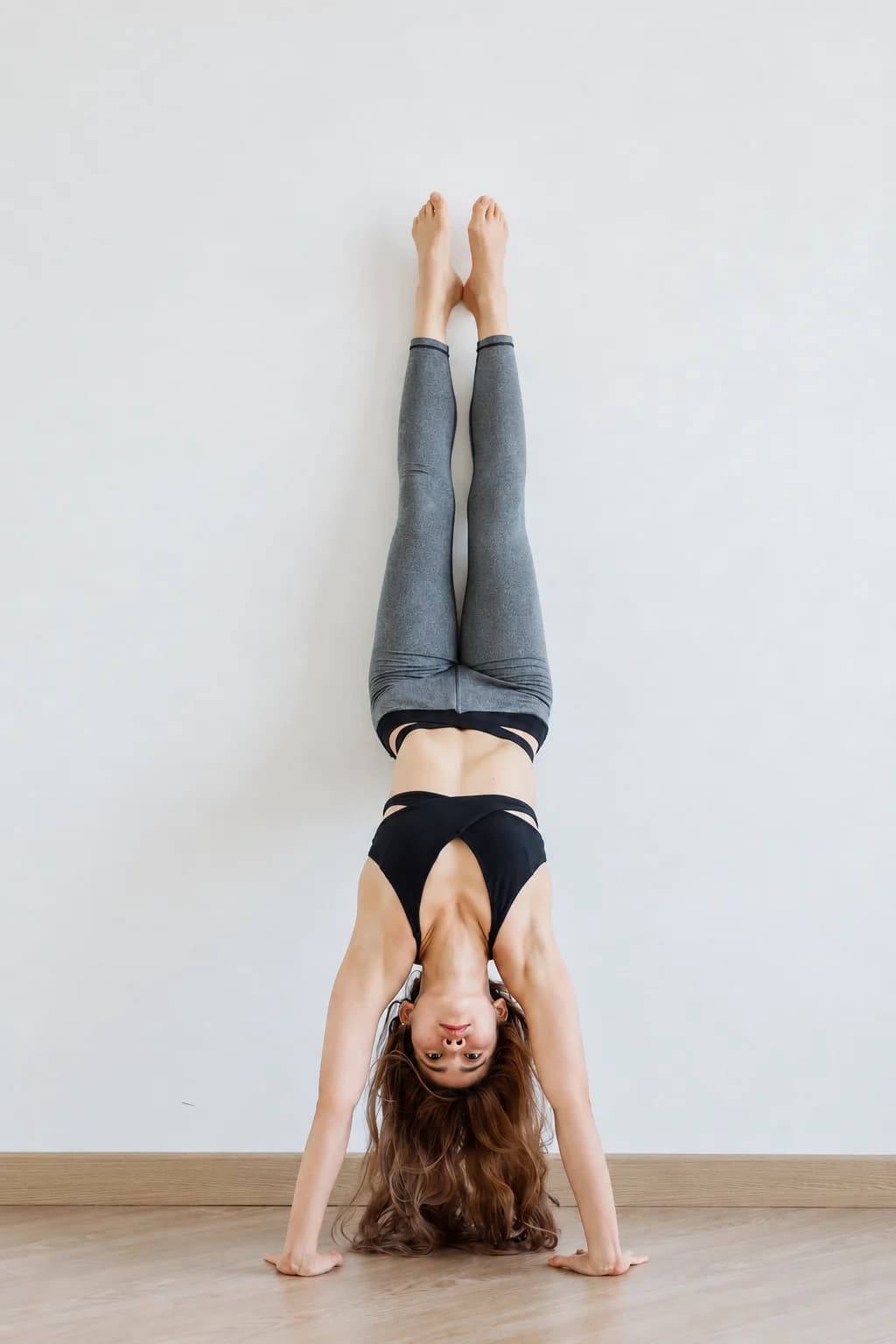
GMB's approach breaks the skill into components and includes learning exits. AAOS also discusses spotting during practice. Those are parts of a coached progression, with the entry, assistance and finish explained before the attempt begins.
For your next lesson, establish exactly which component you are practising, what the coach wants you to notice and how it ends. Know the taught response if the position changes or you need to stop. A wall or another piece of equipment does not supply that understanding on its own.
GMB recommends finishing when form deteriorates. Use the quality of the taught component to guide the session, rather than adding another attempt merely to reach a count. When the preparation no longer supports the chosen level, return to the agreed earlier work or finish that part of practice.
| PBG-200815 cane system: setup checklist | Confirm for this model |
|---|---|
| Assembly | Exact canes, cross bases, grip blocks and screw/fastener instructions |
| Inspection and intended use | Maker’s complete system checks and permitted tasks |
| Numeric loading / user restrictions | Confirm the complete model's loading limits and user restrictions before use |
| Taught setup and finish | Qualified instruction for this raised-contact system, separate from floor or low-bar preparation |
Contact PBGGAME contact for the matching Wood-3/PBG-200815 setup documents, then choose a taught cane progression for your current skill level. Plan the model-specific entry and exit arrangements, including any permitted landing support. Floor practice and low push-up handles use different support formats.
Handstand canes are later equipment to learn
The PBGGAME pine cross-base handstand cane set, Wood-3 pair contains two pine-wood canes with cross bases, wooden grip blocks and assembly screws. The listing identifies them for balance and handstand training. Consider this equipment for a specifically taught cane practice, after discussing its suitability with the coach directing that practice.
Raised grip blocks change hand contact, height and the base arrangement. Match the PBGGAME canes to their model-specific setup and intended use, confirm the load limits with our team and learn the entry-and-exit sequence before progressing from floor preparation.
For separate feet-assisted ground-support foundations, the beginner parallettes guide covers low-bar work. Keep those supports within their intended tasks rather than treating every handle or raised block as interchangeable handstand equipment.