Side-Lying Pilates: A Two-Movement Side-Kick Sequence
Follow a clearly identified two-movement excerpt from an intermediate/advanced Side Kicks lesson, with its setup, side change and attention to control.
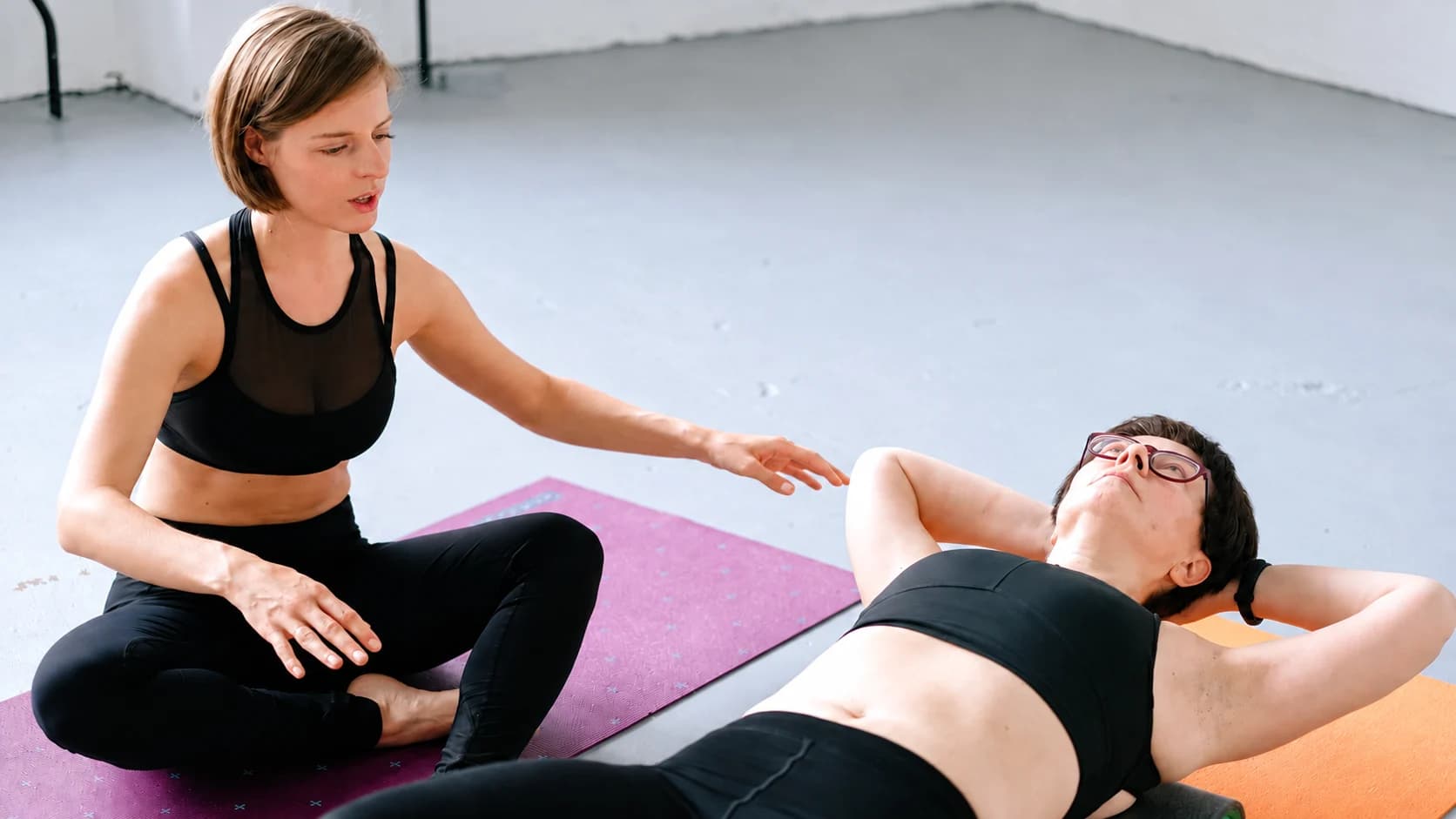
This side-lying Pilates sequence takes the first two elements of Lesley Logan's Side Kicks lesson, labelled intermediate/advanced. Logan is a certified Pilates teacher. It is an excerpt from that lesson, rather than a beginner programme.
The purpose is to follow a coherent order with attention to how the movement is performed. Adding a band, another prop or a larger movement would give you something else to learn. First understand the named lesson and the sequence it actually teaches.
Side lying Pilates exercises: follow the named two-part excerpt
Follow Logan's published lesson for its demonstration. The first two elements are:
- Lie on a side along the mat's back edge, with both feet forward as shown in the lesson. Support the head in the lower hand and place the upper hand on the mat in front. Lengthen the crown and feet away from each other; press the bottom leg down without locking its knee.
- Lift and lengthen the upper leg. Move it forward without changing the torso, return slightly and move forward again. Move back, return slightly and move back again: two actions in each direction.
- Turn the upper leg out. Make two upward actions, then draw the leg down.
- Flip over and switch sides, repeating those two movements. End the excerpt after the second side, using a transition you have already been taught.
Keep the full lesson available while learning its order. Review the demonstration before moving, including the change of side, rather than trying to discover the next instruction while already in position. A short written excerpt helps organise a lesson; the original demonstration supplies the fuller teaching context.
Two-part lesson order card
| Order | Movement in Logan’s excerpt | What stays attached |
|---|---|---|
| Set up | Use the taught side-lying arrangement | Head/hand support and feet forward from the original lesson |
| First element | Two actions forward and two back | The taught trunk control and leg path |
| Second element | Turn the leg out, two upward actions, then draw down | This source version’s sequence |
| Change side and finish | Repeat the two elements on the second side; use a learned exit | Do not add an untaught continuation |
Pilates hip control: give attention to the execution
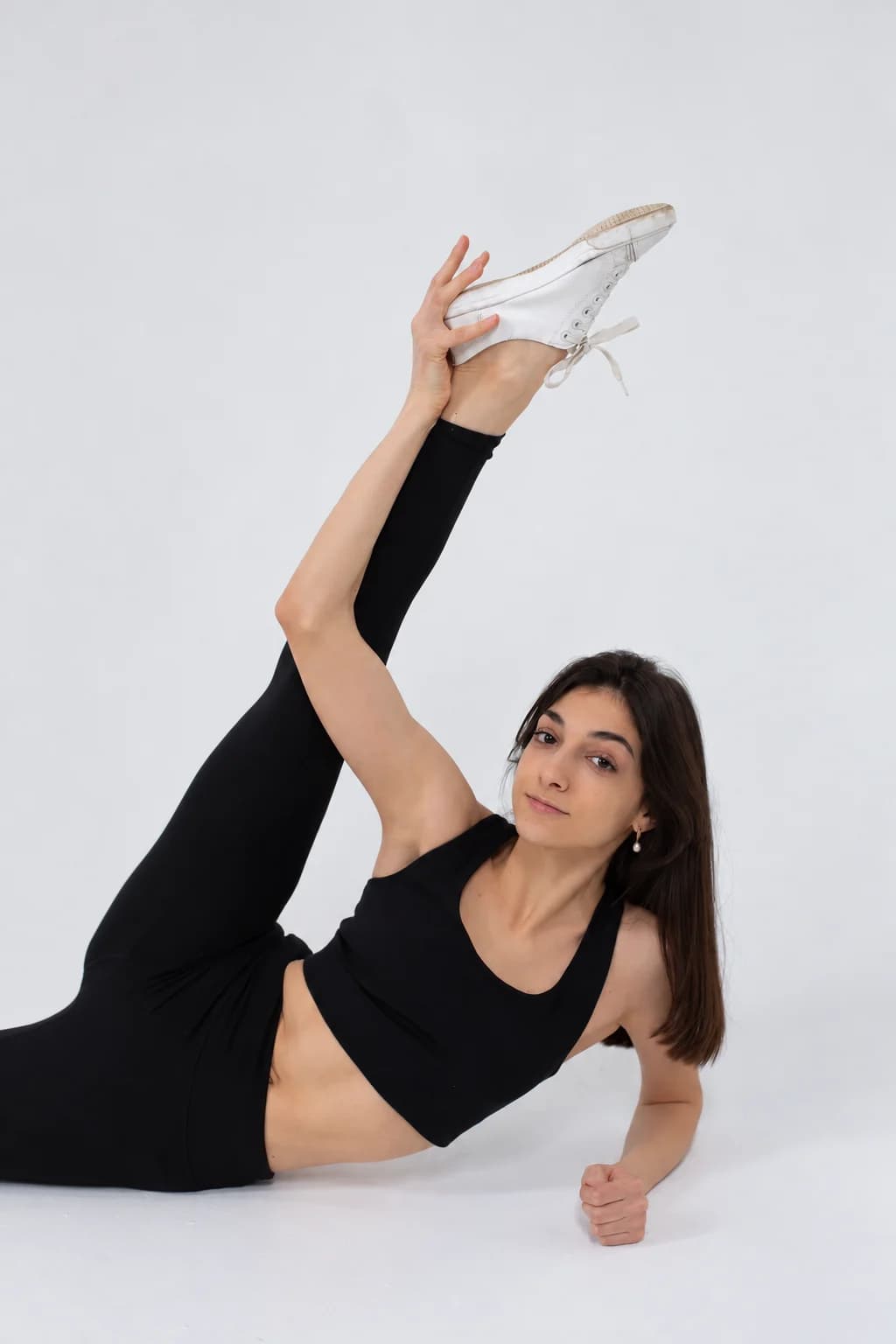
Kristin Loeer's article on control and precision at The Body Matters emphasises how a movement is carried out and the quality of attention given to it. Loeer is a Pilates teacher and specialist biomechanic coach. Use that principle to observe a taught movement, rather than treating more equipment or a more dramatic photograph as a better result.
Choose a specific learning question before reviewing the lesson. Perhaps the starting arrangement is unfamiliar, a cue needs explaining or the order is difficult to remember. Those are different questions. Identifying the actual one lets you replay the relevant part instead of changing several things at once.
Describe what you notice without awarding yourself a score. “I lost track of which element came next” is useful information. “I need to reach the height in someone else's photograph” introduces a target that may not belong to your lesson. Keep your review attached to the teacher's instructions and the version you have selected.
Organise a side lying Pilates sequence before starting
Read the sequence as a connected piece of teaching. Locate the starting setup, each named element and the change of side in the full lesson. Check that you understand the language before arranging the practice area. This is different from collecting several exercises that happen to be performed lying down.
Place the screen where you can review it before beginning or after finishing an element. Avoid making a new viewing position part of the exercise just to read the next line. If the lesson is unfamiliar, pause the video and review the order first instead of trying to keep pace with every demonstration.
Keep the equipment consistent while learning the excerpt. Adding resistance because it is available changes the task and can distract from the question you were trying to resolve. A banded hip-abduction drill or a mini-ball exercise is a separate choice; it is not an automatic continuation of this source sequence.
If a spoken cue remains unclear after reviewing the demonstration, use the exercise name and the relevant moment when asking the teacher about it. A specific question is easier to answer than a general request to make the whole series harder or easier.
Use a fully arranged ordinary class surface
Unfold the practice mat completely before settling into the lesson's setup. Keep loose objects and storage items clear of the area. Arrange the equipment before beginning, and finish the movement before making a change to the floor space or screen.
The PBGGAME blue cross-fold exercise mat contains one textured mat with lengthwise and crosswise fold lines, with a storage bag listed as included. The material is listed as TPE. Compare the selected option's listed unfolded dimensions with the class surface and space requirements.
Choose this format only when its listed dimensions and surface suit the actual class requirements. The fold lines and storage bag describe storage and carrying; they do not change the movement the teacher selected. Arrange the mat according to its own instructions, without treating folded sections as an extra support taught by this lesson.
Keep the next lesson a separate decision
Once you have completed the selected excerpt, finish through the transition you already know. Do not add an unlearned movement just because the video or another class continues further. Review the part you intended to learn before choosing another lesson component.
For a different seated movement, the Half Roll Back guide uses its own named source, starting position and return. The Pilates breathing guide addresses breath coordination separately. Neither supplies an extra movement or a new breath pattern to insert into the Side Kicks excerpt.