How to Track Cardio Progress: Compare Your Own Walks
Learn how to track cardio progress with a familiar walking route, comparable effort and a short log. Read pace, conditions and recovery observations together.
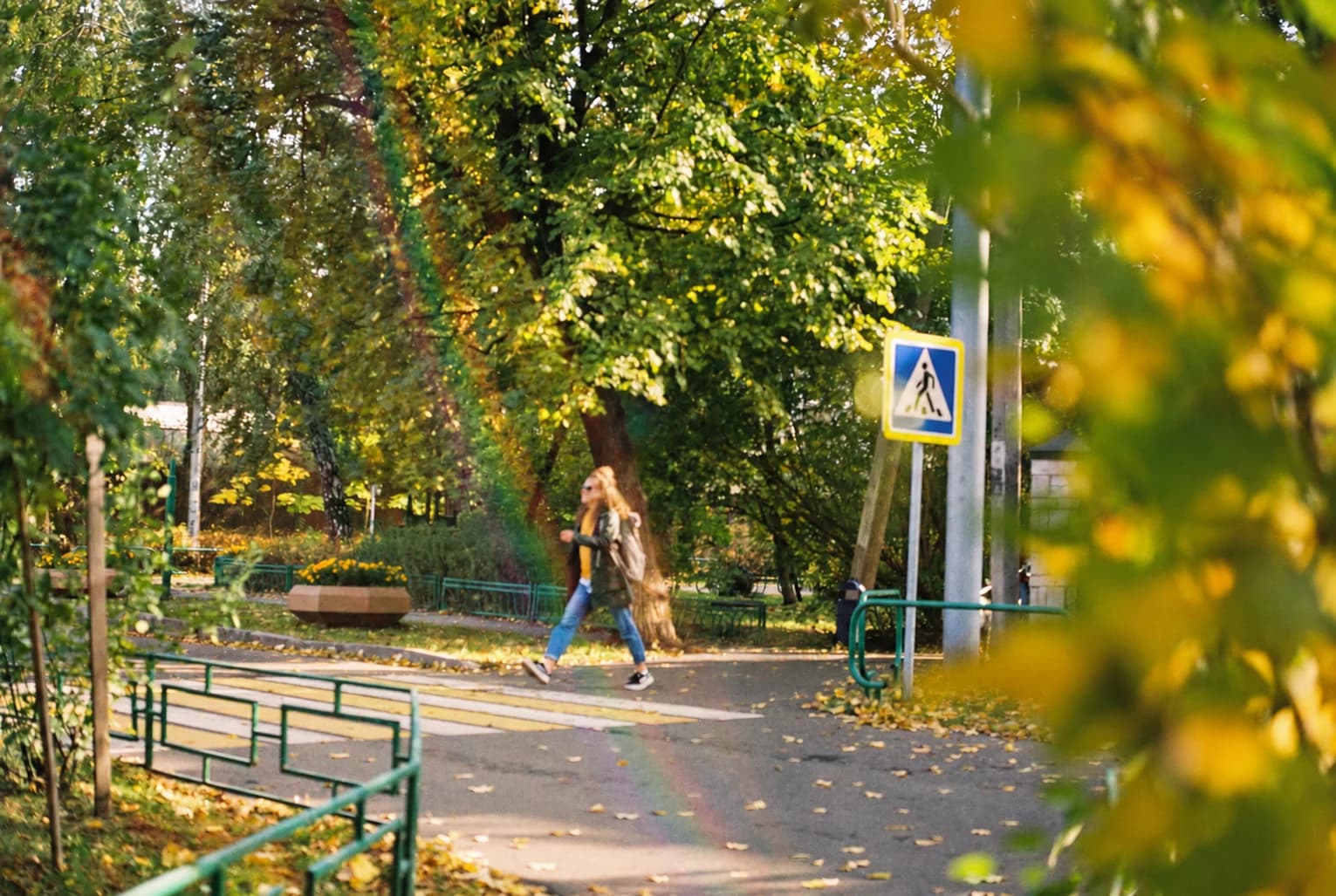
Learning how to track cardio progress starts with a comparison you can understand. A familiar walk gives you a practical reference: the same route, a manageable effort and a few notes about the conditions. Over several comparable outings, you can look for a pace that feels easier or a little more ground covered in your usual time.
You do not need to turn each walk into a hard test. The method below is an editorial personal check built around ordinary activity. It helps you describe changes in your own routine, using elapsed time, perceived effort and how you feel afterward.
How to measure cardio progress with a familiar route
Choose a short route you already walk comfortably. A familiar park loop or an out-and-back between clear landmarks can work. Keep the start, finish, direction and number of laps the same. You can compare elapsed time on a fixed route even if you do not know its measured distance; simply name the route accurately in your log.
Look for a route with few interruptions, a surface you can use comfortably and room to maintain your ordinary pace. Avoid choosing a steep or unusually demanding course just to make the check feel more serious. If traffic, crossings or crowds regularly stop the walk, choose another route or keep those outings as general activity records rather than timing comparisons.
Keep the preparation repeatable too. Use the same easy approach before the timed section, similar footwear and a similar carried load. Note weather and surface conditions, along with whether you started feeling unusually tired. These details give you context for the result. A warmer, windier or interrupted outing may still be useful activity, while offering a different comparison from your usual loop.
Choose effort you can describe consistently
The CDC's guide to activity intensity explains that relative effort depends on the person. Its talk-test rule of thumb describes moderate activity as an effort where you can talk but not sing. On its 0–10 effort scale, moderate activity is generally 5–6. Those cues describe intensity; they do not give your walk a fitness score.
For this check, choose a manageable walking effort you can repeat without chasing the fastest possible finish. Record the effort in your own words and, if useful, a number on that same scale. Use a similar conversation cue each time, rather than deciding that every faster walk must be better. For more context, see Heart Rate vs the Talk Test: Interpret Exercise Intensity.
Complete one ordinary route check

The sequence below is an editorial way to organise a personal comparison. Choose a route length that already fits your current walking ability. The preparation and easy-return times are examples for keeping the notes consistent, rather than a standardised testing protocol.
- Before starting, write the route name, date, conditions and anything unusual about how you feel. Check that the route is clear and suitable for that day's walk.
- Walk easily for about two minutes before the marked start. Use the same preparation on future check outings.
- Start an ordinary timer at the same landmark. Walk the agreed route at your chosen manageable effort, keeping the route and lap count unchanged.
- Stop the timer at the same finish point. Record elapsed time, your effort description or rating, and how easy it was to talk. Note any unplanned stops rather than quietly removing them from the record.
- Walk easily for about two minutes afterward, then write a brief observation such as 'breathing felt settled' or 'still breathing more heavily than usual.' Use the same easy-return window so the note is made at a comparable point.
- Repeat the check on another suitable day, using the same preparation. Aim for similar conditions and effort; there is no need to make every outing a check.
Stop if you develop pain, dizziness or feel faint. Completing a record is never a reason to push through those symptoms. The NIDDK's activity guidance supports starting slowly and keeping a log of what you did, how long you were active and how you felt.
Track cardio progress without calories: compare two walks
This illustrative log shows two walks around the same familiar loop. The times are examples, not targets. Keeping the conditions and effort visible helps you decide what the time difference means.
| Log detail | Earlier outing | Later outing |
|---|---|---|
| Route and preparation | One park loop; two-minute easy approach. | Same loop, direction and approach. |
| Conditions | Dry, calm; usual shoes; no carried bag. | Similar weather, surface, shoes and load. |
| Elapsed time | 14 minutes 20 seconds. | 14 minutes 5 seconds. |
| Effort and conversation | 5/10; could talk but not sing comfortably. | 5/10; same conversation description. |
| After the easy return | Breathing felt settled after the two-minute easy walk. | Breathing felt settled after the same easy walk. |
| Interruptions | None recorded. | None recorded. |
Copy a blank familiar-route record
| Date / route / laps | Preparation / shoes / carried load | Conditions / interruptions | Elapsed time / effort / talk cue | Same easy-return observation | Comparison label |
|---|---|---|---|---|---|
| ____ | ____ | ____ | ____ | ____ | Comparable / not comparable / uncertain |
| ____ | ____ | ____ | ____ | ____ | Comparable / not comparable / uncertain |
Retain an interrupted outing and mark why it is not comparable; do not erase stops or replace missing observations with guesses. This personal activity log is not a standardized fitness test and does not estimate VO2max, calories or an equivalent cycling performance.
The later outing is 15 seconds quicker, with the same reported effort and similar conditions. That is a useful observation for this route. Timing variation and small pacing choices can also affect a single pair of walks, so look for the pattern across further comparable outings before treating it as a trend.
If the later walk had required much harder effort, the faster time would mainly tell you that you walked faster while working harder. If the time stayed similar but the same route repeatedly felt easier, that would be another change worth noticing. Read time and effort together rather than selecting whichever number looks most encouraging.
Read endurance training indicators together
- Pace on the same route: compare elapsed times only when the route, effort and conditions are close enough to make the comparison useful.
- Ease at a familiar pace: notice whether a repeated outing feels more manageable, while keeping the conversation cue and effort scale consistent.
- How you feel afterward: describe breathing and ease during the same gentle return, using ordinary observations rather than a recovery score.
- Regular activity completed: keep track of the walks you can fit into your week as well as occasional check outings. A single quick loop does not describe the whole routine.
A change in one indicator is a reason to look at the rest of the record. For example, an easier-feeling walk after better sleep may reflect that day's circumstances. Repeated easier walks under comparable conditions give you a clearer personal picture. Keep the observations specific to the activity: a walking log does not automatically tell you an equivalent cycling or swimming performance.
Use simple markers when landmarks are unclear
Outdoor landmarks may give you all the route cues you need. In a suitable private practice space, the optional 10-piece set of numbered 9-inch floor spots can identify a start or turn point. The selected set contains ten flat TPR spots numbered 1–10 and a carry bag. Use only the spots needed for your layout.
Place them beside the walking line, keeping the footpath clear. Check that each lies flat and stays put on the chosen dry surface before beginning. These spots help you reproduce the layout; they do not measure distance, elapsed time or fitness. Keep the same positions for a comparison, and use permanent landmarks instead where loose markers would be unsuitable.
How to track cardio progress between check outings
When a check was interrupted or conditions changed noticeably, retain the note and wait for a more comparable outing. You can still value the activity without forcing its time into a trend. If your usual walks are becoming comfortably repeatable, NIDDK suggests building activity time and frequency gradually before increasing pace.
Keep the checks occasional and give most outings their usual purpose: time spent moving at a level you can manage. Your record becomes useful when it helps you recognise that routine clearly, including the ordinary days between the quickest ones.