Walking Workout for Beginners: Find Your Pace and Build Gradually
Try a walking workout for beginners with an easy opening, purposeful middle and easy finish. Use the talk test and build pace or time one small step at a time.
A walking workout for beginners can start with a familiar route, an easy opening and a short middle section walked with purpose. Choose an amount you can manage now, then decide whether the next useful change is a little more walking time or a brief brisker section. You can develop either gradually.
Use the first few outings to learn the route and notice how the walking feels. A repeatable short walk gives you a starting point for a plan without needing a distance target or a fixed speed.
Choose a route you can repeat comfortably
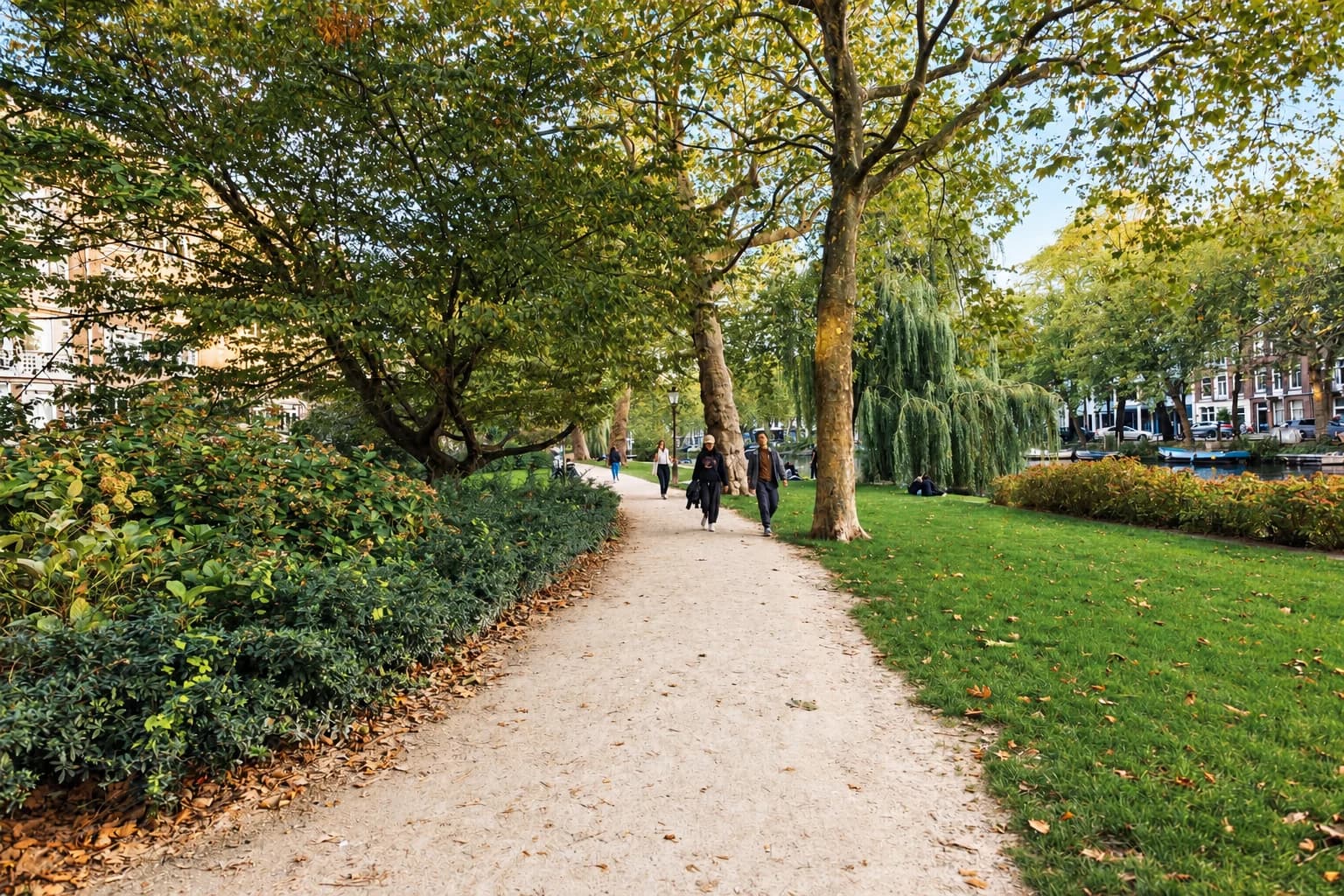
Pick a familiar, mostly level loop near your starting point. An out-and-back route also works: choose a turning point that leaves enough time for an easy return. Keep crossings, uneven surfaces and crowded sections in mind when choosing where you will walk more purposefully.
NHS walking guidance recommends comfortable, supportive shoes and gradual increases in walking distance for people building up their activity. Begin with footwear you can walk in comfortably, and check how the route feels before using it for a longer outing.
Choose a place where you can slow down or stop at the side without blocking others. If outdoor conditions make your usual route awkward, a familiar flat indoor walking space may be easier to organise. Low-Impact Home Cardio Options Beyond Jumping offers other ways to use a small indoor space.
Try a walking workout for beginners in three parts
This ten-minute example is an editorial starting arrangement. Shorten it to two minutes in each part, or keep the entire walk easy, if that better matches the walking you can comfortably repeat. Set the rough plan before leaving so you know how you will get back to the start.
- Walk easily for 3 minutes. Settle into the route, let your arms move naturally and keep the opening unhurried.
- Walk with a comfortable, purposeful rhythm for 4 minutes. Choose a steady pace you can maintain without having to rush the feet. It can remain easy while you become familiar with the session.
- Ease back for the final 3 minutes. Finish near your starting point, gradually settling the pace rather than trying to cover extra ground at the end.
If the route includes a crossing or another interruption, pause the pace goal and deal with the route first. Resume comfortable walking afterwards. The first outing is still useful when the purposeful section is shorter than planned.
After finishing, note whether the complete walk felt manageable and whether you would choose the same arrangement again. That observation helps you decide what to repeat, rather than making the next outing longer automatically.
Use the talk test to find a brisker effort
The CDC's guide to physical activity intensity describes moderate effort as an intensity at which you can speak but singing would be difficult. At vigorous effort, speaking more than a few words requires a breathing pause. The same walking speed can feel different depending on a person's fitness, so use your own response rather than matching another walker's pace.
When you are ready to try a brisk section, increase the pace slightly on a clear stretch and check that you can still speak. Aim for the moderate-effort description, with enough attention left for the path. If you can only get out a few words before pausing for breath, ease the pace back.
Check again when the route changes. A slope, wind or a faster companion can change the effort even if you intended to keep the same pace. Return to comfortable walking while you reorganise the session, then choose whether another brisk section fits.
Keep the first walk and the next choice in one record
| Outing | Route and talk-test observation | Planned / actual time | One next choice |
|---|---|---|---|
| First walk | _____ | 3 easy + 4 purposeful + 3 easy = 10 minutes, or chosen shorter version / _____ | Repeat / simpler route / finish sooner: _____ |
| Repeat | Same route or noted difference: _____ | _____ / _____ | Keep conditions or change one feature: _____ |
| A deliberate change | Time or pace, not both by default: _____ | _____ / _____ | Review afterward: _____ |
Choose a manageable brisk-walking progression
Once you have repeated a comfortable walk, choose one small change. You can introduce a brief brisk section while keeping the total time familiar, or add some easy walking while keeping the pace familiar. The choice depends on which part of the outing you are ready to develop.
For a pace change within the ten-minute example, use the same 3-minute easy opening. During the middle four minutes, try 1 minute briskly, 1 minute easily and 2 minutes at your previous comfortable rhythm. Finish with the same 3 easy minutes. The brisk minute replaces part of the existing walk, rather than extending it.
For a time change, keep the whole walk at the familiar pace and add 1–2 easy minutes to its middle section. Choose the amount before leaving and adjust the route so the return remains straightforward. Repeat that version before deciding whether to change it again.
These are small editorial progression examples, rather than a required weekly schedule. Keep the opening and finish easy, and change only one part at a time so you can identify what you added.
Build a walking fitness plan around repeatable walks
Choose the next opportunities to walk from your actual week. Put a short walk where it is likely to fit, with a route and duration you already understand. Repeating that arrangement gives the plan a clear starting shape.
Keep a brief note of the route, total time, any brisk section and how the talk test felt. “Ten minutes, one brisk minute, comfortable return” gives the next outing a useful reference. If the shorter version fits better, record that version and use it again.
Review the whole outing before adding work. A longer walk may need a different turning point or more time to get home; a brisker section may need a clearer stretch of path. Choose the change that fits both your current capacity and the route available.
Decide what to carry as walks get longer
For longer walks, the NHS suggests that water and a small backpack may be useful. Decide what suits the route and how you prefer to carry it, then check the arrangement on an easy outing before making the walk longer.
The optional pair of contoured 10-ounce squeeze bottles has push-pull caps. Choose the bottle you want to take and check that it fits securely in your own bag or an existing pocket before setting out. The pair is supplied as bottles, so any carrying arrangement needs to come from what you already use.
If you prefer a pack for a longer outing, the optional Dark Gray 10-litre hydration backpack includes a 2-litre reservoir and drinking tube. Adjust the pack and check the tube position before walking. Choose what you carry for the actual outing; the reservoir capacity is not a drinking target for the session.
Keep the first walk simple. Use the familiar route, choose the easy or purposeful version that fits, and let what you learn guide the next small change.