Restorative Yoga vs Yin Yoga: Different Uses for Support and Time
Compare restorative and yin class purposes, prop use and pacing, then ask practical questions before choosing your first lesson.
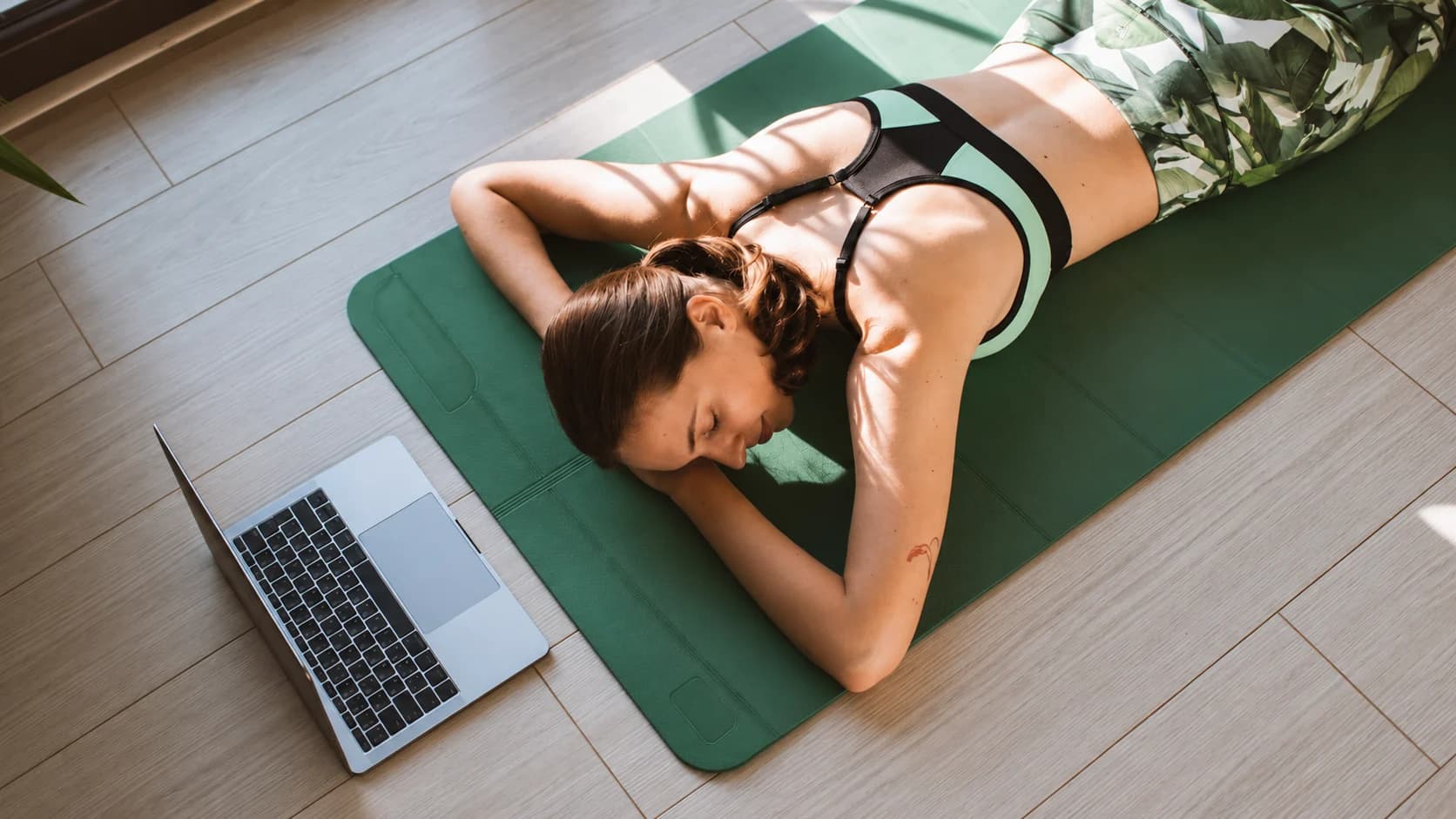
Restorative yoga and yin yoga can both involve slow pacing, quiet floor positions and props. To choose a class, look beyond those visible similarities. Ask what the teacher intends you to experience, how support will be arranged and what options you have when a position needs changing.
A useful starting distinction is supported rest in restorative practice, compared with the manageable stretching sensation that may be part of a taught yin position. The actual lesson still matters. A clear class description and an instructor who can explain the setup give you more to work with than a photograph of someone lying on a bolster.
Restorative yoga vs yin yoga: compare the class purposes
In Yin Yoga or Restorative Yoga?, teacher Bernie Clark describes restorative practice as using substantial support so the body can settle. He also makes clear that yin can use props. A bolster or block therefore belongs to the setup of a particular position; its presence does not identify the class by itself.
| What to compare | Restorative class | Yin class |
|---|---|---|
| Main emphasis | Arranging support for resting with little effort. | Staying with a taught, manageable position that may include a stretching sensation. |
| Role of props | Often a central part of supporting the resting arrangement. | Can adapt the position or provide support; they are not excluded. |
| Pacing to clarify | How much time is given to arranging support and resting. | How the teacher introduces a position, its still period and the exit. |
| Useful first question | “How will you help me make the supported setup comfortable?” | “What sensation and easier options will you explain for each position?” |
Kirsty Tomlinson's yoga styles guide describes yin holds of three to five minutes. That is the guide's description of class pacing, rather than a target a new student needs to complete. It describes restorative practice as slow and commonly supported by blankets or bolsters. Check the actual lesson's timing instead of assuming every teacher uses the same length.
Both labels can cover a quiet-looking class. Clark notes that simple positions are not necessarily easy, so “slow” is a reason to ask about the teaching and options, rather than assume the session will ask little of you.
Yin vs restorative practice: choose for the session you want
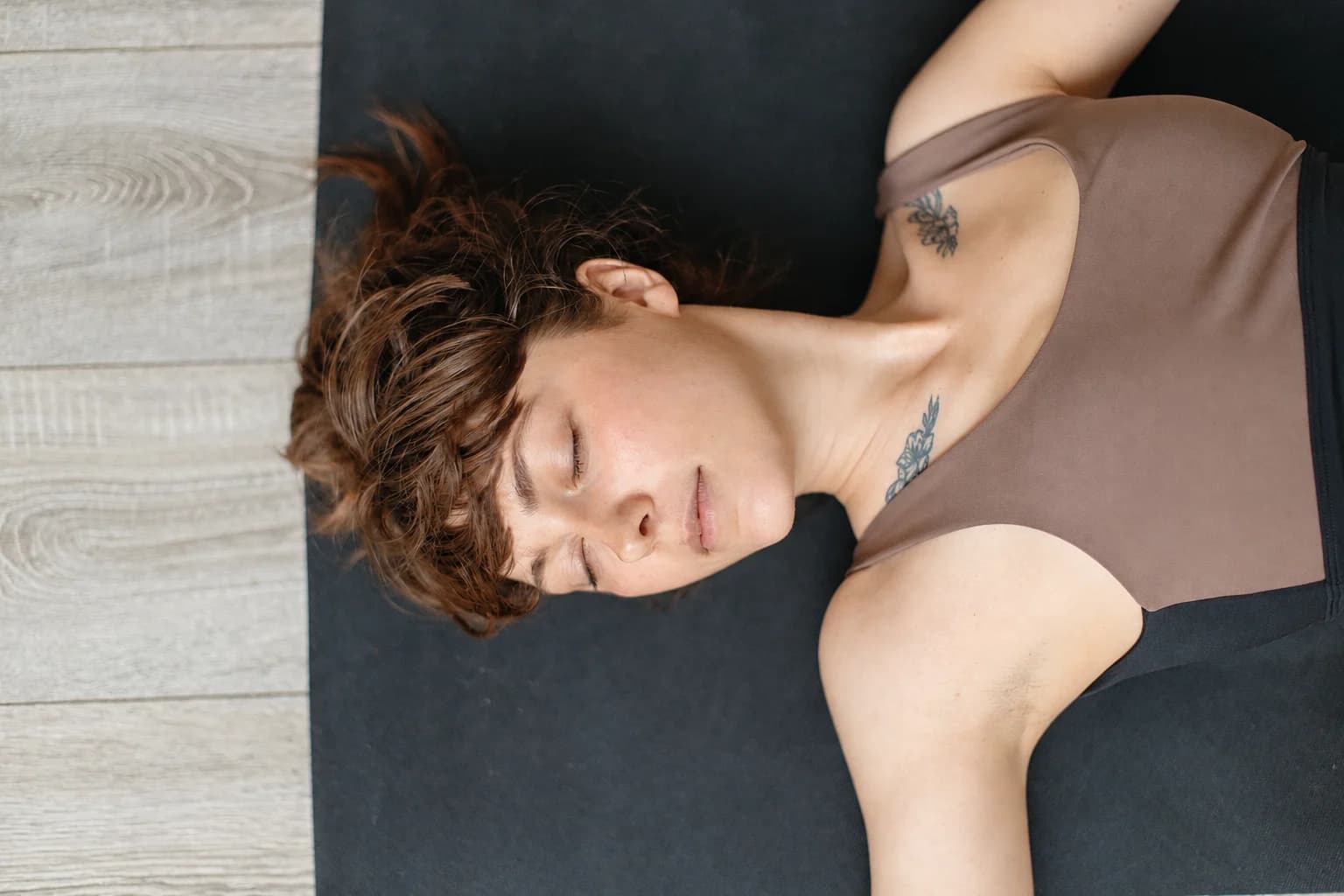
If your priority is a class organised around supported resting positions, start by reading a restorative class description. Look for an explanation of prop setup and ask whether the teacher will help you adjust the arrangement. A listing that only says “relaxing” leaves an important practical question unanswered: what will you actually be doing?
If you are interested in a slower lesson that includes remaining with a taught stretching sensation, read the yin description and ask how the teacher explains that sensation. Find out whether you can use support, change the position or leave it earlier. Choose a class whose options you understand before committing to the advertised hold length.
These are editorial ways to narrow the choice, rather than a ranking of the styles. You can also choose by access to clear teaching. If one class explains its floor positions, available props and alternatives in detail, that information helps you decide whether its format suits your first visit.
If a studio combines “yin and restorative” in one lesson, ask which parts use each approach and how the teacher will signal the change. The combined label alone does not tell you how much time will be spent in either kind of practice.
One checklist before you book
| Question | Restorative class answer | Yin class answer |
|---|---|---|
| What is this lesson’s purpose? | _____ | _____ |
| Which props are supplied, and who helps arrange them? | _____ | _____ |
| How are the quiet periods introduced? | _____ | _____ |
| Can I change or leave a position sooner? | _____ | _____ |
| What is the taught exit and floor-transition alternative? | _____ | _____ |
Ask these questions before booking
Use the questions below to turn a short listing into a clearer picture of the lesson:
- “Is this class suitable for someone new to this style, and how do you explain the first setup?” Look for enough instruction to follow the starting position and the route out of it.
- “Which props are provided?” Check the actual list, especially for an online class or a studio that asks you to bring equipment. Ask whether a suggested substitute is suitable before improvising one.
- “How long are the quiet periods, and can I change position sooner?” This connects the advertised pacing to the choices you will have during class.
- “What happens if a floor position or transition does not suit me?” Ask for the actual alternative and how to request help, rather than relying on a general “all levels” label.
- “How does the class finish?” Find out whether the teacher guides the return from the final resting position and leaves time to gather equipment afterwards.
If the answers remain unclear, ask for a beginner introduction or a more detailed class description before booking. You are choosing a lesson you can follow, including its less visible parts: preparation, adjustment and transitions.
Supported yoga styles: give each prop a clear role
Props are useful when their place in the arrangement is clear. Ask the teacher what a particular item is supporting and which height or orientation they want you to use. Set it up as instructed, then ask for an adjustment if the arrangement does not feel workable. Adding more props without knowing their role can make the setup harder to understand.
For a larger rectangular support, the Blue triple-layer foam yoga bolster is listed as 65.0 by 24.9 by 15.2 centimetres. It has a carry handle and a removable washable cover. The cover's care feature does not mean the foam core can be machine-washed; follow the care information supplied with the item.
The Cork yoga blocks pair with D-ring strap contains two cork blocks, each 9 by 6 by 4 inches, and one yoga strap. Use the block height and placement your teacher shows for the selected position. This comparison does not require a strap exercise or stacked-block arrangement.
Check what a class supplies before buying either item. Product dimensions describe the equipment; an instructor's explanation connects it to the position you are learning. For a separate introduction to prop roles, the yoga block exercises for beginners guide covers that topic in more detail.
Follow the first lesson one stage at a time
Before the lesson begins, tell the teacher that you are new to the style. Ask how to get their attention and whether they want you to try an arrangement before the quiet period starts. Keep any alternatives they explain within reach, including the route out of a floor position.
During setup, follow the instruction for that position rather than copying the shape of another participant. Give yourself time to understand the contacts with the floor and props. If the teacher names a sensation you do not understand, ask them to explain it in ordinary words before trying to intensify anything.
Clark advises entering gently and treats pain as a sign that the position is unsuitable. If a position hurts, come out gently and tell the teacher. Use the explained alternative or rest while you decide what to do next. Completing a timer is not the task to prioritise in that moment.
When the position ends, follow the taught exit and take time to understand the next arrangement. After class, consider which instructions were clear, whether the props were explained and whether you could use an alternative when needed. Those observations help you choose the next lesson more directly than the style name alone.