Neutral Spine vs Imprint in Pilates: Understand the Cues
Understand neutral and imprint cues in Pilates, try a small feet-down comparison and learn what to ask when an instruction feels unclear.
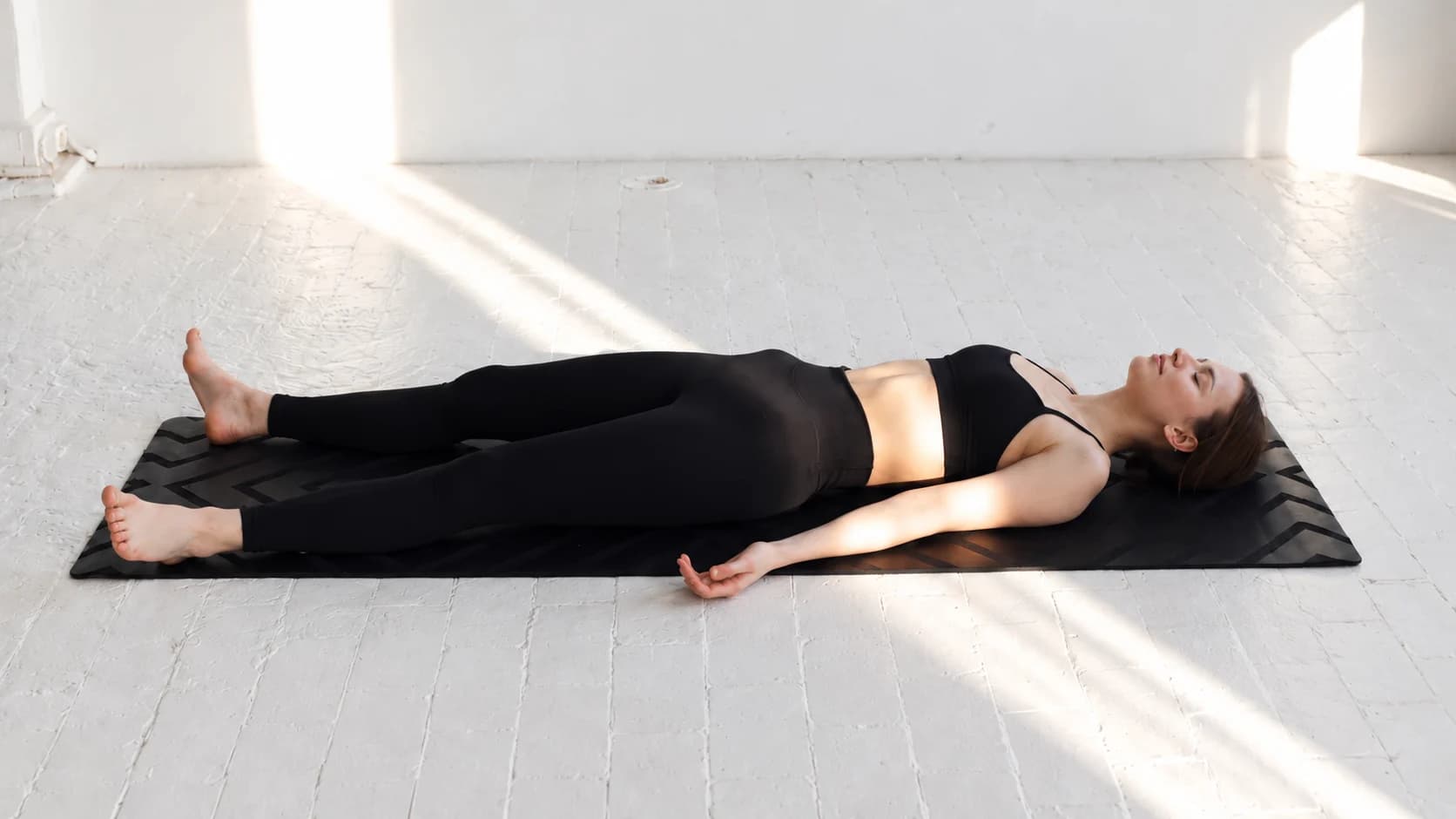
Neutral vs imprint in Pilates is a comparison of cues for a particular exercise. “Find neutral” and “use an imprint” ask you to organise your pelvis and lower back. Before trying to make either position more pronounced, find out which one the teacher wants and what they want you to notice. A useful first step is being able to describe the difference in ordinary words.
This guide uses Merrithew's STOTT PILATES teaching to explain the two terms. Treat that as a specific teaching approach: when another class uses different language, ask the instructor to connect the words to the movement in front of you.
Read the feet-down comparison in three stages
| Merrithew teaching version | Contacts and cue | Breathing / return |
|---|---|---|
| Neutral start | Lie on the back, knees bent, feet hip-distance apart and down; sacrum supported | Natural lower-back curve, without making an extra arch |
| Small move toward imprint | Feet remain down; a small backward pelvic tilt, without forcing the back flat | Inhale to prepare, exhale for the gentle change |
| Release to neutral | Retain supported feet and sacrum; no foot holding or leg lift | Inhale for the return; source suggests 3–5 repetitions only while comfortable |
This is a text summary of the linked STOTT PILATES lesson. The later photograph of someone holding the feet is context, not this exercise’s contacts. Ask the teacher if the small change remains unclear; a stronger tuck is not the target.
Neutral spine vs imprint in Pilates: read the cue
Merrithew's pelvic-placement principles distinguish these positions while lying on the back. This comparison summarises that teaching:
| Cue | What it describes | What to avoid chasing |
|---|---|---|
| Neutral | The lower back retains its natural curve and the sacrum rests on the mat. | Deliberately making a larger arch. |
| Imprint | A small backwards tilt of the pelvis accompanies slight rounding of the lower back; the sacrum stays on the mat. | A strong tuck or pressing the lower back flat. |
The size of the gap under the lower back varies between people. Merrithew specifically advises against forcing the back into the mat, and treats discomfort in the lower back as more significant than perfectly matching its alignment guide. A photograph or another participant's back therefore gives you little reason to push your own position further.
First establish which cue is being requested. “Neutral” and “imprint” name different arrangements; hearing a new instruction is a reason to check the task, rather than assume the earlier instruction was wrong.
Pilates pelvic position: try a small awareness check
Merrithew's Imprint & release gives a simple feet-down comparison. The source suggests three to five repetitions. The steps below paraphrase that sequence; the aim here is to recognise a small change, rather than test how firmly you can press into the floor.
- Lie on your back in a comfortable neutral starting position, with knees bent, feet hip-distance apart and arms resting by your sides, palms down. Keep the feet on the floor throughout this exploration.
- Inhale to prepare. As you exhale, gently engage the abdominals to move towards imprint. Leave out any effort to make the movement large.
- Inhale as you return to neutral. Let the return be part of the comparison, rather than immediately repeating the tuck.
- Repeat within the source's three-to-five range only while comfortable. You can finish earlier once you have noticed the change, or stop if the movement is uncomfortable.
Afterwards, put the experience into one plain sentence: perhaps you noticed a small pelvic movement, or perhaps the two positions were difficult to distinguish. Either observation gives a teacher something specific to respond to. There is no need to keep repeating until your description matches someone else's.
If you cannot tell what changed, leave the exercise there and ask for a demonstration or an individual cue in class. Describe where the instruction became unclear: finding the starting position, making the small movement or recognising the return. That makes the next explanation easier to focus.
Pilates spine cues: connect the words to the exercise
A cue becomes easier to use when you know its place in the sequence. Imagine arriving a little late to an explanation and hearing only “keep that position.” You may know the movement's name and still be missing the instruction that matters. Ask the teacher to show the starting arrangement before joining the next repetition.
These are useful editorial questions to bring into a lesson:
- “Are we starting in neutral or imprint for this exercise?”
- “Do you want that position to stay the same throughout this movement?”
- “Could you show me the size of the change you mean?”
Listen for the answer before adding more effort. If the teacher demonstrates a small movement, practise identifying that movement first. If the instruction is to maintain a position, ask which part of the movement you should watch while learning it. These questions turn a general phrase into an action you can follow.
Try to resolve one uncertainty at a time. It is reasonable to say, “I understand the starting position, but I lose track when the movement begins.” That is clearer feedback than deciding you need to hold everything harder. For the separate task of coordinating the breath, the Pilates breathing guide introduces unforced breathing cues.
Choose a floor setup you can use comfortably
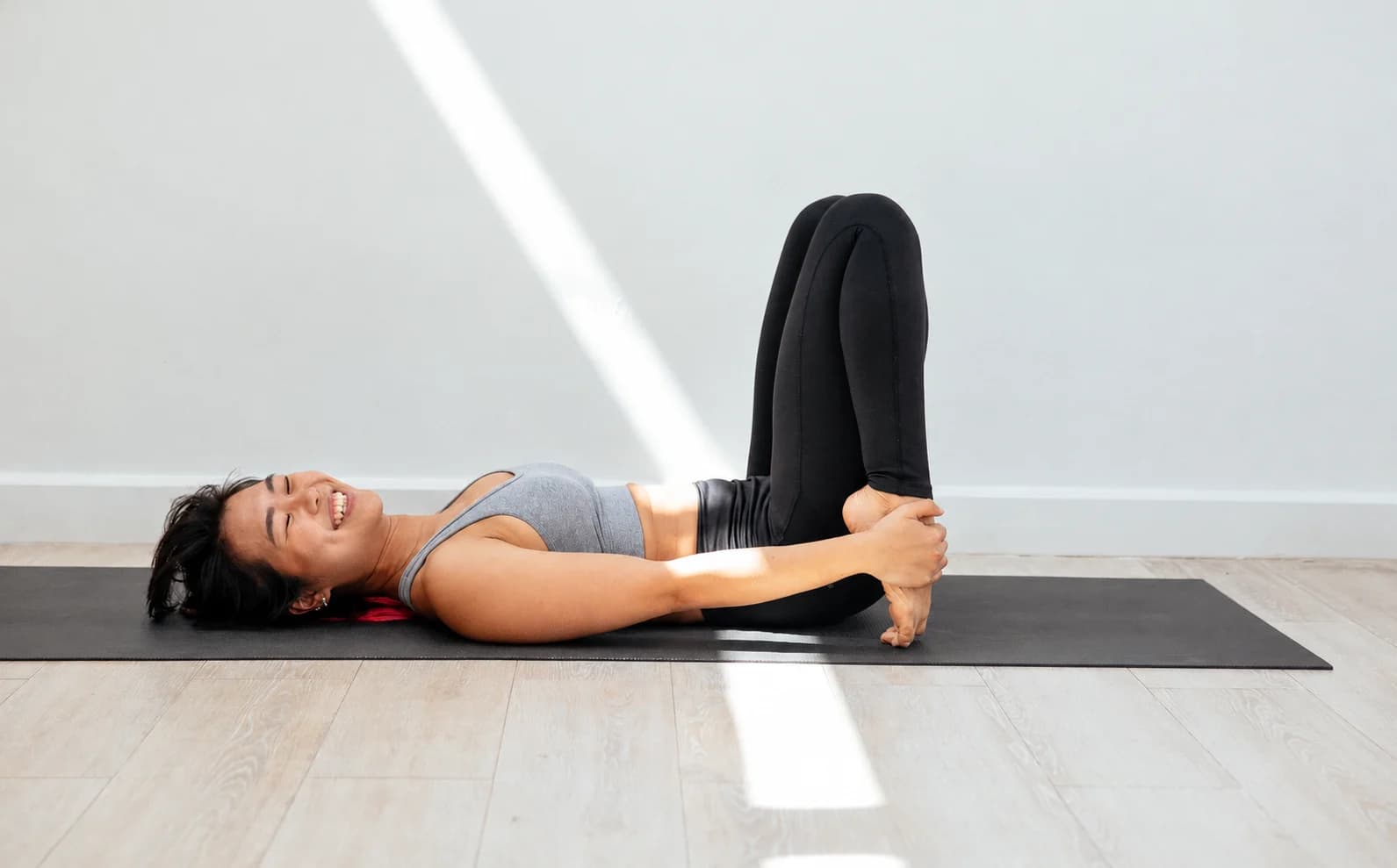
For the short lying exploration, use a suitable level surface with enough room to settle down and get up comfortably. You do not need a ring, band or ball to learn the meaning of these two cues. If you are choosing a floor surface, the following are alternatives with different materials and storage arrangements:
- The Black & White woven cotton yoga rug is listed as 182.9 by 61 centimetres and 5 millimetres thick. This option is a single cotton rug that rolls for storage.
- The Grey cross-fold TPE mat with storage bag is listed as 182.9 by 80 centimetres and 0.8 centimetres thick. It folds along its marked lines and comes with one storage bag; the care instruction is hand wash only.
Choose between them for the surface and storage format you want. Neither product tells you whether you are using the requested pelvic position. Keep that question with the movement instruction, and leave out extra props unless the lesson you are following calls for them.
When an individual explanation is more useful
Pause when following the cue turns into pressing harder, repeatedly changing position or trying to copy the person next to you. Tell the instructor what you actually tried. “I pushed my lower back towards the mat because I thought imprint meant no gap” gives them a clear misunderstanding to address.
You can also ask for the instruction in different words. A teacher might demonstrate while you watch, explain the start and finish separately, or help you identify a smaller change. Ask what to prioritise on the next attempt, then use that one instruction before collecting more cues.
If the position is uncomfortable, stop that attempt and describe the discomfort rather than trying to work through it. If pain continues or affects other activity, seek individual advice from an appropriately qualified clinician. A short comparison of Pilates terms cannot explain why a particular position hurts.
Leave the lesson with a clear answer to two questions: which position was requested for the exercise, and what did the teacher mean by it? Those answers are more useful for your next practice than a goal of making every lower-back gap disappear.