Understand Individual Fluid Planning for Exercise
Prepare session conditions, drink access, personal feedback and questions for a suitable professional. This page explains planning considerations rather than setting your fluid or electrolyte target.
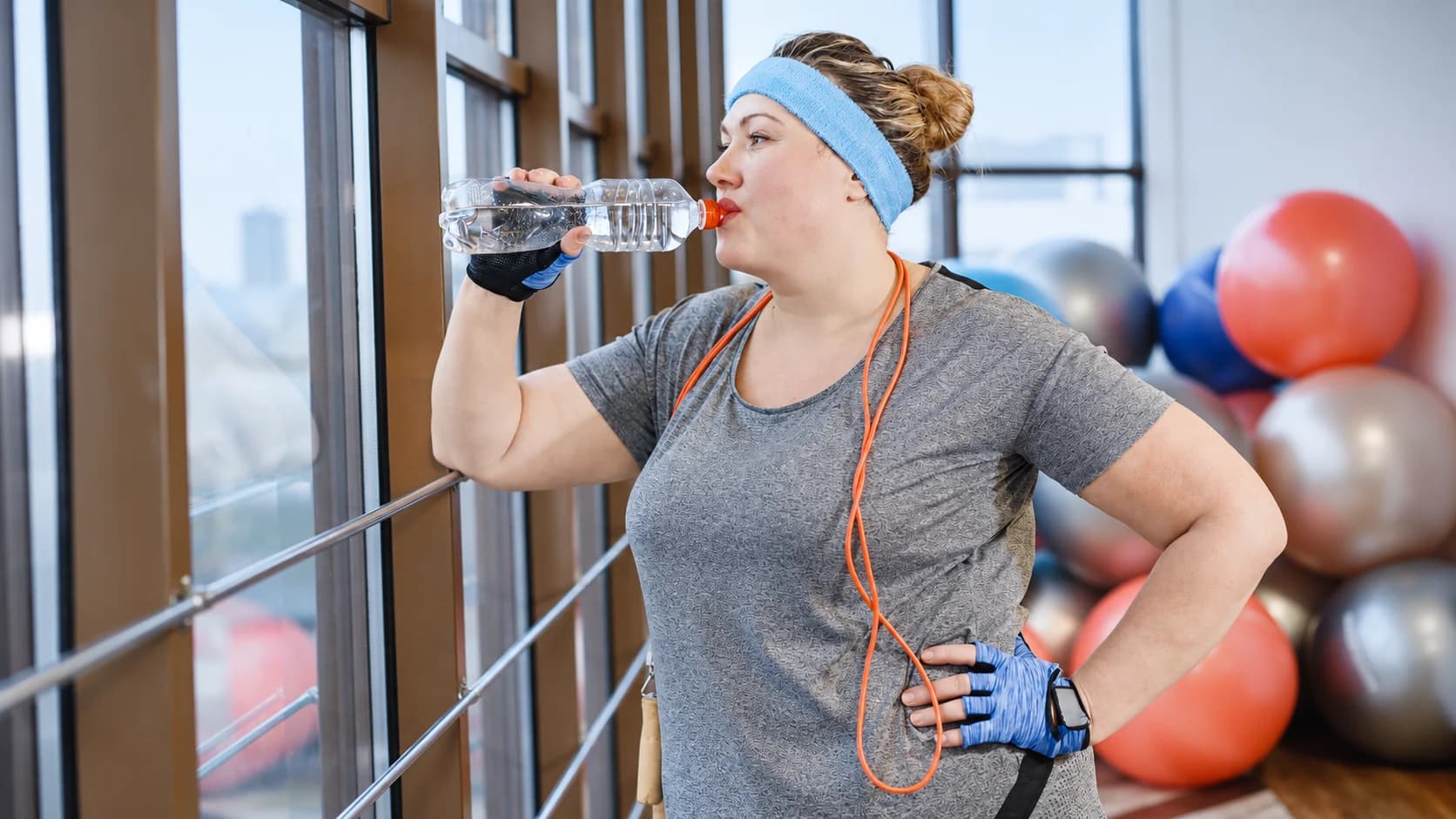
How to stay hydrated during exercise depends on your session and your own fluid needs. Plan drink access and seek professional help with individual fluid or electrolyte targets.
Use this page to prepare a planning discussion
This guide helps you collect information for an individual fluid plan. It does not calculate how much you should drink, prescribe an electrolyte dose or replace a clinician’s fluid restriction.
| Bring to the discussion | Your actual information | Question to resolve |
|---|---|---|
| Session and conditions | Activity / expected duration / environment: ____ | What changes when conditions differ? |
| Drink access | Where drinks and pauses are available: ____ | Is the intended access practical? |
| Personal feedback and tolerance | Observed difficulties / current drinks: ____ | Which observations are useful for this plan? |
| Existing medical advice | Relevant fluid limit or other instruction: ____ | How does the exercise session fit that advice? |
For the different roles of products, compare fluid, carbohydrate and electrolytes. That comparison does not replace the individual planning discussion or make unlimited fluid intake appropriate.
How much to drink when exercising depends on the person
The National Athletic Trainers' Association's 2017 guidance summary explains that sweat rate, thirst and drinking behaviour vary between people. Its planning factors include the environment, heat adaptation, body size, exercise duration and intensity, preferences and tolerance.
Compare the actual duration, conditions and drinking opportunities of the session you are planning.
Use personal cues as feedback
NATA identifies thirst, changes in body mass, usual urination frequency and urine colour as relative feedback about hydration. Consider these together with the session and conditions; a single observation does not supply an exact drinking quantity.
An athletic trainer or other suitable health professional can help assess sweat losses and develop an individual plan. If you have a medical fluid limit, ask your clinician how exercise fits that plan.
Electrolytes need their own consideration
The Australian Institute of Sport's electrolyte guidance describes situations involving large sweat losses or prolonged sweating where targeted replacement may be considered with a sports dietitian. It does not turn electrolyte supplements into an automatic requirement for every workout.
AIS also warns that excessive fluid intake is the main cause of serious exercise-associated low-sodium cases in susceptible people. Sodium replacement does not resolve overdrinking. Adding an electrolyte product to a bottle therefore does not make an unlimited intake safe.
Discuss the purpose and suitability of a supplement with a sports dietitian instead of copying another person's mixture or schedule.
Make exercise fluid planning practical
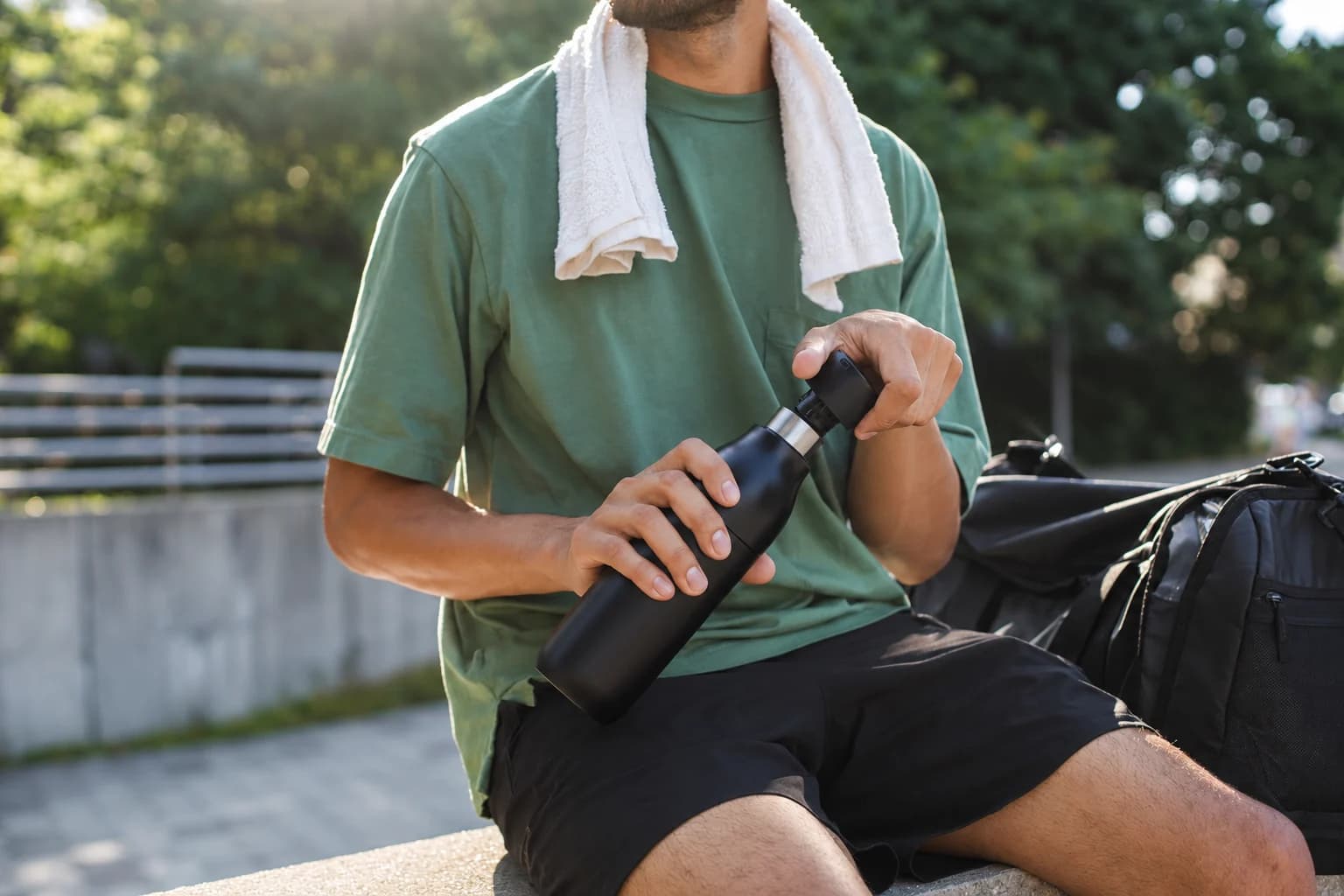
Bring concrete session information to a planning discussion:
- The activity, expected duration and conditions.
- Where you can obtain drinks and take a break.
- What you currently drink and how comfortably you tolerate it.
- The questions or recurring difficulties you want help with.
Use the resulting plan for the situation it was designed around, and ask how it should change when your training or conditions change. For practical container choices, see our hydration-pack and water-bottle comparison.
Choose a container for convenient access
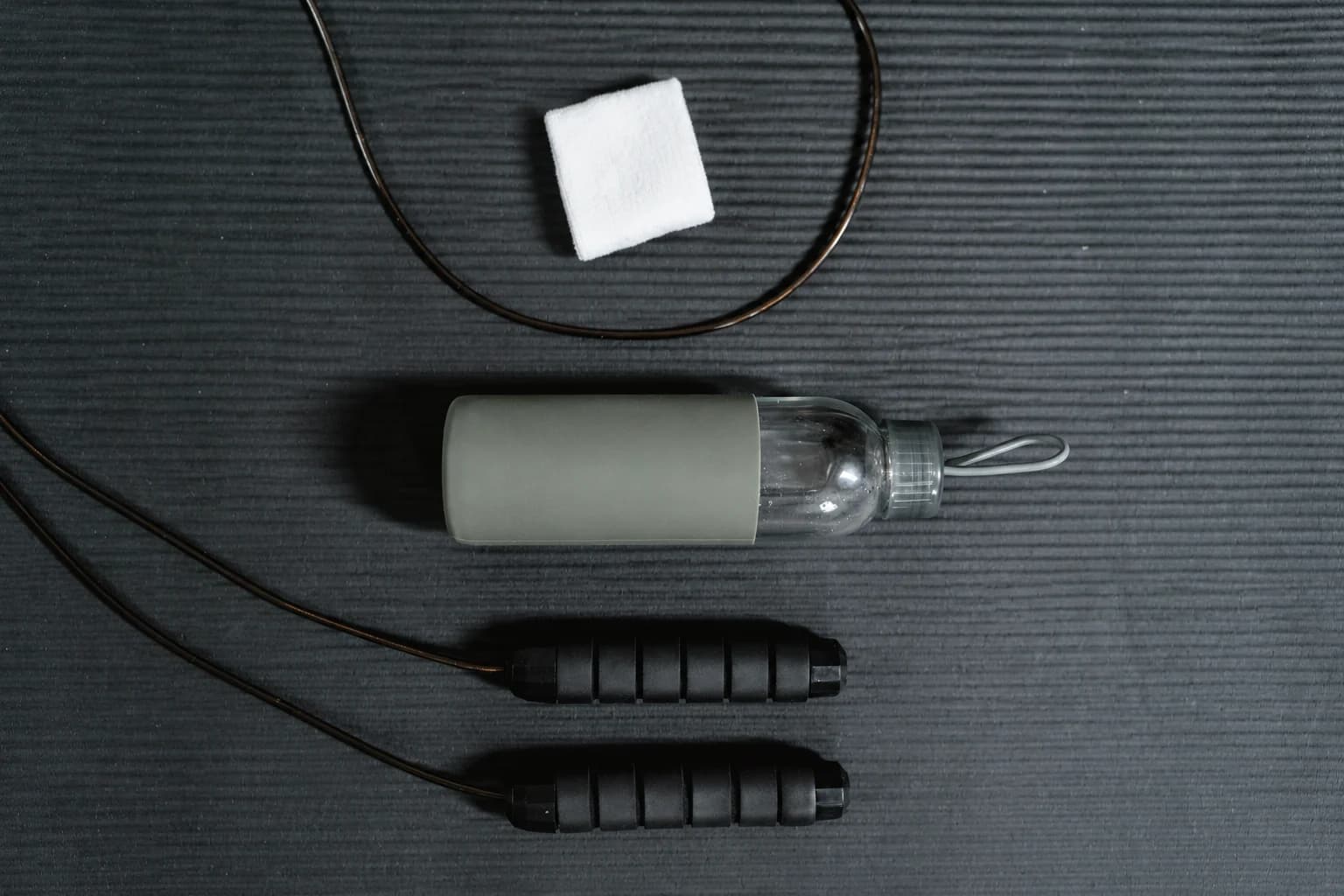
The PBGGAME glass bottle with interchangeable lids is one bottle with an olive window sleeve, two lid options, a steel straw and a bottle brush. The selected Olive configuration was listed at $22.99.
Choose the lid arrangement you prefer and check the facility's rules on glass containers. Its printed times or volume markings do not establish your individual drinking target. Use the bottle to carry the drinks in your plan.