Travel Fitness and Airline Rules: Check Liquids, Batteries and Bulky Gear
Check airport screening, airline baggage allowances and battery restrictions separately before travelling with training gear.
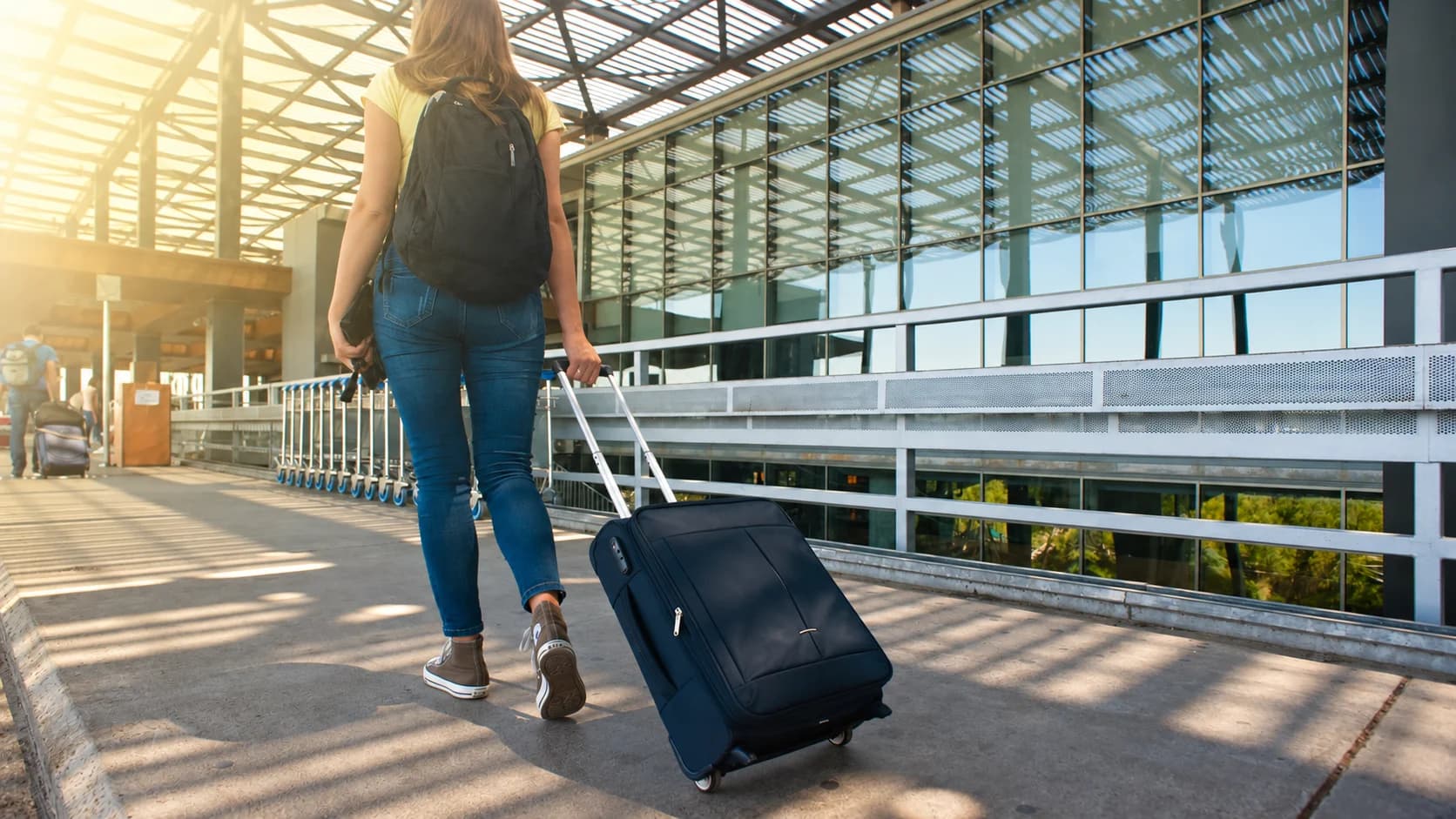
Before flying with workout equipment, check the exact items against the rules for your journey. Security screening, airline baggage allowances and battery restrictions answer different questions. A product described as “portable” has not automatically been approved for a flight.
The official examples below were reviewed on October 28, 2026. The U.K. and U.S. rules discussed have different scopes; use them to identify what to verify for your own departure, connections and return trip.
Check three different decisions
Start with the airport or security authority for the places where you will be screened. Then check the operating airline’s baggage information. If you carry a battery-powered device or a spare battery, consult the relevant dangerous-goods guidance too.
Keep these questions separate:
- Is the exact item permitted in hand luggage, hold luggage or neither?
- Does your packed bag meet your airline’s size, weight and other conditions?
- Does the device or battery have additional carriage requirements?
Fitness equipment airline rules are not a single worldwide list. Check each relevant part of the route instead of assuming the outward journey’s answer also covers a transfer or return airport.
Keep a record for every screened leg of the journey
| Journey leg | Screening authority and source | Operating carrier | Exact device and battery | Checked date and answer |
|---|---|---|---|---|
| Departure: _____ | _____ | _____ | Model _____; chemistry/Wh _____ | _____ |
| Connection: _____ | _____ | _____ | Installed / spare: _____ | _____ |
| Return: _____ | _____ | _____ | Same item or changed packing: _____ | _____ |
For a U.S. screening question, begin with the TSA item lookup, then resolve the exact item with the relevant authority and operating airline. The lookup is an information entry point, not permission for an unlisted device or a different country.
Liquids: check the container and the airport
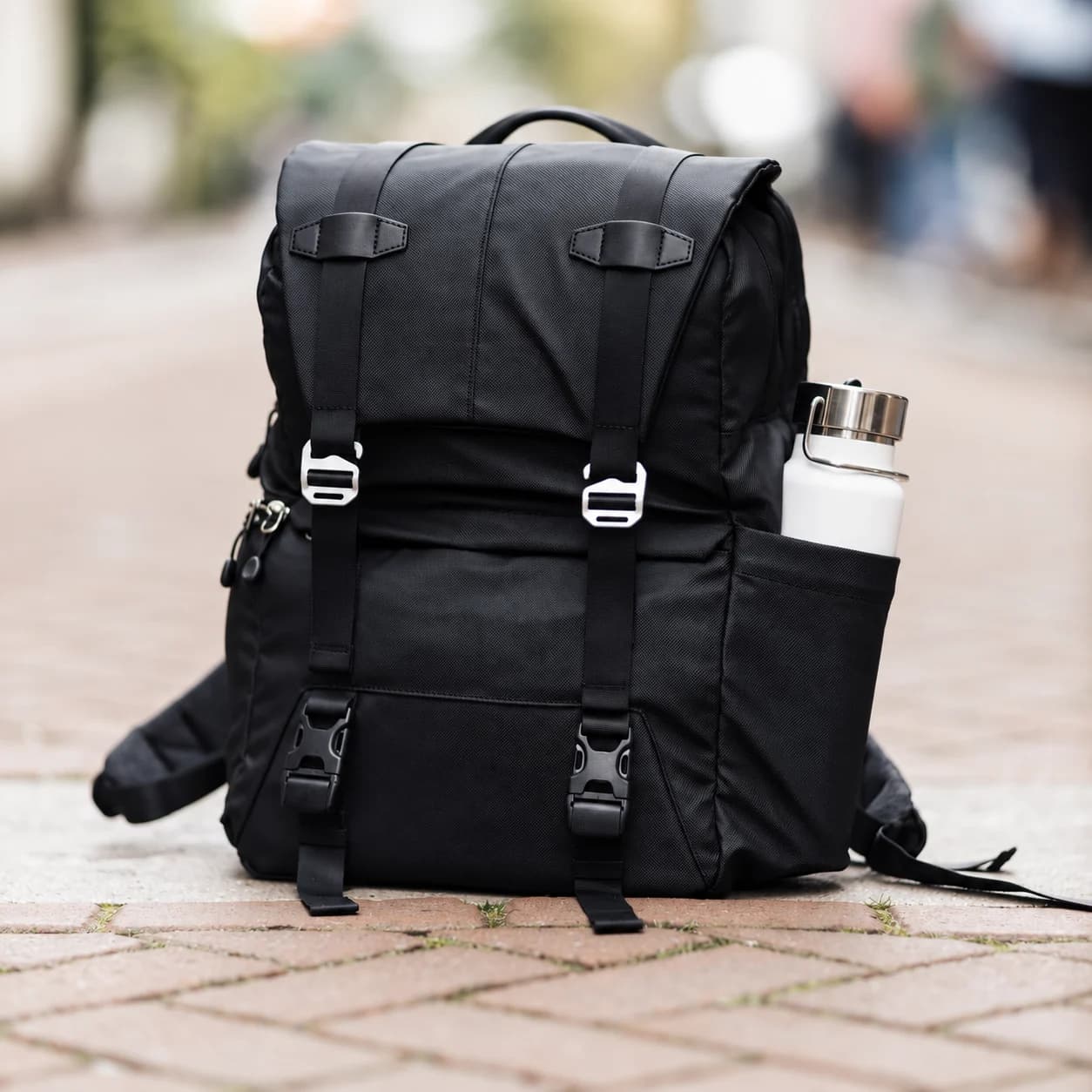
The U.K. government’s liquids guide says that most U.K. airports limit liquid containers in hand luggage to 100mL, while some permit containers up to 2 litres. The page directs travellers to check their airports, including connecting and return journeys.
Under the 100mL-container rule, a partly filled larger container does not become a smaller container. Drinks, gels and creams also fall within the guide’s liquid categories.
For a bottle or reservoir, check its stated capacity and whether it will contain liquid at screening. Look up the current airport instructions rather than treating a bottle’s material or a bag’s transparent panel as permission. Do not transfer the U.K. allowance to another country.
Batteries: separate the device from the spare
For travel exercise gear that uses batteries, identify the installed battery separately from any spare or power bank.
The U.S. FAA’s lithium-battery guidance says spare, uninstalled lithium batteries and power banks must be carried in the cabin. If a cabin bag is taken for checking at the gate, those items must be removed and kept with you in the cabin. The guidance also addresses protection against damage and short circuits.
Check the battery label and the specific carrier’s requirements before travelling; airlines can impose stricter limits. This spare-battery guidance does not establish the rules for every device with an installed battery. Consult the corresponding device guidance as well, and confirm the requirements for the actual journey.
Sports equipment: look up the specific item
The U.K. government’s sports-equipment table gives different answers for different items:
| U.K. example | Hand luggage | Hold luggage |
|---|---|---|
| Tennis racquet | Permitted in the table | Permitted in the table |
| Golf clubs | Not permitted in the table | Permitted in the table |
Those examples show why the category “sports equipment” is insufficient. They do not establish permission for an unlisted item or certify a PBGGAME product. If the exact piece of training equipment is not covered, ask the relevant security authority and airline before making the baggage decision.
A bag listing is separate from a baggage allowance
The PBGGAME black duffle bag is supplied as one bag with a shoulder strap. The selected model has handles, a zipped top opening and exterior zipped storage. Its listed capacity is 37 litres, with approximate overall dimensions of 18.5 × 8.7 × 14.2 inches.
Those listing specifications do not establish carry-on, under-seat or route-specific approval. Compare the bag in its packed state with the operating airline’s published allowance. Contents and packed shape matter to that comparison; a photograph of an empty bag cannot decide it.
Our gym-bag selection guide covers carrying arrangements and access. Use the official journey rules for the transport decision.