How to Sequence a Yoga Practice Around a Clear Purpose
Organise familiar yoga material into a complete practice with a purpose, preparation, connected middle, settling section and time to rest.
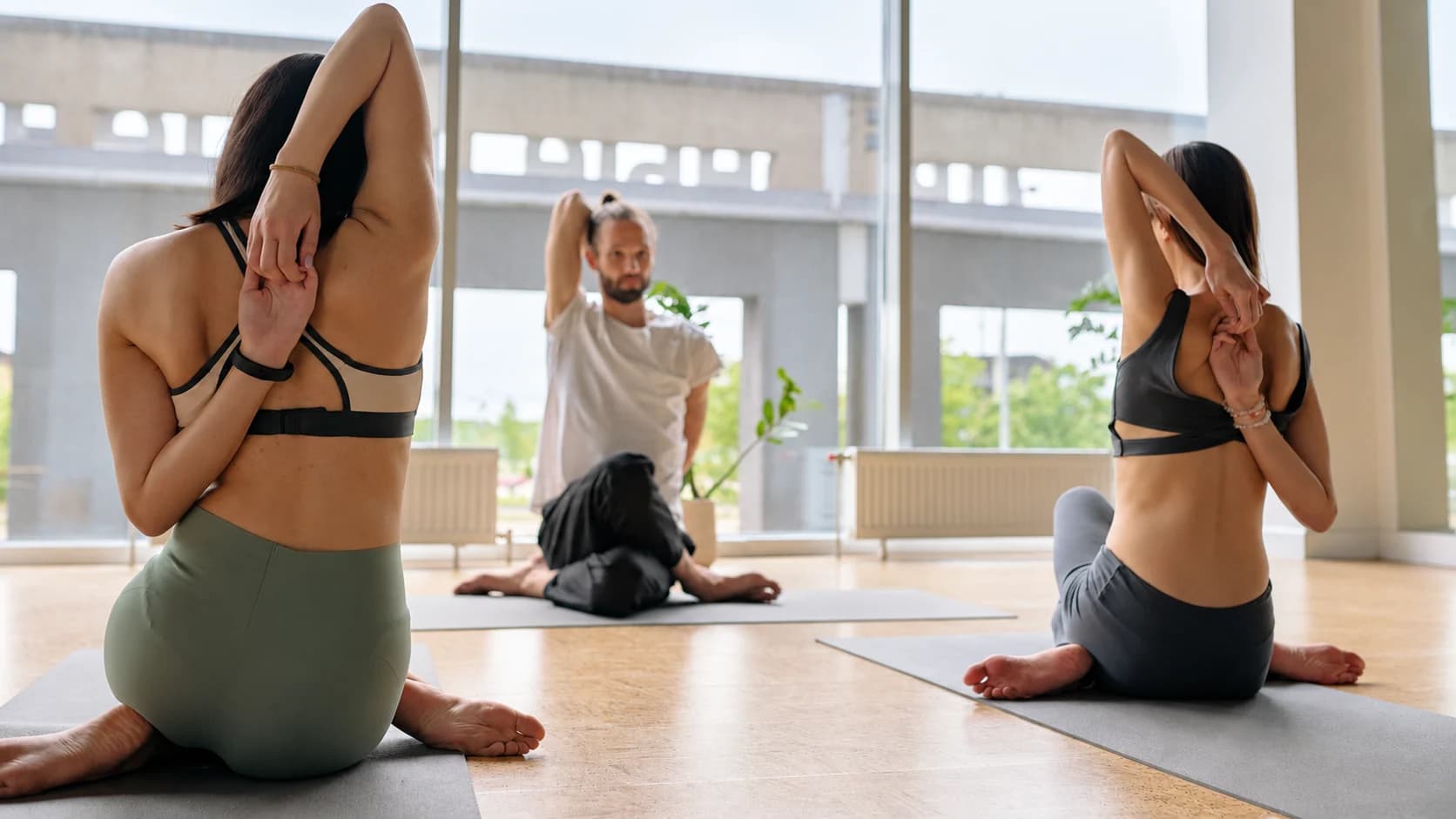
A coherent yoga practice has a job, a route through the movements and a definite ending. Start with a small amount of material you already know, choose what you want to revisit and arrange the whole session before beginning. That includes the transitions into and out of positions, as well as time to settle and rest.
This guide uses a fifteen-minute planning example for revisiting familiar standing work and finishing on the floor. Its timings and chosen groupings are editorial suggestions. Use the framework to organise previously taught material; leave any movement or transition you cannot yet follow for a lesson with instruction.
Turn a class note into a usable home outline
Copy only material and transitions you were actually taught. The filled entries below show how to write a note; they do not teach the poses or establish that these movements belong together for you. Keep the name and link of your real lesson alongside the record.
| Part | Example of a class-note entry | What to confirm before using it |
|---|---|---|
| Lesson source | Teacher / class / date / original lesson link: ____ | You can return to the actual explanation; do not invent a missing transition |
| Familiar preparation | “Preparation from that lesson; finish in its taught standing start” | The entry route and any props are known |
| Main group | “Warrior II and Side Angle, right and left, in the taught order” | Both side changes and the return were taught |
| Optional material | “Omit the extra standing pose if its transition is unclear” | The shorter route still reaches the familiar ending |
| Settling and rest | “Known return to the floor, familiar seated material, then rest” | Entry and exit from rest are included |
For the note-taking method, see Richard Jonas’s Home Practice: Starting Now. A fifteen-minute outline organizes known material; leave a blank link unresolved and simplify the practice rather than letting the clock force an unfamiliar transition.
How to sequence a yoga practice: choose one purpose
Write the purpose in one ordinary sentence. For the example below, it is: “Revisit a small standing group I know, then settle into a quiet ending.” That gives the middle of the session a clear role and makes it easier to choose preparation that belongs with it.
Avoid filling the available time with every pose you can remember. Select a short group you have already learned, including how to enter, change sides where relevant and finish. If you know a teacher's short sequence, keeping that order is a useful starting point.
In Home Practice: Starting Now, Richard Jonas recommends beginning with a few familiar poses you can practise confidently. He also suggests noting the sequence after class so you can reconstruct all or part of it. Use that approach to gather material for this session before adding anything new.
Build a home yoga practice from material you know
Make a short written plan with four entries: preparation, the main group, a settling movement and rest. Under each entry, write the names of the familiar material you will use. Add the route into the first position and the route out of the last one. If those links are missing, simplify the selection before starting.
For this example, a taught standing group could include Warrior II and Side Angle if you already know both and their transitions. Use the preparation that accompanied that group in class. A familiar seated forward bend can provide the later floor-based section, followed by Savasana or a comfortable resting arrangement you have been taught. These are selections from known material, rather than instructions for learning those poses here.
Check the list against the purpose. Does the preparation lead into the standing work you chose? Can the group finish in a position from which you know how to return to the floor? Have you left room for the ending? Remove a pose when it creates a link you do not know how to make. A shorter complete route is easier to organise than a longer list with an uncertain middle.
Yoga sequence planning: a complete fifteen-minute outline
The clock below is an editorial way to divide the session. It is not a required pose duration or an optimal practice dose. The five-minute rest is included deliberately; Jonas's short home-practice example also gives time to Savasana. The complete outline here uses its own grouping and timing.
| Time | Part of the practice | What to put in that part |
|---|---|---|
| 0:00–1:00 | Arrive | Take a familiar comfortable starting position. Check the space and recall the small group you have chosen. |
| 1:00–4:00 | Prepare | Follow the familiar preparation that accompanied your selected standing work. Include its taught route to standing. |
| 4:00–8:00 | Revisit the main group | Practise the small standing group in its known order, including both sides where taught. Keep the entries, changes and exits unhurried. |
| 8:00–9:00 | Return to the floor and settle | Use a familiar transition down, then a familiar comfortable seated movement or position. If getting down takes longer, give it that time. |
| 9:00–14:00 | Rest | Settle into Savasana or the resting arrangement you know. Leave the other material finished. |
| 14:00–15:00 | Close the session | Leave rest using a familiar, comfortable route to sitting, then stand when ready. Put the props away afterwards. |
Treat the times as a planning outline. If an entry or change of position takes longer, reduce the amount of middle work or allow a little more time. The clock should not make you rush to the floor or leave rest abruptly. Decide which part of the main group you can omit before beginning, so that adjustment is easy to make.
Plan the transitions as carefully as the poses
Kirsty Tomlinson's home-practice guidance draws attention to the movements between poses. Apply that to the written outline by checking three links:
- Preparation to standing: identify the last position of your preparation and the taught route from there into the main group. Include time to arrange the feet and any props before continuing.
- Within the main group: keep the order and side changes you know. If two remembered poses have no familiar connection, leave one out or use a taught reset between them.
- Standing to the floor: choose one point for the return down. Finish the standing work, use the familiar transition and then continue with the floor section. Avoid adding another standing pose after everything has been arranged for rest.
Read those links aloud before practice if that helps you notice a missing step. “Finish the standing group, return down, settle, then rest” is a usable route. If you cannot describe a link, ask for it in class rather than improvising a transition while trying to keep to the timer.
Arrange the room for the route you chose
Set out the equipment before starting. Tomlinson recommends clearing the space and preparing the mat and props in advance. Check where your feet and hands will move, and keep the route off the mat clear for the end of the session.
For an optional floor surface, the Grey cross-fold TPE mat with storage bag is listed as 182.9 by 80 centimetres and 0.8 centimetres thick. It includes one storage bag and has a hand-wash-only care instruction. Unfold it fully and check that it lies flat and stays in place on your chosen floor.
If a familiar variation uses blocks, place them where you learned to use them before beginning that group. The Cork yoga blocks pair with D-ring strap contains two cork blocks, each 9 by 6 by 4 inches, plus one yoga strap. This outline does not add a strap exercise. Use props for the variation already in your plan; move them clear when that part ends.
If you need a reminder of different prop roles, the yoga block exercises for beginners guide covers that separate topic. Keep this session's equipment tied to the material you chose.
Leave space for the ending
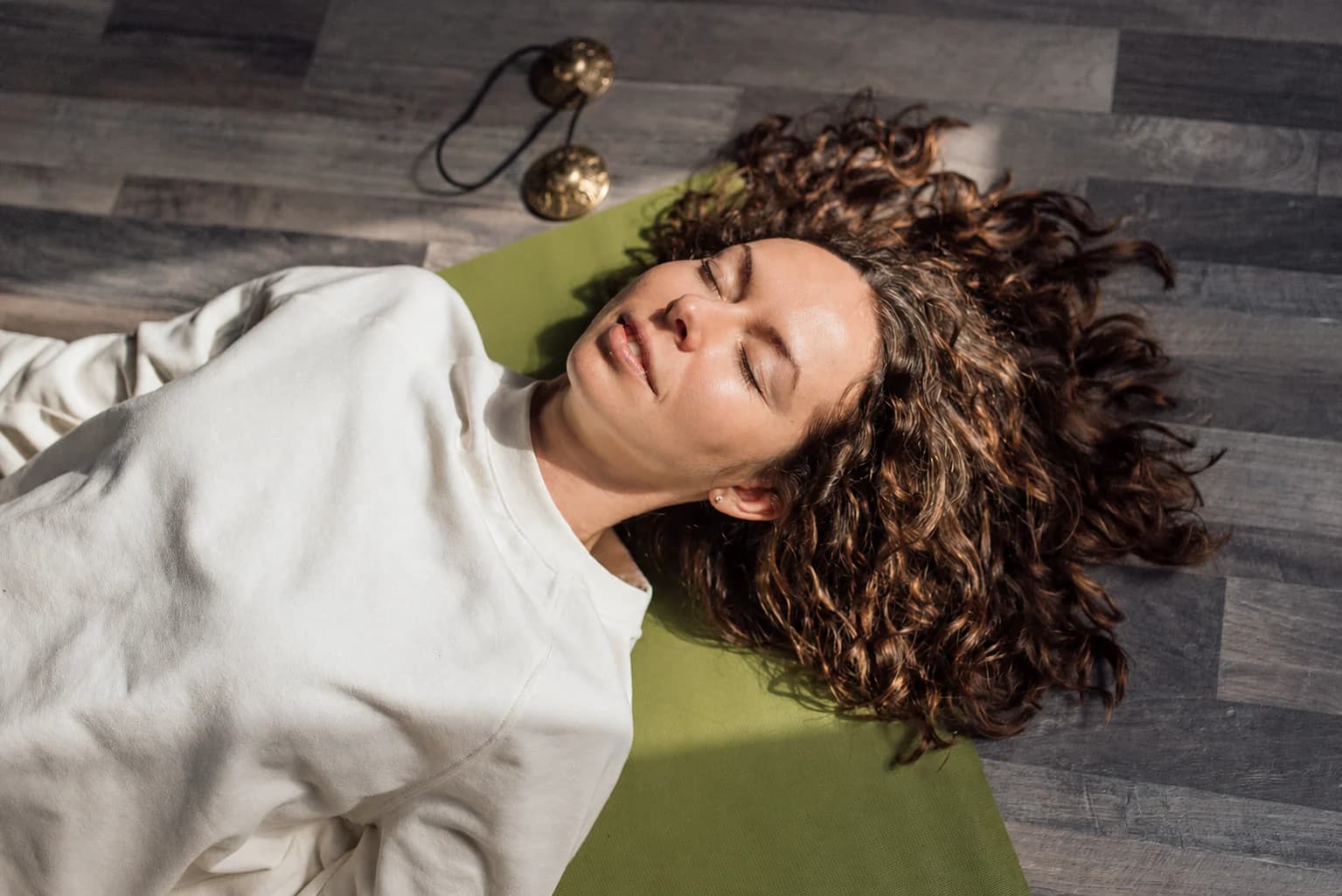
Mark the start of rest on the plan before you begin. That gives the session an ending you can recognise even if you shorten the middle. Once you reach that part, leave the remaining poses for another practice and settle into the resting arrangement you know.
Include the way out of rest in your plan too. Keep the familiar return to sitting and standing unhurried, and move the equipment afterwards. You can use a gentle timer if it helps you remember the outline, but the transition still deserves your attention rather than an immediate jump to the next task.
After finishing, make one brief note about the route: perhaps the preparation fitted well, a side change needed more time or a prop was in the way. Use that observation to simplify the next version. You can repeat the same complete structure while changing the amount of familiar material inside it. There is no need to add a new pose just because the sequence is becoming easier to remember.