How to Choose Socks for Exercise: Fit, Shoes and Activity
Fit socks with the actual shoes you use, compare thickness and cuff height, and distinguish in-shoe exercise from studio footwear requirements.
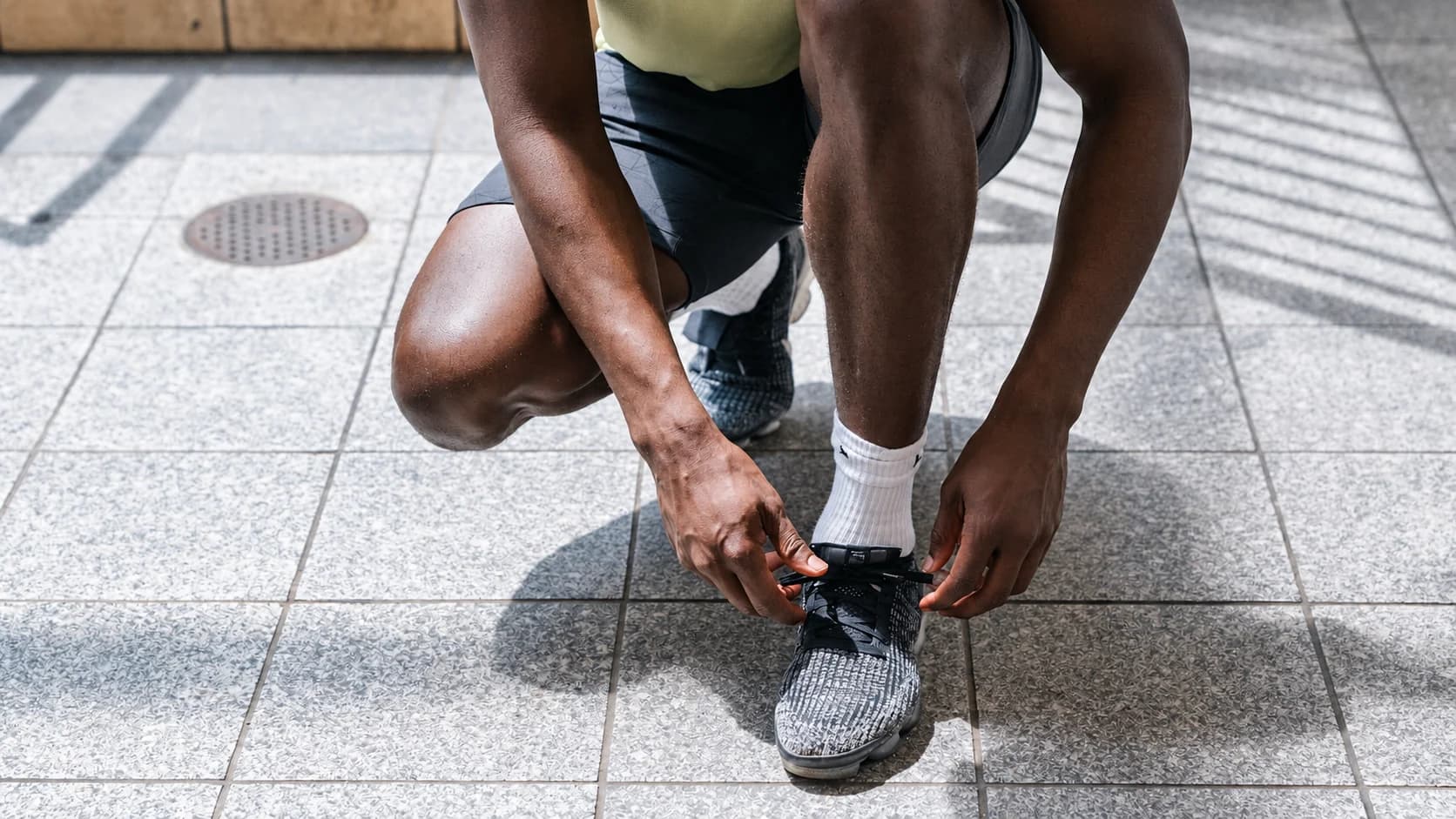
To choose socks for exercise, start with the activity and the shoes you will use. Check the maker's size information, where the heel and toe sit, the thickness and the cuff height. Consider the sock and shoe together.
Check how workout socks fit inside your shoes
| Inspect the actual shoe-and-sock combination | What to look at | My observation |
|---|---|---|
| Heel area | Heel section sits where that sock is designed to sit | ____ |
| Toe and underfoot fabric | Bunching, excess fabric or a pulled-short feeling | ____ |
| Shoe collar / sock cuff contact | Where the two edges meet during the intended movement | ____ |
| After a familiar movement check | Slipping, repeated adjustment or uncomfortable rubbing | ____ |
| Care after use | The actual sock’s label, separate from the shoe bag | ____ |
Record sock model/size ____ and shoe model/size ____. Recheck when either changes. The storage bag later in the article organises belongings; it cannot correct shoe fit, certify friction performance or replace the sock’s care label.
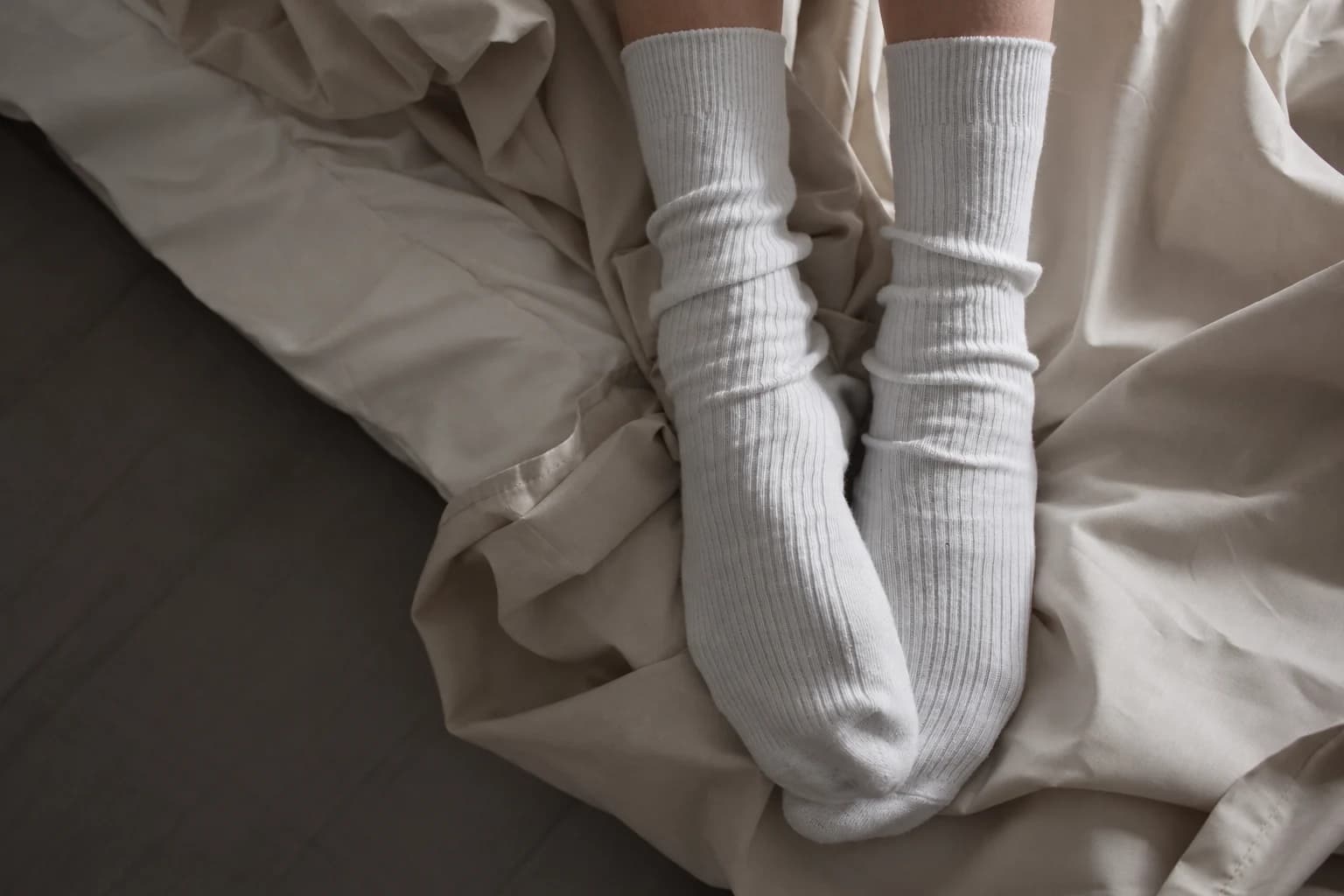
The REI sock-selection guide explains that thicker socks or extra cushioning occupy space inside a shoe. Try the pair with the footwear you actually intend to wear.
- Check that the heel area sits in its intended position.
- Look for fabric bunching around the toes or underneath the foot.
- Check whether the sock feels pulled short or slips out of position.
- Compare the cuff height with the shoe's collar and contact points.
Use the manufacturer's size guidance as a starting point, then assess the actual combination. Extra padding is a design choice to try within the available shoe space.
Take repeated rubbing seriously
The American Academy of Dermatology's blister-prevention guidance discusses repeated rubbing between skin and footwear or clothing and recommends properly fitting shoes.
Pay attention to discomfort during activity and adjust rather than continuing to rub the same area. A sock description does not replace checking how the full footwear combination feels on you.
Choose socks for different workouts by the setting
| Setting | What to check |
|---|---|
| Running or other in-shoe cardio | Sock thickness and position inside the actual running or activity shoe. |
| General gym sessions | Fit in your training shoes during the movements you normally make. |
| A shoeless studio session | The facility's footwear or grip-sock requirements. |
REI distinguishes running and athletic/multisport sock designs and cushioning choices. Compare the details needed for your own activity rather than assuming every style has the same purpose.
For the studio-specific question, read our separate grip-sock and Pilates studio guide. The studio's requirements are a different decision from fitting a sock inside a running shoe.
Organise the shoes and socks you take with you
The PBGGAME window-panel shoe bags are a 20-pack of black drawstring pouches with transparent viewing panels. The selected pack was listed at $13.99.
Compare the listed bag dimensions with the shoes or items you intend to carry. The footwear in the product images illustrates use; the pack contains bags. Take used socks out for the care their label specifies after your trip. Our workout-clothing laundry guide covers that separate routine.