Double-End Bag Basics: Setup Checks and Controlled Rhythm
Check the double-end bag setup, practise small 1-1-2 contacts and learn to reset deliberately when rhythm breaks, using punches already taught by a coach.
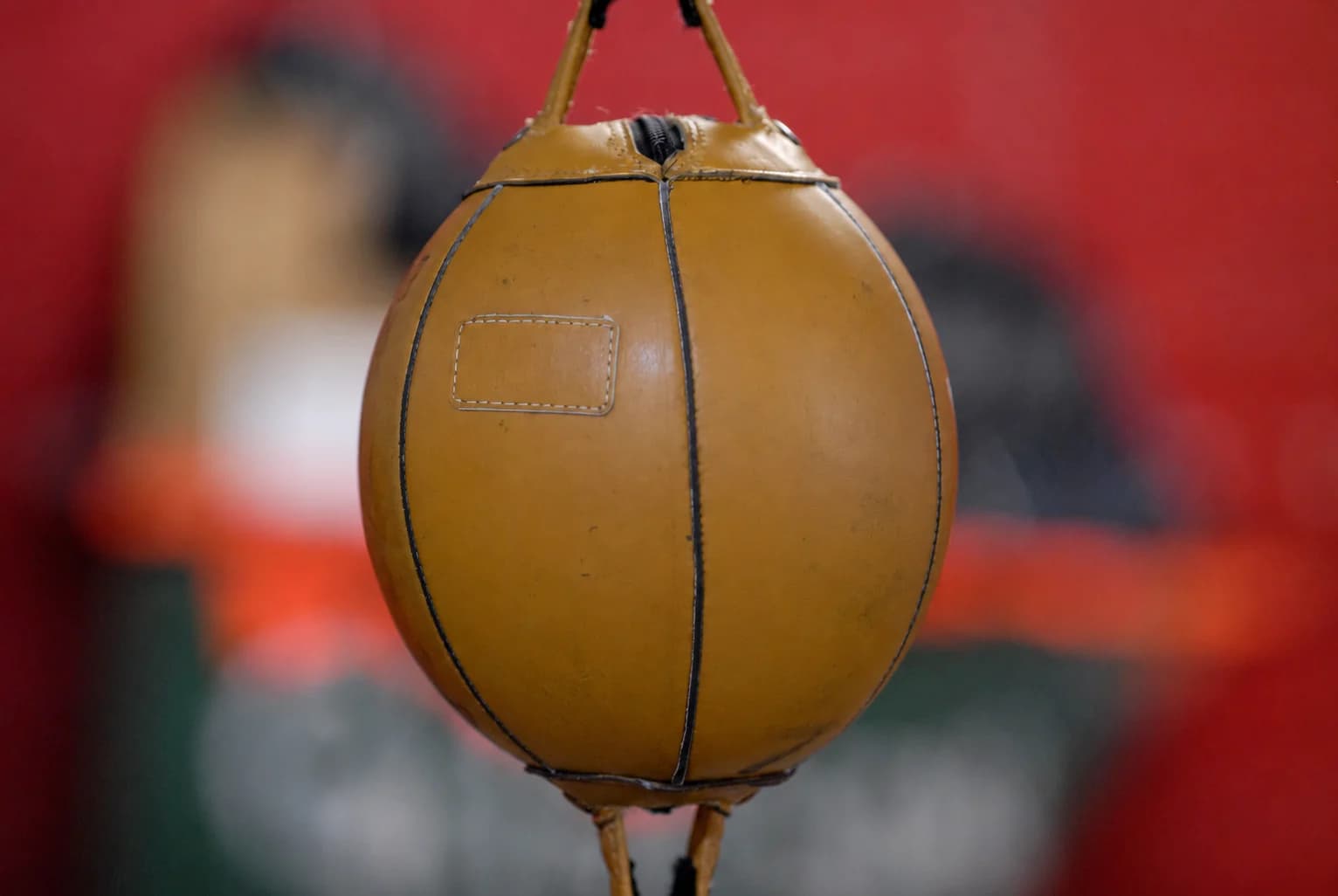
Double end bag drills give you a moving target for controlled, repeatable contacts. The first aim is to keep a simple rhythm and understand the rebound, rather than hit harder or chase a bag that has moved off line. Start only with an appropriate installed setup and straight punches you have already been taught.
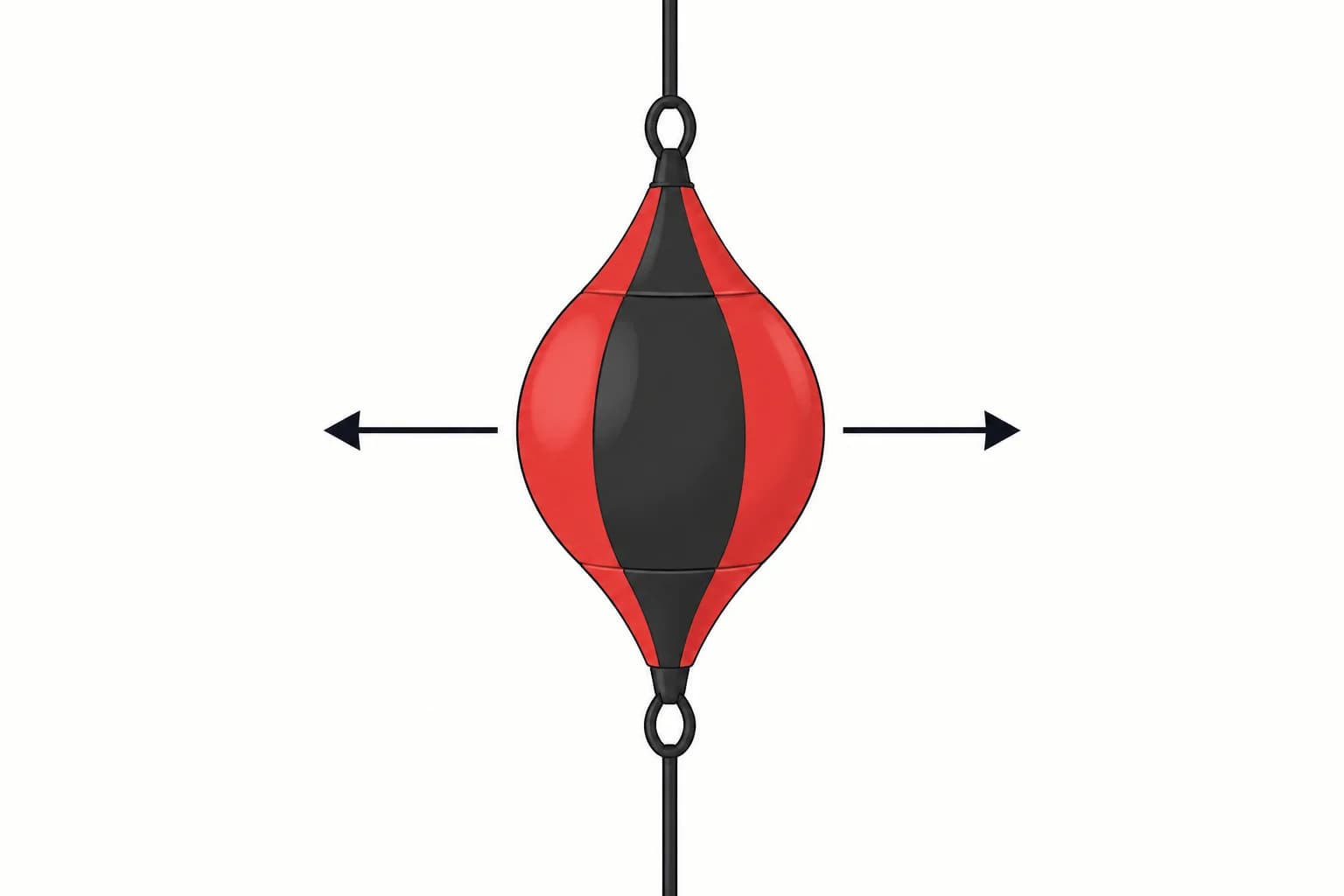
A double-end bag sits between opposed elastic attachments. It behaves differently from a large hanging heavy bag, a platform-mounted speed bag or a headband reflex ball. Their setup instructions and drills are not interchangeable, even when a shop calls several of them reflex equipment.
Check the installation before practising
The Everlast Powerlock Double End Reflex Ball instructions secure both elastic ends before adjustment, using that model's own fittings and adjusters. This is a named example of the setup questions that come first. Its attachment methods are not instructions for a different bag or a chosen room.
- Identify the exact bag, elastic lines, connectors and mounting arrangement. Obtain the maker's installation and operating instructions for the components actually being used.
- Have suitable mounting points and the complete installation assessed by someone qualified for that setup. A supplied connector does not establish the suitability of a wall, ceiling, floor or improvised weight.
- Inspect the bag, elastic lines and connections for damage or deterioration, and keep other people and loose objects outside the practice space.
- Use the hand protection and basic boxing position taught by your coach for the equipment. A photograph of someone using wraps alone is not permission to copy that choice.
- Confirm that you can begin and end a short attempt deliberately. Resolve an uncertain setup before punching; changing the tension is not a substitute for checking it.
Bag height, inflation, elastic length and tension belong to the exact equipment instructions and coaching setup. Do not borrow a number from another model to make this one seem ready. If you are new to the apparatus, learning on an appropriately installed gym bag with a coach can separate the rhythm task from the installation task.
A double end bag for beginners should make the task readable
Choose a practice task you can recognise and repeat. Watch where the bag travels after a small contact before adding another punch. The aim is not to match the speed of an experienced boxer in a video, or to force an uninterrupted run while the target becomes harder to follow.
In Double-End Bag Drills, Johnny N emphasises small, steady, accurate contacts and straight bag travel. His straight-punch work includes the familiar 1-1-2 combination: jab, jab, cross. His companion How to Hit a Double End Bag recommends gloves and consistency over hard hitting. Together, these give the practice a clear focus without hooks, evasions or a long combination.
How to use a double end bag: a controlled 1-1-2 attempt
Use this only after a coach has taught you the jab and straight rear-hand punch, and established the suitable stance, distance and hand protection for the installed bag. This is practice of those punches on a returning target, not a first lesson in striking mechanics.
- Begin from the taught position with the bag settled and the practice space clear. Keep the first attempt simple enough to watch the target.
- Use a small jab, then a second jab, then the straight rear-hand punch: 1-1-2. Seek steady, accurate contacts that keep the bag travelling on a straight path, instead of increasing force to recover the rhythm.
- Bring the hands back through the position taught by your coach. If a contact misses or the rhythm breaks, stop punching rather than chase the moving bag with extra shots.
- Let the motion settle, reset the starting position and decide whether another controlled attempt is useful. Rest before repeating if attention or movement quality has dropped.
Johnny N's source drill uses continued combinations. The shorter attempt with a pause here adapts that drill for learning and resetting. Treat it as an adjustable practice option, with no fixed rest interval or requirement to keep punching through a miss. A deliberate pause can be part of useful practice.
Read the result before adding speed
| What happens? | A useful response |
|---|---|
| The bag starts travelling sideways. | Pause, reset and ask the coach to check contact direction and the setup before trying again. |
| You miss, then add hurried punches. | End that attempt. Return to the same simple combination after the motion settles. |
| Only harder hits seem to keep it moving. | Return to the small-contact task; force is not the goal of this practice. |
| A line or connection changes position or appears damaged. | Stop using the apparatus and have the equipment checked; do not solve it by punching differently. |
Keep setup changes separate from practice changes. If the equipment has been adjusted, establish its behaviour again with the coach before comparing the result with your previous attempt. A different rebound is not automatically a change in your skill.
Build a short session around quality
Choose one focus: straight travel, the 1-1-2 order or a deliberate reset after a miss. Practise that focus in brief attempts, with enough rest to watch and respond clearly. You do not need a prescribed round length or a target number of hits to make the practice useful.
A useful note might read: “Same gym bag, small 1-1-2 contacts, stopped after the missed rear hand, reset without chasing.” That describes an observable action. Compare similar attempts on the same setup before making the task more complicated, and let the coach decide when another combination is appropriate.
This equipment offers moving-target practice; it does not by itself prove improved sparring defence, competition reactions or striking power. Stop for pain or unexpected loss of control and seek appropriate help rather than trying to finish a round at any cost.
| PBG-512805 setup evidence to obtain | What must be model-matched |
|---|---|
| Included parts | Exact bag, elastic, connectors and mounting parts supplied |
| Site installation | Permitted complete mounting arrangement and qualified site assessment |
| Adjustment | Matching height, tension, inflation and attachment instructions |
| First contacts and finish | A suitable coached demonstration on the verified installed system |
Use PBGGAME contact to request PBG-512805’s installation and operating documents. If those are unavailable, use an already installed, appropriately checked gym system with a coach for the rhythm lesson. Supplied connectors and the generic opposed-lines diagram do not establish a ready-to-use installation.
One opposed-attachment ball option
The PBGGAME double-end elastic rebound boxing ball is an opposed-attachment ball with elastic lines and connectors. It is a different category from the headband equipment in the boxing reflex-ball guide. Choose the format for the practice you actually intend to learn.
Before buying, confirm the exact installation requirements, permitted components and operating instructions with the seller or maker. The ball and supplied connections alone do not establish a complete appropriate mounting system. Arrange the setup and coaching needed for your space; the generic diagram and drill above do not replace that process.