Workout Cards vs an App: Follow a Plan Without Constant Scrolling
Compare printed exercise instructions with app-based guidance by readability, preparation, equipment requirements and the need for individual feedback.
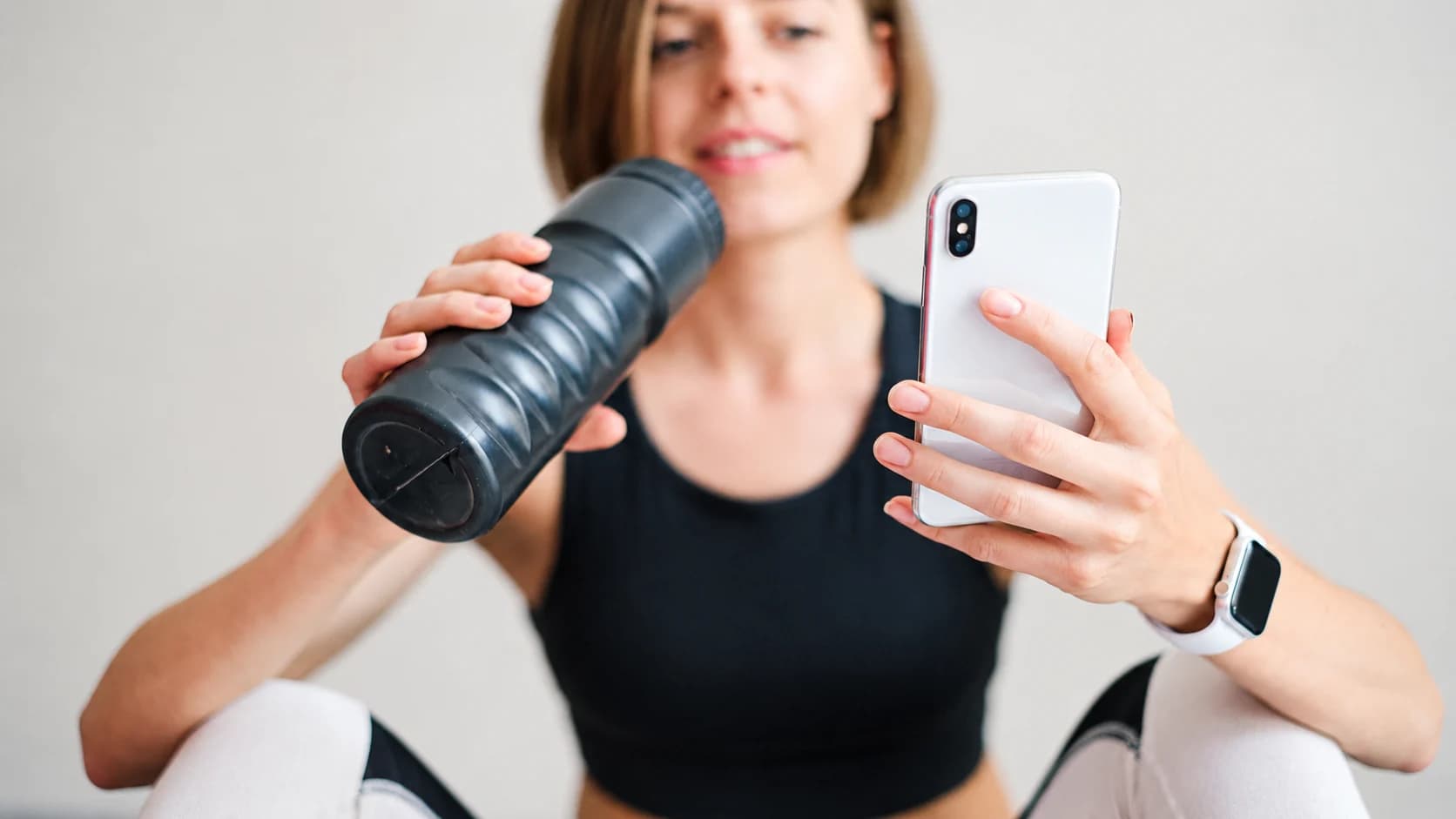
Workout cards vs an app is a choice about how you receive instructions, not proof that one format produces better results. A clear printed session can be easier to refer to than an unprepared screen; an app can offer a demonstration that a short card cannot.
Start with the plan you need to follow. Then choose the format that makes its instructions usable in your training space.
Compare the instructions before the medium
| Question | Printed plan or cards | An app |
|---|---|---|
| Can you see the next step? | Check the sequence, print size and whether the cards stay in order. | Check how the next step is shown and whether you must navigate away. |
| Is the explanation sufficient? | Look at the actual wording and illustrations, not just the number of cards. | Preview the instructions or demonstration rather than relying on the thumbnail. |
| Does it match your equipment? | Check the equipment list before starting. | Check the selected session’s requirements before pressing play. |
| Can you prepare it beforehand? | Arrange the relevant pages or cards in advance. | Check saved-content and download features for that specific service. |
The Mayo Clinic’s fitness-program guide connects planning with your goals, starting point and practical schedule. It also notes that a written plan may help you stay on track. That supports preparing a usable plan; it does not establish that paper outperforms an app.
Compare identical instruction text in two formats
| Paper-card demonstration | Prepared-screen demonstration |
|---|---|
| Read exercise A in your existing plan. Follow its stated repetitions, rest and finish. Record the work completed. | Read exercise A in your existing plan. Follow its stated repetitions, rest and finish. Record the work completed. |
| Before using a service feature | Your actual detail |
|---|---|
| Device, operating system and app version | _____ |
| Named saved/downloaded-content feature | _____ |
| Official instruction and date checked | _____ |
For the separate provider-choice question, use the online-class comparison. For keeping an appointment workable, use the weekly consistency guide.
A printed workout plan needs more than exercise names
Screen-free exercise guidance still needs to explain what you are being asked to do. A collection of exercise names is not automatically a complete session, and a large deck is not necessarily more suitable than a short, clearly organised plan.
Before buying or printing, inspect an actual example. Can you identify the exercise, understand the instructions and find where it belongs in the session? Are any stated equipment requirements or alternatives clear? If the format assumes knowledge you do not have, changing from a phone to a card will not fill that gap.
Keep the relevant pages or cards visible and in order for your chosen session. If a page is difficult to read at the distance you intend to use it, solve that before starting. Do not improvise an unfamiliar movement simply because the illustration is small.
Prepare an app without browsing through every option
An app does not have to mean choosing a new session between every exercise. You can select suitable content beforehand and check how it will work in your space.
For a specific example, Apple’s Fitness+ help page distinguishes saving content to a library from downloading a workout or meditation on an iPhone or iPad for offline use. Those are separate actions. The page does not establish that every fitness app, device or region has the same features.
Check the actual service you use: what is available on your device, what needs a connection and what you have prepared. Place the screen where you can consult it without leaving it in the movement area. A downloaded video still needs understandable instructions and an appropriate session.
Keep equipment decisions separate
A delivery format cannot tell you whether a particular accessory is required. Read your selected session’s equipment list first.
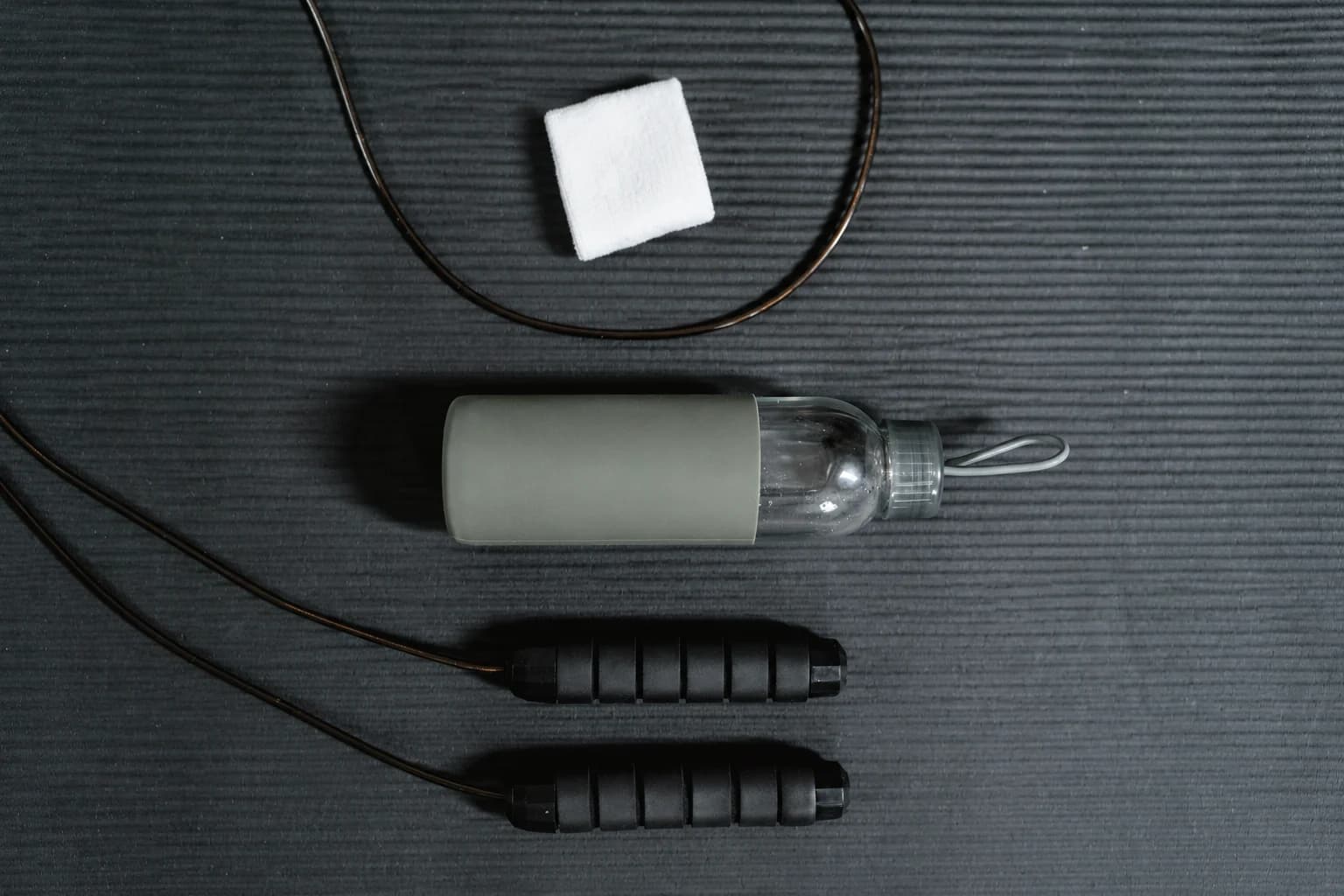
If you already need a small floor-contact pad, the PBGGAME textured NBR foam pad is one optional accessory to compare. The selected black option is one short rectangular pad, not a full-length mat. No workout cards, app access or instruction programme is included.
Choose accessories for the activity you have actually planned. Owning a pad does not make an unclear exercise instruction clearer or establish that a routine suits you.
When the format is not enough
If you cannot understand a movement from the available explanation, ask an appropriately qualified instructor rather than guessing from the picture. If an injury or health condition affects your choice of programme, Mayo Clinic recommends getting appropriate professional help with the plan.
Use paper, an app or a combination according to what you can follow clearly. Neither a printed illustration nor a demonstration video provides the individual feedback of someone observing your movement.