Training Partners vs Solo Workouts: Choose Useful Accountability
Choose shared sessions, independent workouts or simple check-ins according to the support you want and the timetable you can use.
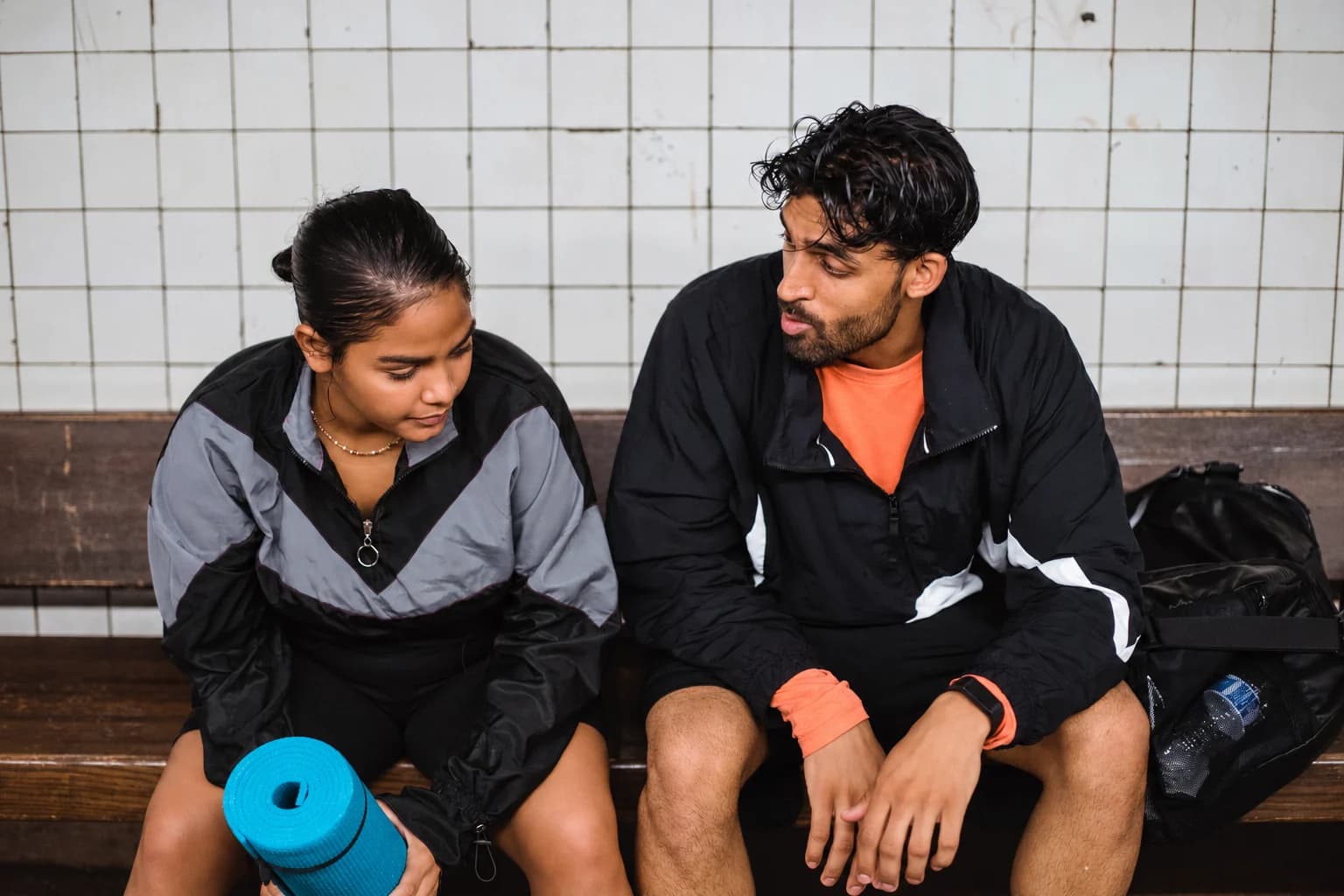
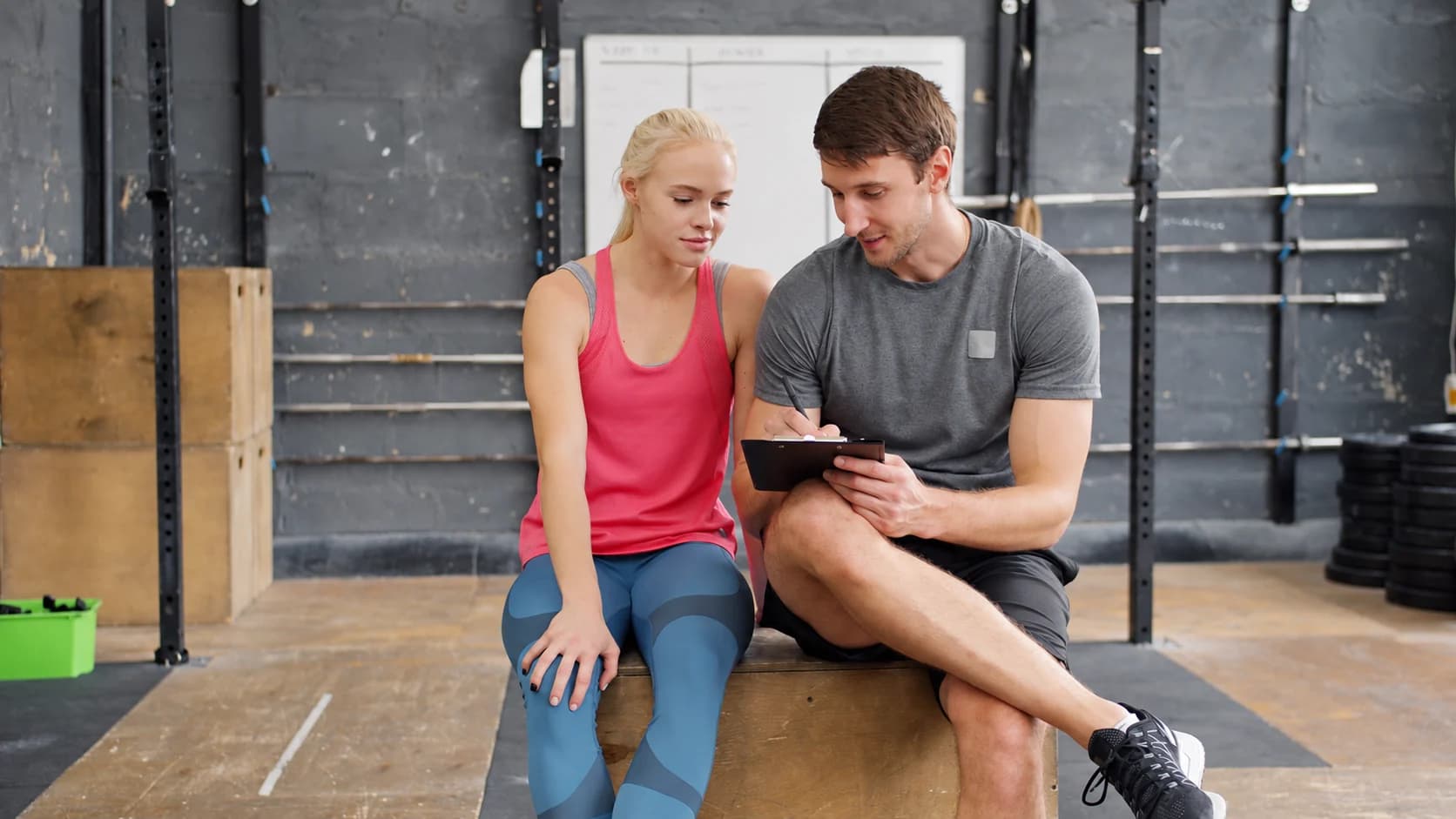
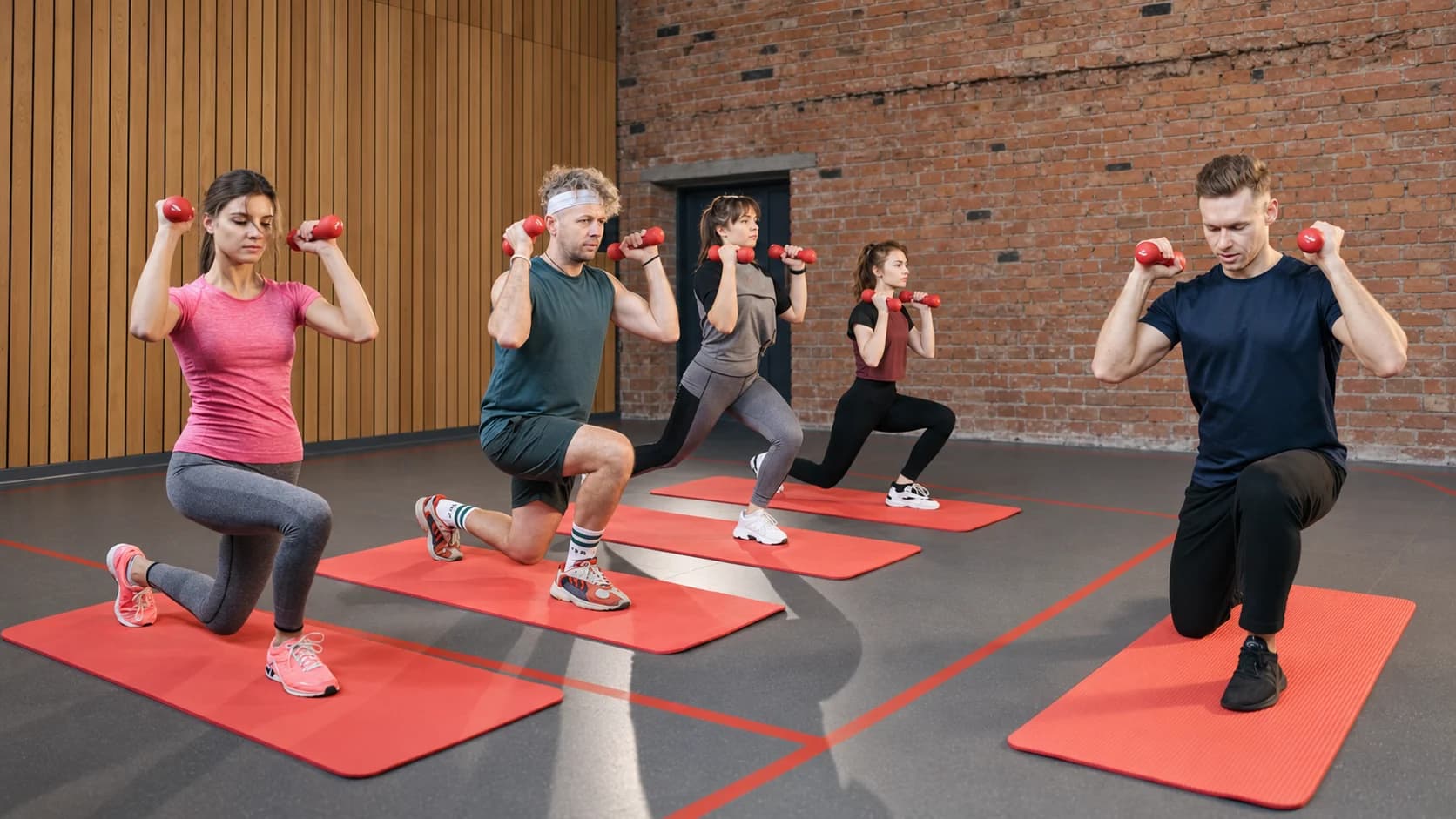
An exercise accountability partner can support a plan without taking part in every workout. You might share a session, arrange a brief check-in or simply agree what kind of encouragement is useful. Choose the arrangement around your preferences and timetable, rather than assuming that company makes every session better.
Working out alone vs with a partner
| Question | Training together | Training independently |
|---|---|---|
| When can you start? | Needs a workable shared time | Can follow your own available window |
| What plan do you follow? | Clarify whether the activities are shared or separate | Keep your own task instructions clear |
| How do you want support? | Conversation or encouragement during the visit | A check-in before or after, if useful |
| What if arrangements change? | Agree what happens if someone cannot attend | Decide how to handle your own missed session |
These are practical planning comparisons, not evidence that one format delivers a better training result. Companionship and encouragement also do not automatically provide technical instruction.
Choose the support you actually want
CDC social-support guidance includes buddy systems, friendship networks and activity groups as possible ways to help people start or maintain activity. That makes support an option to design, rather than a reason to make everyone train in a group.
NIDDK's practical guidance suggests choosing enjoyable activities, finding a feasible time in your calendar and telling supporters specifically how they can help. Support can include encouragement, helping with another commitment or joining the activity.
Be concrete about the request. “Please ask whether I went to the planned class” is different from “please join the class with me”. Neither request requires the other person to choose your exercises, loads or progress targets.
A support agreement both people can edit
| Agree in advance | Your shared answer |
|---|---|
| Time and confirmation | Meet or check in at _____; confirm by _____ |
| Kind of support | Company / reminder / practical help: _____ |
| Technical instruction | Who is qualified to supply it, if needed: _____ |
| Cancellation fallback | Message by _____; independent planned option or rearranged slot: _____ |
| Review | After _____, ask what support was useful and what should change |
Agree what happens when arrangements change
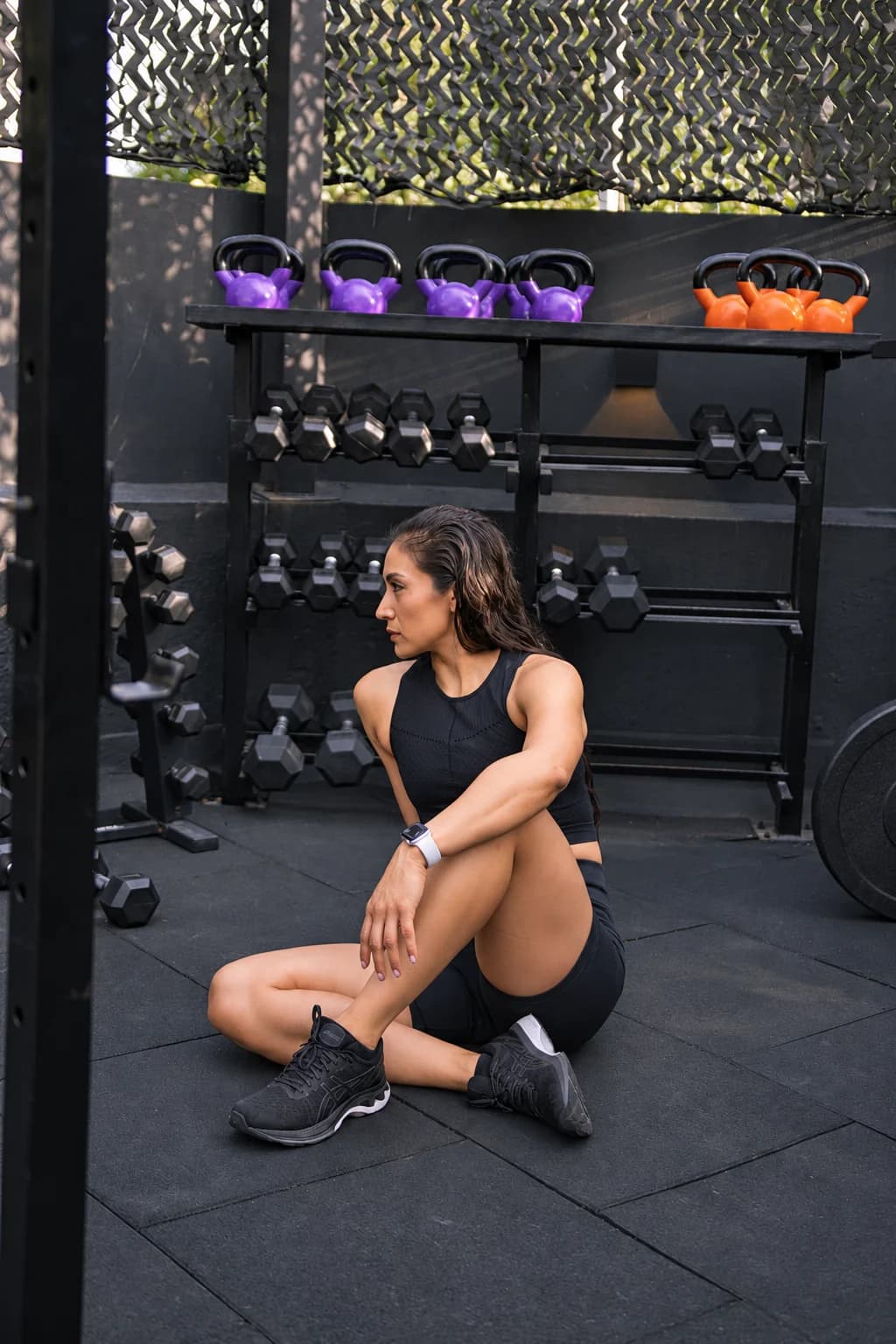
Discuss the ordinary details before making attendance depend on another person. Where will you meet, when will you confirm, and how will you communicate a change? A short, clear arrangement is easier to use than an expectation that nobody has actually stated.
Choose a fallback that fits the existing plan. If one person cannot attend, the other may still prefer to use their own planned session. Alternatively, you may agree to rearrange the shared visit. The point is to decide what the change means, rather than automatically treating one person's cancellation as a reason for both to stop.
Keep encouragement separate from comparison. Two people can arrive together while using different instructions or working towards different goals. Explain whether you want company, a reminder or help with a practical constraint, so that a supporter does not have to guess.
For choosing the target itself, see our guide to fitness goals and supporting actions.
Solo workout motivation can still involve support
Enjoying a session alone does not require rejecting all support. You can keep the activity independent and use a trusted person's check-in outside the session. Equally, if reminders feel unhelpful, say what would be more useful.
Review whether the arrangement fits what you enjoy and what you can carry out. Record your actual attendance or completed task, rather than assuming that having a partner means the plan happened. The sources here offer practical support strategies; they do not establish that partnered training is superior for everyone.
Equipment follows the planned activity
If the activity uses position labels, the PBGGAME numbered floor-marker set contains ten round spots numbered 1–10, plus a carry bag. The numbers identify positions, not either person's ability or exercise load.
For planned floor work, the blue cross-fold exercise mat is a single folding mat with a storage bag listed as included. Check the space and instructions for each person's task. Equipment choice does not require both people to follow an identical programme.