Compare Two Workout Plans Before Committing to Either
Compare two plans through their actual instructions, starting assumptions, required equipment, progression and practical fit.
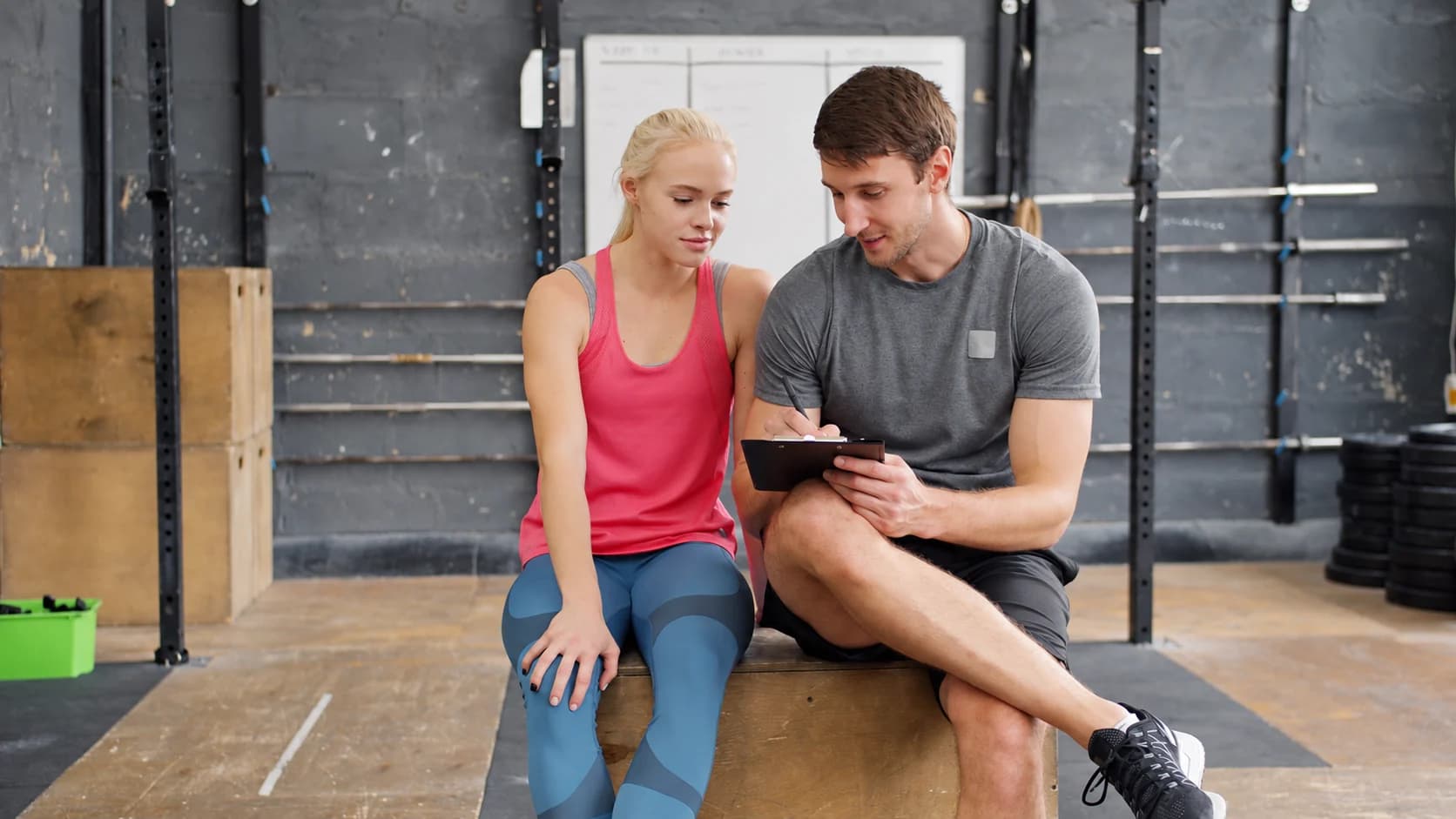
Choose a workout plan by checking what it asks you to do and whether you can follow those instructions in your actual setting. Start the comparison with your purpose, current starting point and available resources.
How to choose a workout plan
Mayo Clinic's planning guidance starts with goals and a current starting point, then considers the real schedule, equipment, gradual introduction and later review. Use that sequence to decide what information you need from a written plan.
For resistance training, ACSM's official 2026 update emphasises individual goals, preferences and circumstances, alongside regular participation. A plan should give you a usable way to train towards its stated purpose; complexity alone does not establish a better fit.
A beginner workout plan checklist
Read each option and note its answer to these questions:
- Purpose: What is the plan intended to develop, and is that the thing you want to work on?
- Starting level: Does it identify its assumed experience or explain how to choose a suitable starting version?
- Instructions: Are the tasks, work and recovery instructions clear enough to follow?
- Equipment and setting: Does it name the required formats and the space or facilities needed?
- Practical schedule: Can you allow for preparation, recovery and the time the visit takes?
- Review: For an ongoing programme, does it explain when to review progress and how adjustments are decided?
These are comparison questions, not a demand that every plan cover every type of exercise. Judge the coverage against the plan's stated purpose. A specific skill-practice session and a longer-term strength programme can legitimately need different instructions.
Compare exercise programs by the instructions
Put the two written descriptions side by side
| Comparison field | Plan A: quote or “not stated” | Plan B: quote or “not stated” |
|---|---|---|
| Purpose / assumed experience | ____ | ____ |
| Exact tasks and equipment | ____ | ____ |
| Work and recovery | ____ | ____ |
| Preparation, transitions and visit time | ____ | ____ |
| Review / adjustment method | ____ | ____ |
| Question that needs the provider | ____ | ____ |
| Illustrative document-reading example | Option A excerpt | Option B excerpt | What to do |
|---|---|---|---|
| Equipment | “Use the named tube-and-handle system” | “Use resistance” | Ask B which format and setup it means |
| Finish | “End when the demonstrated movement changes” | “Push hard” | Ask B for the task’s stopping instruction |
| Label | “Introductory practice” | “Advanced total-body” | Neither label earns a quality score |
The planning framework is from Mayo Clinic’s Fitness program: 5 steps to get started; the individual-goal context is from ACSM’s 2026 resistance-training update. Neither fills the blank details of a provider’s plan.

Put the two options alongside each other and use the same questions for both. Copy the instructions that answer each question into a short comparison, rather than awarding a point because a plan uses words such as “complete” or “advanced”.
Mark information that is missing. If one plan does not explain its equipment format, that uncertainty remains even if you recognise the exercise names. Ask the provider how the instructions apply to the actual equipment or setting you have.
Also distinguish what the plan says from what you intend to add. Bringing in recovery times, substitutions or progression rules from another source creates a different set of instructions. Resolve the missing detail before assuming the resulting combination is the original programme.
A trial period, where appropriate, can then be reviewed against what actually happened: whether you understood the tasks, could use the setting and could carry out the work. That is more informative than judging the programme from its name alone.
Clarify the next step
If both options look plausible, identify the remaining practical difference. One may require a facility you cannot regularly access; another may leave an important starting-level question unanswered. Ask for that information before committing.
If neither option gives usable instructions, return to your requirements. Our guide to fitness goals and supporting actions can help separate the result you want from the conditions needed to pursue it.
Check the equipment format
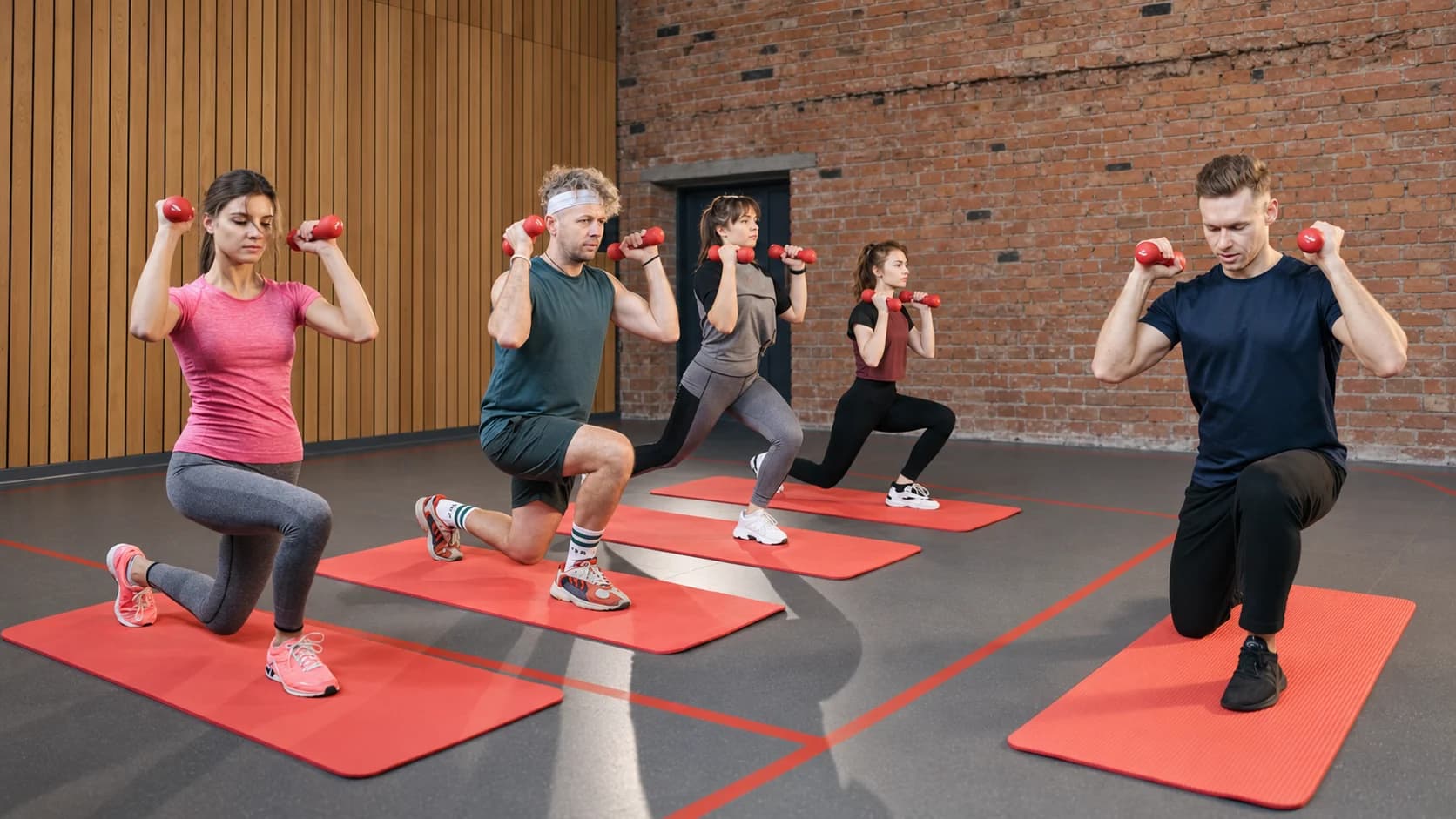
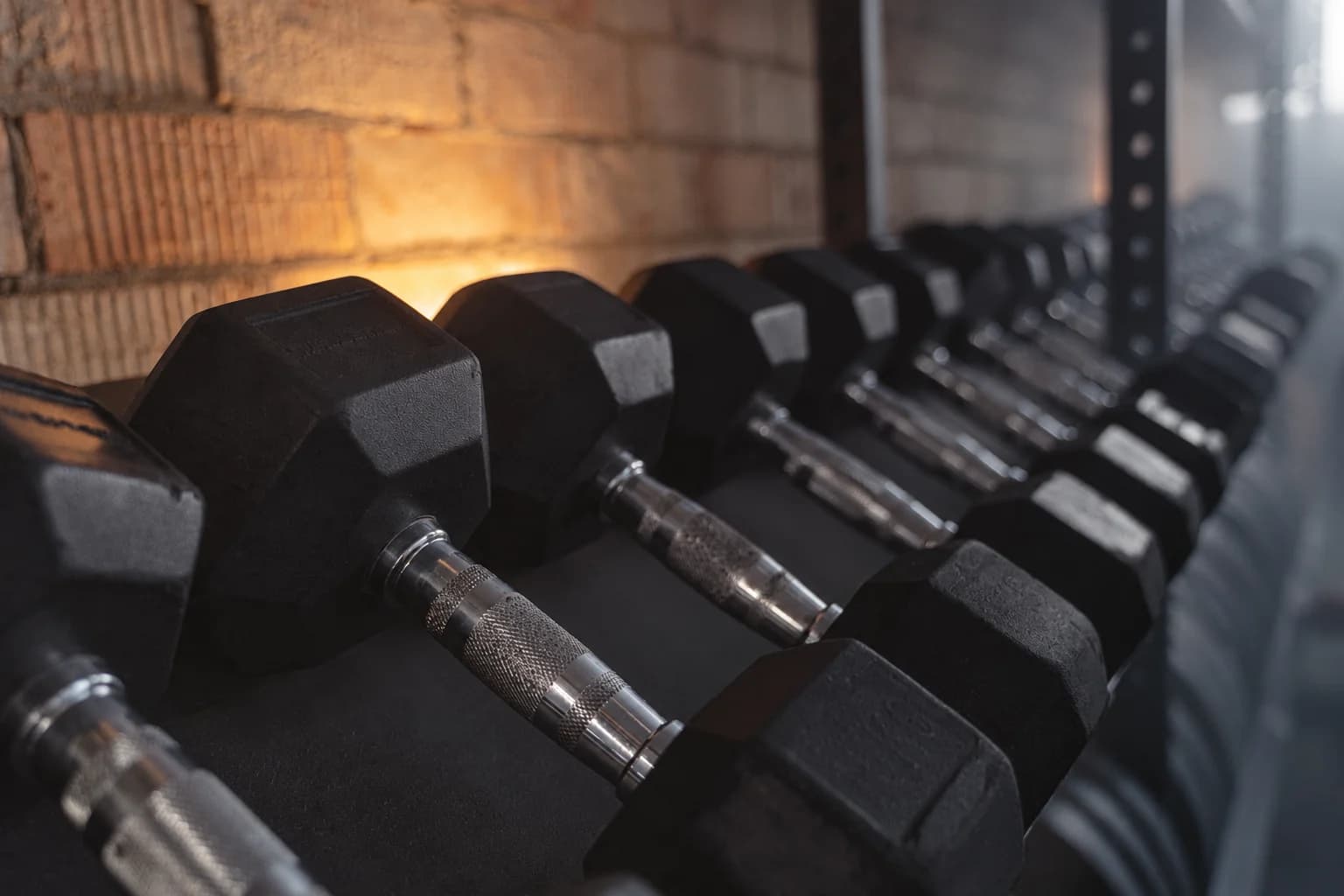
For a plan that specifies fixed dumbbells, the PBGGAME 1kg dumbbell pair with narrowed grips contains two fixed dumbbells. The nominal 1kg is per dumbbell; it does not identify a universally suitable starting load.
For instructions that call for clip-on resistance tubes, the PBGGAME five-tube set with handles includes five tubes with clips, two handles, two ankle cuffs, an anchor and a carry bag. Tubes and closed-loop bands are different formats. Check the exact requirement instead of assuming any item described as a “band” can be substituted.