Organize a Small-Group Fitness Session: Space, Stations and Different Levels
Organise adult group roles, equipment, station labels and transitions. Use a clear logistics example while keeping exercise choices appropriate to each participant.
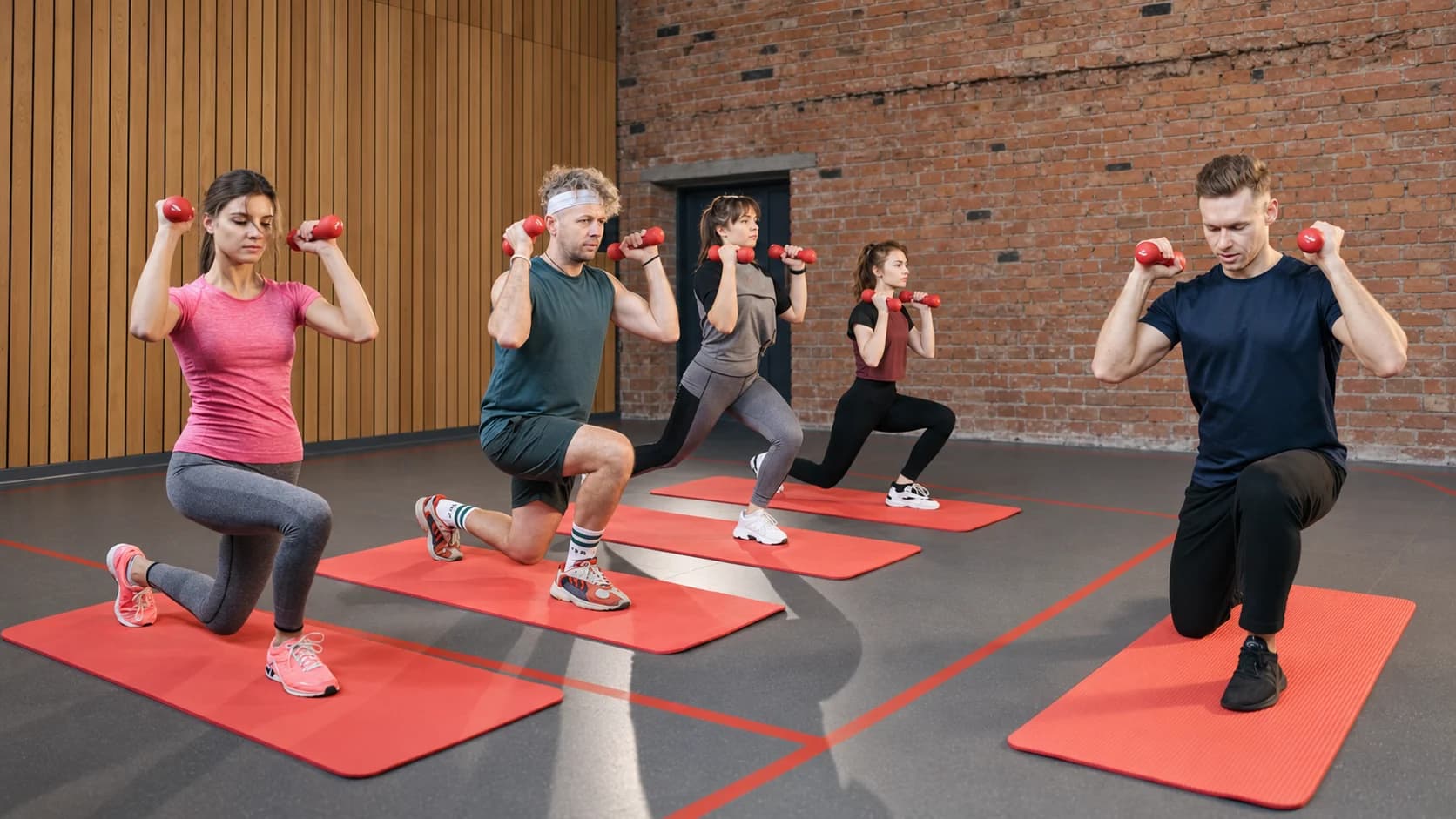
When deciding how to plan a group fitness class, start with the people, the available space and the equipment each person will actually use. Decide who begins where, how the group changes places and what each person needs to understand before the session starts.
A shared session does not require identical tasks or identical workloads. The organiser's job is to make the arrangement clear, while the relevant exercise guidance determines the options appropriate to each participant.
Check equipment occupancy before the change signal
| Logistics-only round | Participant A | Participant B | Participant C | Conflict to resolve before starting |
|---|---|---|---|---|
| Round 1 | Station 1; A’s own suitable item | Station 2; one shared item assigned to B | Station 3; taught option requiring no item | No second person may assume the shared item is free |
| Round 2 after the signal | Station 2; A’s option also asks for that shared item | Station 3; B’s own option | Station 1; C’s option | Confirm the shared item stays, has been released and is suitable for A’s option; otherwise revise the allocation |
| Your arrangement | Location / exact item: ____ | Location / exact item: ____ | Location / exact item: ____ | Owner, simultaneous demand, waiting/storage spot and clear transition: ____ |
The items and letters are an allocation example, not prescribed exercises, equal loads or training levels. If two people need the same thing at once, change the logistics before the round; a station marker does not duplicate equipment.
Start with a short, usable brief
The ACE group-fitness planning blueprint asks organisers to identify a class's purpose, intended audience, format and equipment. It also makes room for exercise options and their purpose.
Use those prompts to make the session understandable before laying out the room. Name the existing plan the group is following and identify the people attending. An attendance list alone does not explain which options each participant has been taught or which equipment is needed for those options.
Keep logistics and exercise instruction distinct. “Change stations when the organiser gives the signal” explains an arrangement. It does not mean everyone should use the same resistance, complete the same amount of work or progress to the same task.
Plan where equipment waits and where people move
An ACE feature on movement sequencing draws on group-fitness professionals including Jan Schroeder, PhD. It connects the intended participants, movement options, equipment and transitions, with attention to clutter and where items will be kept.
Look at the room with the actual sequence in mind. What stays at a station? What is carried or put away? Where does the next person need to go? Resolve those questions before the group is trying to listen to instructions and change places at the same time.
Keeping the same item for consecutive tasks is one option the ACE feature discusses for simplifying transitions. Add stations because they fit the plan, rather than to use everything available.
Make shared workout stations easy to identify
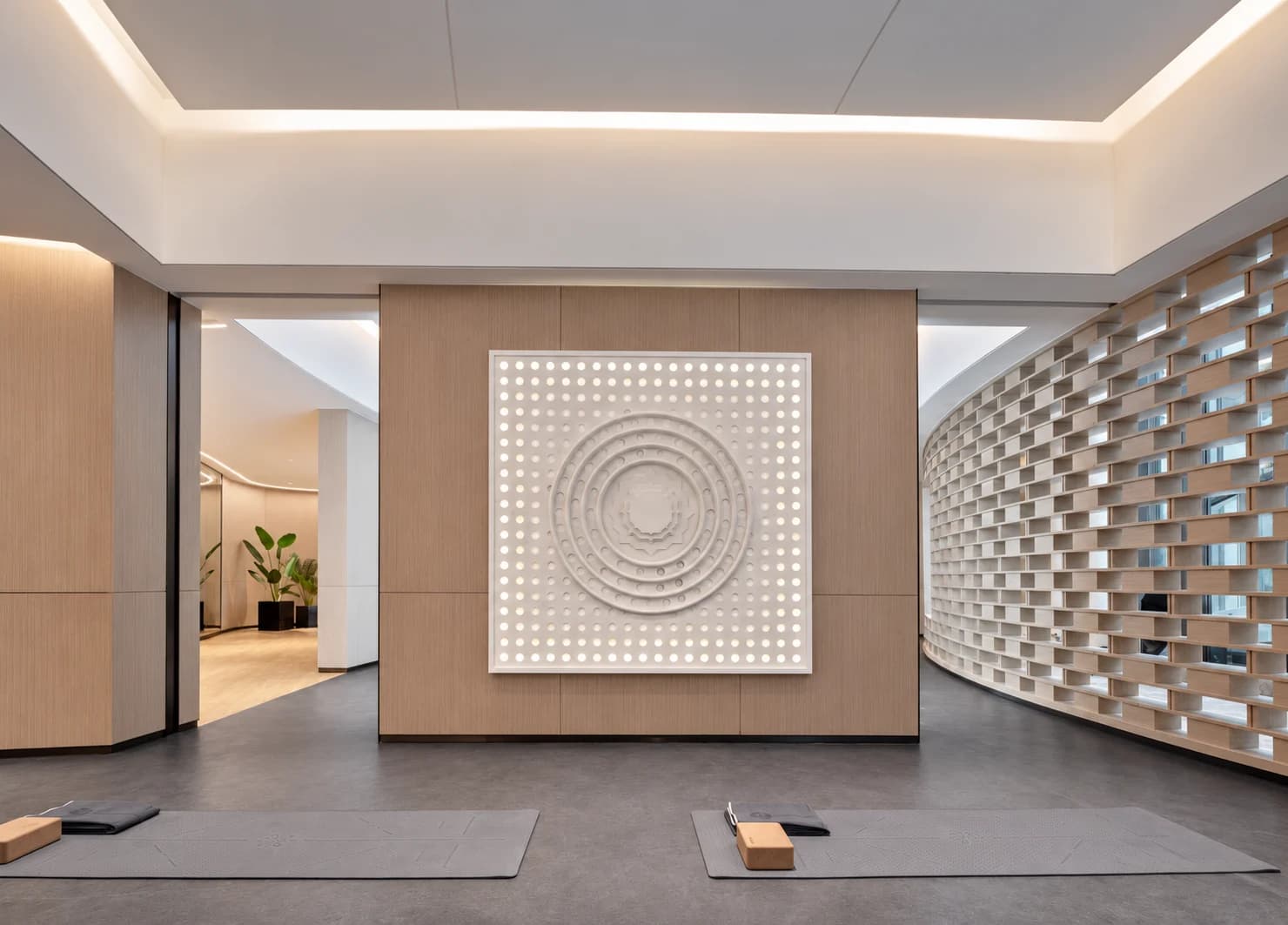
The example below illustrates logistics for three adults following an existing exercise plan. The numbers identify locations, and each participant already has an appropriate option for each location. It does not specify exercises, resistance or work intervals.
| Participant | First location | Next location after the agreed change signal | Equipment to settle beforehand |
|---|---|---|---|
| A | Station 1 | Station 2 | The item needed for A's selected option. |
| B | Station 2 | Station 3 | The item needed for B's selected option. |
| C | Station 3 | Station 1 | Whether C's option needs an item at all. |
Use this kind of assignment to reveal practical conflicts. If two people need the same item at the next location, decide how that affects the arrangement before the round begins. A marker identifies a place; it does not create another copy of a piece of equipment.
Explain the change in ordinary language. Each person should know where they begin and where they go next, rather than relying on a general instruction to “switch.” Agree which items stay in place and which belong to the participant. Avoid leaving that decision to the moment everyone is moving.
Shared organisation does not require identical exercise choices
The ACE feature emphasises options for different abilities. A common change signal can organise the room while individuals follow their own taught tasks; it does not assign equal loads or repetitions. Station numbers identify places, rather than difficulty.
Numbered markers are a wayfinding tool
The PBGGAME numbered floor-training spots offer one way to make the location labels visible. The selected 10-piece option contains ten flat, multicoloured discs numbered 1 to 10 and a carrying bag. It was listed at $17.99 when this article was prepared.
You can choose the numbers needed for the existing arrangement rather than creating ten stations to match the pack. A number names a location; it does not assign one person to it permanently or indicate exercise intensity. Check the actual selected pack and the supplied instructions when deciding whether it suits the intended surface and use.
Count the rest of the equipment separately. If a location needs an item, the organiser still needs to establish who uses it and when. A set of location markers helps communicate the plan, while the equipment allocation and exercise options make that plan workable.
Give participants the arrangement before starting
Let people identify their first location, the item assigned to them and the next location before the session begins. Invite questions about the arrangement while the group can still discuss them together. This is especially useful if people arrive with different expectations about what “stations” means.
When a participant's chosen option changes the equipment needed, revisit the allocation. The practical aim is a session in which people can understand their roles and move between agreed tasks, instead of negotiating the whole room afresh at every change.