Strength vs Power Training: Separate Force from Speed
Distinguish strength, mechanical power and rapid force development, then choose a defined practice task without turning every repetition into a race.
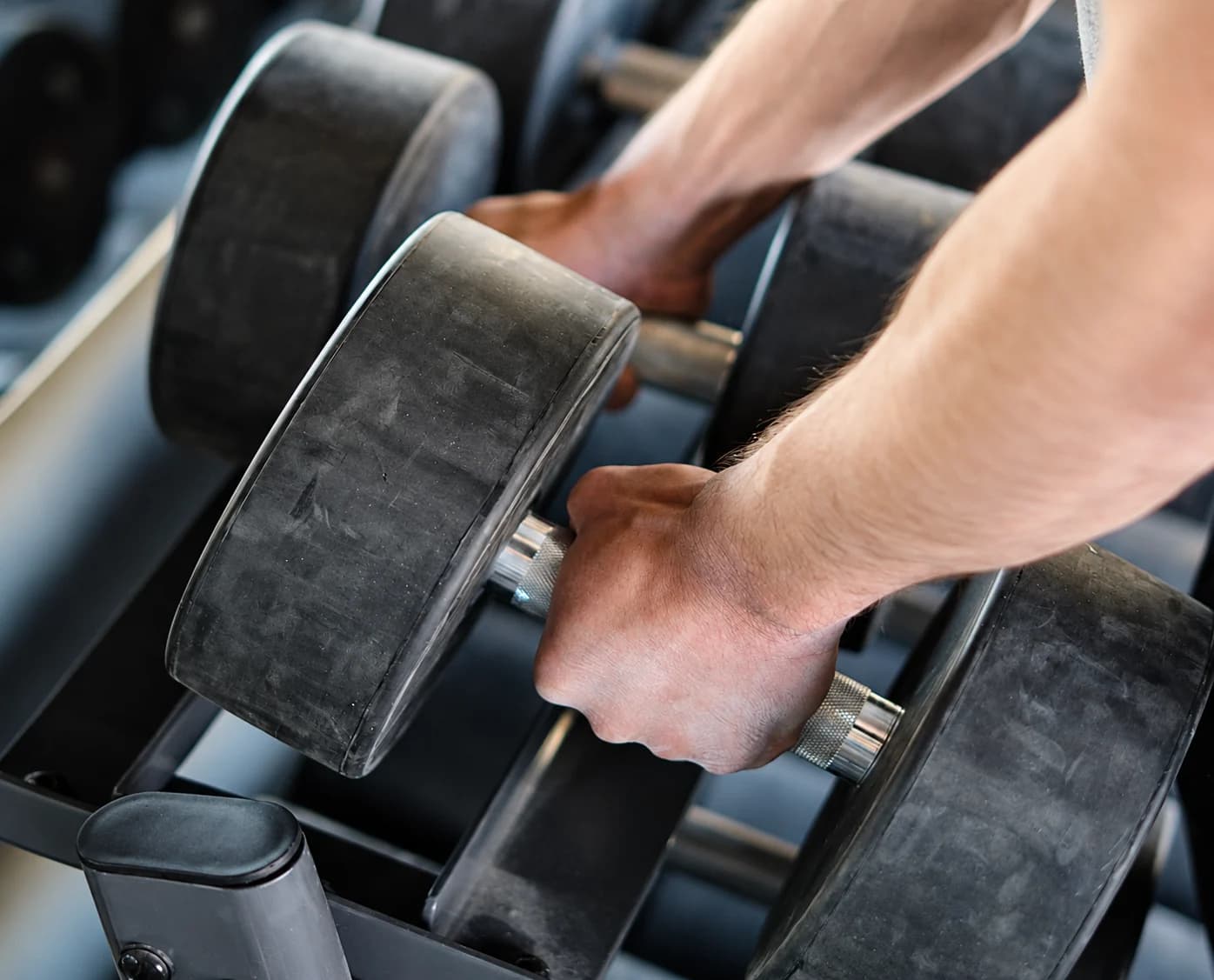
The strength vs power training distinction starts with the task. Strength concerns the ability to produce force under specified conditions. Mechanical power concerns how quickly work is done. They are related, but neither a heavy-looking weight nor a fast-looking movement tells you everything about the goal.
Decide what you want to practise before changing pace or buying equipment. A strength-focused exercise may call for a manageable resistance and deliberate movement. A power-focused task needs its own choice of load, movement and execution, rather than a general instruction to do the whole workout faster.
Force capacity and power answer different questions
Arthur Drechsler's discussion of strength and power ties force capacity to conditions such as position and movement velocity. That makes the exercise and setup important: performance in one task is not automatically a complete description of strength in every other task.
The NSCA article Developing Powerful Athletes, Part 1 defines mechanical power as work divided by time, or force multiplied by velocity. In a straight-line movement, consider the force acting along the motion and the speed of that motion. The weight label alone does not supply that information.
| Question | Strength emphasis | Power emphasis |
|---|---|---|
| What are you asking? | How much force can be produced in this defined task? | How quickly is mechanical work being done in this task? |
| What matters in the setup? | The movement, position, resistance and way performance is assessed. | The movement, force, velocity and load appropriate to the intended action. |
| What is a misleading shortcut? | Assuming the hardest-looking repetition describes every kind of strength. | Assuming the lightest or fastest-looking repetition produces the greatest power. |
| What stays important? | A learned setup, controlled execution and a deliberate finish. | A learned setup, appropriate execution and a deliberate finish. |
A deliberately idealised power calculation
| Assumption or quantity | Value | Meaning in this example |
|---|---|---|
| Force, constant and in the direction of motion | 100 N | An invented external force |
| Velocity in that direction | 0.5 m/s | An invented constant speed |
| Mechanical power, P = F × v | 100 × 0.5 = 50 W | N × m/s = W |
Moving fast is not a complete power measurement

A relatively heavy resistance may move slowly even when someone is trying to move it quickly. A very light object may move quickly while requiring a different amount of force. These observations explain why neither slow and heavy nor fast and light is a complete definition of a training goal.
The movement also matters. Changing the load, range or contact position changes the task being compared. If you want a meaningful comparison, keep the conditions clear instead of treating a faster-looking version of a different exercise as proof that power improved. A still photograph cannot establish the speed of either version.
Intent and measured movement are different information. Trying to accelerate an appropriate load can be part of a coach's plan, but intention is not a measured power output. Likewise, feeling out of breath or completing a round sooner does not identify the force and velocity produced in an individual action.
Do not turn every phase into a race. Starting, returning, stopping and resetting still need to be learned for the particular task. The guide to eccentric training explains a controlled lift and return; that is a useful distinction from assuming every lowering phase should become faster.
For your own practice, first establish what the exercise is meant to develop and what good execution looks like. If a new speed cue makes the path, contact or finish unpredictable, stop and review the task with appropriate instruction. Speed is one part of the plan, not a substitute for knowing it.
Explosive strength training: clarify the term
Explosive is often used around rapid actions, but ask what is actually being discussed. The NSCA article lists rate of force development separately from mechanical power. Rate of force development concerns how quickly force rises; power concerns the rate of doing work. Related concepts should not be treated as identical measurements.
A goal of producing force early, a goal of moving a chosen load quickly and a goal of learning a particular athletic skill can lead to different practice choices. Name the intended task with your coach rather than assuming an explosive label supplies a movement, suitable load or readiness test.
Power training basics begin with a clear task
- State the goal. Are you practising force production in a familiar resistance exercise, or a specific task where movement velocity matters?
- Choose a movement you have learned. A new goal does not require copying a maximal jump, throw or advanced lift from a video.
- Check the exact equipment, usable space and permitted movement. Know the start, finish and reset before adding a new execution cue.
- Use the load and rests appropriate to the taught task. There is no single percentage, repetition quota or countdown that selects them for every exercise.
- Review execution before adding more work. Finish or reset when you cannot keep the intended path, contact and ending under control.
For a familiar resistance task, you may be able to continue practising the same movement while refining its setup. For an unfamiliar power-focused task, learn its specific requirements separately. Making a long conditioning circuit more rushed is not a substitute for choosing a defined power task.
Choose the actual load format, not a power label
The PBGGAME light-green dumbbell pair supplies two fixed weights of 1 kg each. That may suit handling practice or some light resistance tasks, but it is not a universal training load or a ready-made power prescription. Match the load to the movement you have learned.
The PBGGAME empty cylindrical training sandbag is a different offer: one empty bag, with no filler supplied. Confirm its permitted filler, setup and intended use before choosing it for a task. It does not provide a known ready-to-use training mass in the way a fixed dumbbell does.
Neither product name authorises throwing, slamming or a faster version of an exercise. Select the format because it fits an identified, taught task, rather than treating a strongman or power label as an operating manual.
Keep the comparison specific
Note the movement and setup you used, the load per implement and the execution goal. If you compare attempts, distinguish observed control from an actual measurement of force or velocity. Changing several conditions at once makes it harder to know what you are comparing.
Stop for pain, dizziness or unexpected loss of control. Persistent symptoms or restrictions need individual guidance. You do not need a self-administered maximum test, a maximal jump or a heavy implement to understand the distinction before discussing suitable practice.