Meditation Bench vs Cushion: Compare Sitting Height and Support
Compare meditation benches, sitting cushions and chairs by seat height, legroom and support, then try a brief setup before choosing.
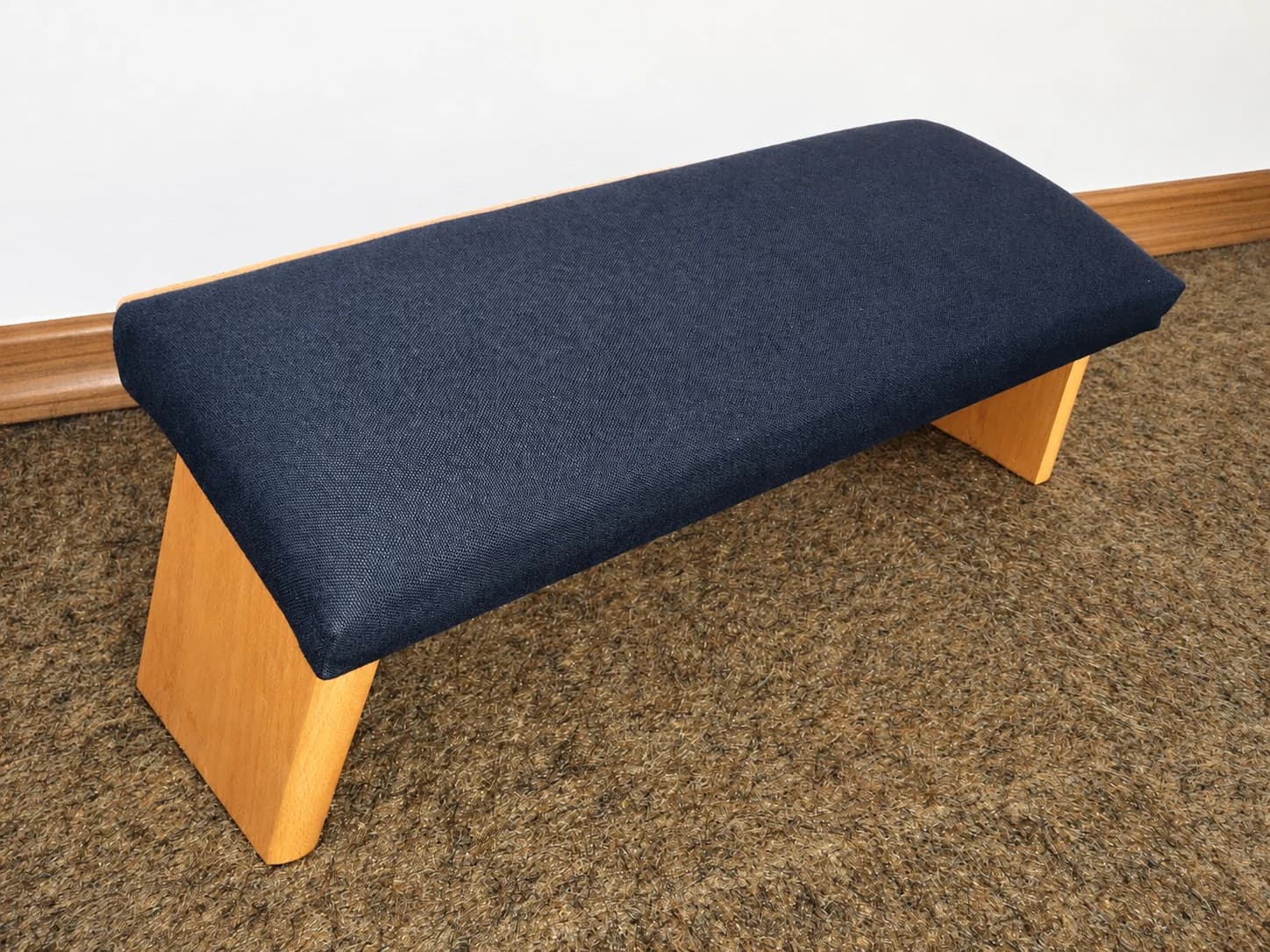
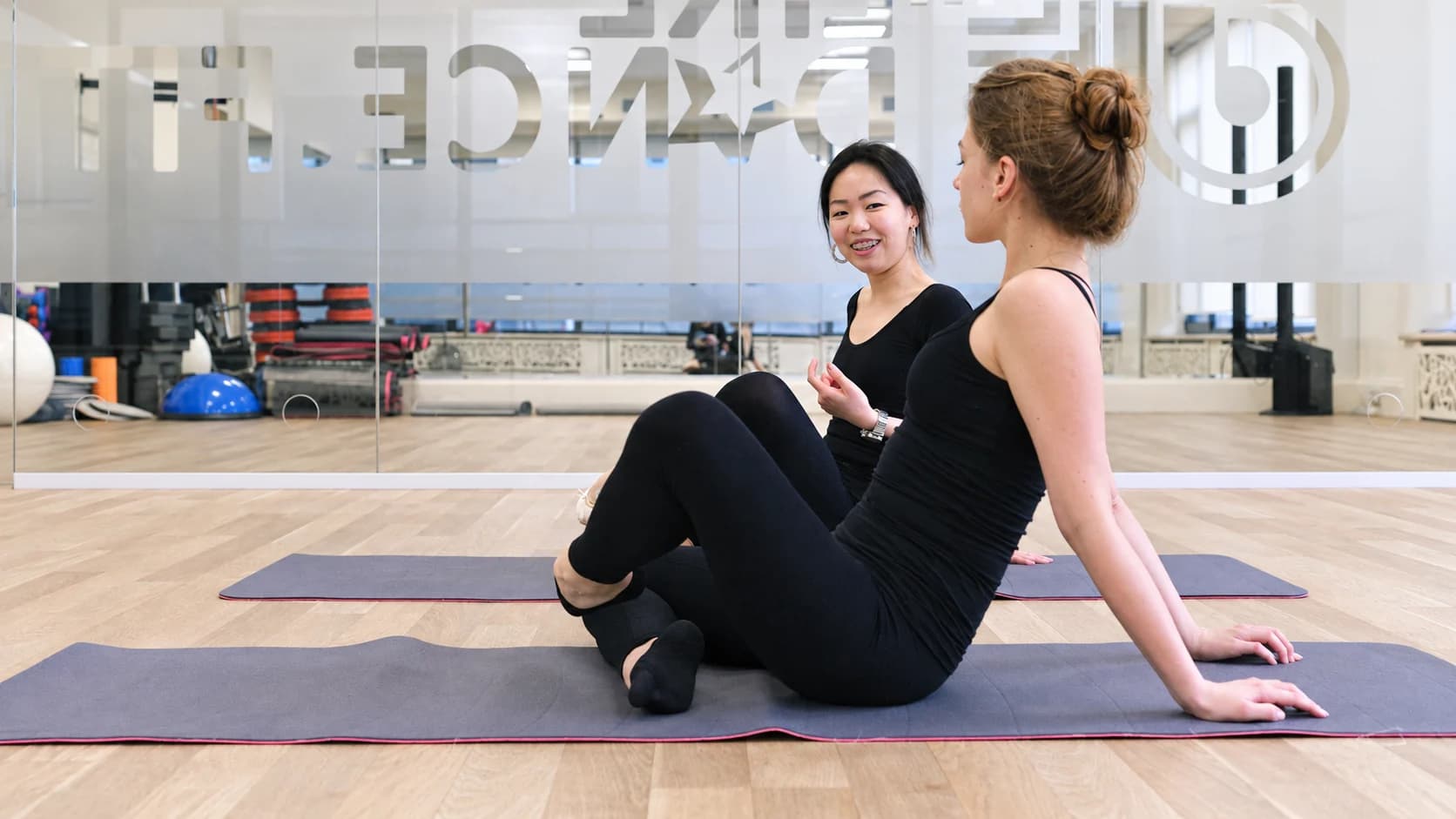
The useful difference in a meditation bench vs cushion comparison is how each one arranges your seat and legs. A bench usually supports a kneeling position, with the lower legs beneath it. A sitting cushion raises the seat for a floor position, often with the legs crossed in front. A chair offers another arrangement, with the feet supported in front of you.
Start with the position you can enter, settle into and leave comfortably. Then compare the height, space and support each seat provides. A beautifully made bench is still a poor choice for you if its under-seat space does not accommodate your legs; a cushion is not automatically suitable because it feels soft in your hands.
Meditation bench vs cushion: compare the whole arrangement
Zen Mountain Monastery's Zazen Instructions describe floor sitting on a cushion, kneeling with a bench and sitting in a chair. These are different ways to organise a sitting practice. You do not have to begin with the floor position that looks most familiar in photographs.
| Seat | What supports your sitting weight | Where the legs go | Main fit question |
|---|---|---|---|
| Meditation bench | A firm seat above the floor | Knees and shins on the surface below, with lower legs under the seat | Is there usable space for your lower legs and feet without feeling trapped? |
| Meditation cushion, such as a zafu | A filled sitting cushion on the floor | A familiar floor-sitting arrangement, such as legs crossed in front | Does the seated height leave room to arrange and release your legs comfortably? |
| Chair | The chair seat | Feet supported in front of you | Can you sit steadily with your feet supported and rise using a familiar movement? |
The bench's rigid structure makes its dimensions especially important. A cushion's shape and filling affect how it supports you once seated. Both still need a suitable surface underneath and enough clear space around them. Compare the complete arrangement, including any mat beneath your knees or feet, rather than comparing the seat alone.
Meditation sitting support: match height to legroom
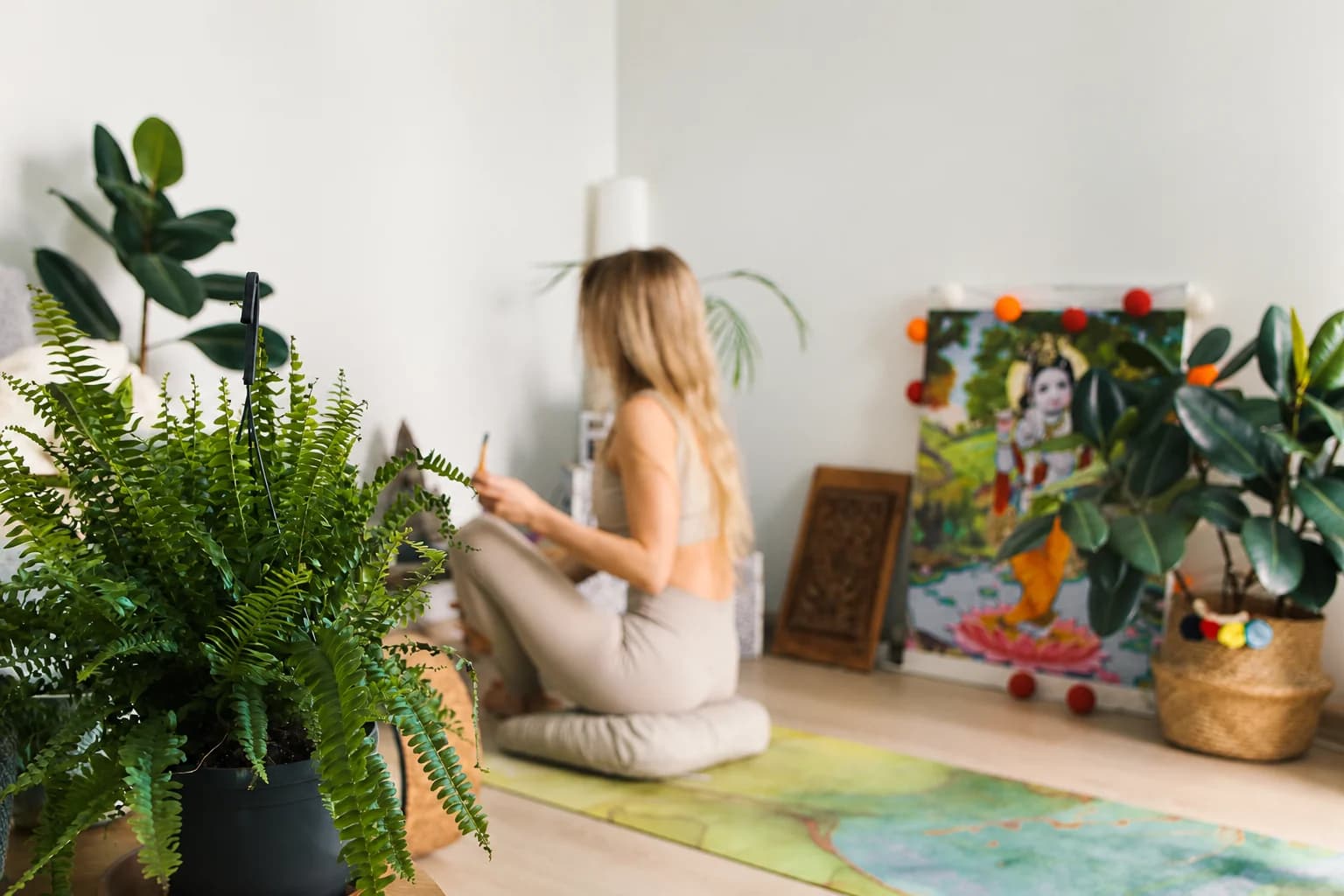
Height is a starting measurement, not a verdict on fit. With a kneeling bench, look at both the seat position and the space beneath it. A higher seat may offer more legroom, but that does not mean the tallest bench will suit everyone. The width between the supports and the shape of the entry also affect where your lower legs can go.
In its Choosing the Right Meditation Bench guide, meditation-equipment maker Still Sitting discusses bench height, legroom and different ways of entering the seat. Those details are useful questions to ask of any bench. Use the dimensions of the model you are considering; measurements from another maker's range describe that maker's products.
For a cushion, distinguish the advertised uncompressed height from the support you experience while sitting on it. A cushion that compresses substantially may leave you lower than you expected. Check its intended use, overall dimensions, filling and whether the maker provides a way to adjust that filling. A large bolster intended for supported reclining is a different shape and purpose from a dedicated sitting cushion.
Give the legs enough room to settle without forcing them into a particular shape. The practical aim is a steady seat and comfortable, natural breathing. If you are busy holding yourself off an uncomfortable contact point or repeatedly rearranging a trapped foot, another height, arrangement or chair may be more useful for the session.
What a bench or cushion meditation trial should include
Use this brief comparison to assess the sitting setup you are considering. A three-breath pause provides a manageable first look at the arrangement; adjust the practice duration to your instructions and comfort. Follow the maker's assembly guidance before sitting on a bench.
- Clear a level space with room to move your legs and place your hands beside you. Put the seat on a suitable, steady surface. If a bench folds or adjusts, secure it as its instructions require before beginning the entry.
- For a bench, start in a comfortable kneeling position. Arrange the seat over your lower legs as the design allows, then ease your hips onto it, using firm nearby support for your hands as needed. Keep room to release the feet rather than wedging them under the structure.
- For a sitting cushion, sit on it and arrange the legs in a familiar floor position with room to uncross them. Let the hands rest comfortably. Do not push the knees down or attempt a tightly folded position just to match a picture.
- Take three natural breaths. Notice whether the seat stays steady, the legs have room and you can breathe without bracing. If the arrangement is uncomfortable, change position or finish the trial; there is no need to remain still to complete the count.
- To leave the bench, use firm hand support to lift the hips and clear the seat before moving the legs. From a cushion, release the crossed legs first. Take time to return to a familiar position from which you can stand comfortably.
Try only one seating arrangement at a time, with a pause to move around before another. A brief comfortable trial is a useful first check, while a longer practice can reveal different preferences. Build the sitting time gradually rather than deciding that a seat must work for a long session because the first few breaths felt easy.
Which bench details are worth checking before you buy?
The optional Zen Black upholstered acacia meditation bench has a black upholstered seat and listed overall dimensions of 8 inches deep, 18 inches wide and 8.5 inches high. Its wooden legs are fixed. These measurements help compare its footprint and overall height, but they do not state the clear space beneath the seat. Ask for that measurement if legroom is central to your decision. The listed contents are one bench; arrange suitable support beneath your knees and shins separately.
Legroom is still an unanswered model question
| Zen Black acacia bench — PBG-592534 | Model detail / fit check | Check for your sitting setup |
|---|---|---|
| Overall footprint / height | 8 in deep × 18 in wide × 8.5 in high | Clear under-seat height |
| Fixed wooden legs | Fixed wooden legs | Usable inner width between supports |
| Entry and exit | Check the seated entry and exit route | A dimensioned lower-leg / foot route for this exact bench |
Plan your sitting setup using the overall 8.5-inch height together with separate under-seat clear-height, inner-width and entry-route measurements. Request the dimensioned drawing through contact so you can compare the bench's clearances with the space your lower legs and feet need.
Ask these questions alongside the product dimensions:
- What is the seat height in the actual sitting configuration? A folded measurement describes storage, and an adjustable model may have several settings.
- How wide is the clear space between the supports? The overall width alone does not tell you how much room remains for your legs.
- How do you enter and leave it? A central support, two side supports and an open-sided design create different routes for the feet.
- What sits against you and the floor? Check the seat surface, any included pad, and the support beneath the knees and shins.
- Will you carry or store it frequently? Compare folded dimensions and packed contents separately from the measurements that determine sitting fit.
For a cushion, ask equivalent questions about its sitting surface, height, filling and care. Choose an actual sitting cushion if that is the arrangement you want. Additional props are useful only when they address a specific part of your setup.
A chair belongs in the comparison
If kneeling and crossed-leg sitting both demand too much arranging, use a suitable stable chair. Zen Mountain Monastery includes chair sitting among its meditation options. Choose a seat that lets you support the feet and leave room for a familiar exit. You can place the hands comfortably and begin the same brief natural-breathing pause without first solving a floor-sitting puzzle.
For a purchase decision, the answers are practical: choose a bench if you prefer kneeling and its dimensions accommodate your legs; choose a dedicated cushion if you prefer floor sitting and its support suits that arrangement. Choose the chair when it makes the sitting session easier to begin and finish. The useful seat is the one that fits the position you intend to use.