Carrying a Phone During Exercise: Pockets, Pouches and Practical Limits
Compare phone pockets, belts, armbands and gym storage, then check your actual phone and case before choosing a carry method.
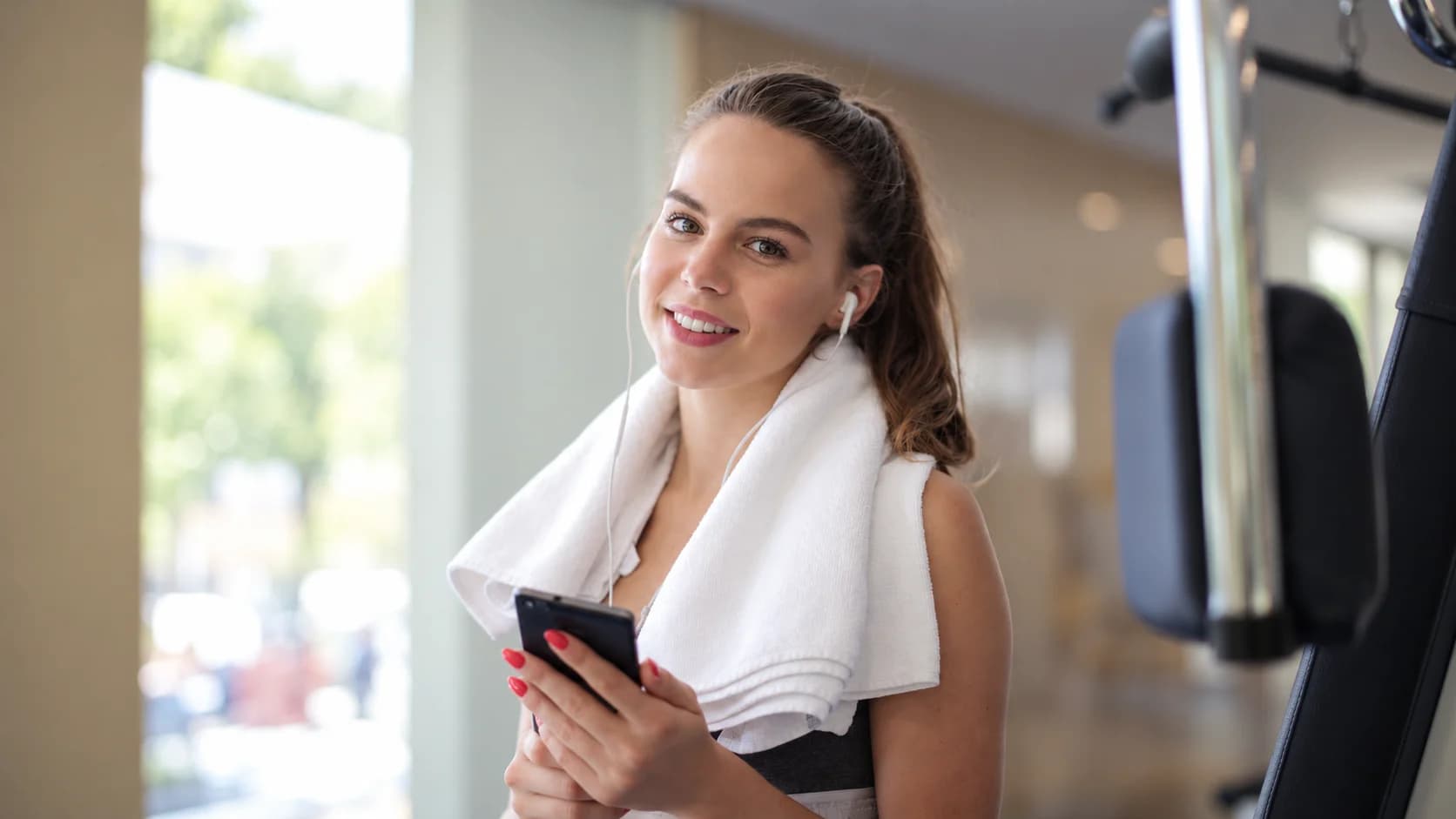
If you are deciding how to carry a phone while running, start with what you actually need to carry and how you want to move. A phone-only run, a gym session with a locker and a walk with two bottles need different arrangements.
Choose a method that holds your particular phone and case, closes as intended and lets you move without repeatedly adjusting it.
Match the carry method to the session
Nike’s running-phone-pocket guide describes several options, including pockets in different positions, armbands and additional carrying accessories. Use those categories to narrow your search:
- **A clothing pocket:** check its opening, closure and position on the garment you will wear.
- **A running belt or armband:** check the compartment and fastening with your phone inside.
- **A vest or backpack:** consider it when the rest of your kit also needs space; more capacity does not automatically make it the best phone holder.
- **A locker or permitted storage area:** useful for a gym session if you do not need the phone during exercise. Check that venue’s arrangements first.
These are alternatives to compare, not a claim that every design will suit every runner.
Try the complete setup before a run
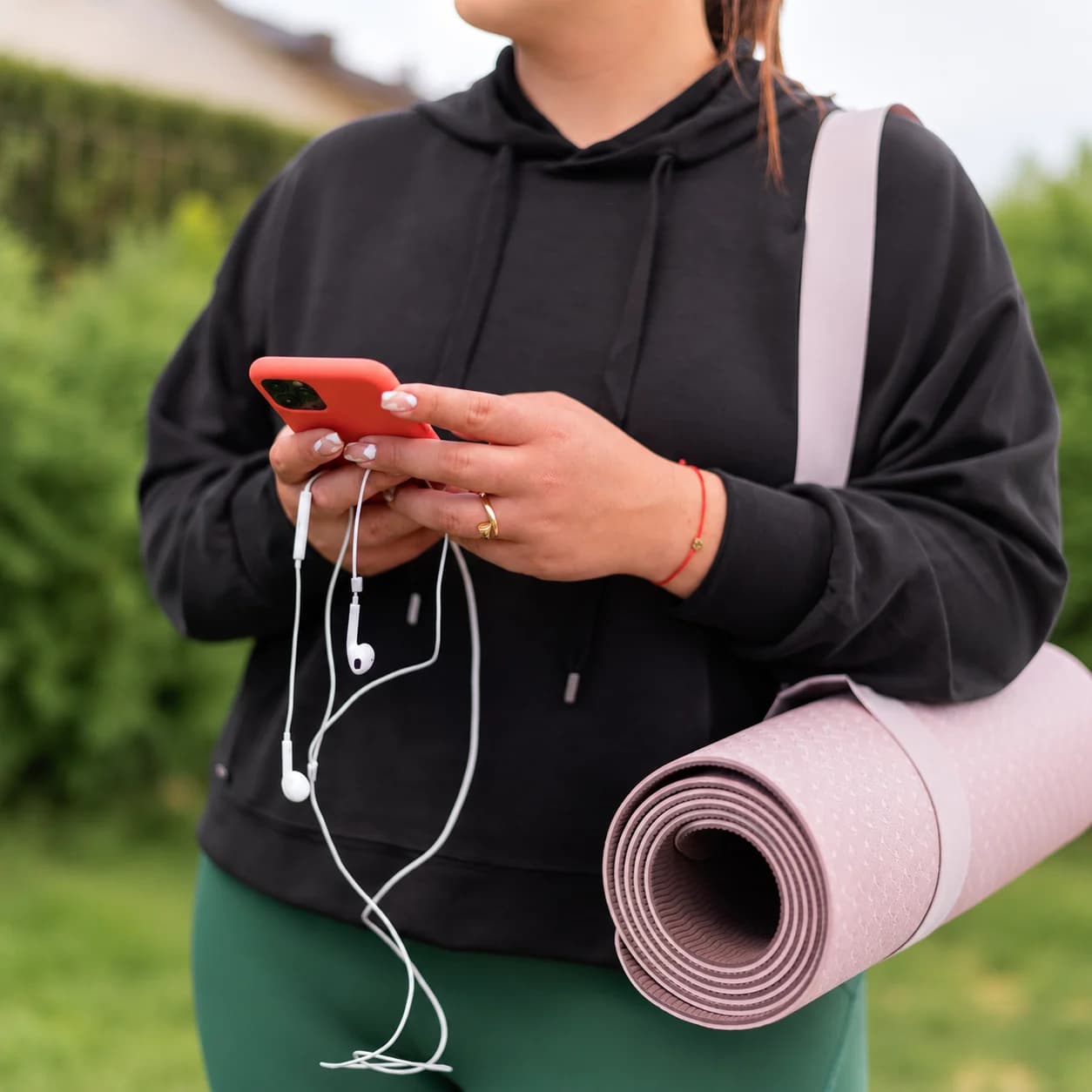
Start with your actual phone, its case and anything else you intend to put in the same compartment. An advertised phone diagonal is a screen measurement, not the outside dimensions of your complete setup. Compare the compartment information with the device in its case, including protruding parts. If the listing gives only the overall bag size, ask for the pocket dimensions rather than treating those two measurements as equivalent.
Put the phone in and close the pocket exactly as intended. Check whether the zipper or flap closes fully without forcing it around a corner. Make sure a key or another hard item is not pressed against the screen. A compartment that accepts the bare phone may behave differently with a bulky case or extra items.
Next, try the clothing or carrier with that load in place. Walk, move your arms and try a short, easy movement check in a clear space before committing to your route. Notice whether you keep reaching to adjust the carrier or whether its position interferes with your chosen activity. A fit check at home is more useful than assuming that a product photograph shows your result.
Finally, check access. Can you remove and replace the phone without spilling other contents? If you need to operate it, pause somewhere suitable. Recheck the complete arrangement when you change your phone, case or clothing.
Measure the usable pocket, not the phone screen
| Fit record for the actual cased phone | Measurement or observation |
|---|---|
| Phone model and case | ____ |
| Outside length × width × thickness, including protrusions | ____ × ____ × ____; unit ____ |
| Pocket internal usable length × width × depth | Ask PBGGAME for the usable pocket dimensions and compare them with your cased phone |
| Clear opening and fully engaged closure | Check the usable opening and confirm that the closure engages fully with your cased phone inside. |
| Other contents beside the phone | ____ |
| What fits / does not fit, with the closure complete | Record fit with your actual device, case and fully engaged closure |
Get help choosing a carry setup through PBGGAME contact. Ask for usable pocket and opening dimensions, closure details and the fit of your phone with its case. Match the carry configuration to the model's intended activities, and use it for running only where its instructions support that use.
A bag for arriving at the gym
The PBGGAME black two-bottle sling carrier illustrates a carry option for belongings on the way to training. Its actual product image shows one bag with a shoulder strap, two bottle spaces and a zipped front pocket. The phone and bottles in the image are props, not included items.
Compare the pocket's usable dimensions with your phone and case, and make sure the closure engages fully. Choose the sling for a carry arrangement suited to the intended activity; check model guidance for running use. At the gym, place the bag where it keeps walkways and training areas clear.
Keep water claims separate
A zipped pocket does not by itself establish waterproof protection. Apple explains that iPhone water-resistance conditions vary by model and that resistance is not permanent. Those device specifications do not certify a bag.
If rain or heavy moisture is likely, look for protection explicitly specified for the exact carrier and use. Do not infer it from a phone shown beside a bottle.