PBGGAME 36-Inch High-Density Foam Roller
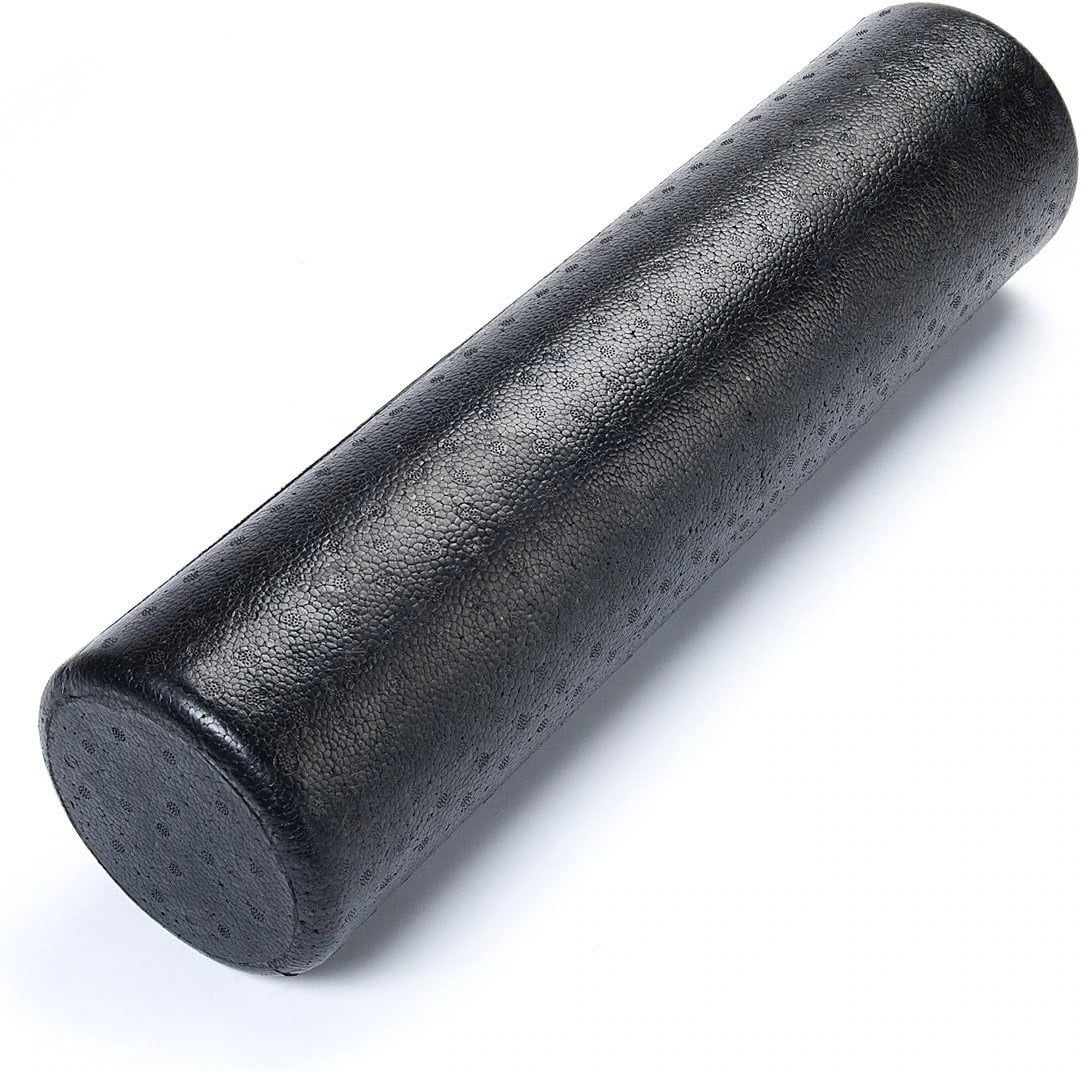
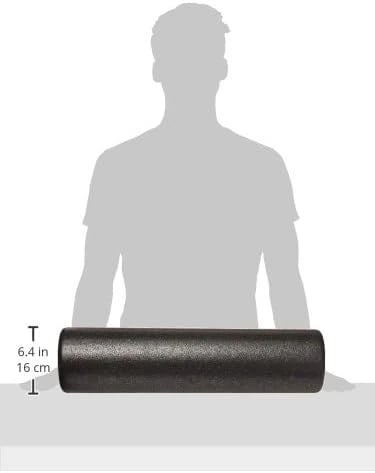
36-inch nominal length - Black
$28.99FIND YOUR EVERYDAY MOVEMENT
Release muscle tightness, smooth out fascial restrictions, and mobilize the thoracic spine with high-density foam rollers. Featuring expanded polypropylene cylinders, molded grid patterns, and compact travel cores, our muscle recovery roller lineup delivers durable compression.
36-inch nominal length - Black
$28.99M / Crescent Block Set · 3 options
$31.9936-inch
$41.85Black manual roller set
$24.94EQUIPMENT & TRAINING GUIDE
The foam roller remains the foundational tool of modern self-myofascial release, providing broad, rhythmic compression across large muscular territories. Performing slow sweeping passes across major muscle groups—such as the quadriceps, hamstrings, adductors, and calves—stimulates tissue mechanoreceptors that signal the central nervous system to down-regulate resting muscle tone. Unlike cheap open-cell rollers that compress into flat ovals after several weeks of heavy floor use, our high density foam roller designs utilize closed-cell expanded polypropylene and reinforced hollow-core shells engineered to maintain their cylindrical roundness under heavy adult bodyweight.
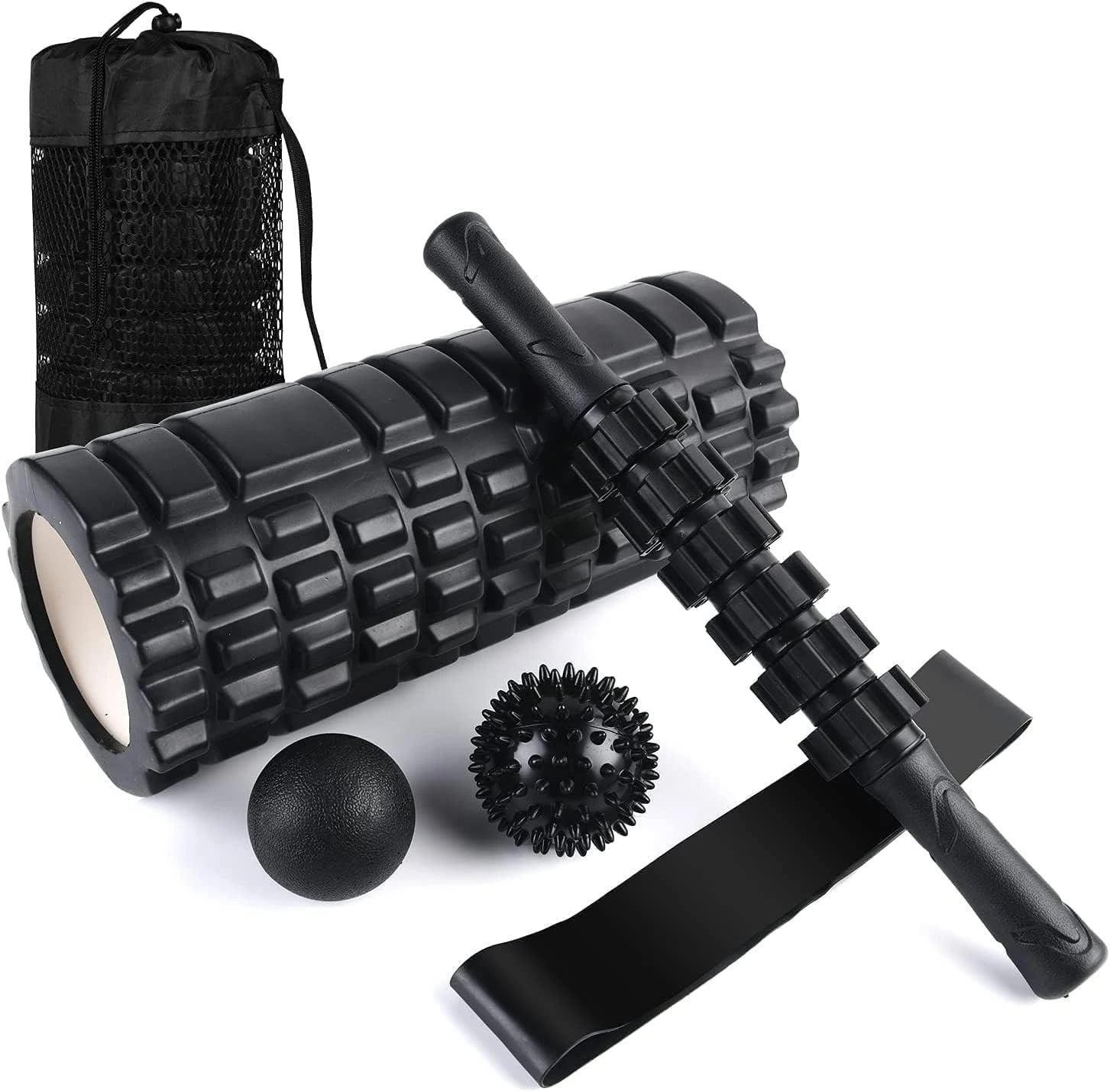
Selecting between smooth and textured surface profiles depends on tissue sensitivity and training objectives. A smooth, solid-core EPP cylinder provides consistent, even pressure distribution, making it an exceptional back foam roller for mobilizing stiff thoracic spinal segments and rolling sensitive lateral thigh borders. In contrast, a 3D trigger point foam roller incorporates raised matrix ridges and firm finger-like nodules over a rigid ABS tube. These geometric contours concentrate shear force into deeper fascial layers, mimicking the manual cross-friction techniques of a sports massage therapist to break up stubborn knots in thick gluteal and calf muscles.
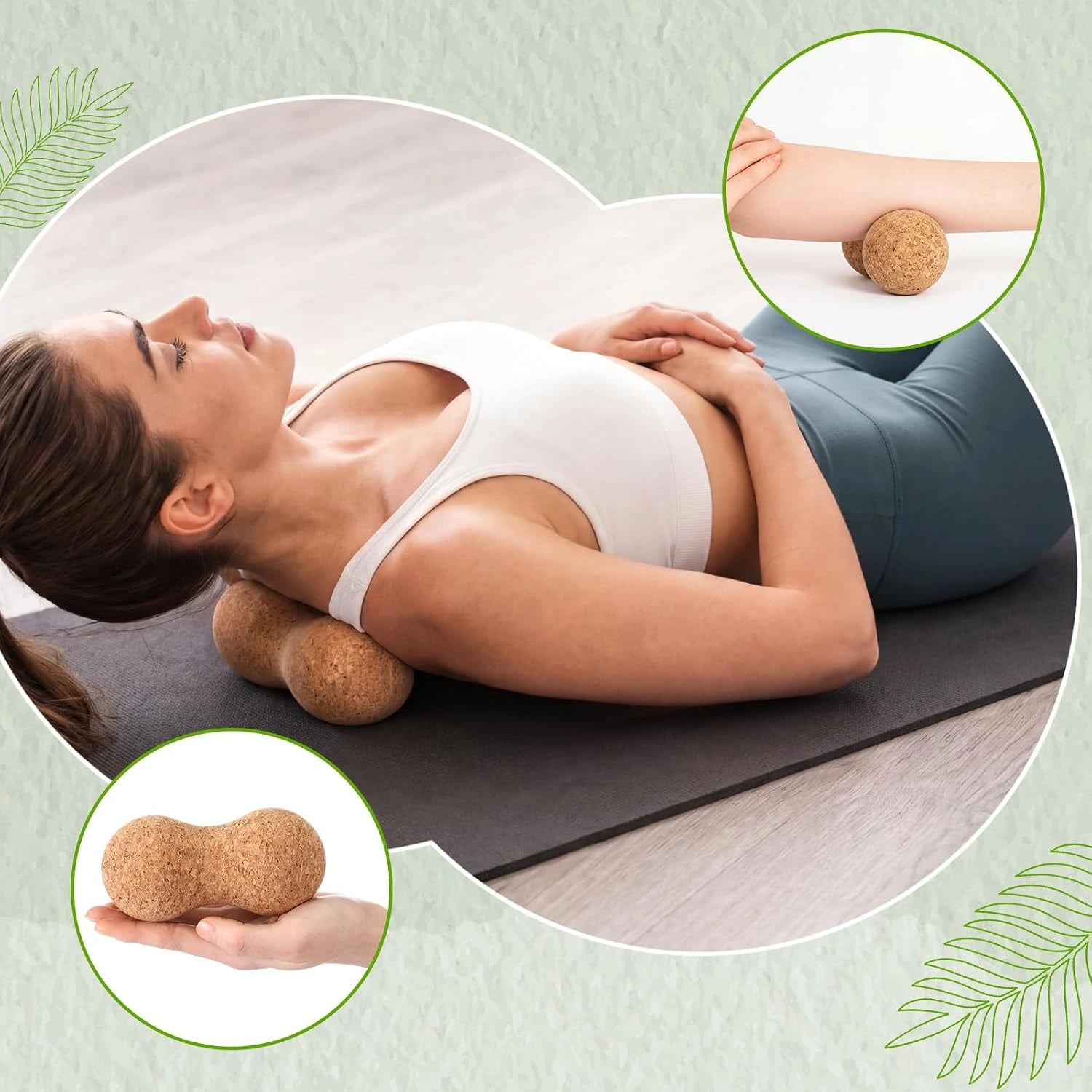
Thoracic spine extension over a muscle recovery roller is particularly effective for reversing slouching desk posture and improving overhead pressing mechanics. Positioning the roller horizontally across the mid-back with hands supporting the head, an athlete can gently extend backward over the fulcrum, taking deep diaphragmatic breaths to open intercostal tissues and decompress vertebrae. Avoid rolling into the unsupported lumbar curve or cervical neck, focusing instead on the rib cage region where the roller safely mobilizes stiff spinal joints and tight lats.
To perform effective myofascial rolling, apply steady bodyweight compression and move at a controlled cadence of approximately one inch per second. When identifying a tender, hyper-irritable knot, pause directly over the focal point for thirty to sixty seconds while maintaining relaxed breathing until muscular tension visibly eases. Incorporate gentle joint articulation—such as flexing and extending the knee while compressing the quadriceps—to encourage dynamic fascial shear. Clean closed-cell rollers periodically with mild soapy water to remove accumulated sweat and maintain hygienic floor performance.
Closed-cell molded EPP construction resists moisture absorption and maintains full cylindrical shape under 300+ lbs of bodyweight without softening or warping over time.
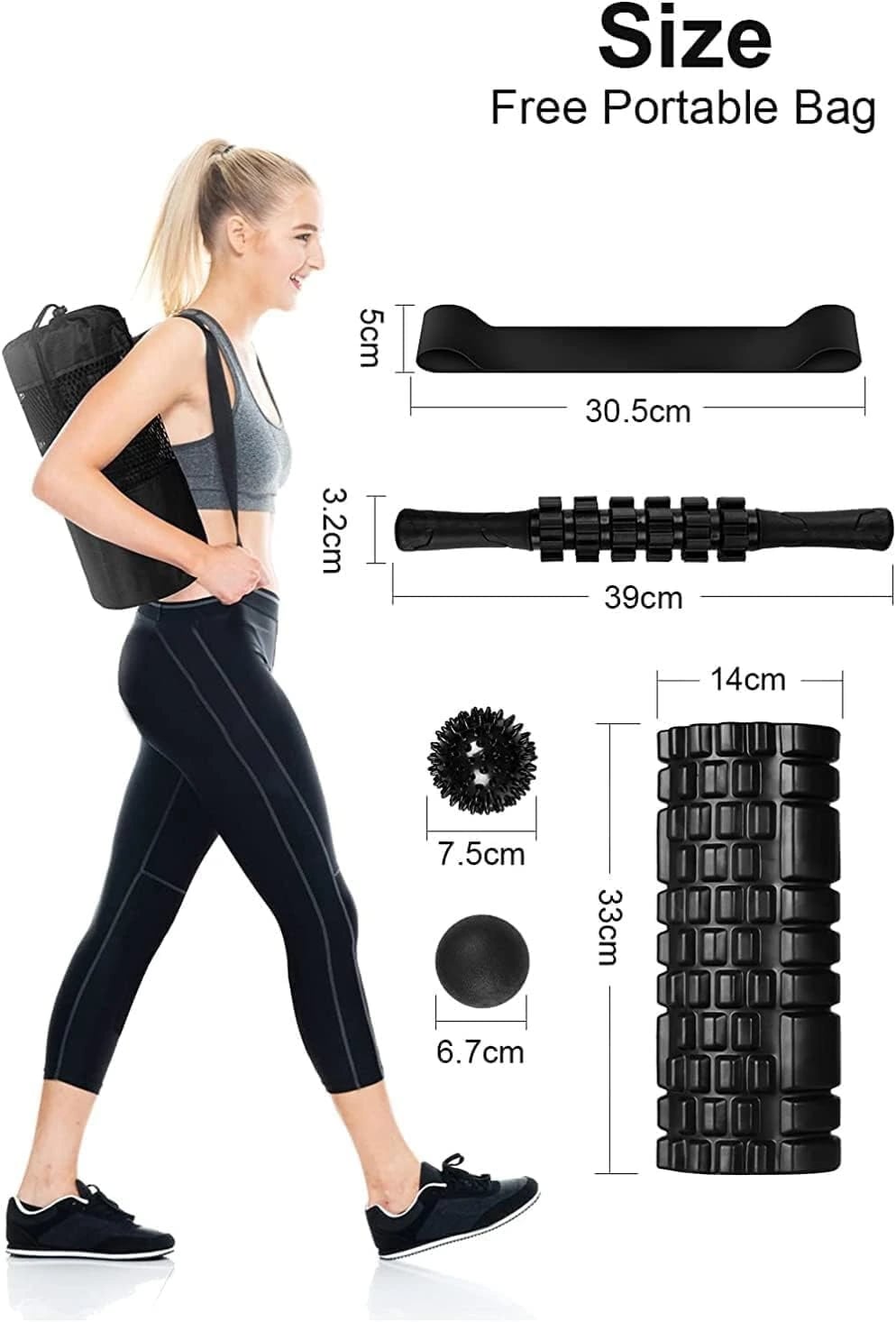
Textured hollow-core rollers combine flat palm surfaces, tubular finger ridges, and pointed nodule zones to simulate multi-directional manual massage therapy on deep adhesions.
Position the roller beneath the mid-thoracic spine with interlocked fingers supporting the head; perform controlled extension arches to open shoulder and rib cage posture.